


A Network is a Portfolio: Mid-Year Notes on the Art Market

At the halfway mark of 2026, our galleries’ Chairman and Director Michael Reid OAM takes the pulse of the art market and reflects on the deeper currents reshaping who, what and how Australia collects.
Mid-year – and, indeed, the end of a financial year – is as good a moment as any for an art market reflection and galleries’ health check. To put it right out there, up front: at a macro level, my galleries’ first and second quarters of 2026 – together comprising the half year – have each been the best such quarter since the gallery’s founding some thirty years ago.
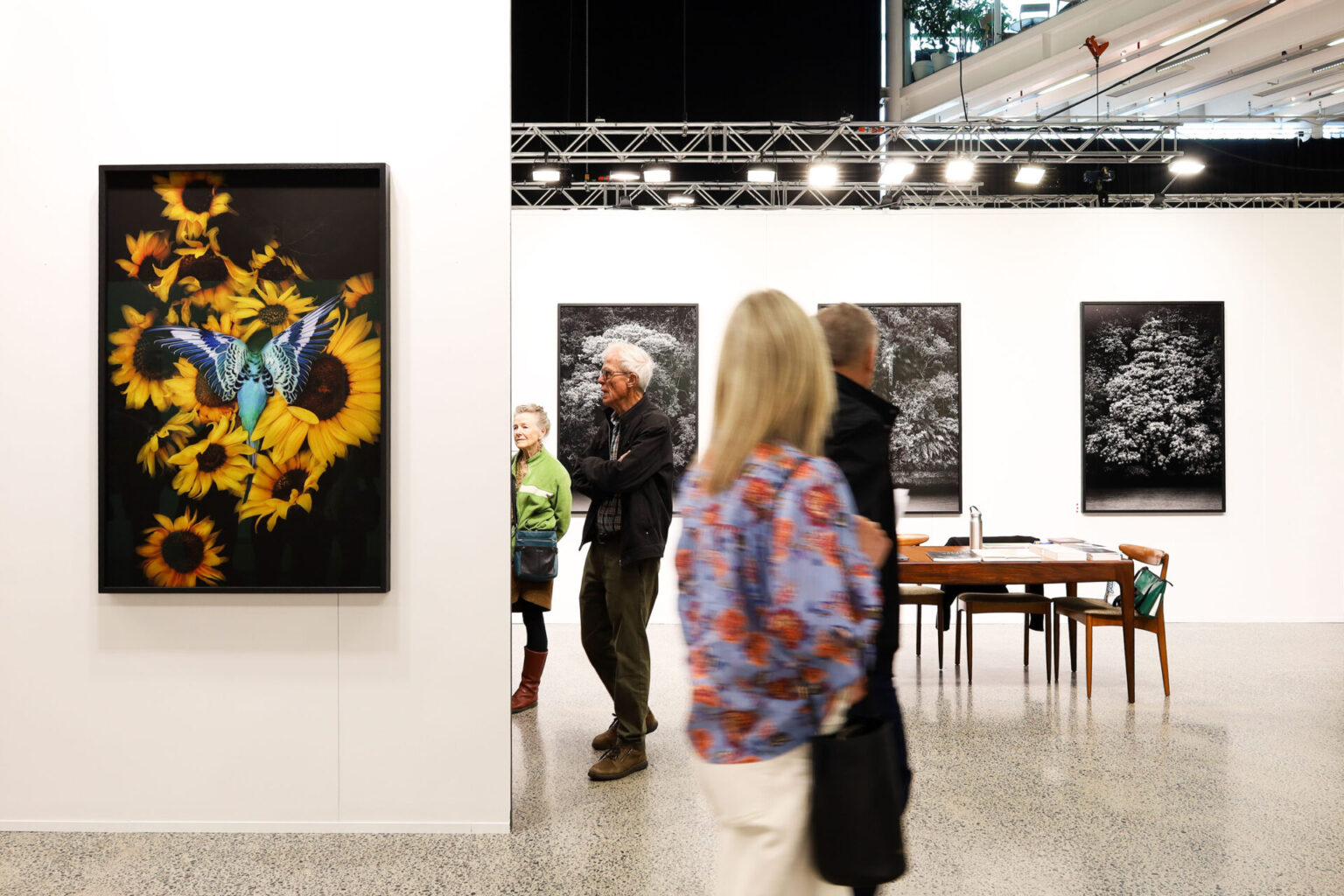
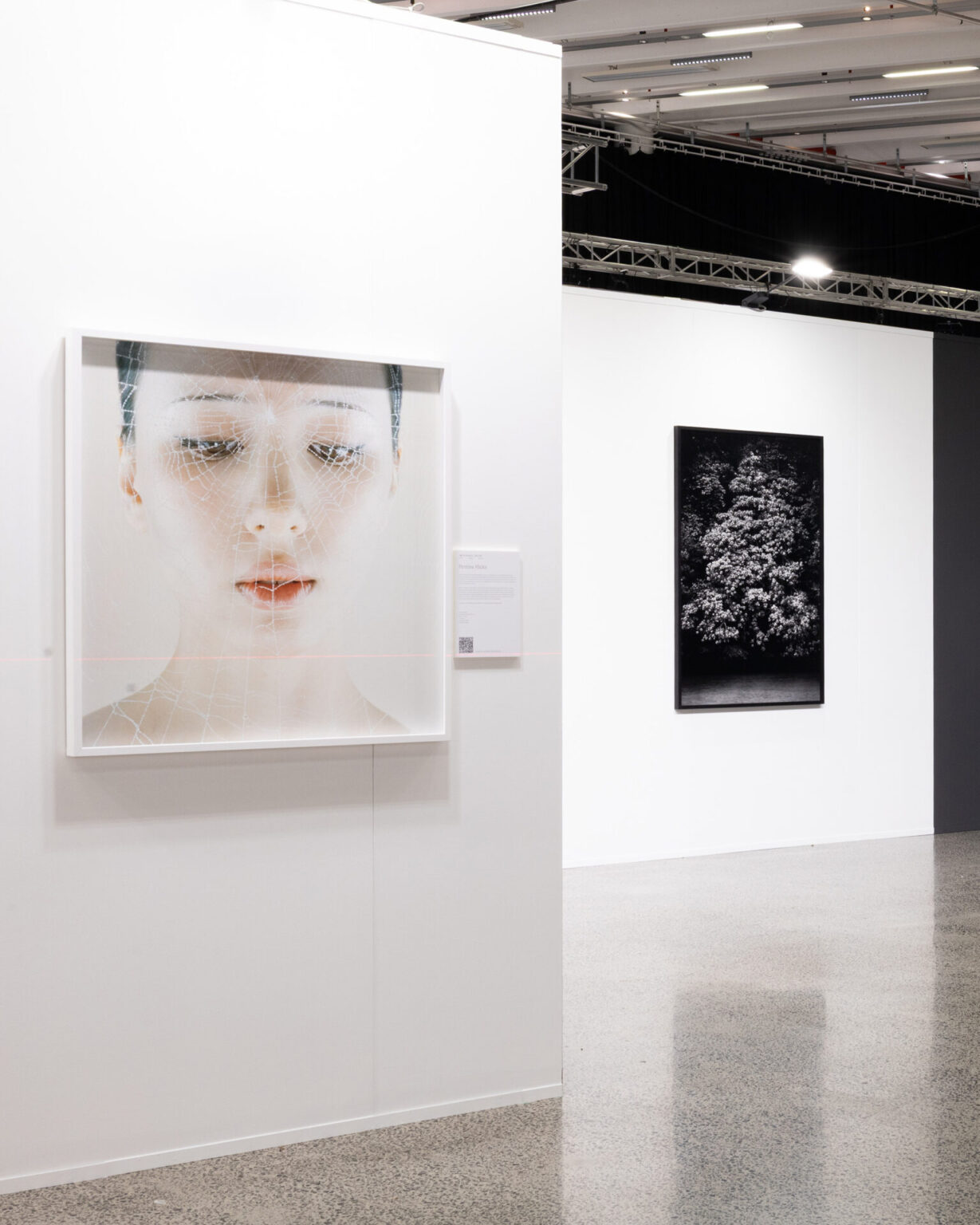
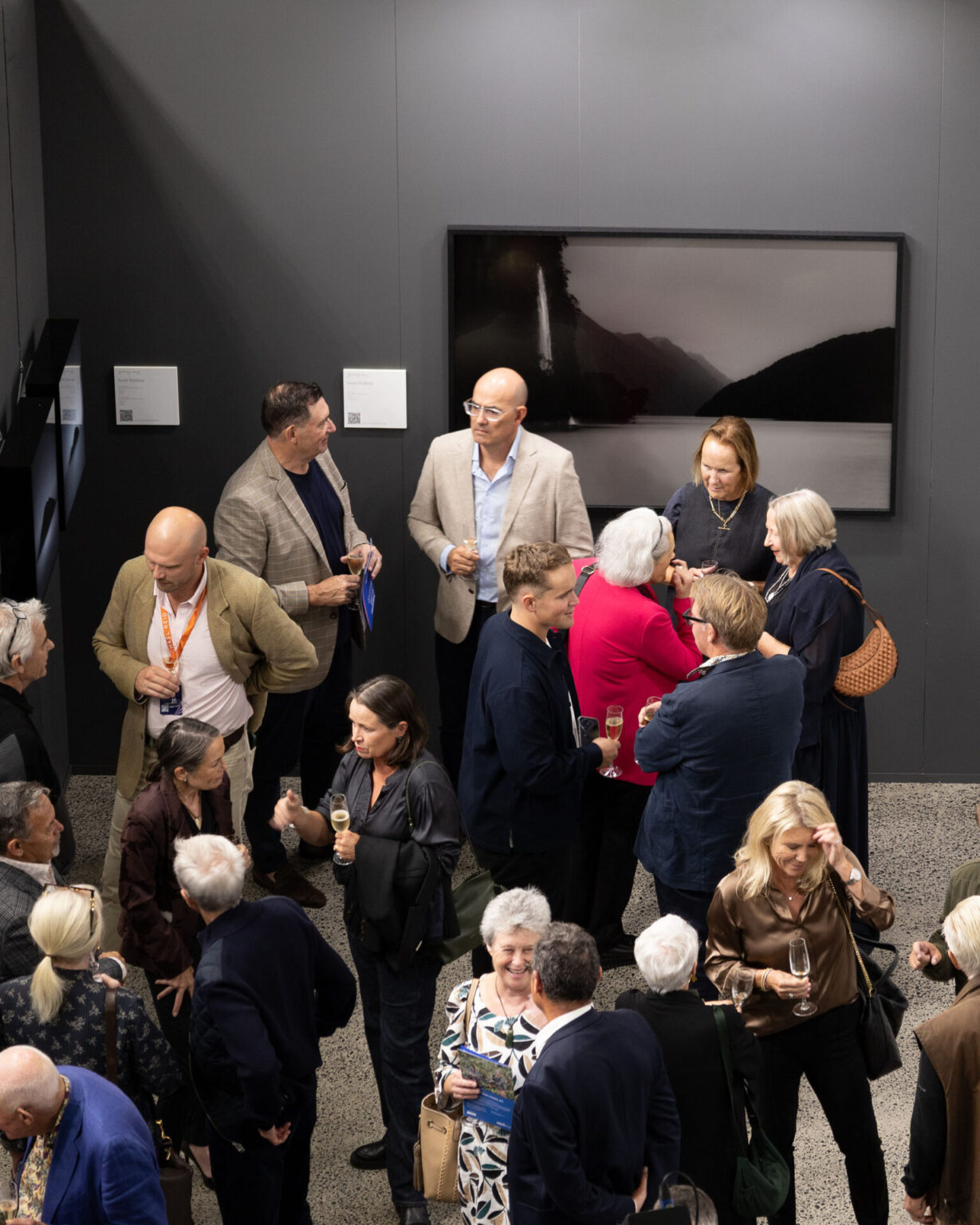
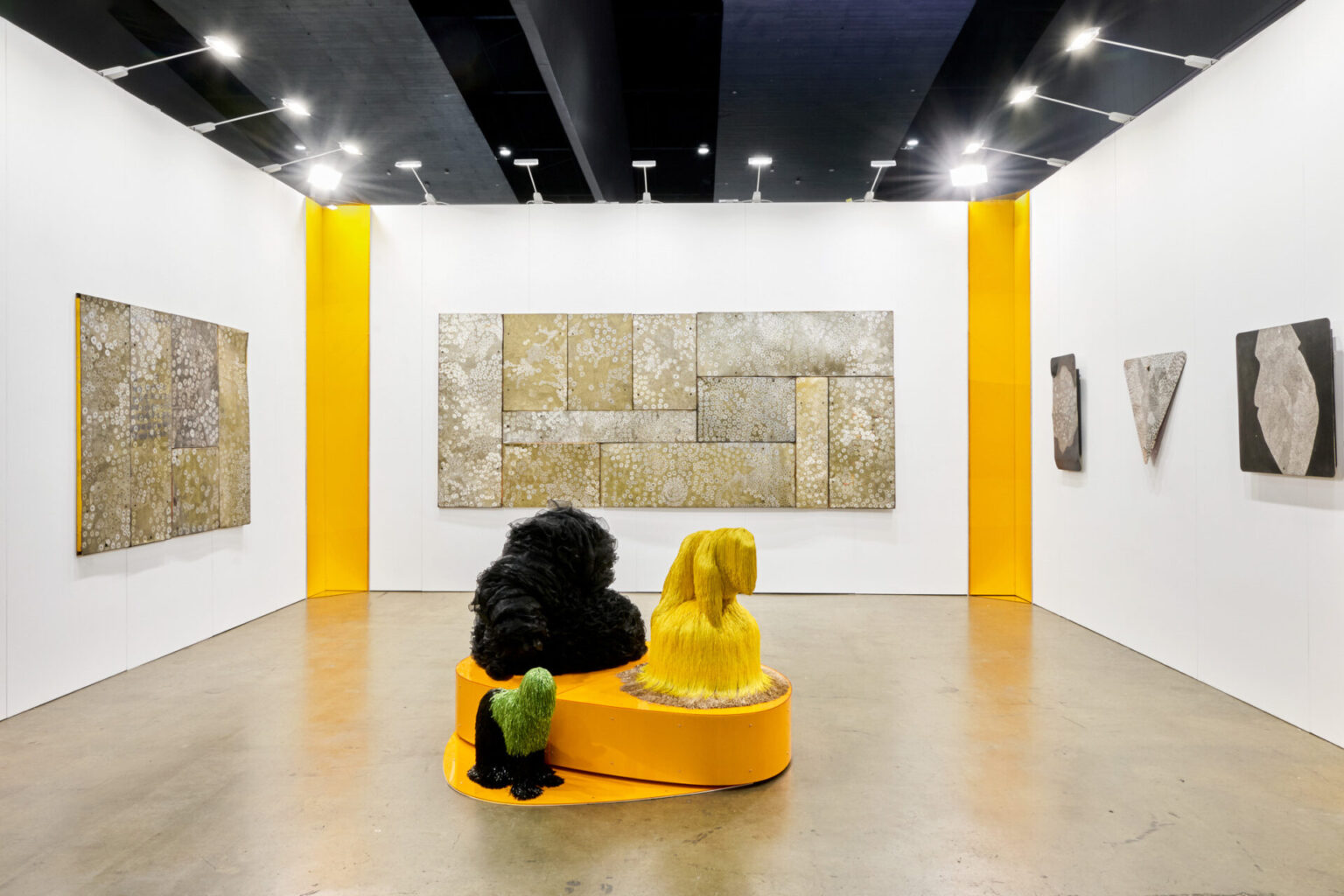
Traditionally – coming out of the summer holidays, with February being credit card debt and March being school fees hitting the inbox – the first quarter of any consumer’s calendar year is, to say the least, bumpy. In 2026, our first-half turnover was certainly boosted by our participation in both the Melbourne Art Fair in February and the Auckland Art Fair in early April. We had not exhibited at the Melbourne Art Fair for decades, and Auckland was our first. These two events added close to a million dollars in additional art sales.
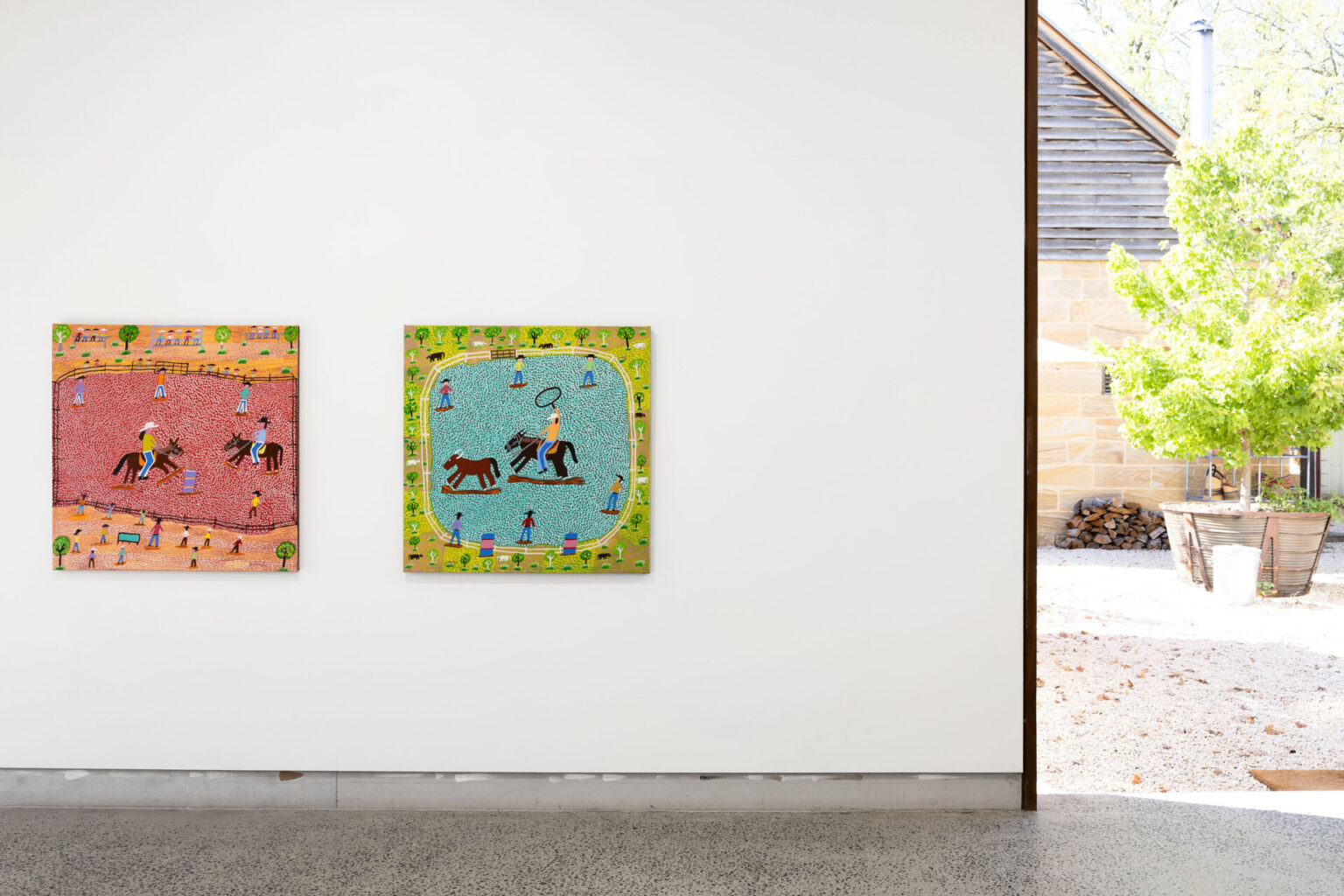
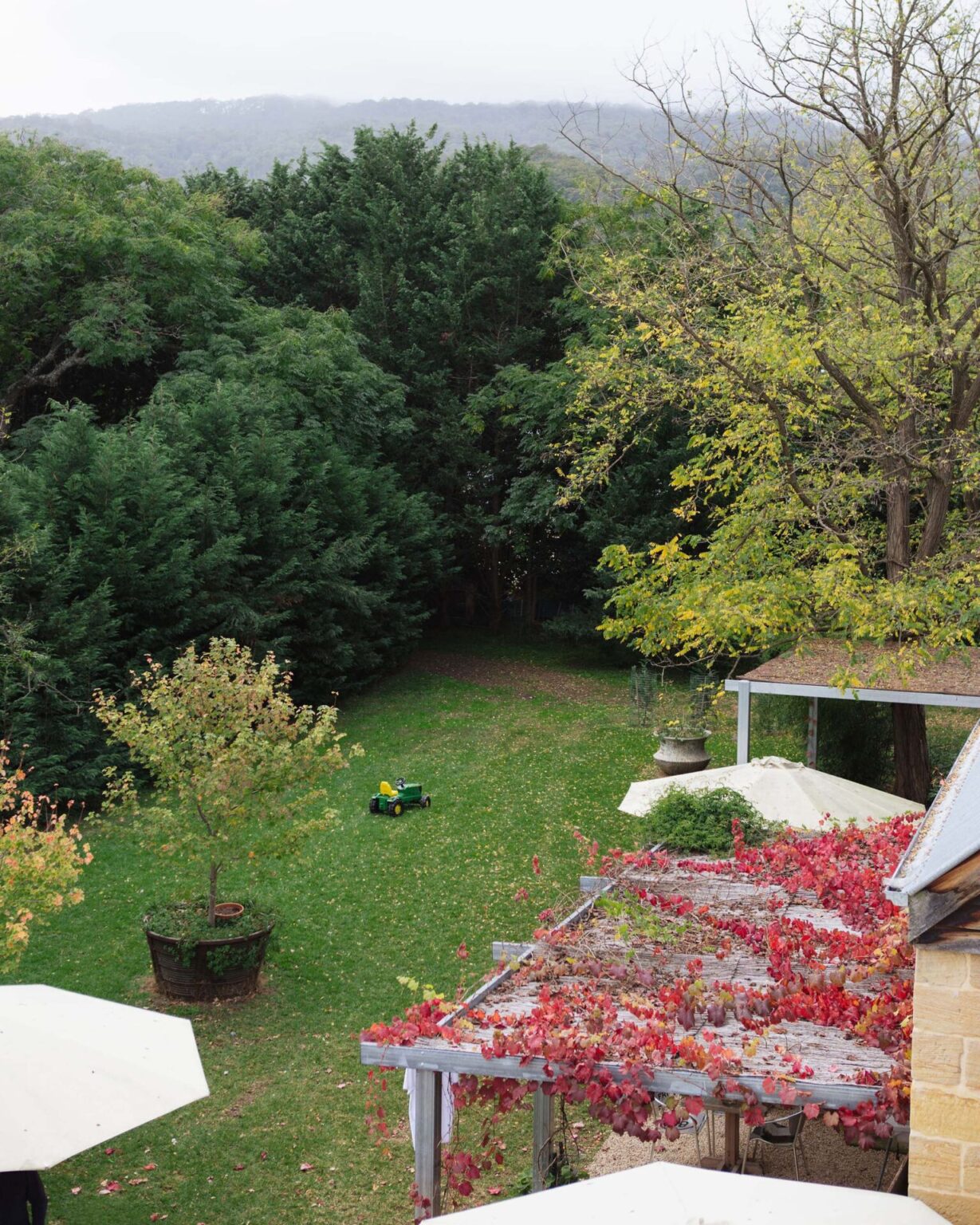
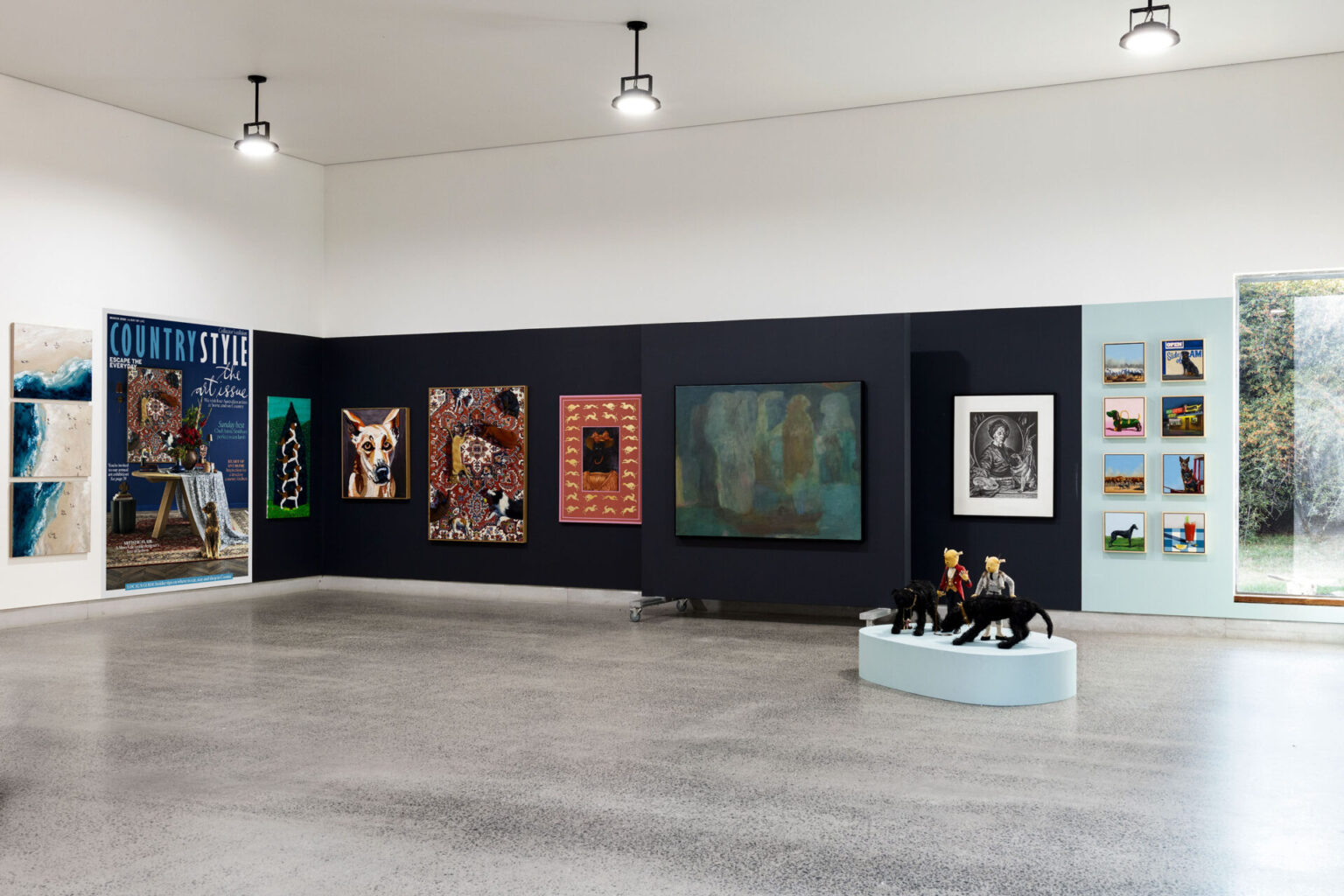
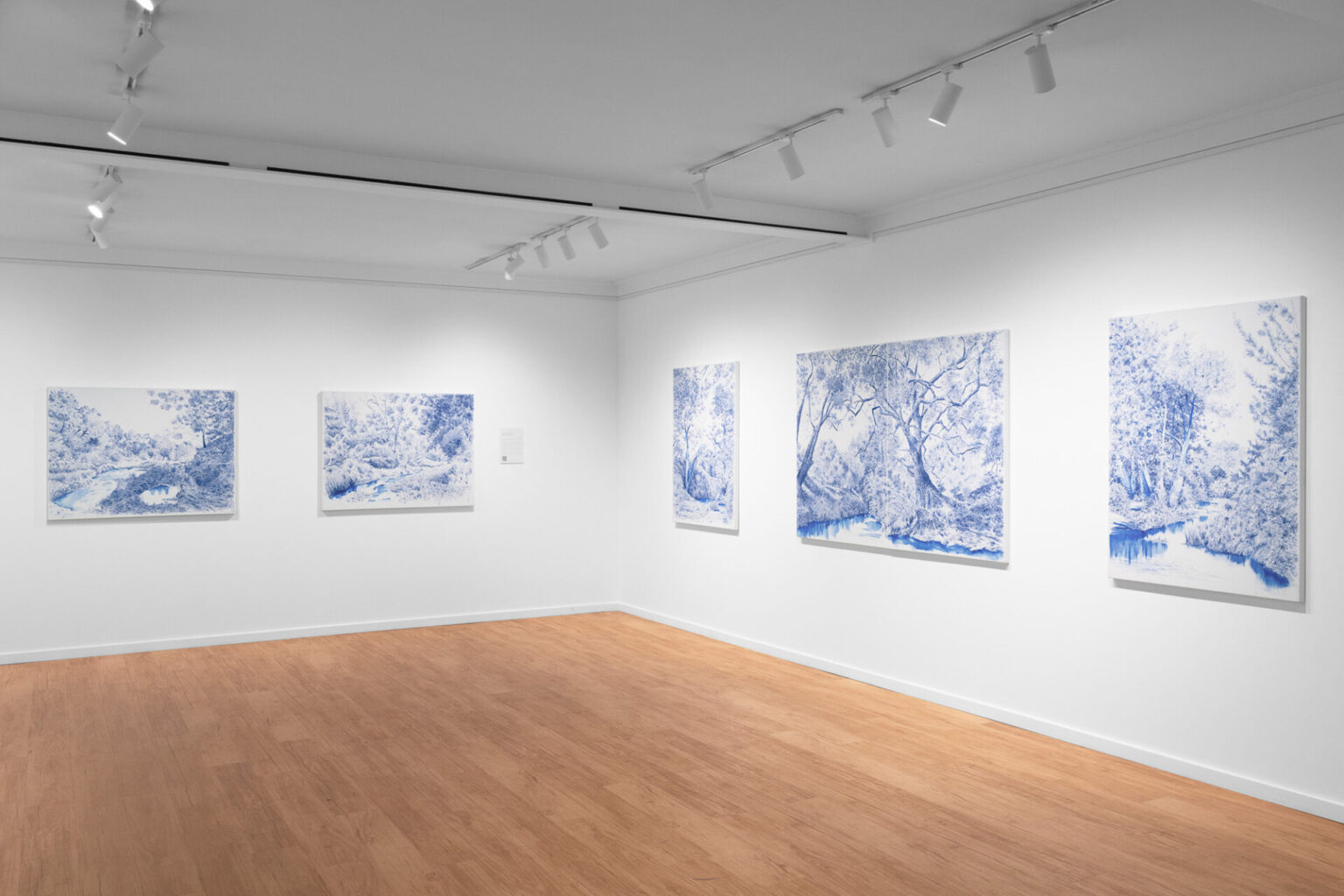
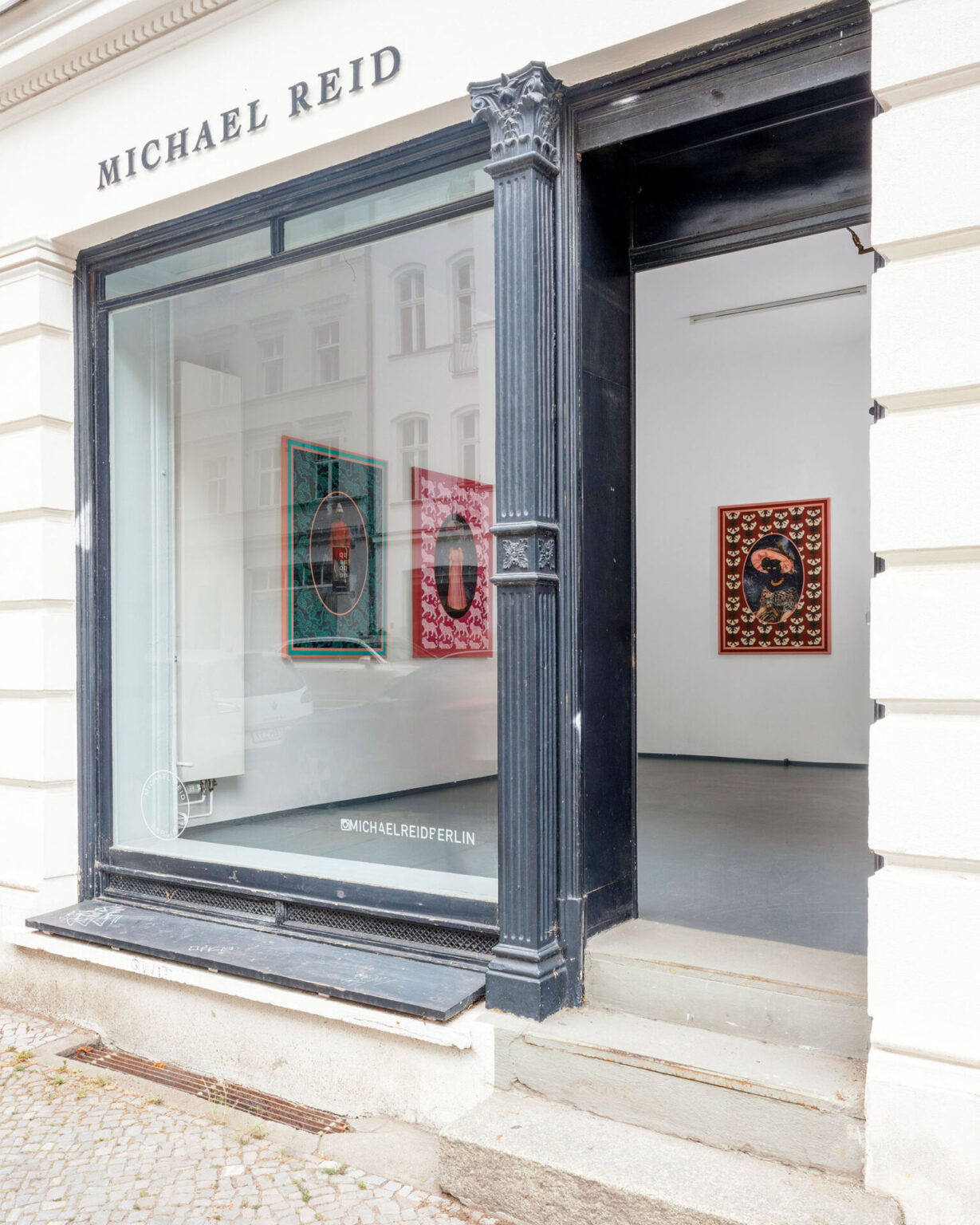
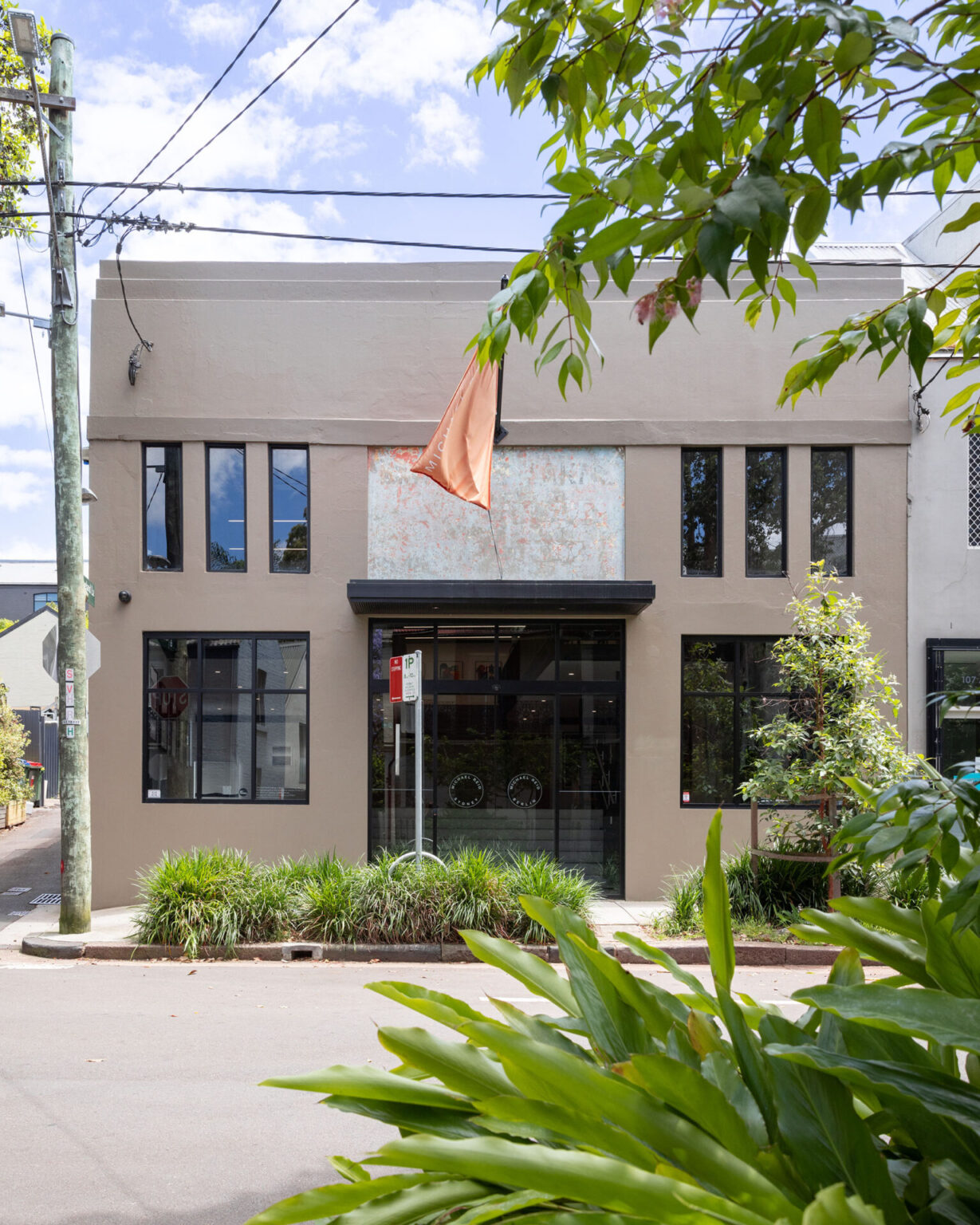
That said, the weekly numbers tell the more useful underlying story. At our Wednesday art sales meetings – where all five galleries and our online platforms report – the group averaged 13 per cent ahead of budget across the June quarter, with every gallery finishing above target. Tellingly, the regional galleries led the way: the Southern Highlands ran at 136 per cent of budget and Murrurundi at 118 per cent, outpacing both Sydney and Berlin.
Art selling remains gloriously uneven. Our strongest week ran at more than three times our quietest. But the financial year closed on one of the best sales weeks of the quarter, with a strong smattering of entirely sold-out exhibitions along the way.
Thirty years of gallery ownership gives you a certain seismological calm. I have sold art through the Asian Financial Crisis, the dot-com collapse, September 11, the Global Financial Crisis, the European sovereign debt crisis, the end of the mining boom, a pandemic that closed every gallery door in the country and the steepest run of interest rate rises in a generation. Each time, the market did not die. It went quiet, thought about what it actually valued and came back changed.
The incongruity is that this micro strength – my galleries’ – occurred in a world of war and geopolitical anxiety – Ukraine, the Middle East – with all the attendant pressure on energy, goods and transport. Such anxieties traditionally reach the art market as hesitation. Collectors keep considering, but the background noise weighs on their appetite to actually buy.
Why, then, did the galleries succeed against such headwinds?
Two reasons, and neither of them luck.
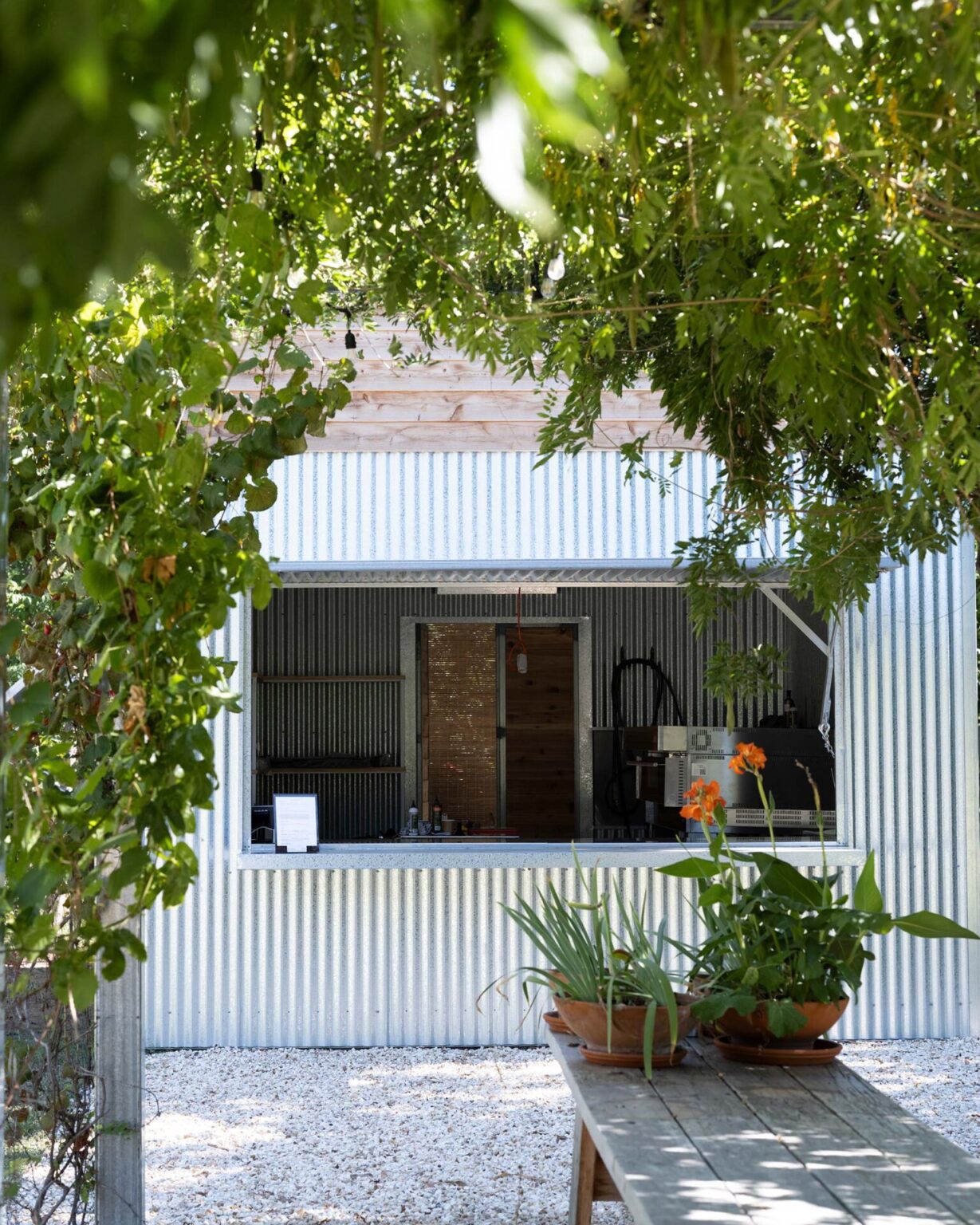
The first is diversification. Five galleries, two online platforms and a stand-alone retail, food and beverage operation in Murrurundi – spread across both global hemispheres – do not rise and fall together. When one market pauses for breath, another inhales. A single room in a single city offering up artworks is a bet on one economy. A network of geographically and commercially diverse creative businesses is a portfolio. It took me thirty years to understand this properly; the past six months have been the proof.
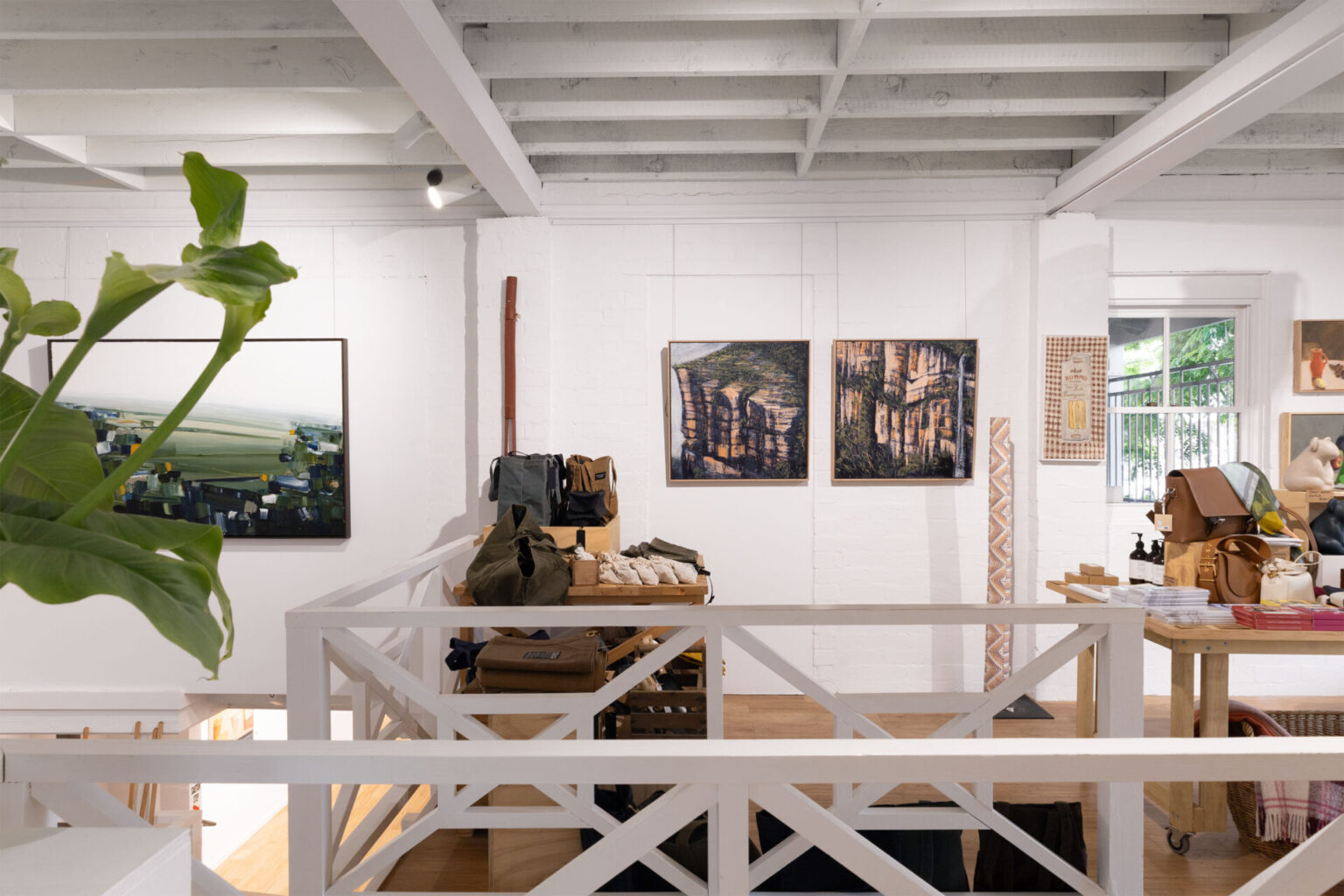
The second reason will surprise nobody who has ever heard me bang on about the opportunity that is regional Australia. Our country galleries did not merely weather the anxieties of the moment; they led the group against budget. I have a theory about this, and I’m sticking to it: regional collectors live closer to the actual economy – land, weather, livestock, mining, community – and are consequently harder to rattle with the increasingly shock-jock nightly news. They considered. And then, unlike so many of their city cousins, they acquired art.
All of which is the surface of the market.
What interests me, at this mid-point in the year and decade, is what moves beneath it.
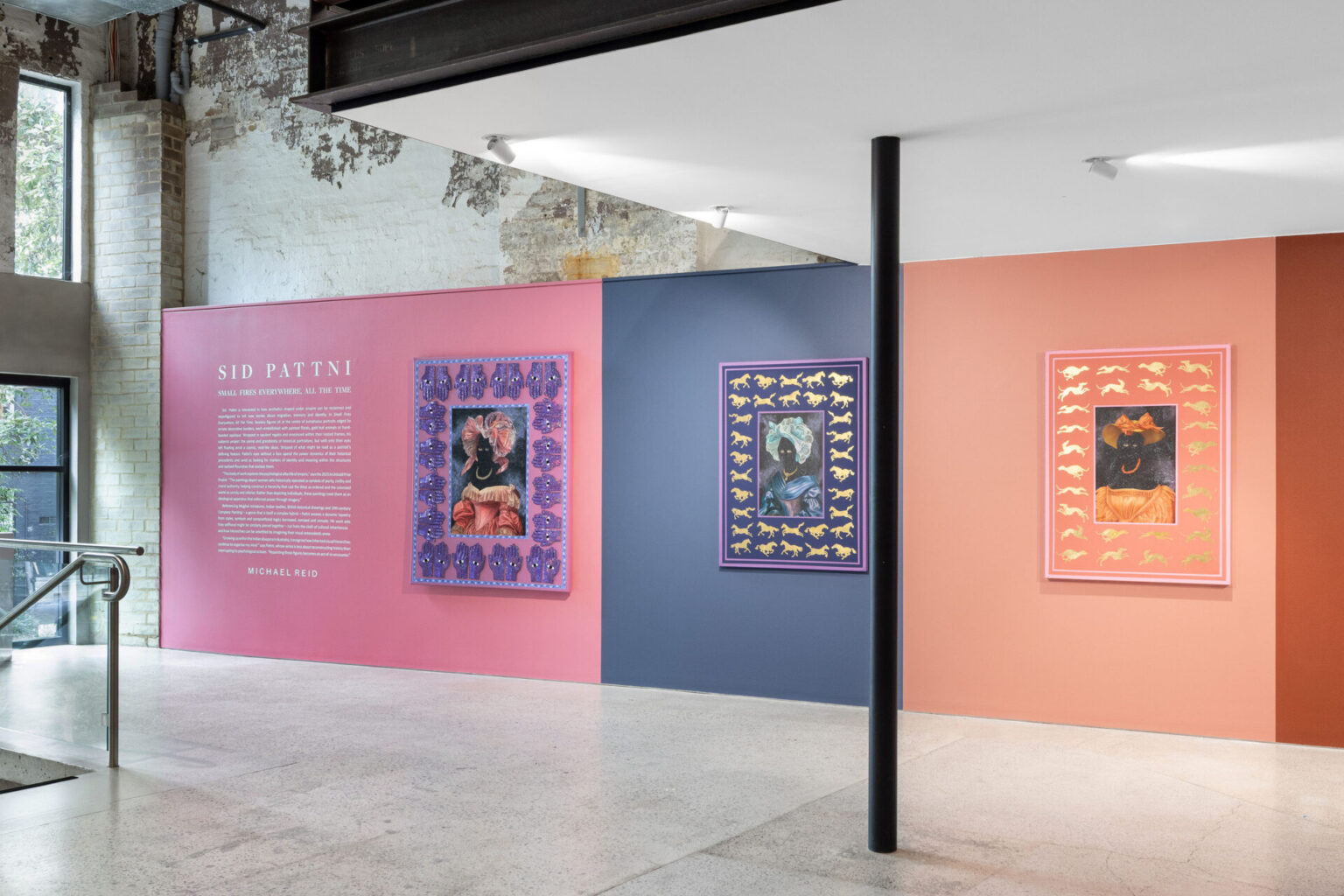
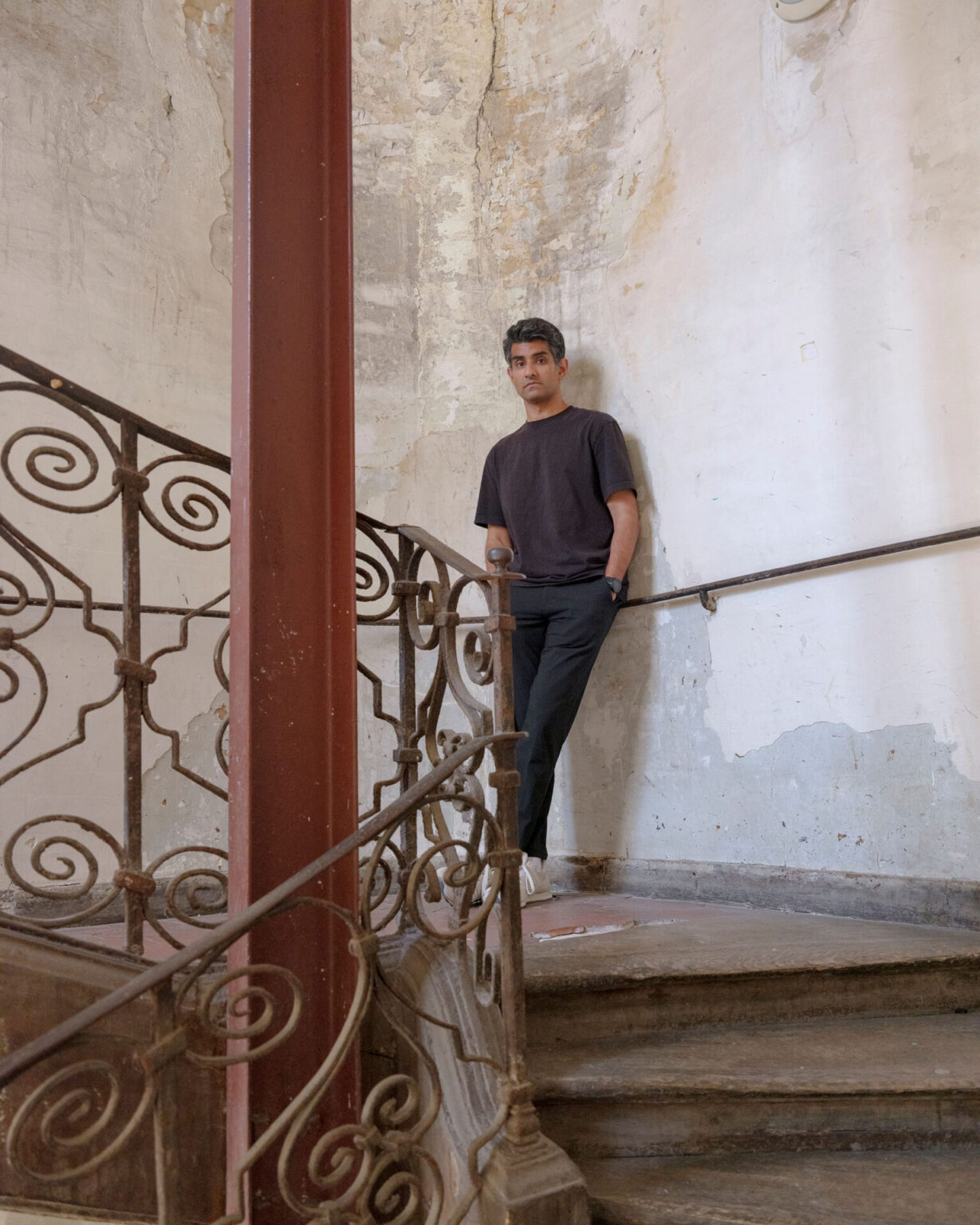
Start with who we are becoming. The Indian-born population is now Australia’s largest overseas-born community – 971,020 people as at June 2025, overtaking the English-born for the first time on record. Gymkhana, pyjama, bungalow, shampoo, cot, loot, jungle, khaki, cushy: Hindi words that have inveigled their way into the English language over centuries. Our relationship in Australia with the Indian community is as old as colonisation. However, a profound jump over recent years in Indian migration is culturally shaping the nation now – and happening faster than the art world expects.
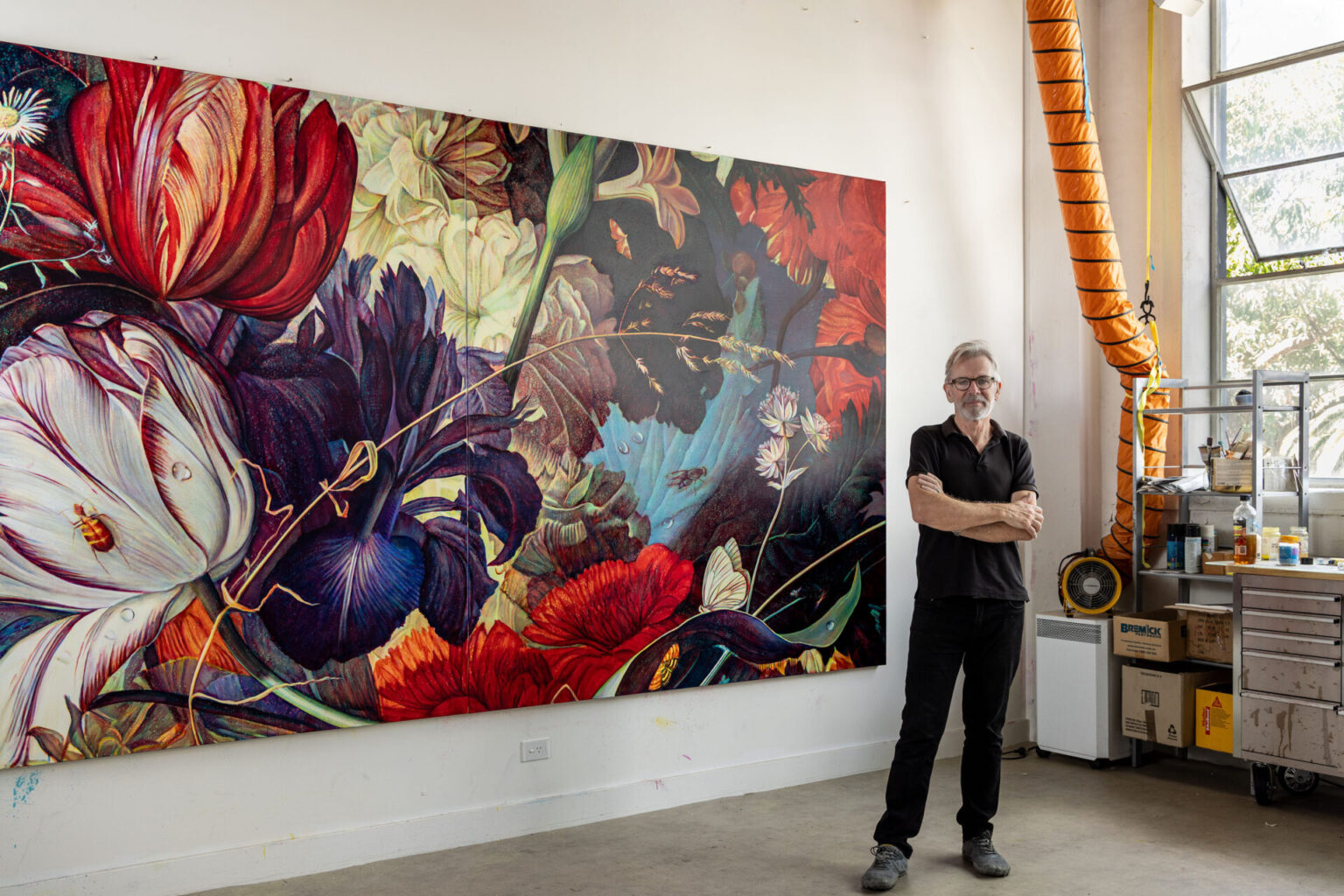
I say: look very closely at the paintings of Sid Pattni.
Then there is the machine in your pocket. The smartphone has made everyone a photographer – billions of images made daily, almost none of them printed, fewer still properly considered. The great surprise is that this torrent has not drowned the photography market; it has clarified and amplified it. The editioned, printed, intended photograph has never stood more distinct from the flood, nor been more valued for standing apart from it. It is hardly a surprise, then, that approximately half of the Sydney gallery’s artists are photographers.
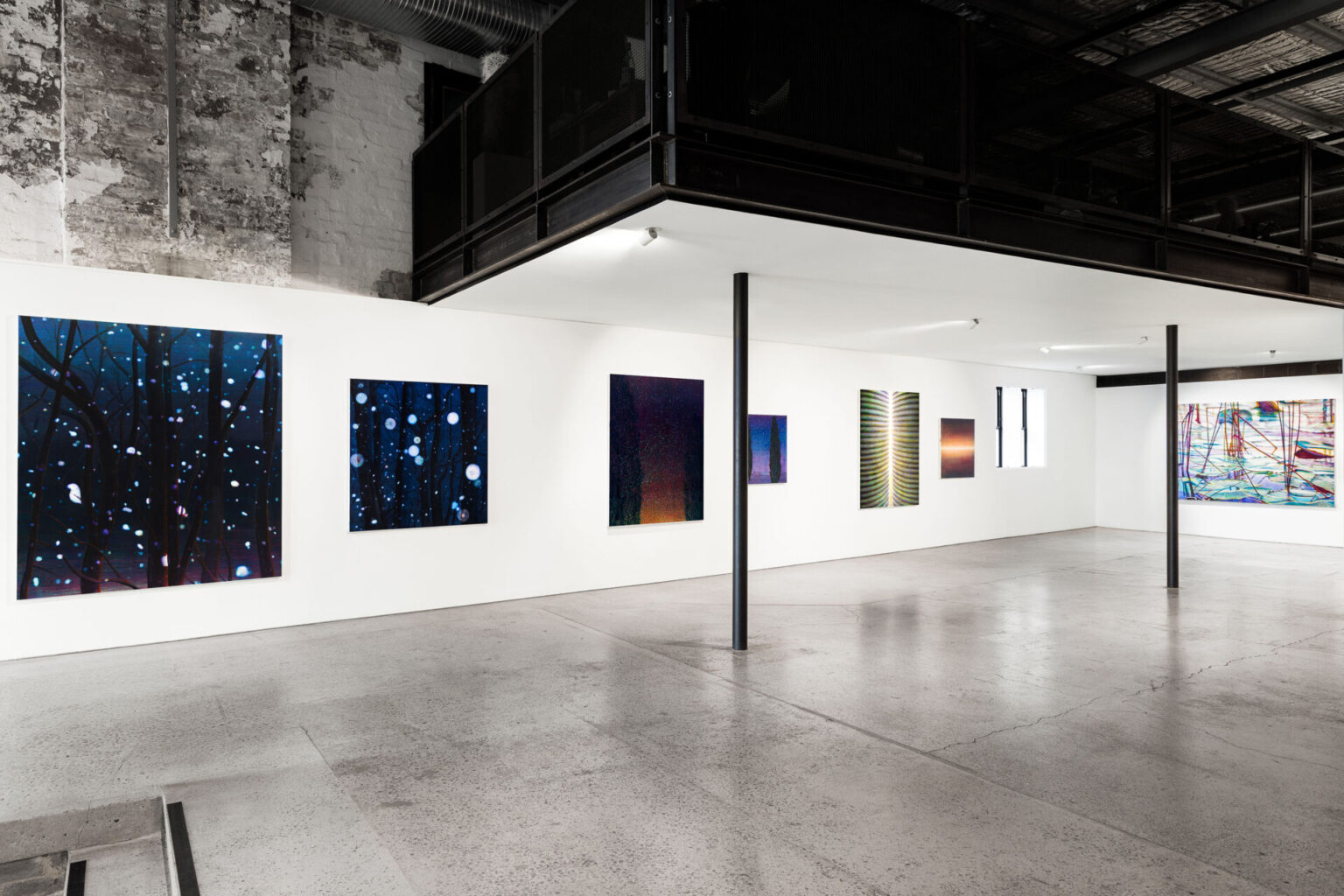
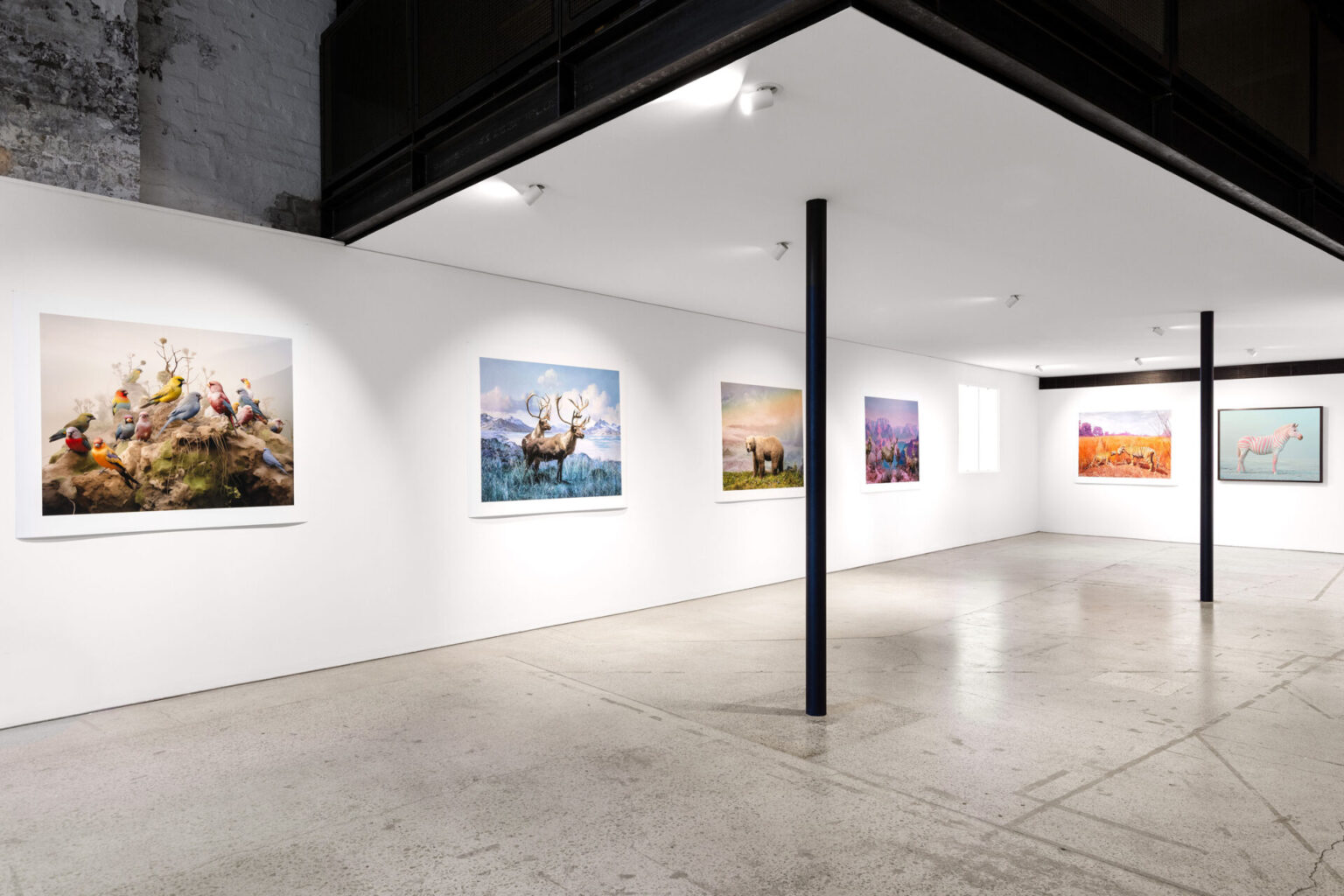
And behind the smartphone, accelerating, comes Artificial Intelligence. The economy will largely misunderstand this surge well before it gets its lightbulb moment. Economists almost always do. The art market got NFTs spectacularly wrong, confusing a certificate of ownership with a work of art worth acquiring, and a speculative bubble with a directional movement. The lesson, freshly relevant, is simple: it is never the tool that matters. It is the intention behind the tool.
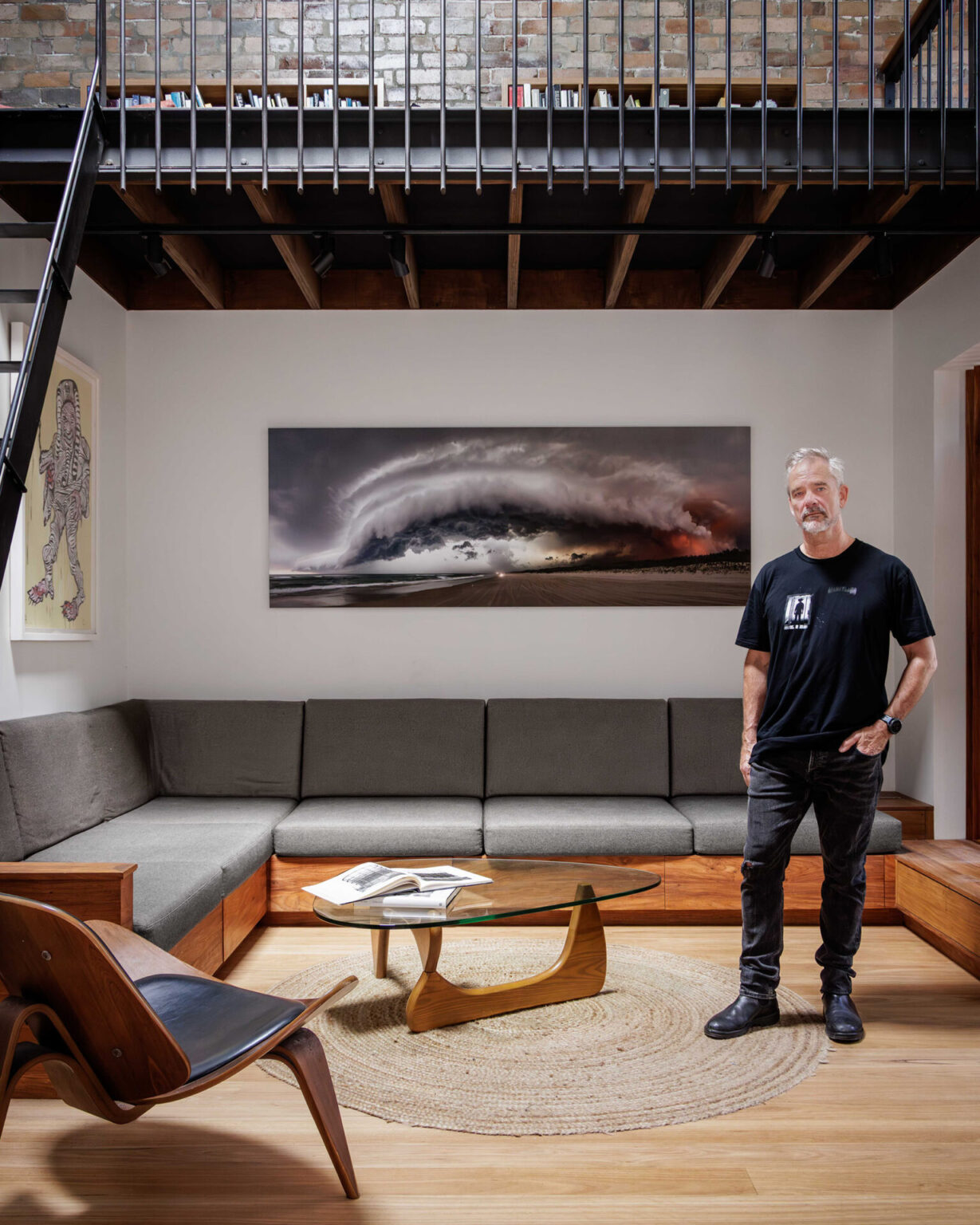
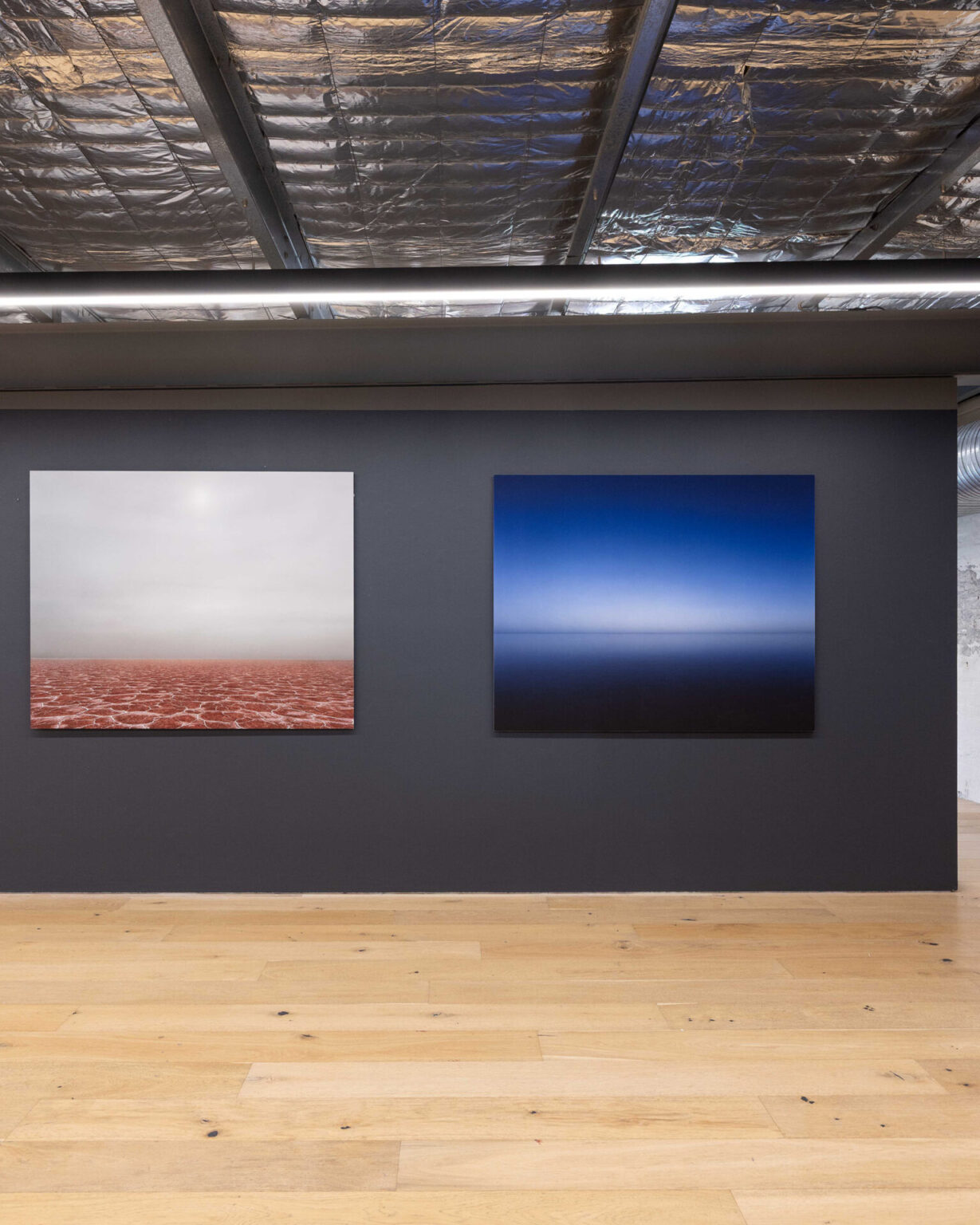
Jim Naughten’s Biophilia shows what an artist can do with AI – technology placed wholly in the service of a singular artistic vision, rather than offered as the be-all and end-all of one.
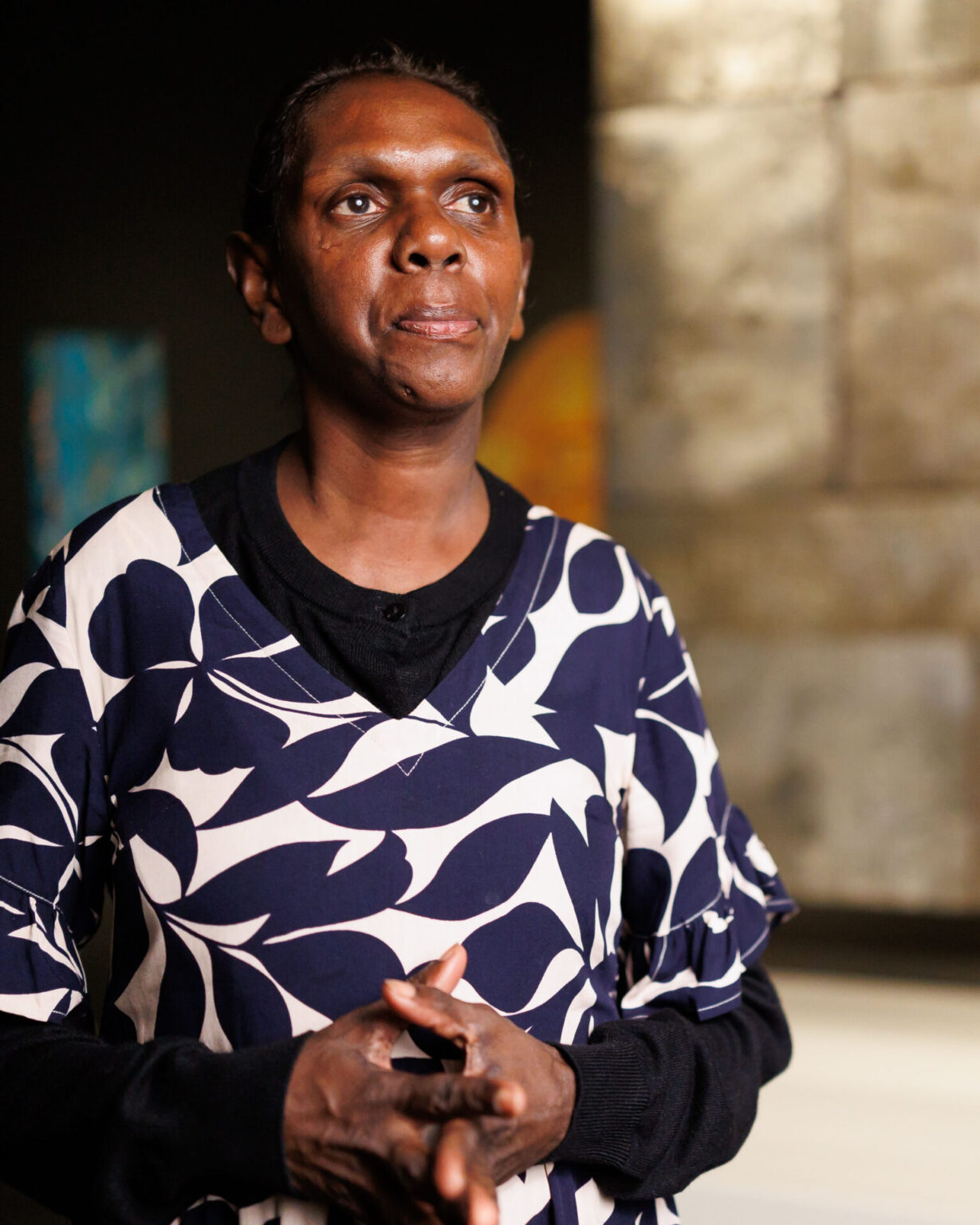
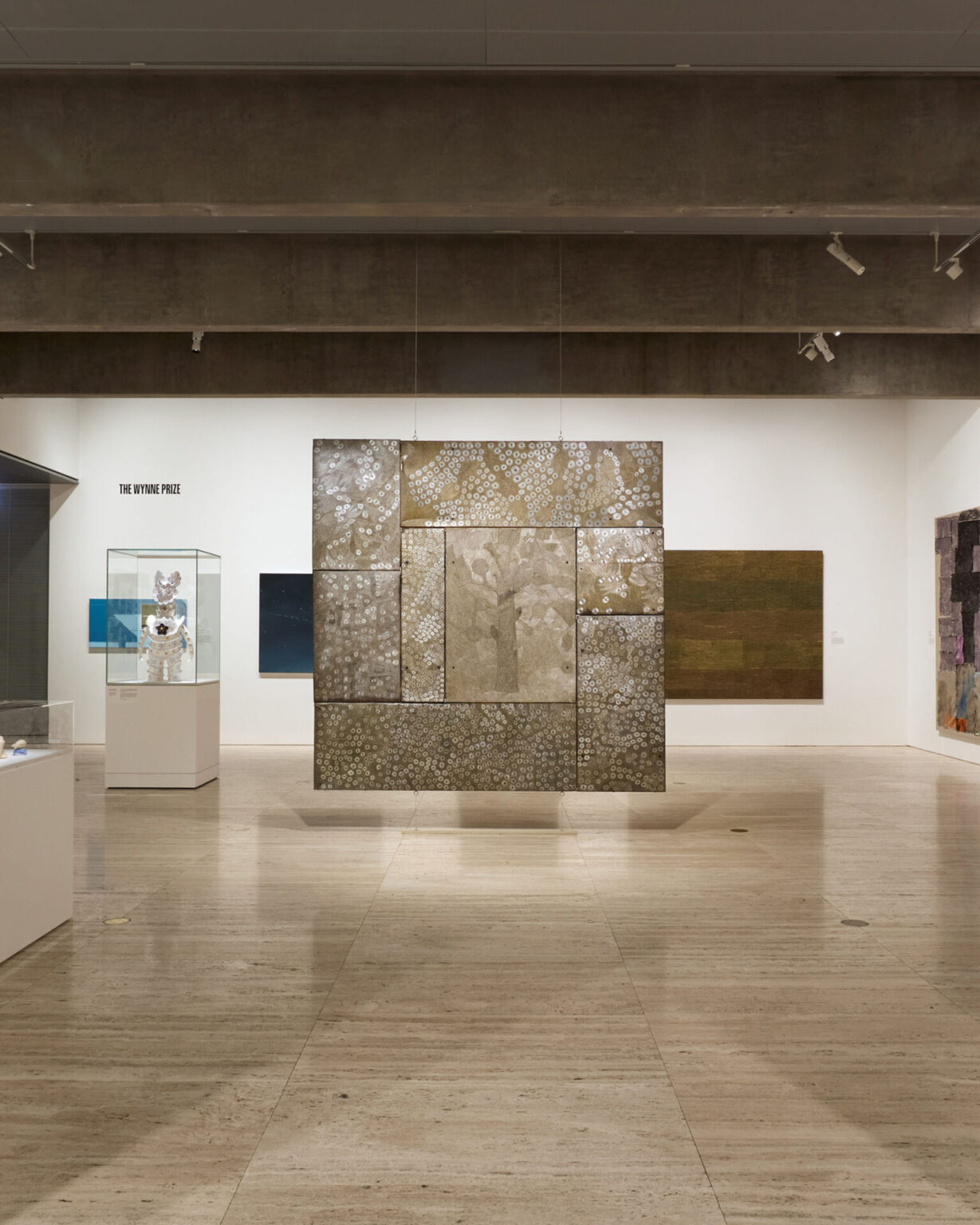
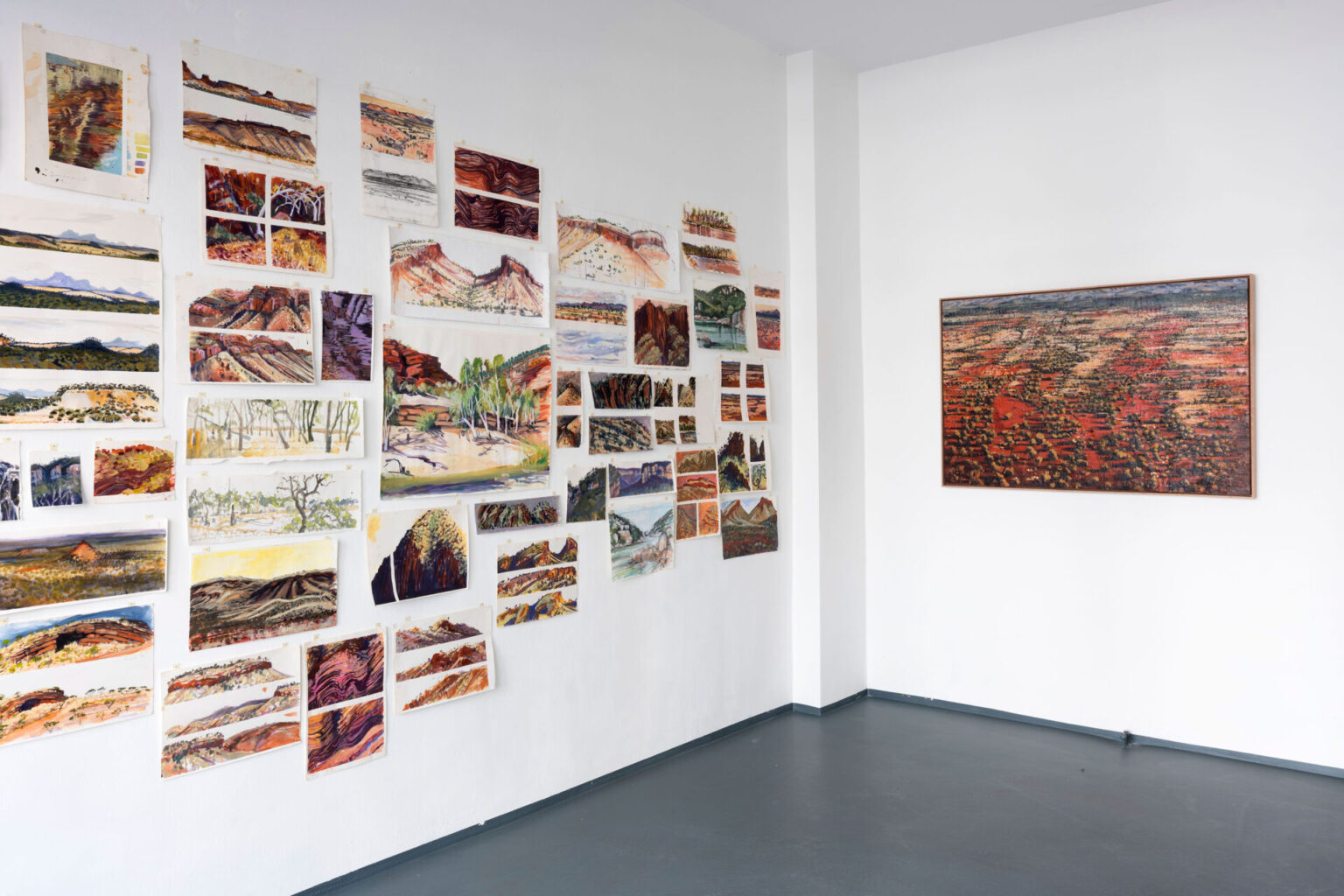
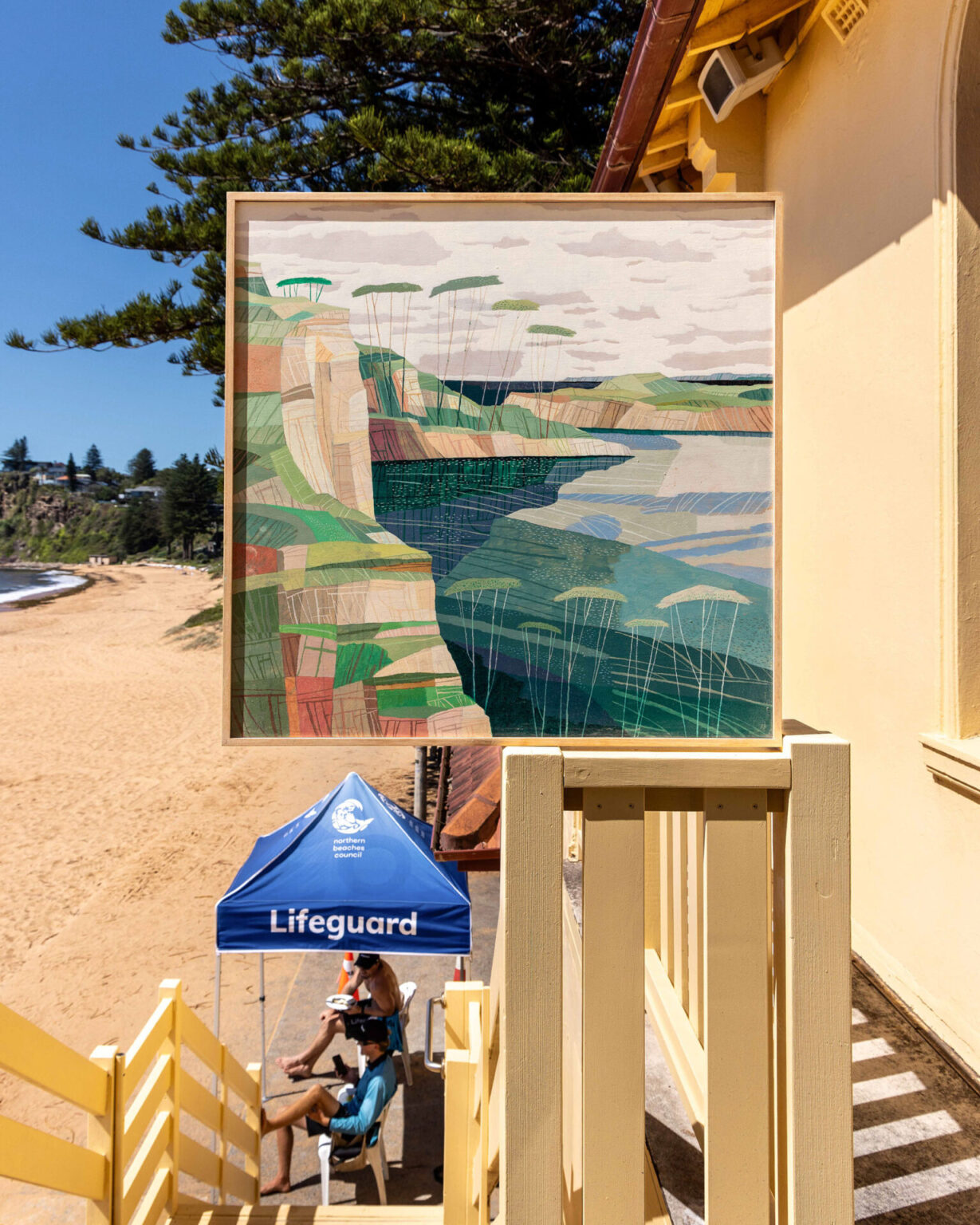
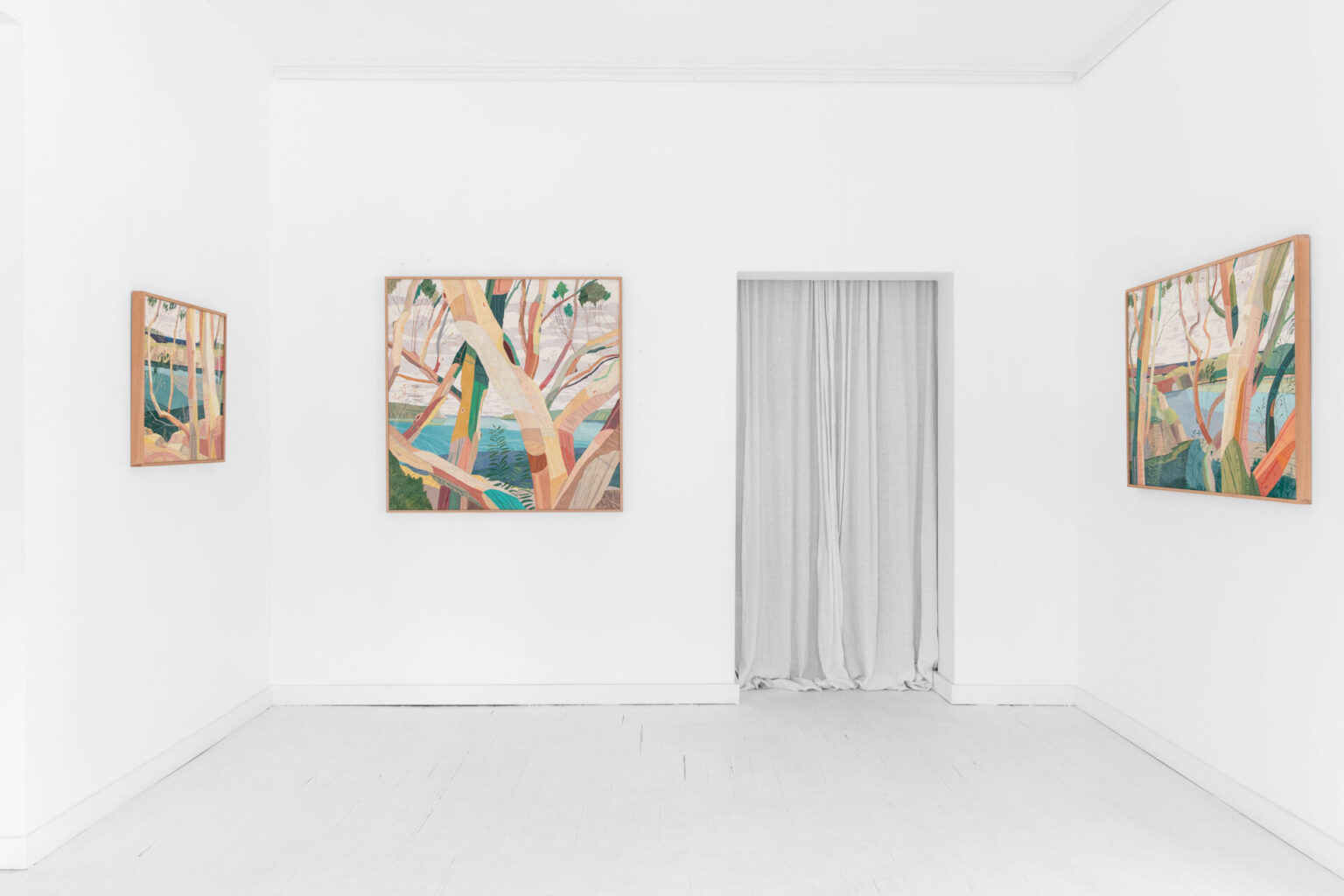
Meanwhile, in the oldest continuous art tradition on earth, something material is shifting. Gaypalani Waṉambi’s Wynne Prize and Telstra NATSIAA wins are triumphs for one artist of rare gifts, but they also mark a broader turn in First Nations art, as artists move beyond inherited conventions and older materials – bark, wood and weavings – into new surfaces, new materials and new forms. The art market has noticed Gaypalani’s metalwork. The art museums, domestic and international, are following.
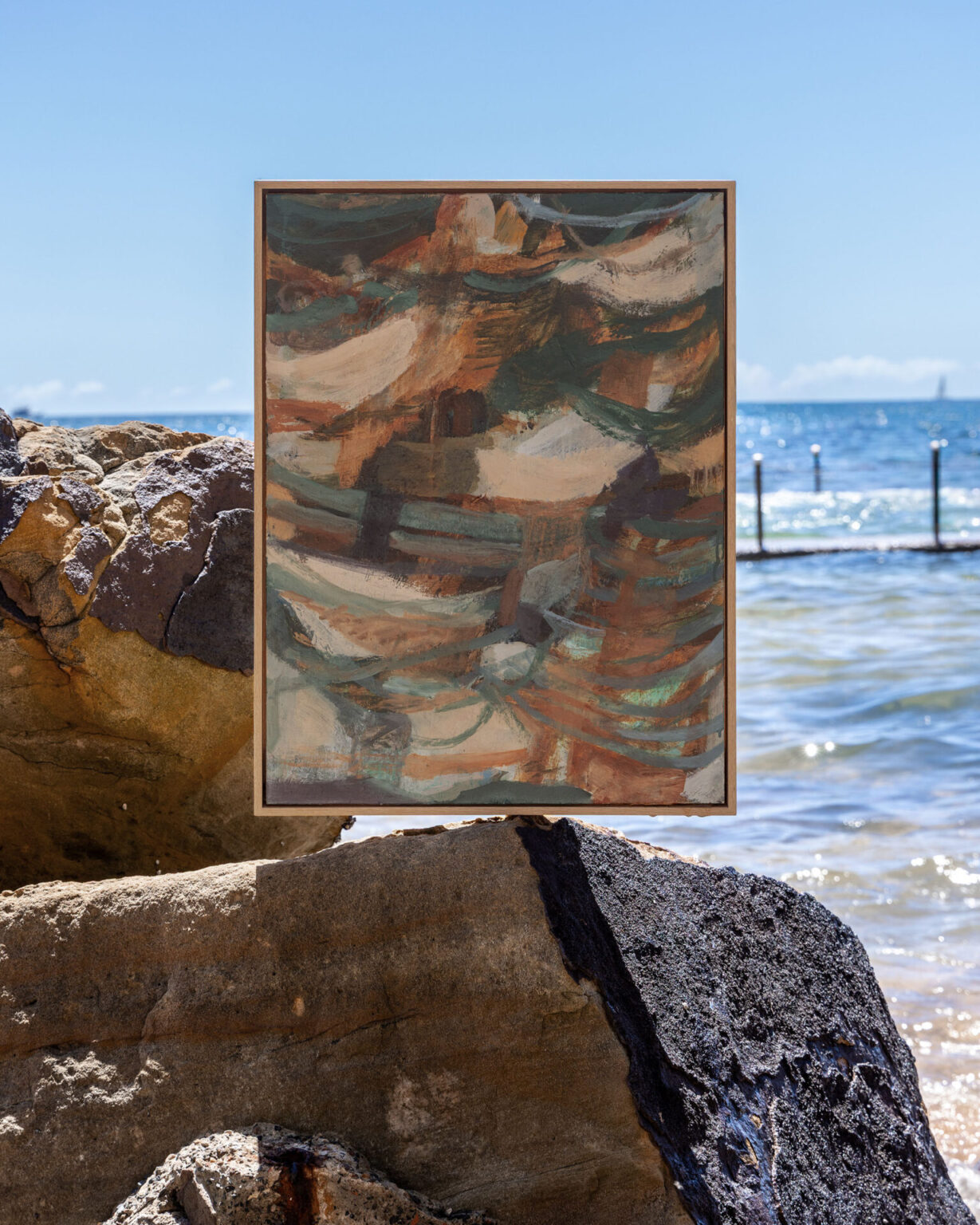
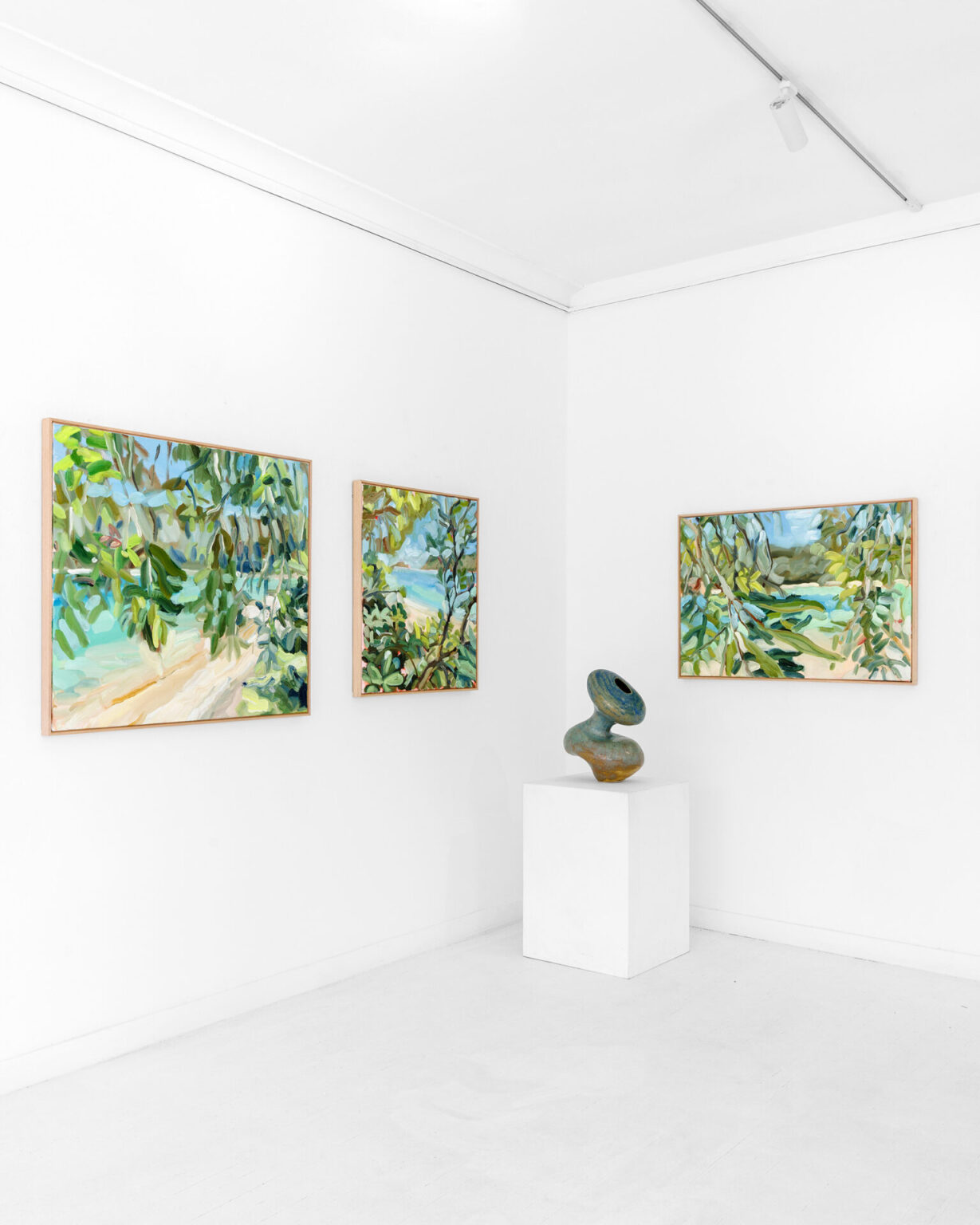
And beneath all of it runs the money.
One of the largest intergenerational transfers of wealth in history is now underway – and not always tidily. Some fortunes now skip a generation entirely, passing from grandparent to grandchild. The next generation does not collect the way its parents did. They discover digitally. They care little for artist signatures-as-trophy and are quietly suspicious of the very institutions that mint them.
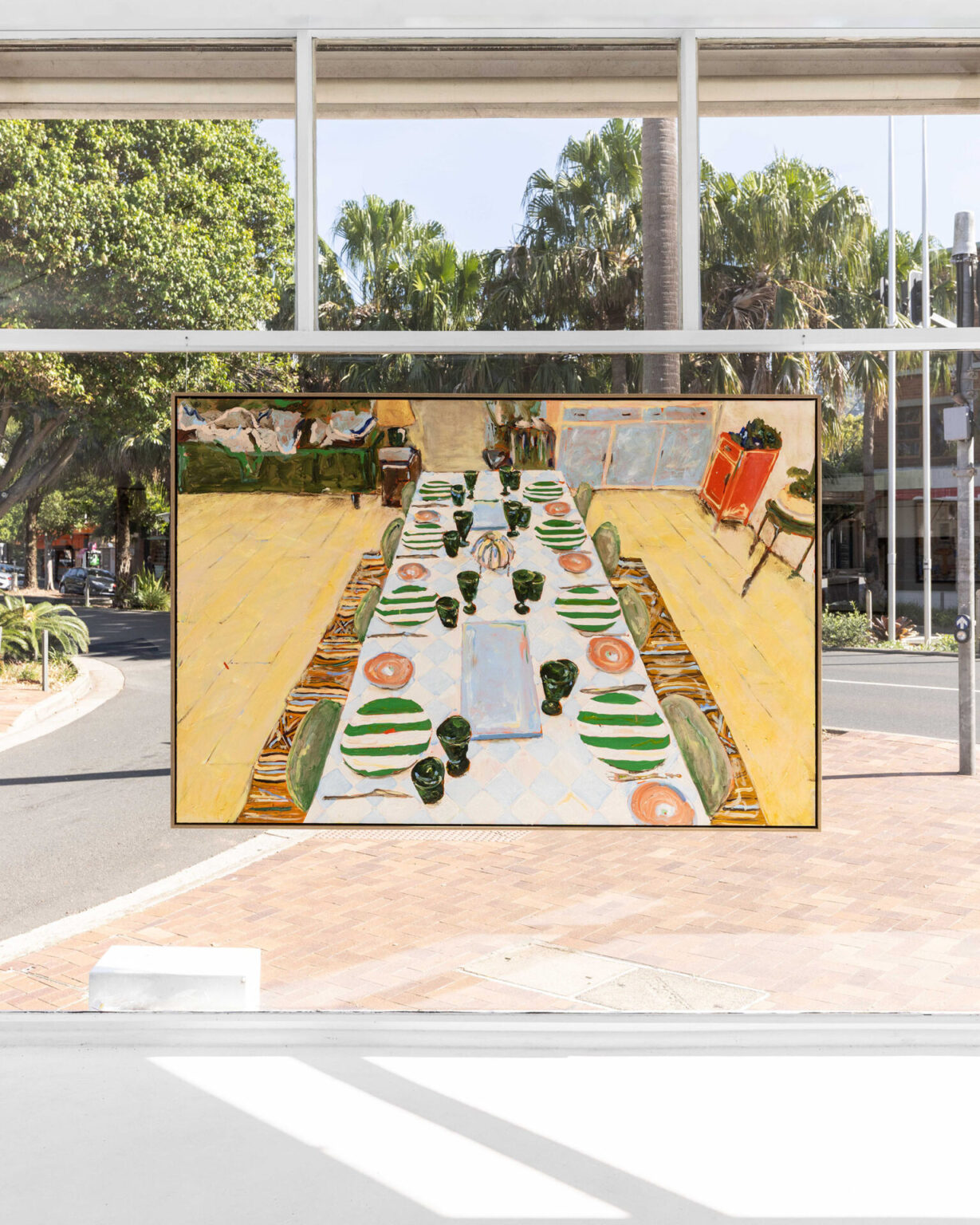
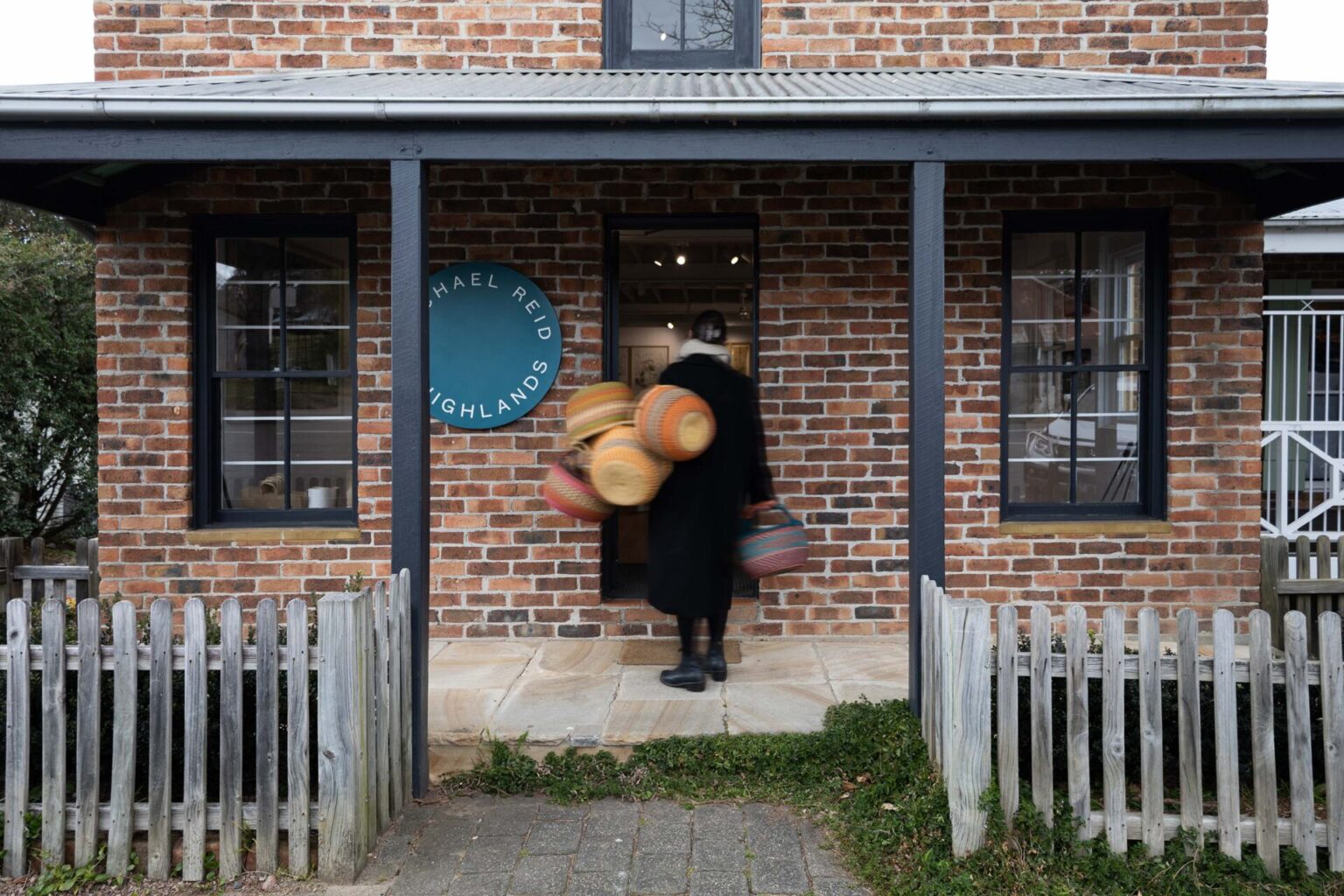
Loyalty, it turns out, is not heritable. In wealth management, heirs are already firing their parents’ advisers; there is no reason to believe they will not also quietly drop their parents’ galleries. The galleries built to serve the last generation of collectors will not automatically inherit the next. Who does? That, more than any war, fair, interest rate or quarterly result, is the question the Australian art market should be asking itself this financial year.
Michael Reid OAM


- XXXVIII LA Story by Michael Reid OAM April 2024
- LIV A Network is a Portfolio: Mid-Year Notes on the Art Market July 2026
- LIII Building an AI-Ready Gallery: Part 1 July 2026
- LII David Darcy May 2026
- LI Shinola March 2026
- L The Art of Jim Naughten & A Brave New World March 2026
- XLIX Paddy’s Cottage November 2025
- XLVIII Washington DC by Michael Reid OAM November 2025
- XLVII The Outdoor Fireplace at Murrurundi by Michael Reid OAM October 2025
- XLVI Amelia Zander of Zander & Co. July 2025
- XLV Marlie Draught Horse Stud by Michael Sharp June 2025
- XLIV Trump Engulfed the Fires by Michael Reid OAM February 2025
- XLIII Newcastle by Jason Mowen October 2024
- XLII The Business of Gardening by Michael Reid OAM September 2024
- XLI Carly Le Cerf by Sarah Hetherington August 2024
- XL Pecora Dairy by Michael Sharp July 2024
- XXXIX Joseph McGlennon by Michael Reid OAM May 2024
- XXXVII Julz Beresford by Michael Sharp March 2024
- XXXVI Sydney Contemporary by Jason Mowen February 2024
- XXXV The US of A by Michael Reid OAM December 2023
- XXXIV Scone Grammar School’s principal Paul Smart by Victoria Carey November 2023
- XXXIII AgQuip by Jason Mowen October 2023
- XXXII Tinagroo Stock Horse’s Jill Macintyre by Victoria Carey September 2023
- XXXI The Old Gundy School House by Victoria Carey August 2023
- XXX Annette English by Victoria Carey July 2023
- XXIX The Ghan by Jason Mowen June 2023
- XXVIII All in the family: The Arnotts May 2023
- XXVII A Capital Plan by Jason Mowen March 2023
- XXVI Mandy Archibald March 2023
- XXV Paul West February 2023
- XXIV The Other Newcastle by Jason Mowen January 2023
- XXIII Mount Woolooma Glasshouse at Belltrees December 2022
- XXII Murrurundi to Matino: with Jason Mowen November 2022
- XXI James Stokes October 2022
- XX Adelaide Bragg September 2022
- XIX Tamara Dean August 2022
- XVIII Going home: Angus Street July 2022
- XVII Belltrees Public School June 2022
- XVI A Road Trip on the New England Highway May 2022
- XV David and Jennifer Bettington: from horses to houses April 2022
- XIV Denise Faulkner: Art of the Garden March 2022
- XIII Childhood memories: Willa Arantz February 2022
- XII Riding ahead: Giddiup January 2022
- XI Ingrid Weir’s rural life December 2021
- X Life by design: William Zuccon November 2021
- IX Life on the land: The Whites October 2021
- VIII Goonoo Goonoo Station September 2021
- VII Murrurundi: a garden playground August 2021
- VI Pat’s Kitchen July 2021
- V A creative life: Charlotte Drake-Brockman June 2021
- IV Magpie Gin May 2021
- III The Cottage, Scone April 2021
- II At home with Jason Mowen March 2021
- I A town that performs February 2021
