Archive for the ‘Argus’ Category

Paddy’s Cottage

Posted by

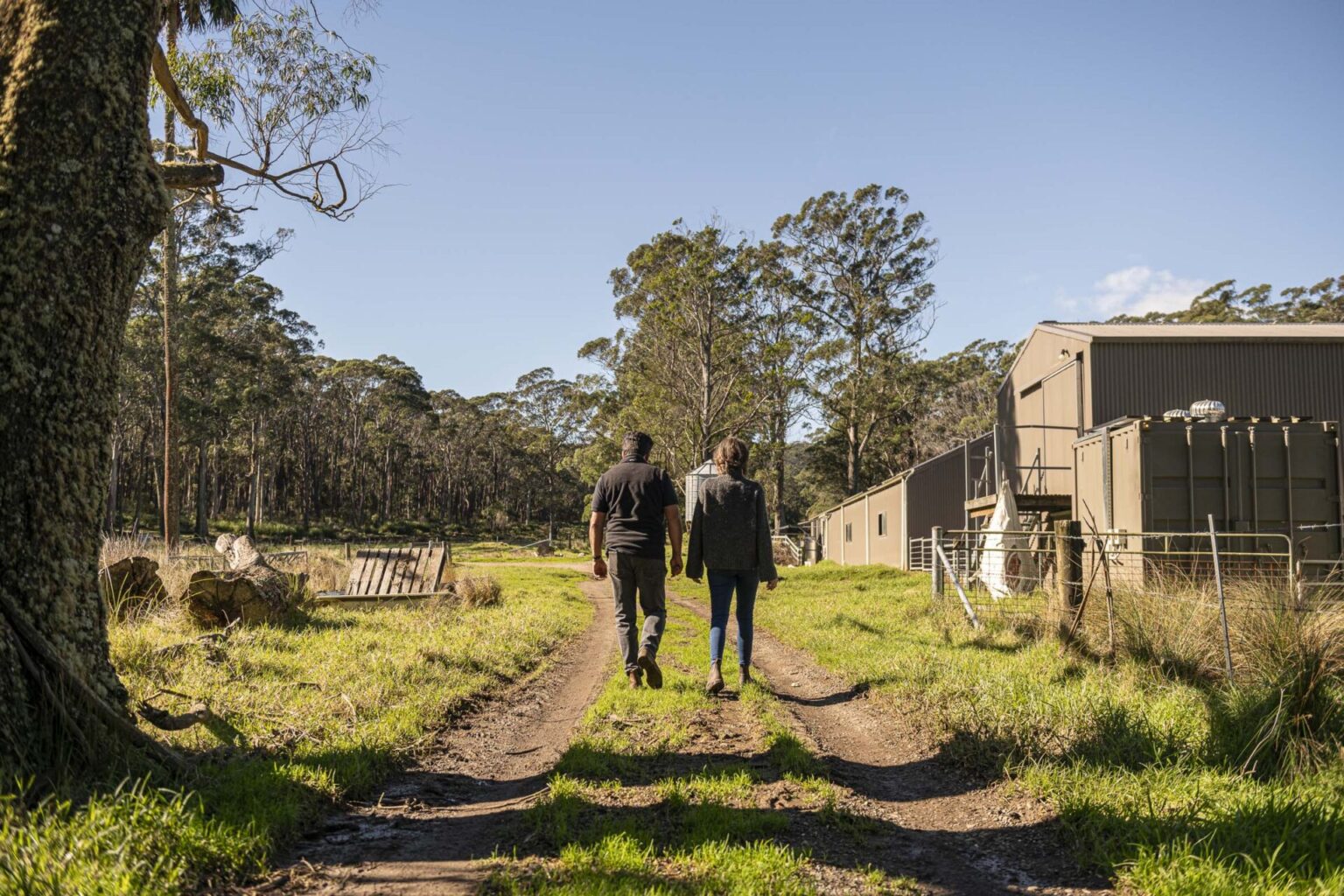
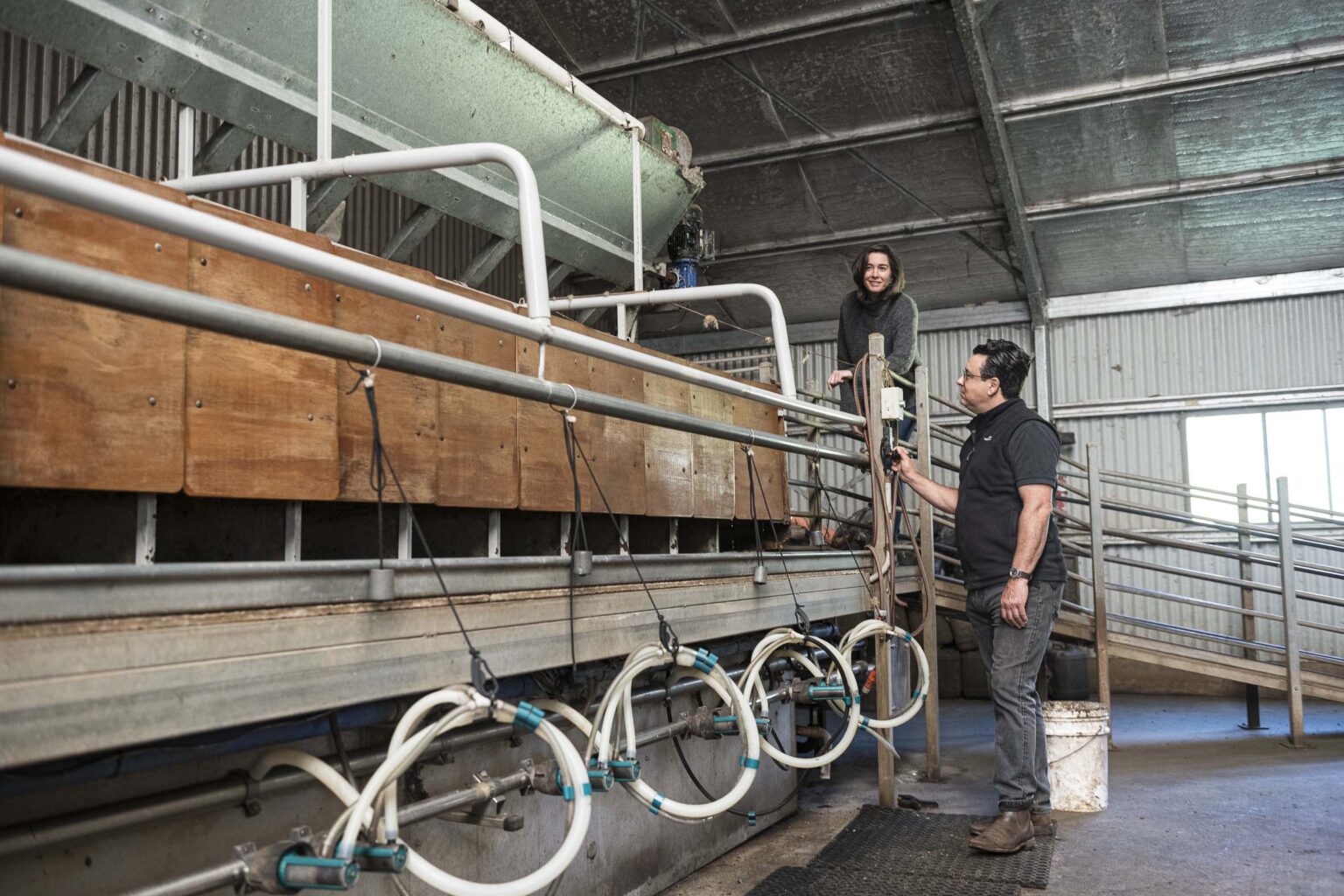
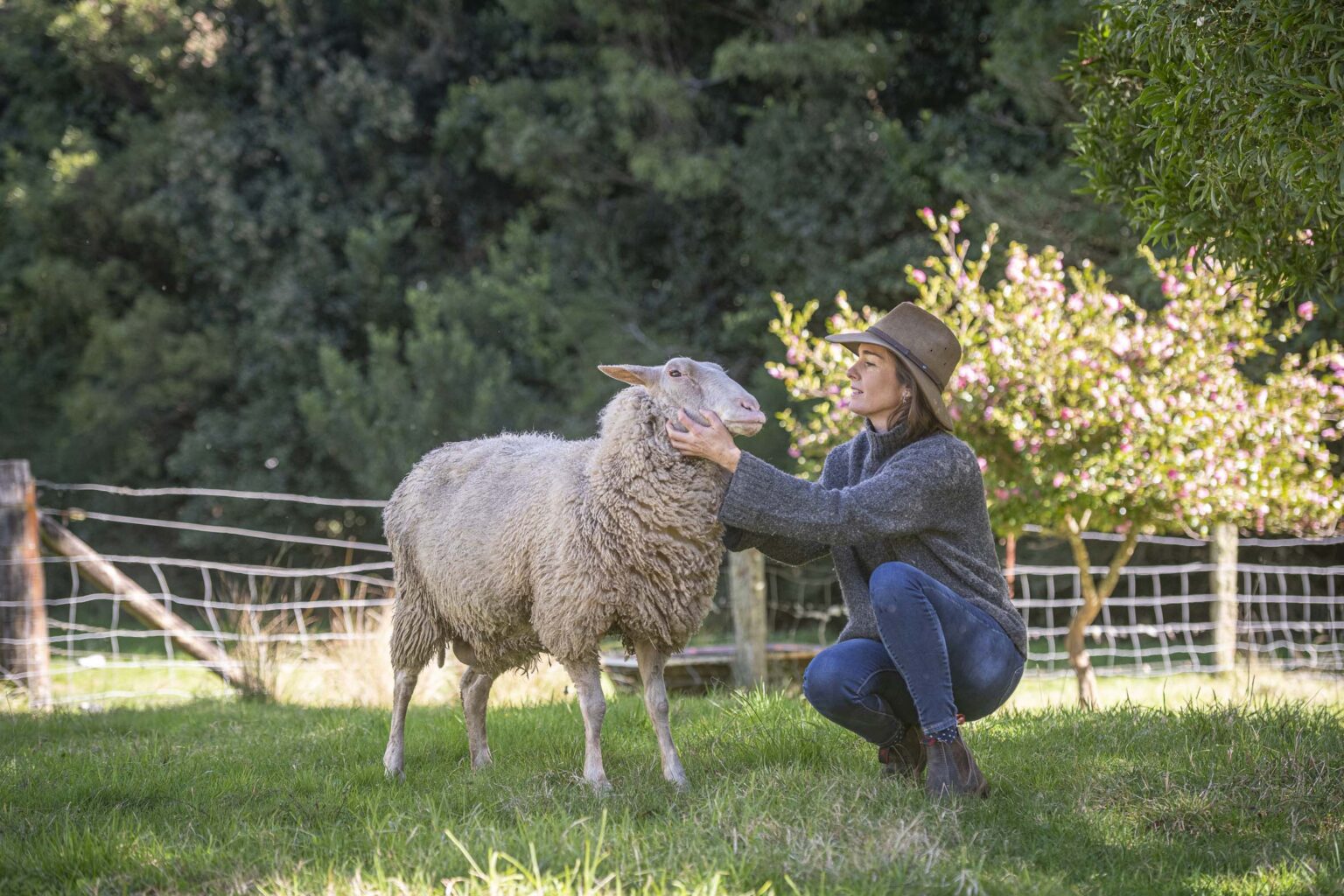
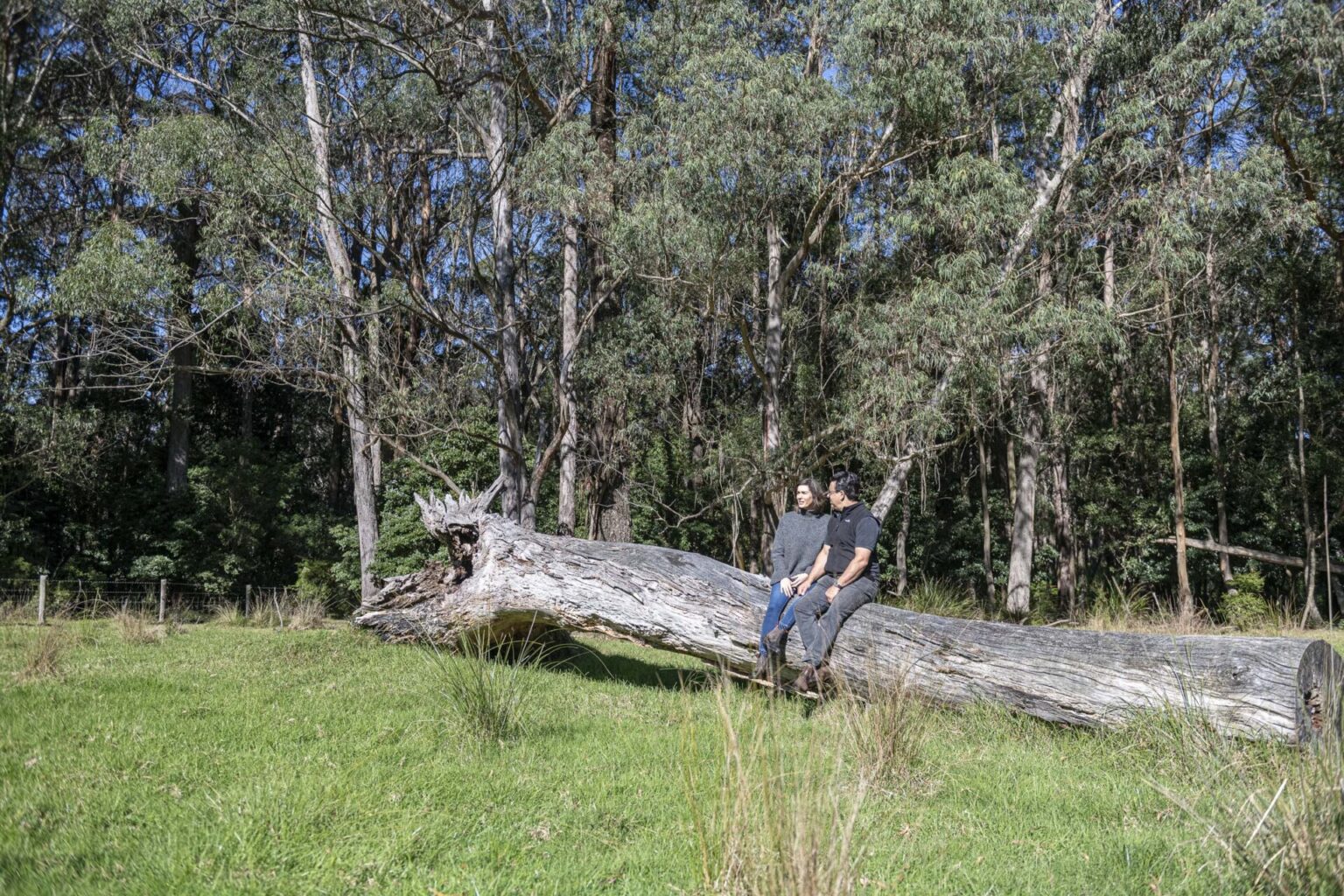
For the latest edition of The Murrurundi Argus, Jason Mowen visits Paddy’s Cottage, an idyllic contemporary farm stay set within the original 1920s weatherboard home amid the rugged magnificence of Green Creek, 15 minutes’ drive from Murrurundi. “Surrounded by these hills and wonderful vistas, the true value of this place is in its beauty,” says James Street – grandson of the historic property’s original owner, Douglas Royse Lysaght – who now resides here with his wife, Felicity. “Jamie and I see ourselves as custodians of the land,” adds Felicity. “It takes a huge amount of effort, but we’re maintaining history, and this gives us much joy.”

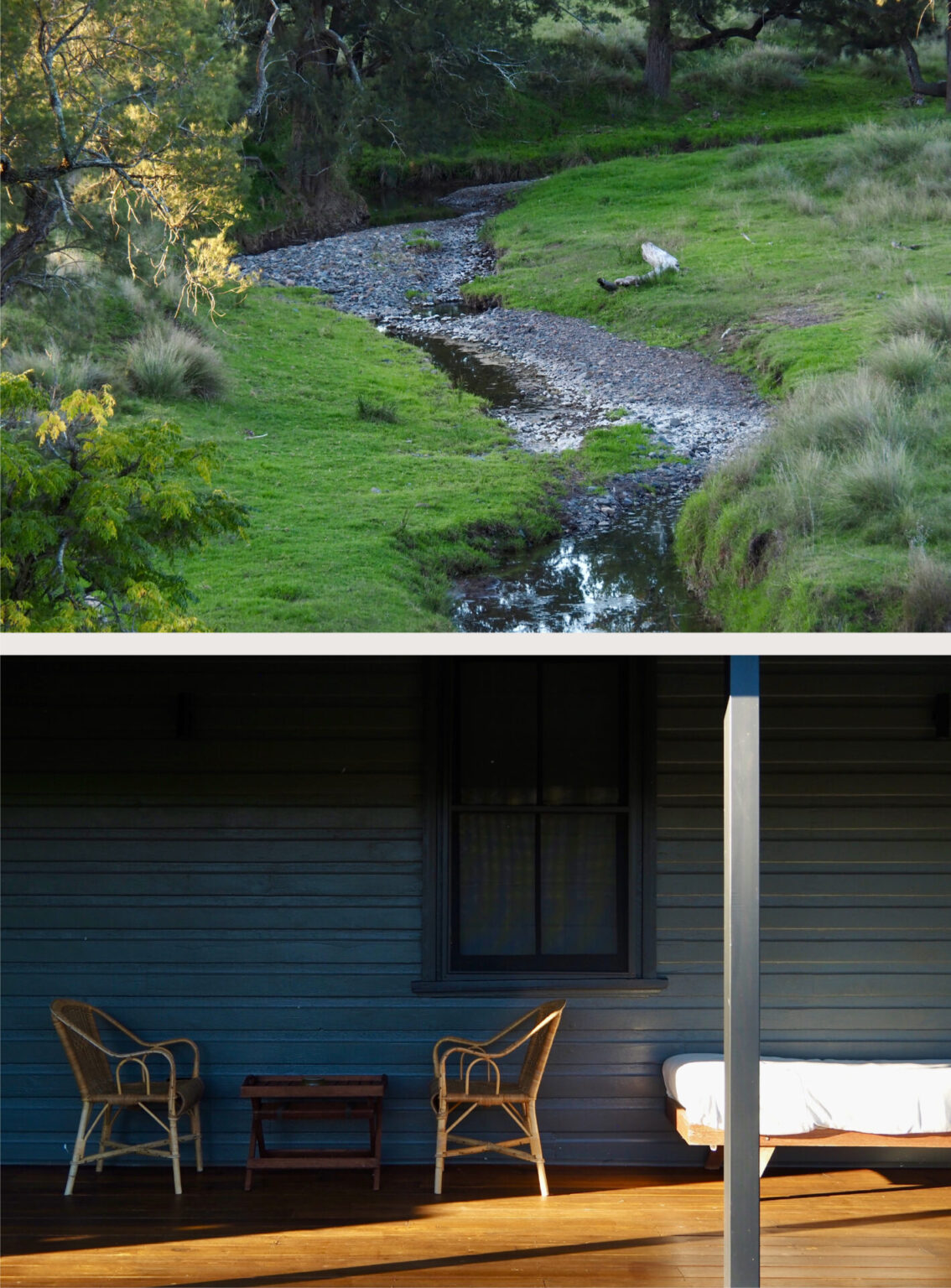
Of the scenic drives around Murrurundi, the one southeast of town through the neat paddocks of Emirates Park and out along the Timor Road is probably the most majestic. It slices through a wild, Brontë-esque landscape flanked by peaks, historic holdings and high-country vistas, leading to the homestead at Green Creek. Once there, over cattle grates and down a long and winding driveway, it’s hard to imagine a more Arcadian setting. At least the Australian version of Arcadia – rugged and magnificent.

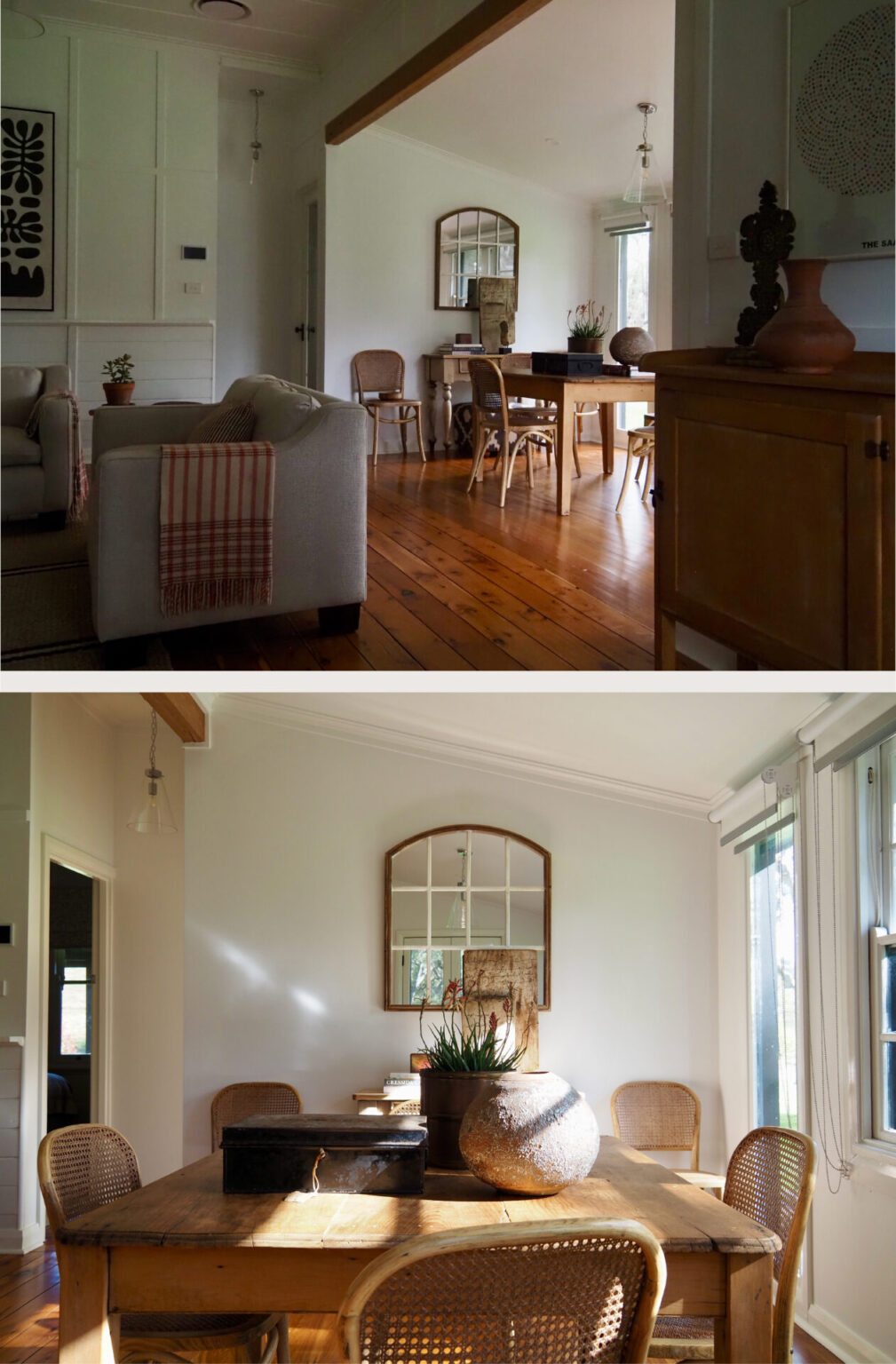
Green Creek has long been a passion project. Herbert Lysaght bought the property, originally the lambing paddock of Harben Vale, as a project for his son, Douglas Royse Lysaght, in 1921. Today it is the home of Felicity and James Street – Royse’s grandson – with 2500 acres and a sprawling single-storey residence from the 1930s wrapped in colonnades and verandahs at the foot of Protection Hill. A gardener’s cottage, schoolhouse, meat house, dairy and tennis court sit among lawns and hundred-year-old trees, while the weatherboard cottage that had originally occupied the site was moved a short distance away, where it now overlooks the namesake creek.

Designed by Sydney architect Kenneth McConnel, the new Green Creek home was a big deal and went on to grace the cover of the 1947 tome, Planning the Australian Homestead. Its celebrity, though, was already long established – and not for its elegant design.

In September 1936, the project had reached lockup stage and James’s grandmother, Margery, was in Sydney selecting fabrics and furniture. On site, a plumber’s blowtorch came into contact with insulation under the eaves and the 26-room home, built chiefly of cypress pine, burnt to the ground.
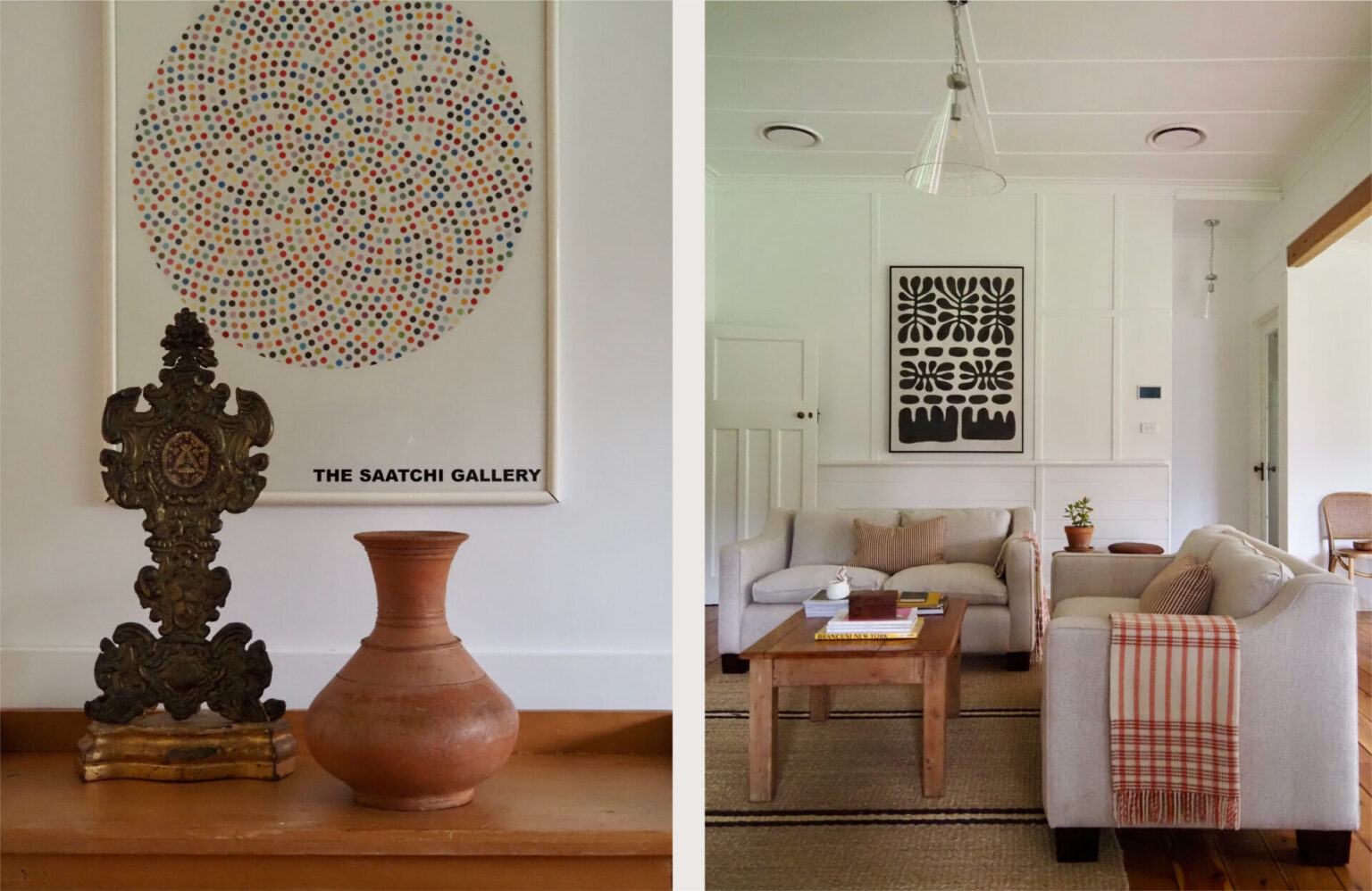
“PALATIAL NEW HOME DESTROYED BY FIRE”, read one newspaper headline. “So sudden was the conflagration and intense the heat that the workmen who were camping in the building had not time to remove their belongings, and although there was an abundant water supply, nothing could be done to check the fire, and in half an hour the whole of the structure had been reduced to ashes.” Phoenix-like, the house was then rebuilt to the exact specifications. Sympathy goes out to “Mr. Smith of Newcastle”, the contractor who shouldered the cost.
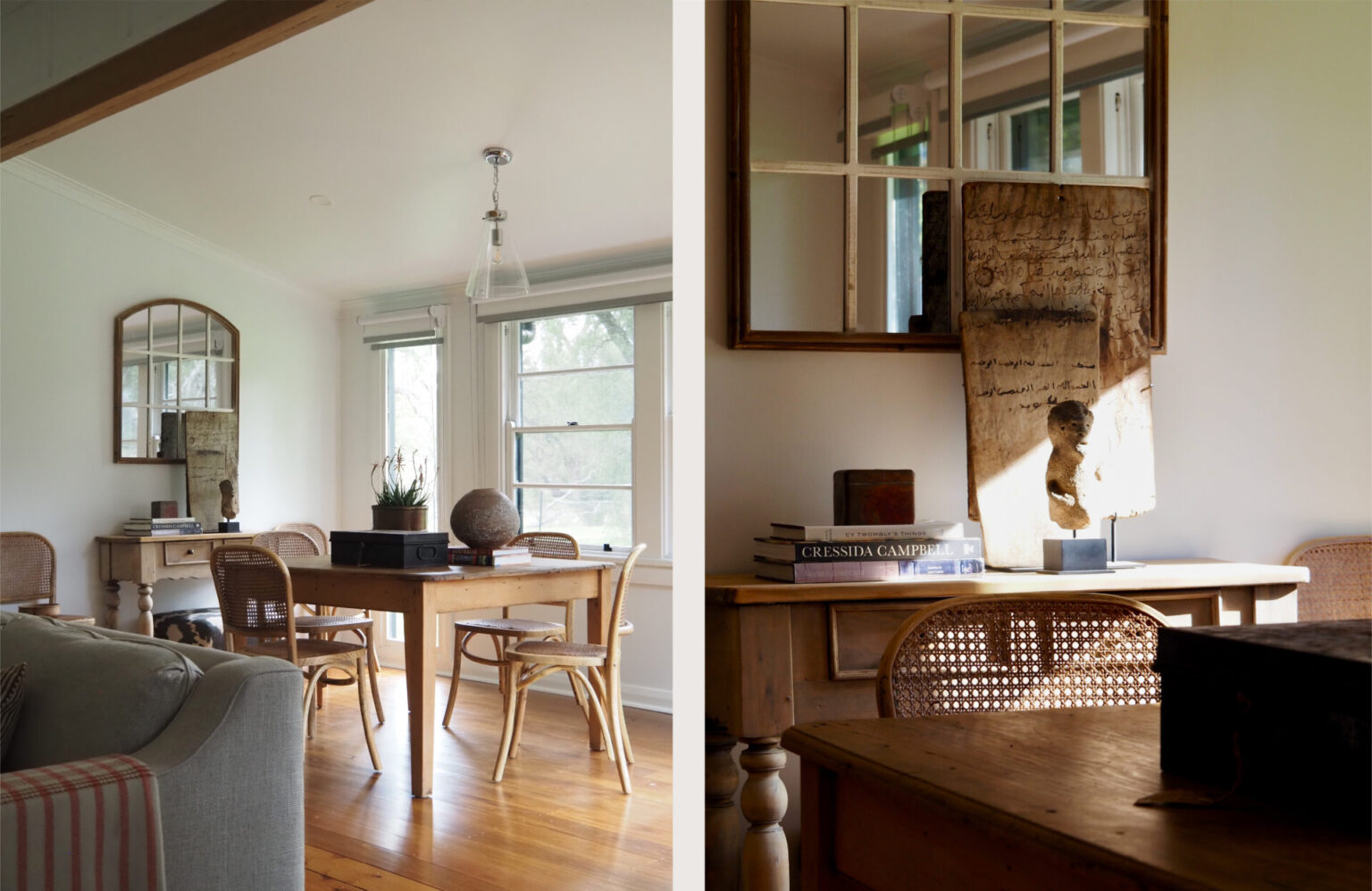
Wanting to raise his family at Green Creek, Royse enjoyed these years of rural life, involved in the local community and particularly active in sporting clubs, playing rugby and co-founding the Murrurundi Golf Club. He was eventually called back to the family firm, Lysaght Steel. A stint in finance at Perpetual followed, later becoming chairman of CBC Bank.

“Green Creek was and still is one of the larger landholdings in the district but there are limitations in regard to the type of land use”, says James. “It’s hilly so not great sheep country, with issues around erosion; while it’s good basalt soil, it needs consistent rain. If you push it too hard, you’re the first into a drought and the last out. Today we have predominantly beef cattle, but surrounded by these hills and wonderful vistas, the true value of this place is in its beauty.”

James, his brother Matt and sisters Sarah and Hattie were raised at Green Creek, much like their mother, Helen Mary Lysaght, one of the four children of Royse and Margery. Felicity, meanwhile, hailed from a large sheep and cattle station near Quilpie in western Queensland before her family moved to central western New South Wales. “I grew up in the dry and arid environment of western Queensland and then at Mumblebone Stud, a property with significance in the wool industry,” says Felicity. “I really love Green Creek – it’s different to what I was used to but much like my father, Jamie and I see ourselves as custodians of the land. It takes a huge amount of effort but we’re maintaining history, and this gives us much joy.”
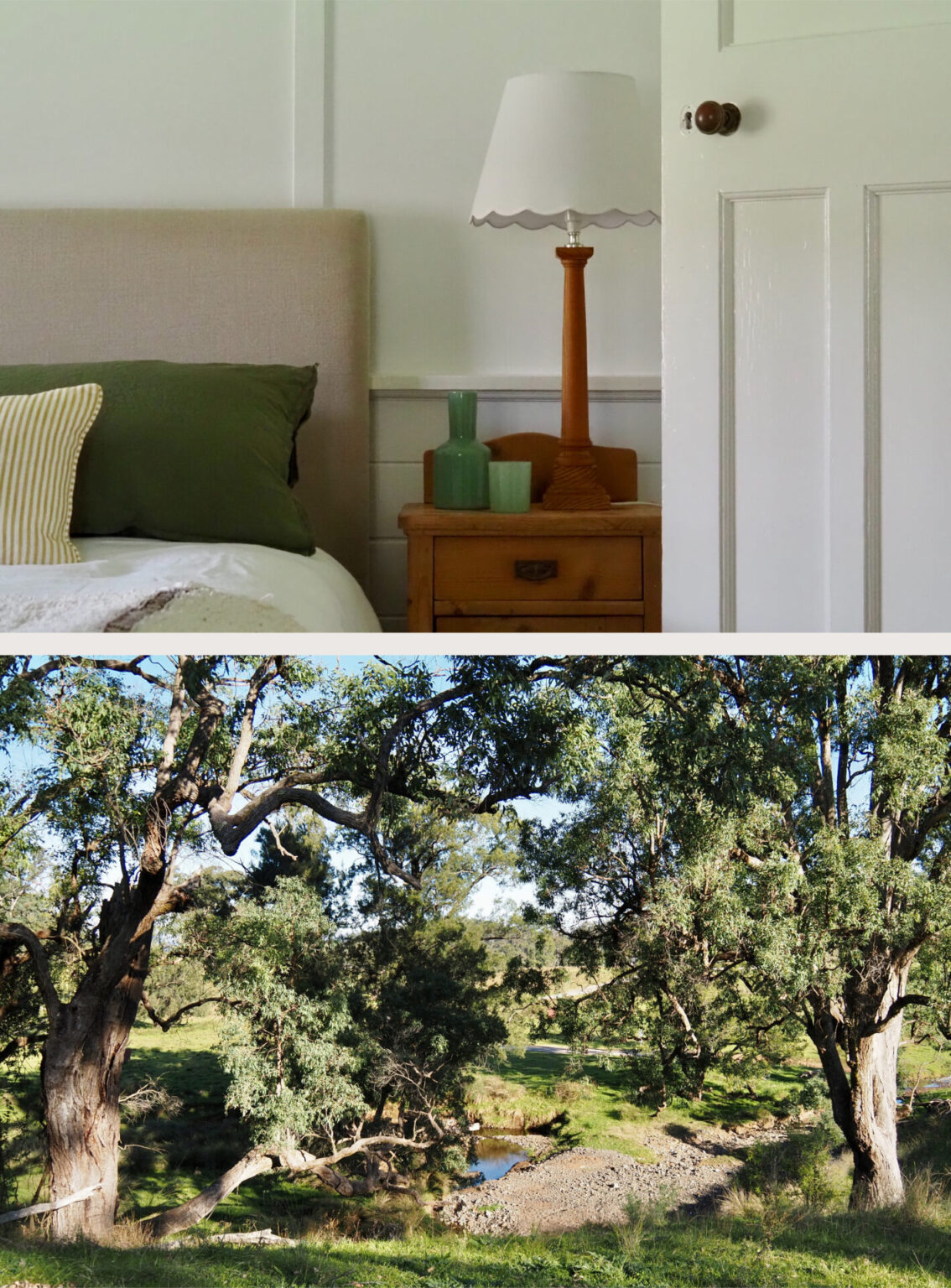
Which brings us back to the original weatherboard cottage. In the mid 1950s, Patrick ‘Paddy’ Brown came out from Ireland and worked on the construction of Glenbawn Dam, eventually settling in Murrurundi. He took a job as general hand at Green Creek for James’s father, Philip Street, and moved into the cottage, virtually untouched since its relocation in the 1930s. “There was a long drop, a copper boiler, a cast-iron bathtub in the kitchen, a smoking fireplace and not much else,” recalls James. “And Paddy loved it.”

After James commenced primary school in nearby Blandford, Paddy, who had been the welterweight champion back in Ireland, offered to teach him how to box. “A boxing bag was hung from a tree and each afternoon he would meet me straight off the school bus with a big old set of gloves. I was his little mate – we sparred and carried on and had a lot of fun.”

Having completed their studies, the just-married Jamie and Felicity worked in a nickel mine in the Meekatharra Desert in Western Australia and then spent a year travelling in Europe, before taking over the running of Green Creek in 1983. Their first son, Angus, was born the following year, followed by Simon and Amelia. “It was an idyllic place to raise three children and continues to be the heart of the family,” says Felicity. “We now have four grandchildren that also enjoy everything that Green Creek has to offer.”
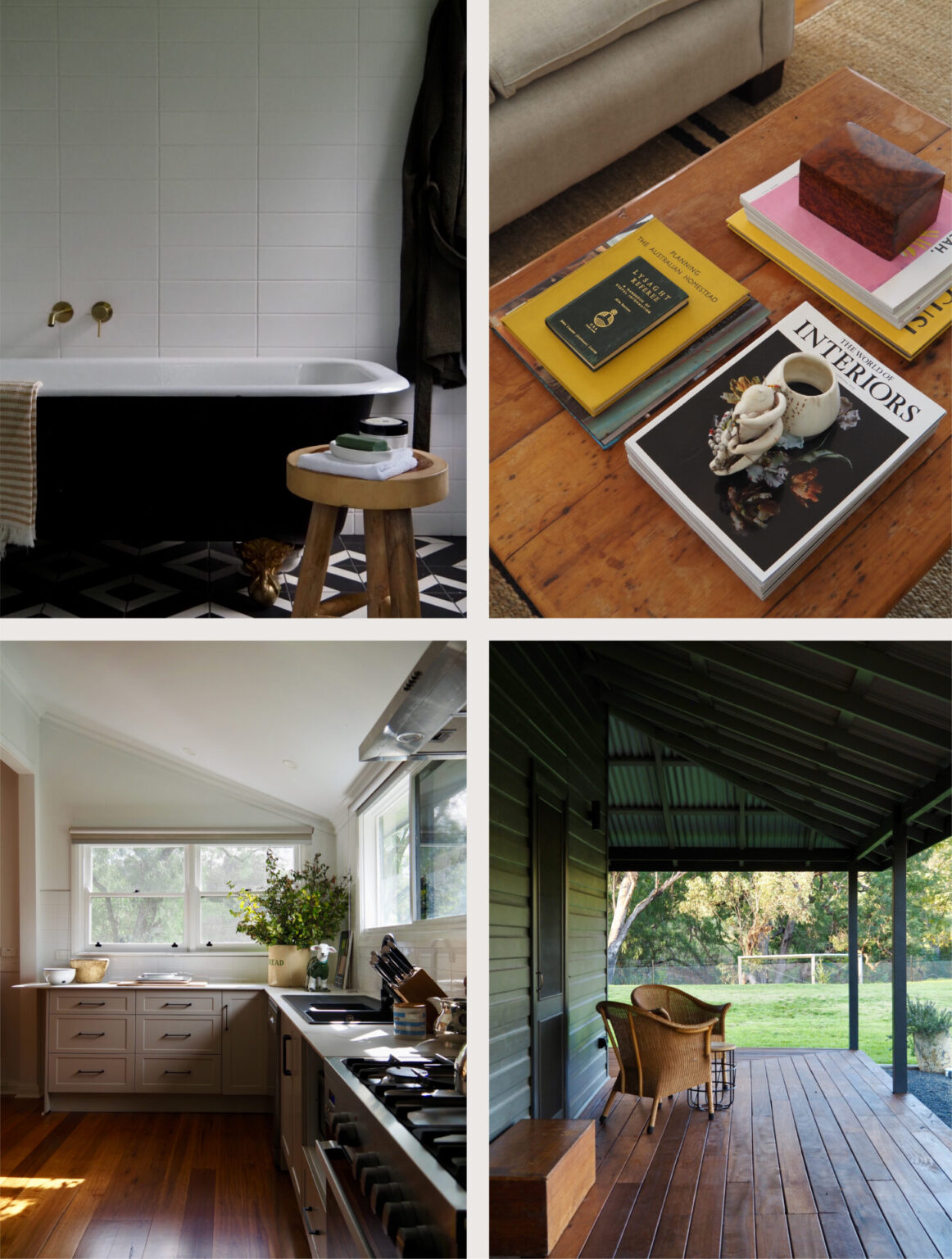
Birds and possums were the cottage’s main residents after Paddy left in 1972. Many would have seen the structure demolished but Felicity and Jamie, realising its historical significance and potential as a farm stay, took the decision to restore the cottage in 2020, bringing it back to life over the course of a painstaking two-year renovation.

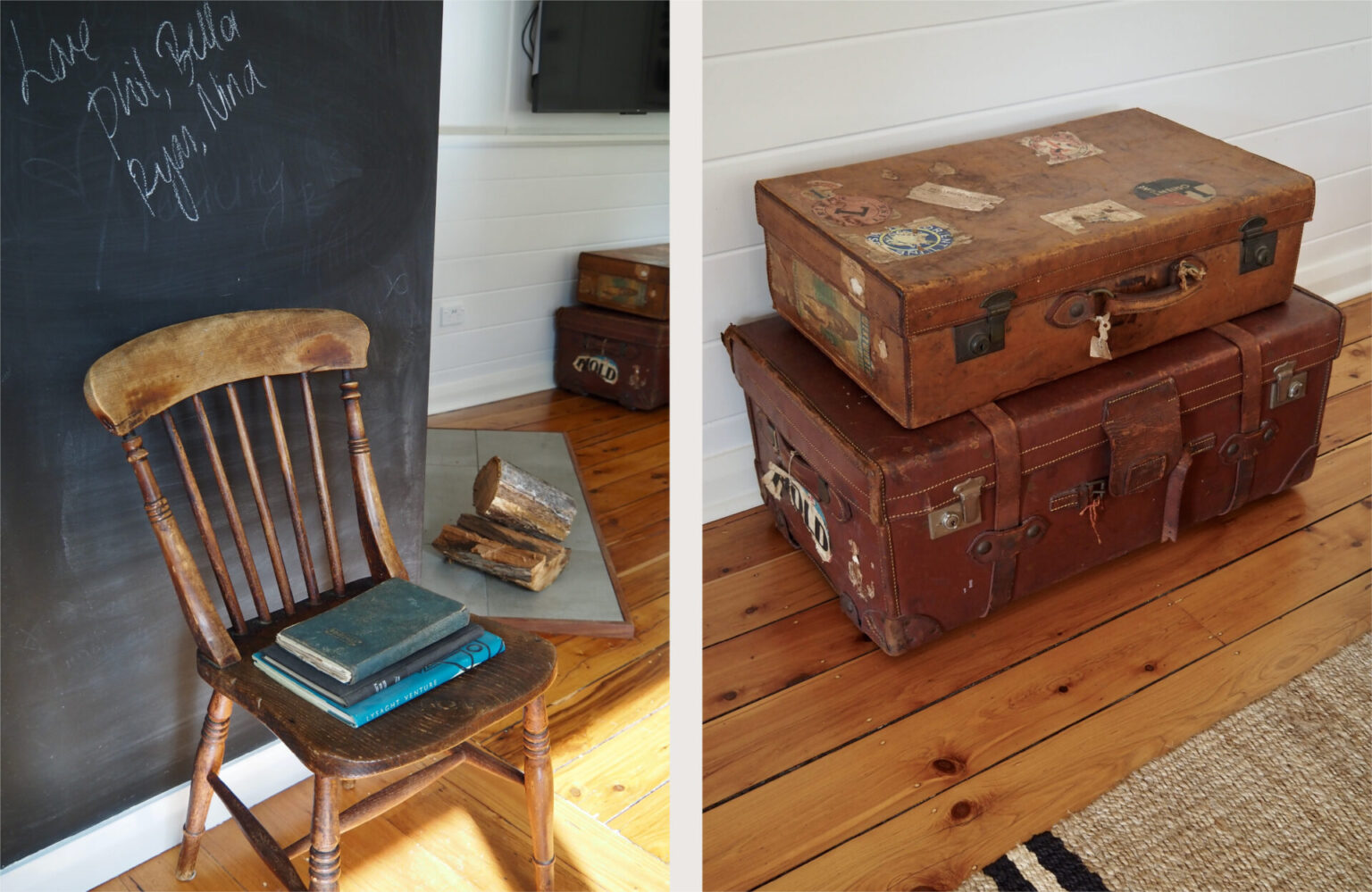
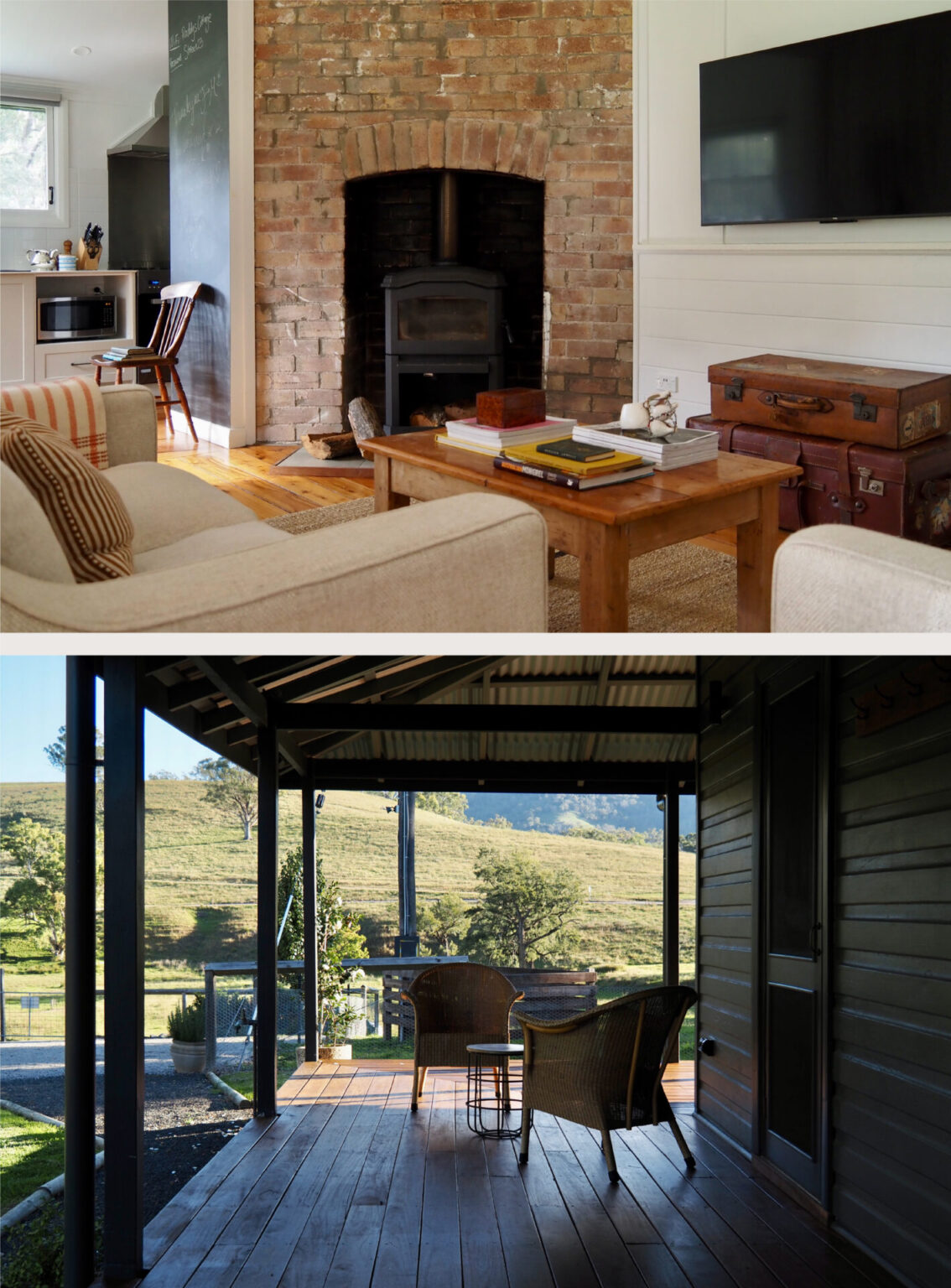
Today the simple, rustic luxury of Paddy’s Cottage (alongside three bedrooms there are two bathrooms, a proper cook’s kitchen and a charming mix of antiques and modern) stands as a far cry from the long drop and copper of Paddy’s era, although the beauty of the setting remains unchanged. Sitting on the verandah as the sun drops behind Protection Hill, throwing land and sky into a rainbow of colours, close your eyes and the affable Irishman’s presence is felt. Royse and Margery are there too, represented by their well-travelled collection of steamer trunks.

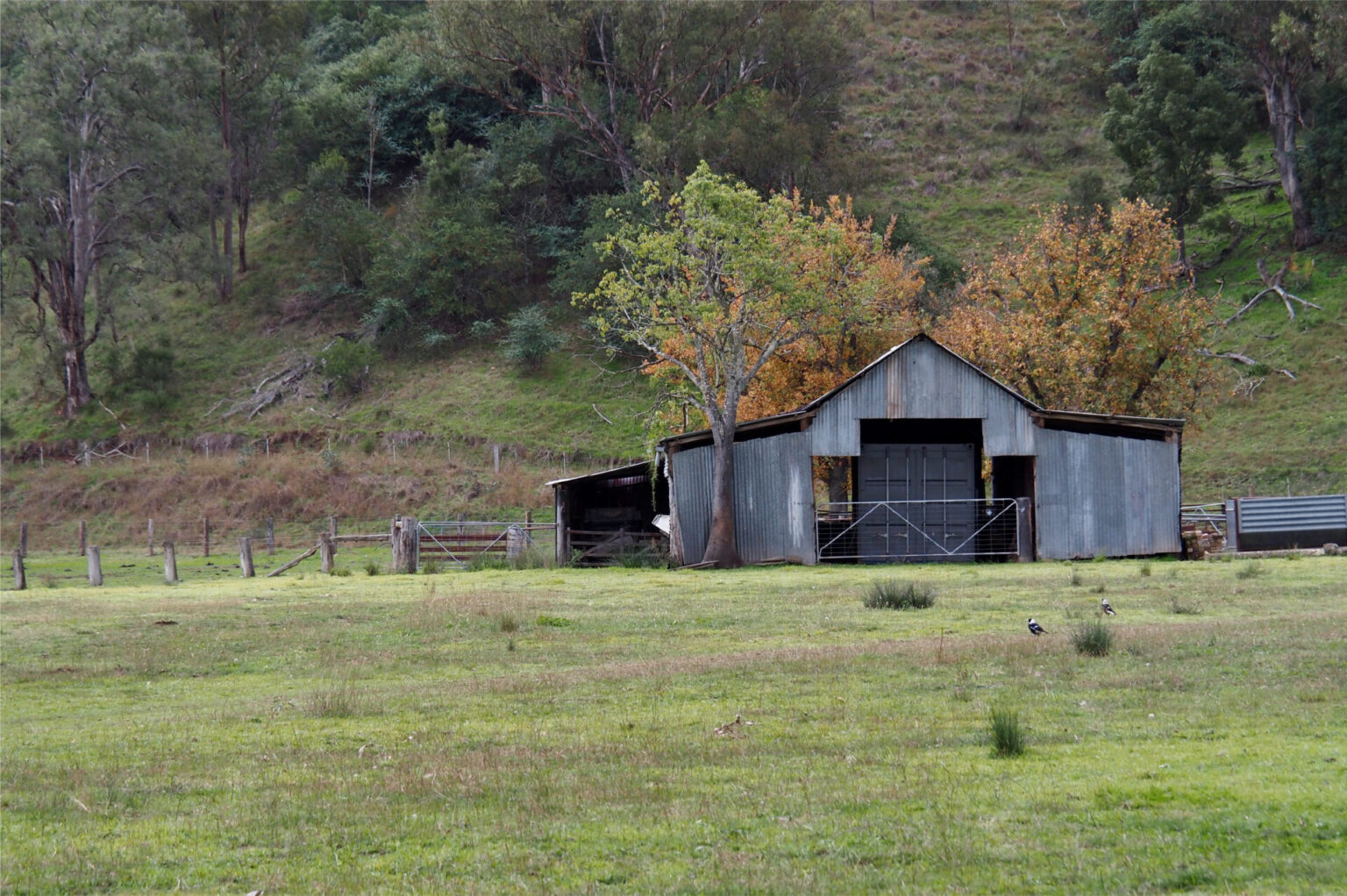
The original woolshed and shearer’s quarters from Royse’s time are visible from the verandah. It was there, in the late 1980s, that Felicity began hosting guests at Green Creek, after converting the shearer’s quarters into student accommodation. With two young children and a third on the way it wasn’t to last, although the experience laid the foundation for Paddy’s Cottage.

“Jamie and I feel incredibly privileged to have lived at Green Creek for the past 40 years and have always felt it had great tourism potential. Paddy’s Cottage is a part of that journey,” she says, “sharing the beauty of this country with our guests, and with the aim of leaving Green Creek in good stead for the next generation.”

@paddyscottage_greencreek
Washington DC by Michael Reid OAM

Posted by

For the latest edition of The Murrurundi Argus, our chairman and director, Michael Reid OAM, reflects on his recent trip to the United States capital, where our expansive exhibition of contemporary Australian First Nations art, The Stars Before Us All, has extended its run to Sunday, 9 November, at our pop-up gallery in downtown DC.

There are, in Australia, buildings and individuals of considerable authority – but not so much of power. In the District of Columbia, or Washington DC, or simply DC as it is widely known, there are reminders – impressers – of real power. The whole Rome-on-the-Potomac thrusting projection of imperial majesty was no accident. From the uplifted, repurposed grandeur and legitimacy of the ancients, transferred – as the whole notion of Rome on the Potomac was – to a new world, to the image of a man of a certain age jogging early morning along the National Mall, flanked by close-quarters bodyguards whose presence quietly says Marines.

Washington pulses with dominance. The city hums to a constant wail of sirens – every decibel accounted for – with speeding motorcades, rotors, and roadblocks forming the soundtrack of authority on alert.

Power here feels physical — it moves, it breathes, it occupies space. In Australia, power tends to hide behind process and protocol. It’s softened by committees and smoothed over by a middle-class conformity we longingly refer to as egalitarian. In Washington, it wears running shoes and a security detail and jogs with some purpose down the long avenues of massive monuments – and carries a visible do-not-fuck-with-me vibe. In America, power performs. In Australia, it clears its throat.

Founded in 1790, DC was conceived by General George Washington – a reluctant revolutionary: disciplined, reserved, and driven more by duty than ambition, yet destined to embody the very idea of American power. Designed by Pierre Charles L’Enfant, the city was meant to express the ideals of the new republic, with grand avenues radiating from the Capitol and the White House.

The fledgling city struggled through its early years, plagued by swamps, disease and underdevelopment, before being devastated in 1814 when British troops invaded and burned the Capitol, the White House, and much of the city. Rebuilt and expanded, Washington grew into a fortified hub during the Civil War, symbolising the strength of the Union.

In the twentieth century, monumental architecture and national memorials transformed it into a showcase of American power – though racial and political tensions simmered beneath the surface. And still do. Following the assassination of Martin Luther King Jr. in 1968, President Lyndon B. Johnson called in more than 13,000 federal troops to quell riots and restore order.

More than half a century later, in 2025, President Donald Trump again deployed National Guard troops to the capital – around 800 under federal control – declaring a public safety emergency and assuming command of the city’s police amid renewed civil unrest.

Unrest is the word du jour. During the ten days I was in DC, there was an ongoing federal government lockdown, the National Guard visibly out on the streets, and, on the day of our exhibition opening, the millions and millions who attended the No Kings rally.

This unrest is the result of a simple reality: America has become a deeply partisan place. Ever since Donald Trump’s second election in 2024, those once in the know have been forced to confront an uncomfortable truth – perhaps they did not understand America after all. The enlightened liberal class has been grappling with how to comprehend the rural and red-state Americans – those who live across the vast middle of the country, who feel that the economy, and the nation itself, have been passing them by, and who no longer see their lives or values reflected in the experience of the coasts.

The nation is now so divided that men broadcast their affiliations on their lapels. These badges help others know how to approach an upcoming conversation. In Washington, even civility comes forearmed. Once, a man’s sole jewellery signifier was his watch. A Rolex says this – solid, made it, successful. A Patek Philippe whispers – old money and deep wealth. In today’s America, alongside the watch, the lapel announces, before we have spoken, the institutions and organisations central to a man’s identity.

The American flag lapel pin is common. It says, “I am a patriot” – most likely more conservative than some, but the badge moves easily across divides. Then there are the all-important who-am-I badges.

On my first breakfast morning, I sat near two gentlemen – one with clear military bearing, speaking in a professional murmur, with phrases like “Russian sanctions” bubbling to the surface. These men wore a potpourri of badges, to the point of making a dandiest decorative-arts statement. The military man, notably, had a Ukrainian flag pin in the mix.

Around town, other lapel pins told their own stories. The Thin Blue Line flag pin – black and white with a single blue stripe – marked the law-enforcement fraternity. The Gold Star lapel button, a small gold star on a purple background, quietly signified a family’s loss in service. Veteran pins, round or shield-shaped with flags or unit crests, asserted experience and belonging. And then there were the practical laminated security badges – male and female – swinging from retractable cords that spoke even louder: in DC, access is the truest insignia of power.

As for the female insignias of affiliation, I have yet to decode them.

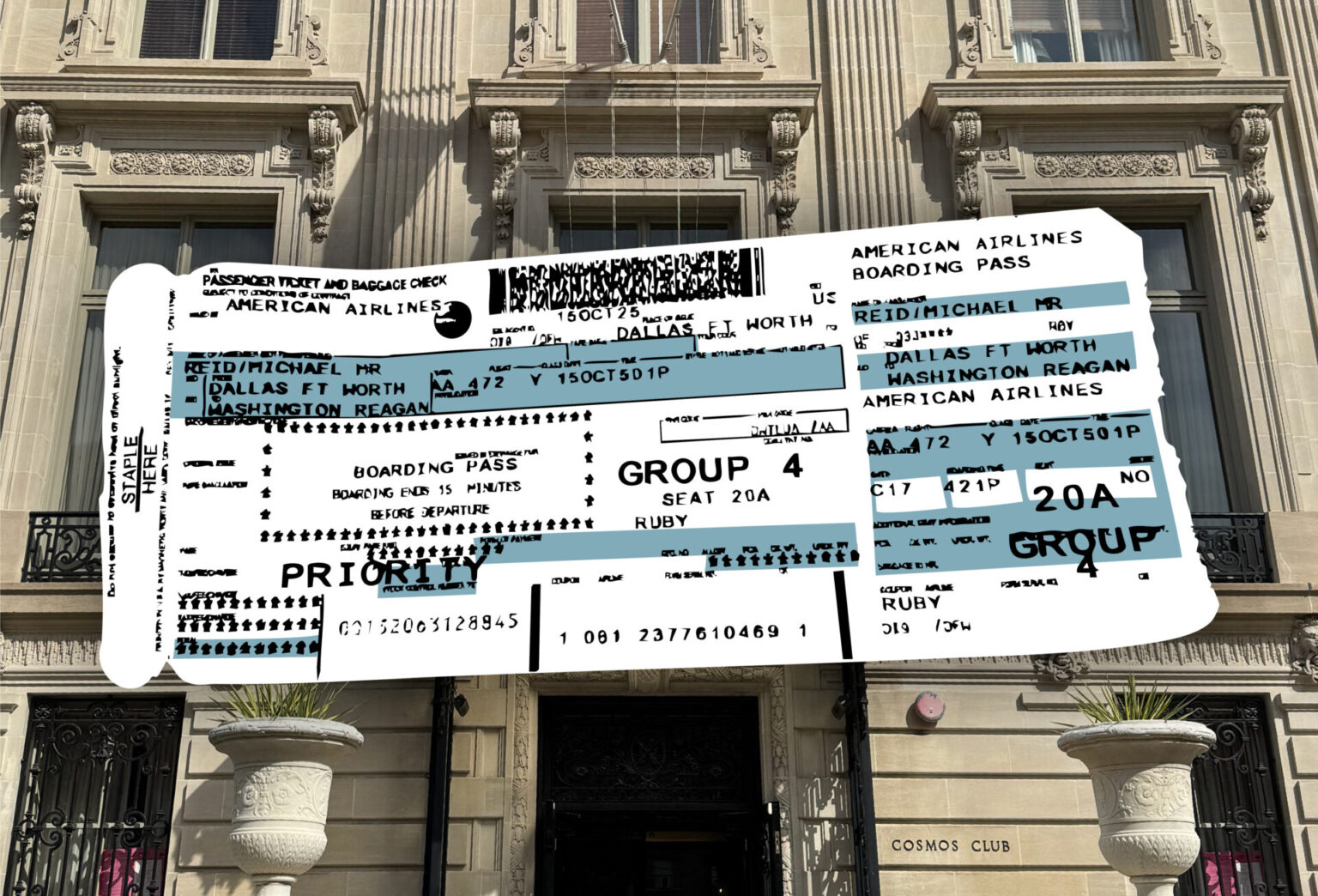
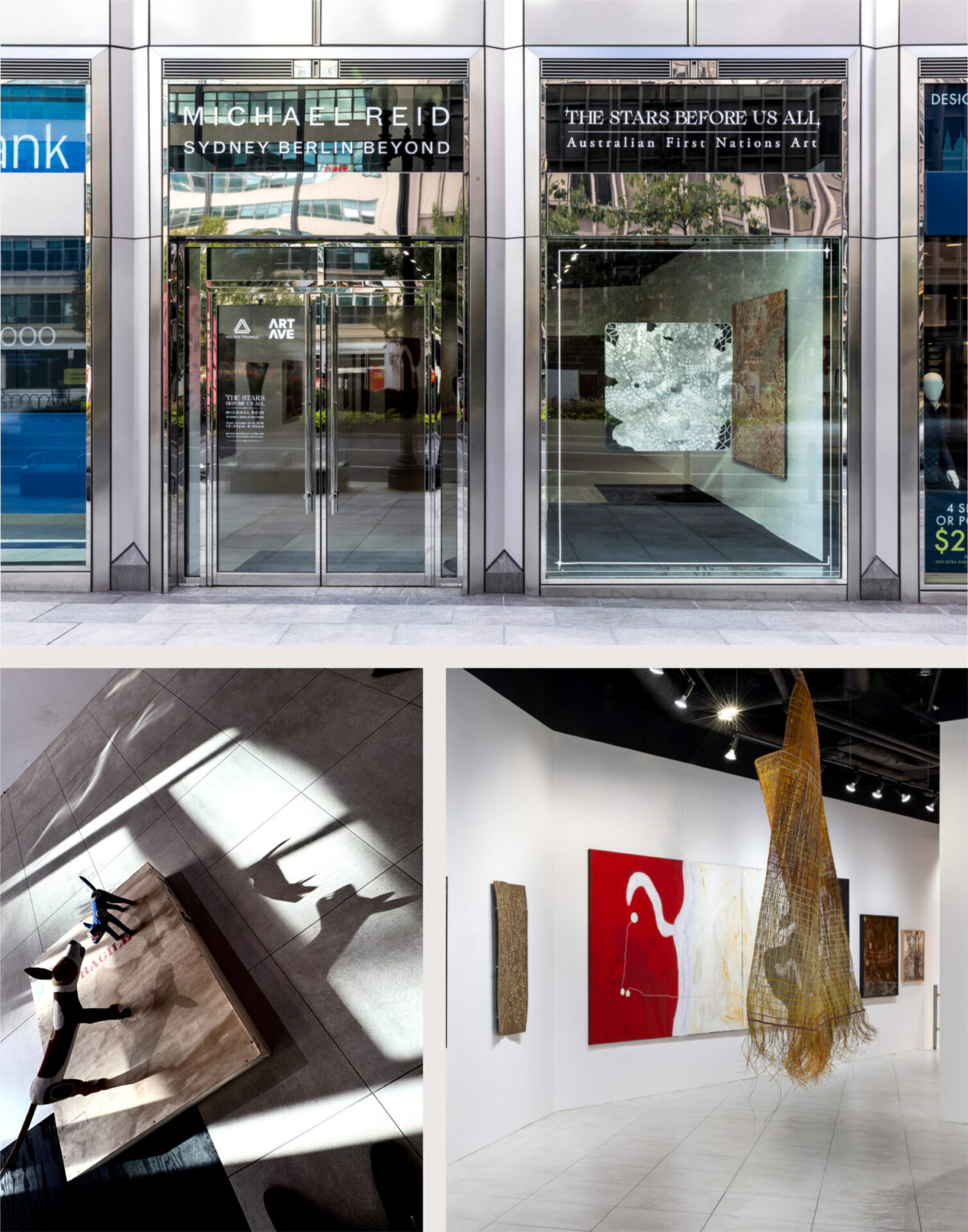
Amid this less-than-calm, my colleague and business partner, Director Toby Meagher, arrived in DC two days before my rather statelier business-class procession touched down. We were there for our month-long exhibition, The Stars Before Us All: Australian First Nations Art, held just a block from the White House. Why Washington? Because, in the footsteps of the good General George, we were shadowing the National Gallery of Victoria’s exhibition, The Stars We Do Not See: Australian Indigenous Art, originally scheduled to premiere at the National Gallery of Art on October 18, 2025 – postponed, as it happened, by a government shutdown. Our lights, however, went on exactly as planned.

We coordinated the Washington exhibition with another in Sydney. Artworks that were either too large or arrived too late for shipping to the US of A were shown in our Chippendale space. Toby and I had been working on this exhibition for a year. Artworks were sourced from Communities and private clients alike. The day before the DC opening, Toby rented a van and collected two paintings from a private client. The artworks quite literally came from everywhere.

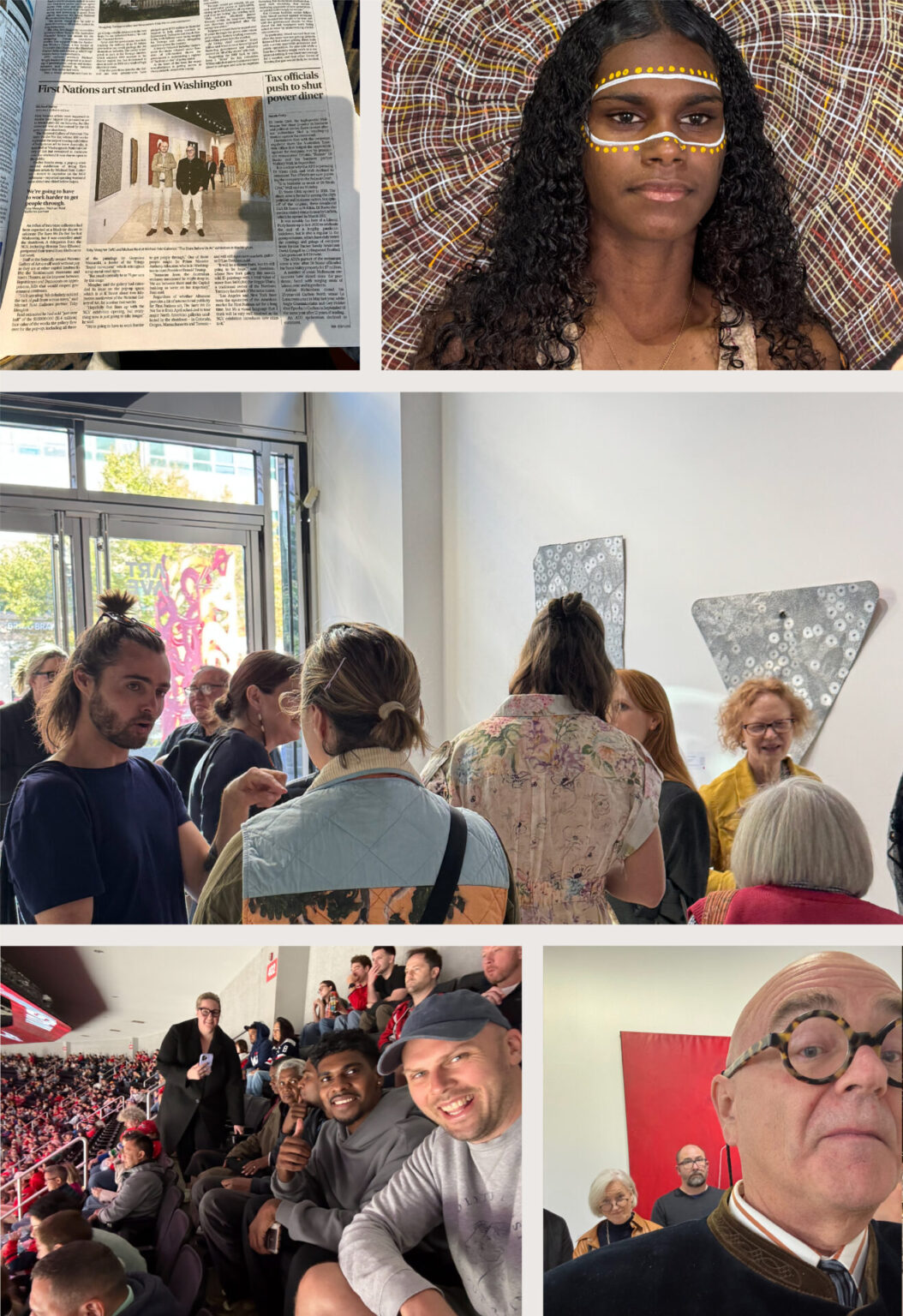
The opening night drew a crowd of eighty to ninety. We were heavy on art museum curators and light on New York collectors. The private buyers had rescheduled after learning of the lockdown. The museum folk, already scheduled and paid to attend the opening of the National Gallery of Art, suddenly had space on their dance cards. A director of an extremely prestigious art museum – taking numerous photos of our exhibition – told me that had the shutdown not occurred, her program would have been too full to visit our exhibition. As it was, she had the time, and that, in itself, was important.

I estimate we lost between twenty and thirty private clients but gained ten to fifteen art museum curators – a loose lockdown dividend. Perhaps a silver lining. The Australian Financial Review ran a good, page-three, Saturday article on the opening – read the online edition here – and The Sydney Morning Herald also covered the show extensively – read here.

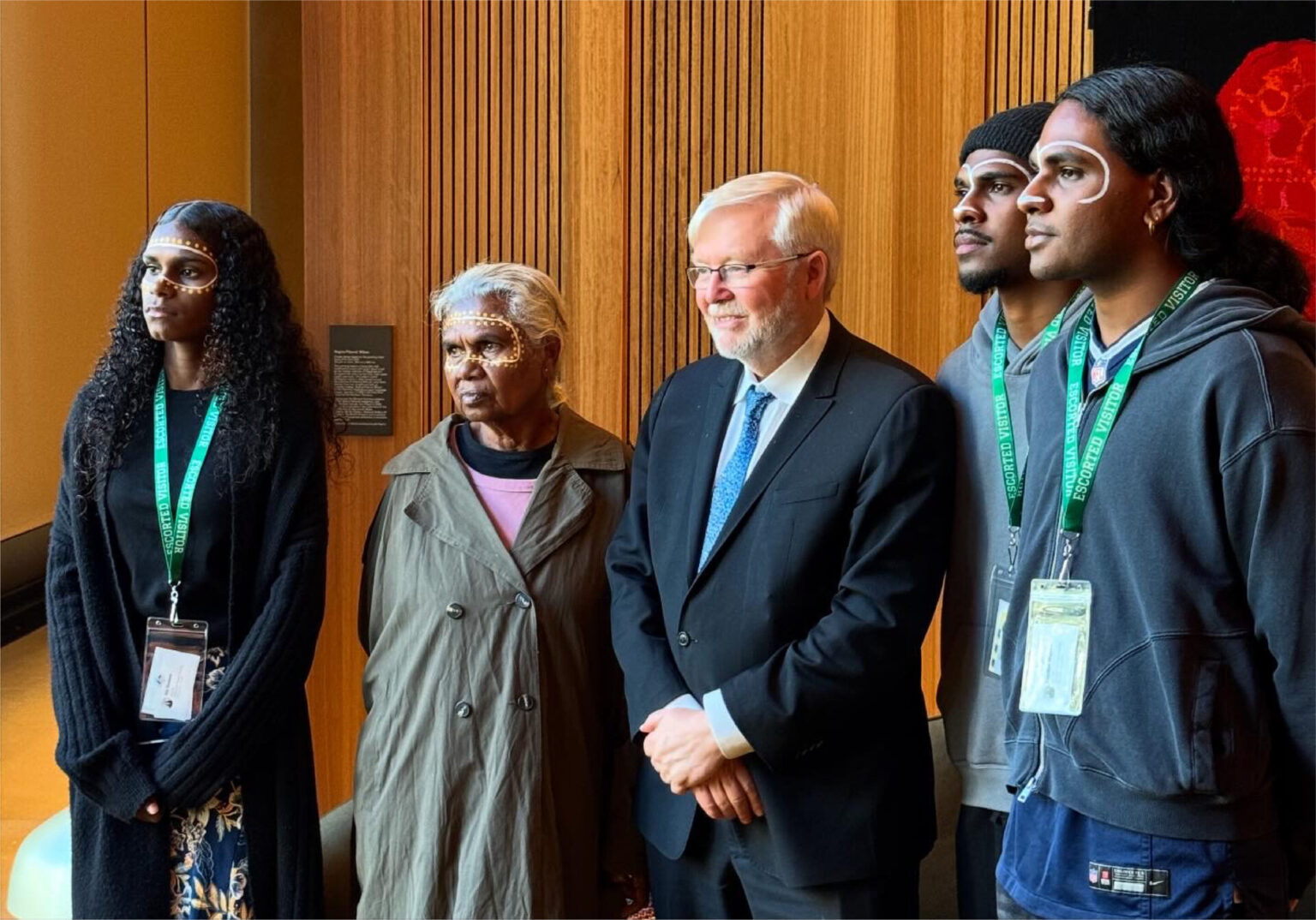
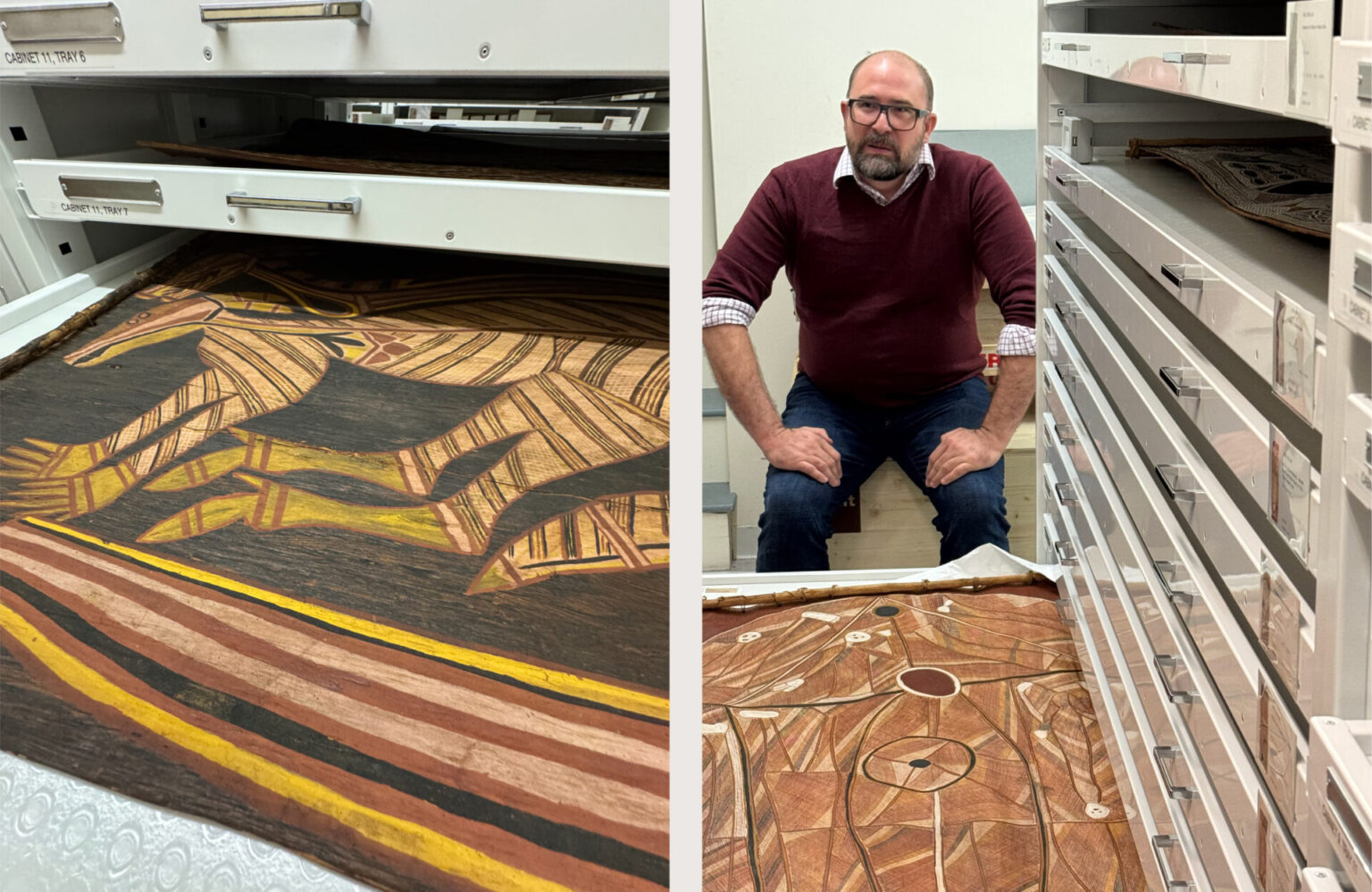
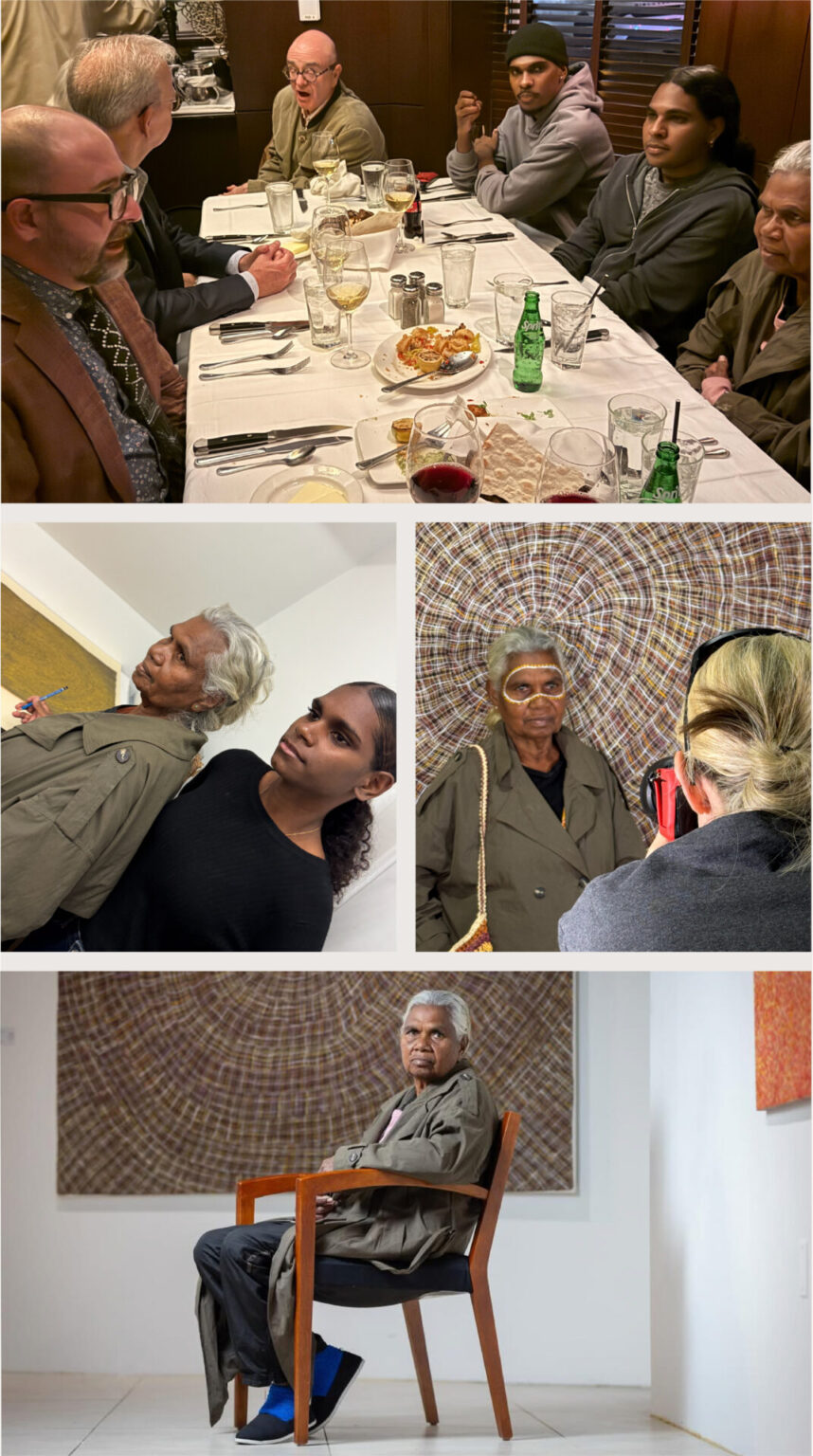
On the Monday of the second week, Regina and her niece Joy, nephews Hayden and Brett, Toby and I went by hired bus to the Kluge-Ruhe Museum at the University of Virginia.

Toby left DC the following Tuesday, and I was home alone with the exhibition for the next week. This would generally not be considered wise. Never one to be described as hands-on or practical, I had the keys to the front door – at least until the inevitable moment when I wouldn’t be able to find them. Anywho.

Home alone, the first thing I did was arrange a Zoom meeting with Shinola, the Detroit-based brand known for its watches, leather goods, and homewares. Of course I did. The meeting went extremely well. I learned that Shinola and Filson share the same private parent company — a fortunate connection, given our established partnership with Filson. Once they realised I already sell the Seattle-based outdoor woodsman brand in Australia, the conversation progressed swiftly and positively. We discussed an initial range of twelve watches and selected leather goods for Murrurundi, along with order minimums, display concepts, and logistics such as tax removal and shipping. In the coming weeks, I expect to finalise a dealership agreement making Murrurundi the exclusive Australian representative for Shinola. Bless.

Back to the DC exhibition. I did a number of early-morning private client walkthroughs that week, and my learning here is simple: if an individual requests an out-of-hours appointment, they acquire. Similarly, if visitors come during opening hours and then return, the likelihood of acquisition is far higher than for those who simply turn up for the drinks on opening night. On leaving, I had positioned six paintings to two collectors, from DC and New York. One of these collectors, the gallery had previously never dealt with.

As I head home, my colleague Daniel Soma, Head of Creative and Strategic Direction for the gallery, is coming over. We are extending the exhibition until 9 November, in the hope – and one would say some considerable hope – of being around when the National Gallery of Art in Washington reopens. Fingers crossed. So far so good.

Michael Reid OAM

The Outdoor Fireplace at Murrurundi by Michael Reid OAM

Posted by

For this month’s edition of The Argus, Michael Reid OAM reveals the blueprint for the heart​ – and hearth​ – of the gardens at Murrurundi: the sleek, sculptural and seamlessly engineered outdoor fireplace that connects our gallery to the Concept Store and historic Bobadil House, wrapping our leafy courtyard like a warm embrace.

I generally say, “Please do.” After all, it’s all a bit humorous really — catching yet another deeply original starchitect or landscape designer mid-snap, well down the path of meticulously photographing my cantilevered outdoor fireplace at Murrurundi. Some even bring tape measures — and their builders — as if subtlety were optional when it comes to design theft.

I roll my eyes but don’t make a fuss. In my world, it was Pablo Picasso — the great artist, though let’s be frank, a deeply flawed man — who said, “Good artists borrow, great artists steal.” Not one to contradict a master — and fully expecting my fireplace design to have already popped up across the nation — I’ve decided to put it all out there. Because, let’s face it, the stealers are bound to run amok with my intellectual property anyway.

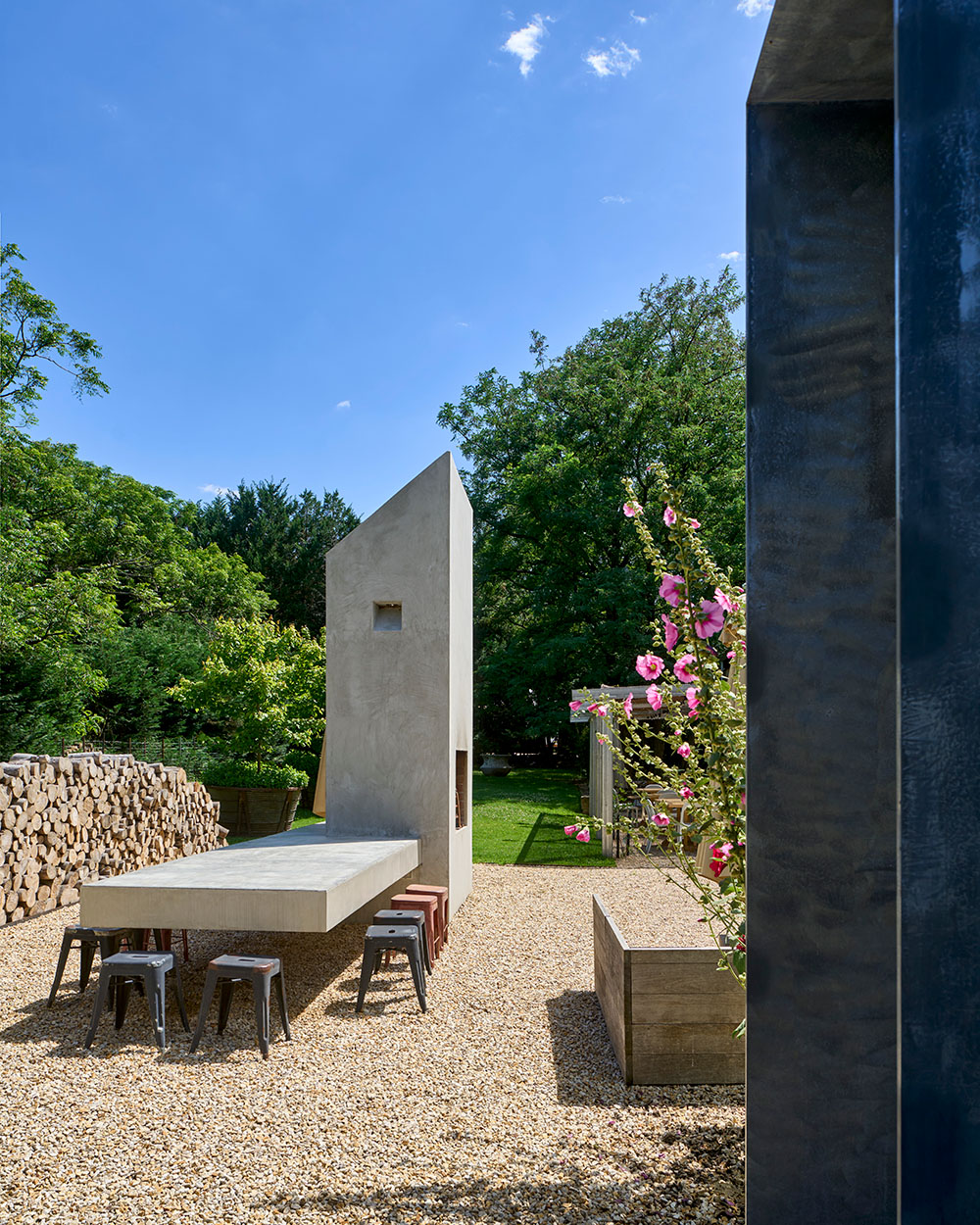
The architect William Zuccon, the firm Elegant Engineering, and I designed one kick-ass outdoor fireplace — all hearth, part dining table, part party bar, and part children’s adventure playground. Between what was originally a convict cell block, circa 1842 — at Bobadil House, Murrurundi, and now my Concept Store — and the new art gallery, built in 2017 and again co-designed by William Zuccon, lies a gravel courtyard.

I wanted an outdoor fireplace to bookend that courtyard, with a large pergola now flowering opposite.
In winter, the hearth slows people down as they gather around flickering flames and embers — think parked male, while the on-shopping partner continues to browse.

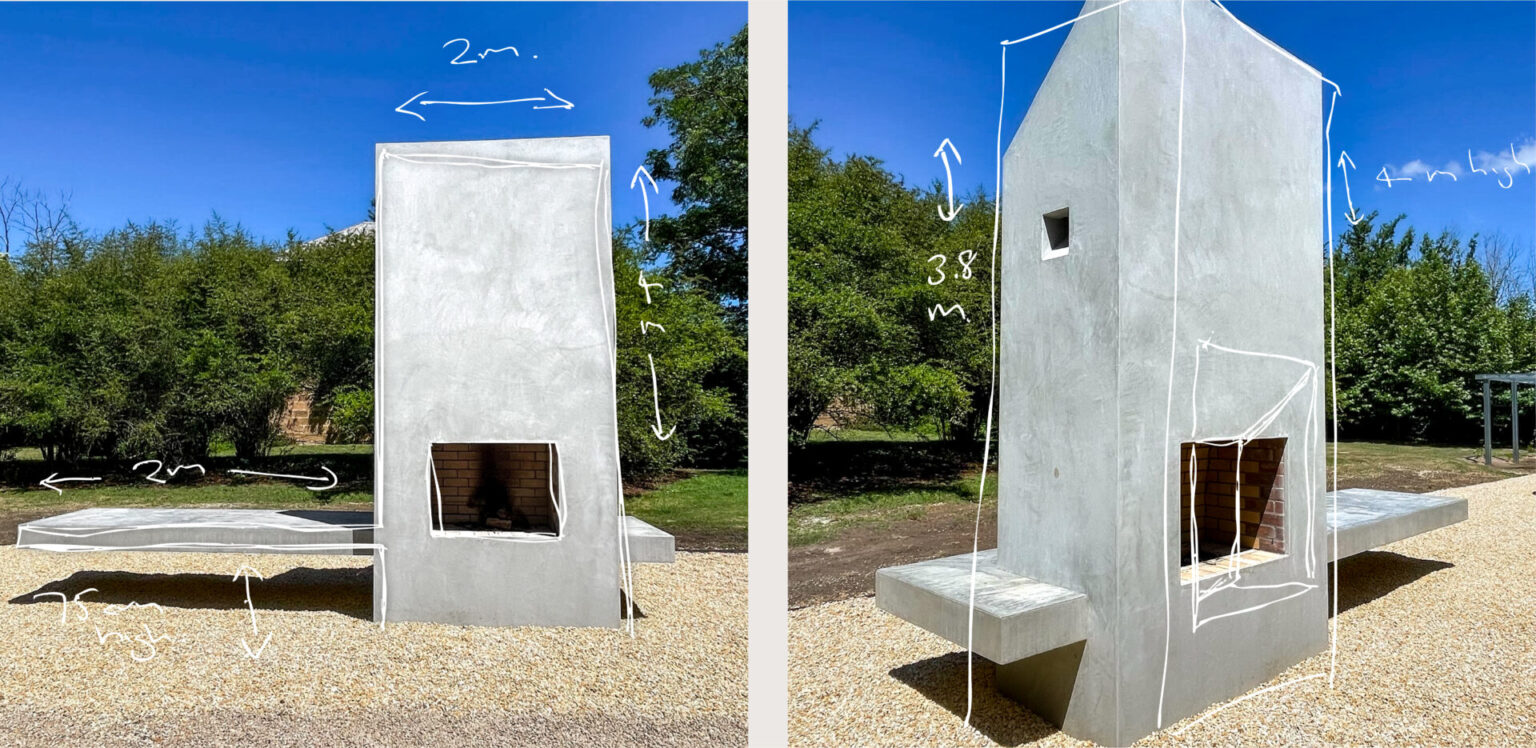
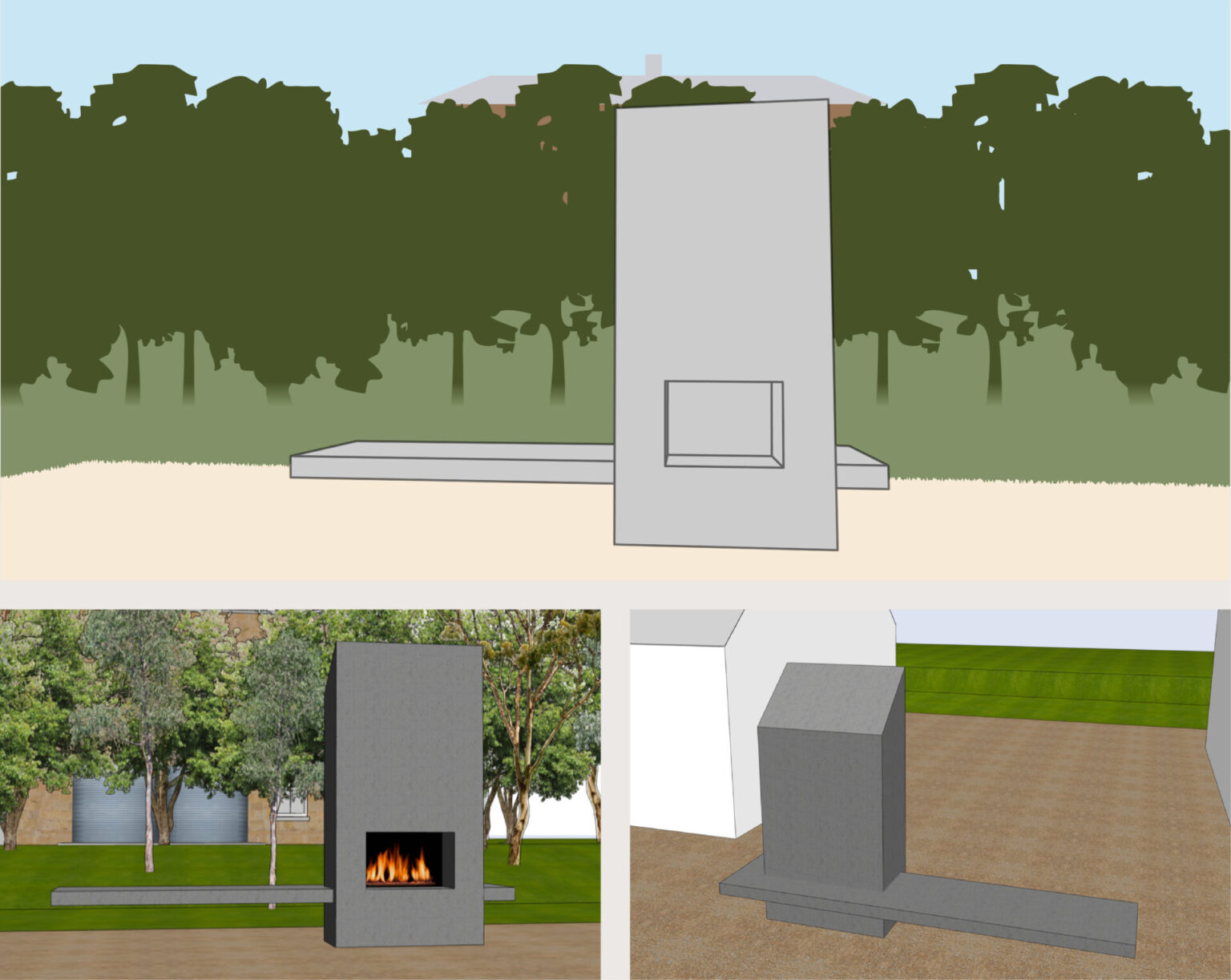
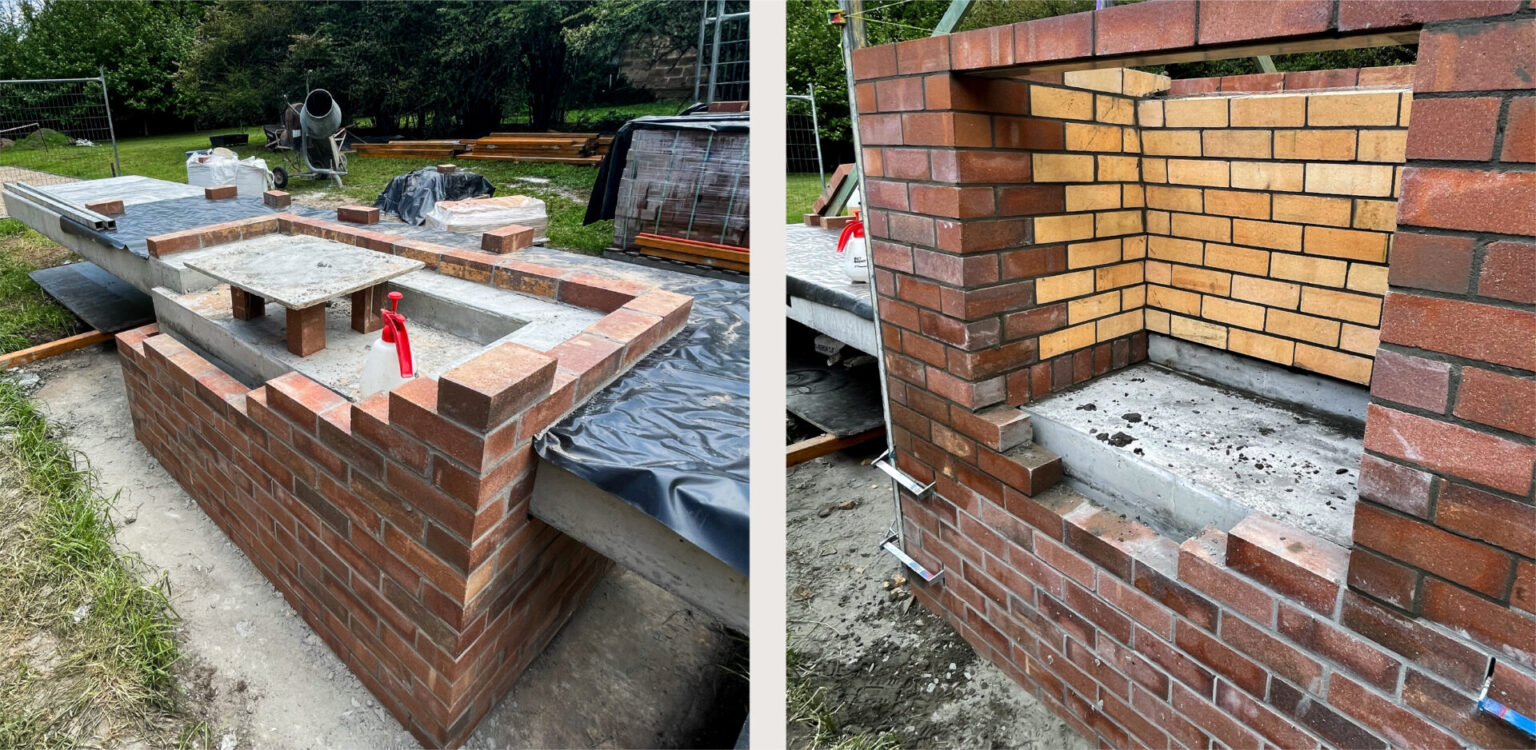
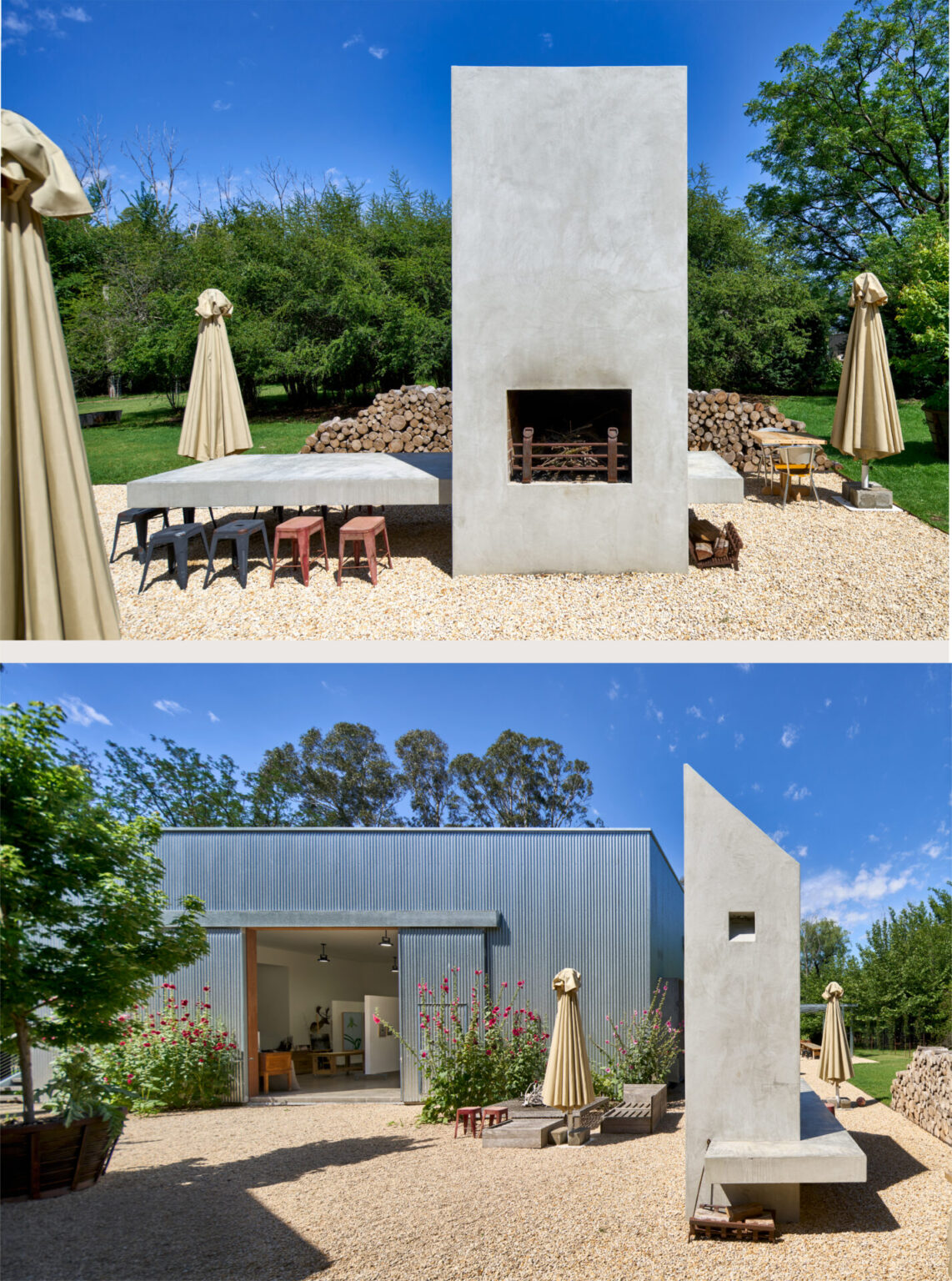
Stretching a commanding 5.8 metres, the design anchors itself around a stone-clad hearth, from which a 3.15-metre cantilevered concrete bench extends to the left before wrapping lightly around the back and right side. This gentle continuation softens the geometry, creates balance, and offers a practical nook for firewood — an elegant interplay of function and form.

At its heart, the firebox — 1200 mm wide by 750 mm high — is proportioned to the Golden Mean, ensuring the entire composition feels intuitively harmonious. Structurally, the piece is a triumph of balance.

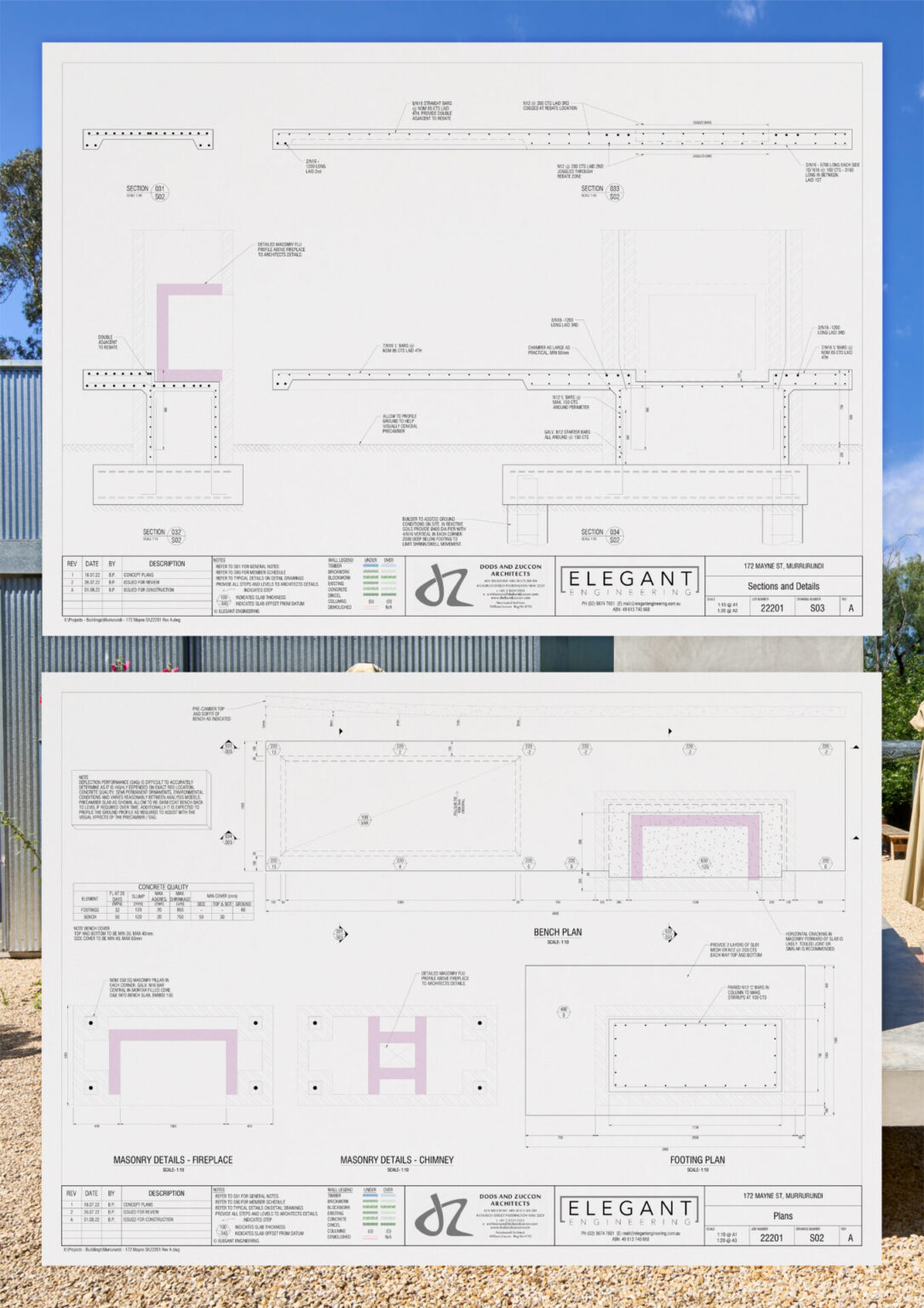
The 220 mm-thick bench, hollowed beneath to reduce weight, is formed from high-strength 50 MPa concrete, reinforced with N16 bars and pre-cambered to counteract deflection over time.

Elegant Engineering’s drawings reveal the hidden choreography beneath the surface: offset footings resisting rotational forces, piers and reinforcement cores absorbing stress — all so the bench appears to float, effortless and assured.

Seen in person, the fireplace reads as both sculpture and purpose. The concrete’s soft, milky-grey patina catches changing light, its simplicity giving it presence without pretension. The mass of the tower and the precision of the cantilever strike a calm tension — a balance of geometry, gravity and grace.

The result is both hearth and sculpture — an object that radiates warmth, proportion and personality. In its restrained palette and deliberate geometry, this Murrurundi fireplace becomes not just a place to gather, but a statement of how architecture can find quiet strength in structure. And it’s now out there.

Michael Reid OAM

Amelia Zander of Zander & Co.

Posted by

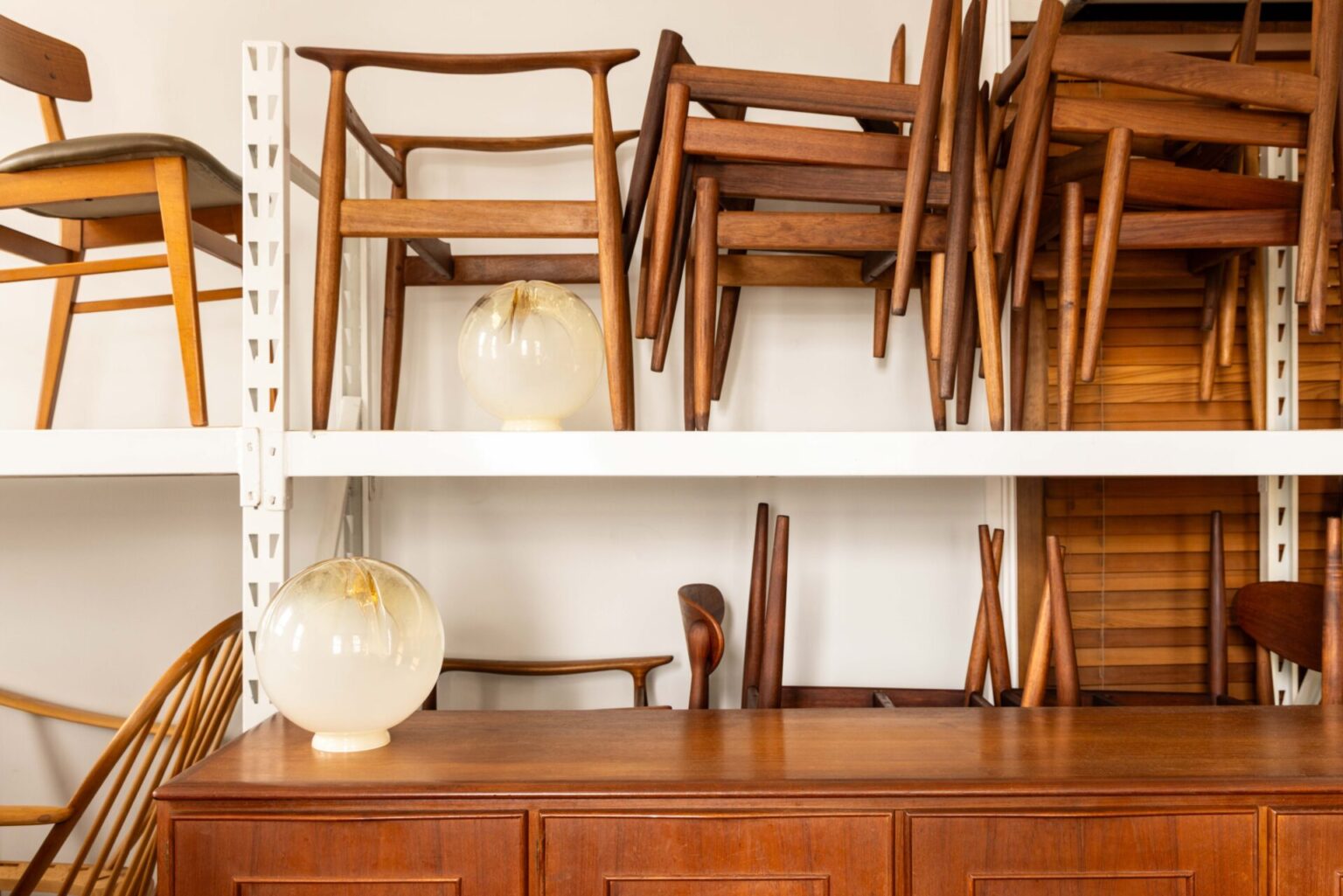
Vintage furniture collector, restorer and retailer Amelia Zander has built her business, Zander & Co., on the belief that great design should be lived with – not kept at a remove. On the eve of Pied-à-terre – a collaborative exhibition at Michael Reid Murrurundi that pairs Zander & Co.’s mid-century pieces with works by leading contemporary artists, all presented in a series of evocative interior vignettes – we spoke to Amelia about her creative approach and how a blurring of disciplines finds expression in her hybrid home and workspace.

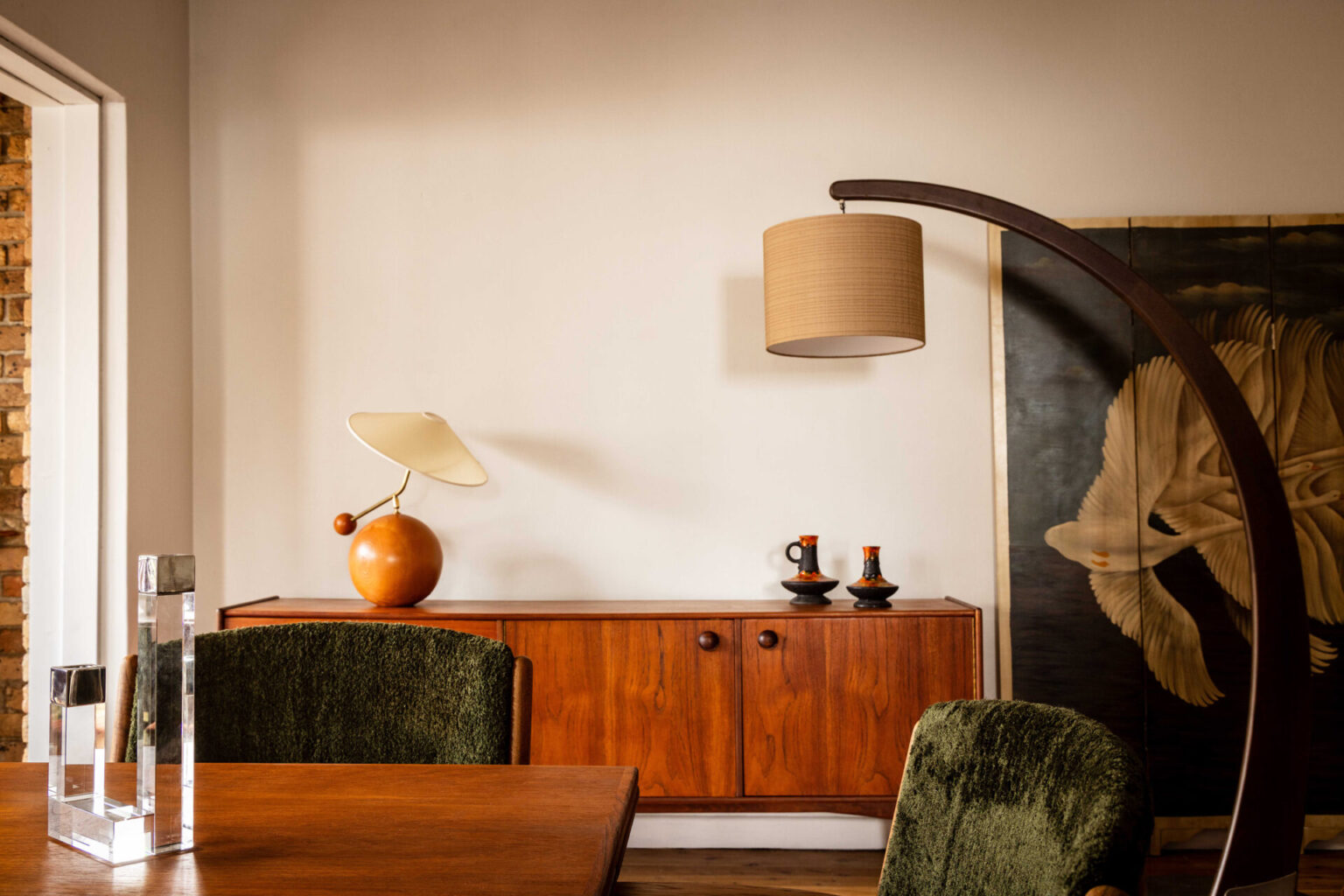
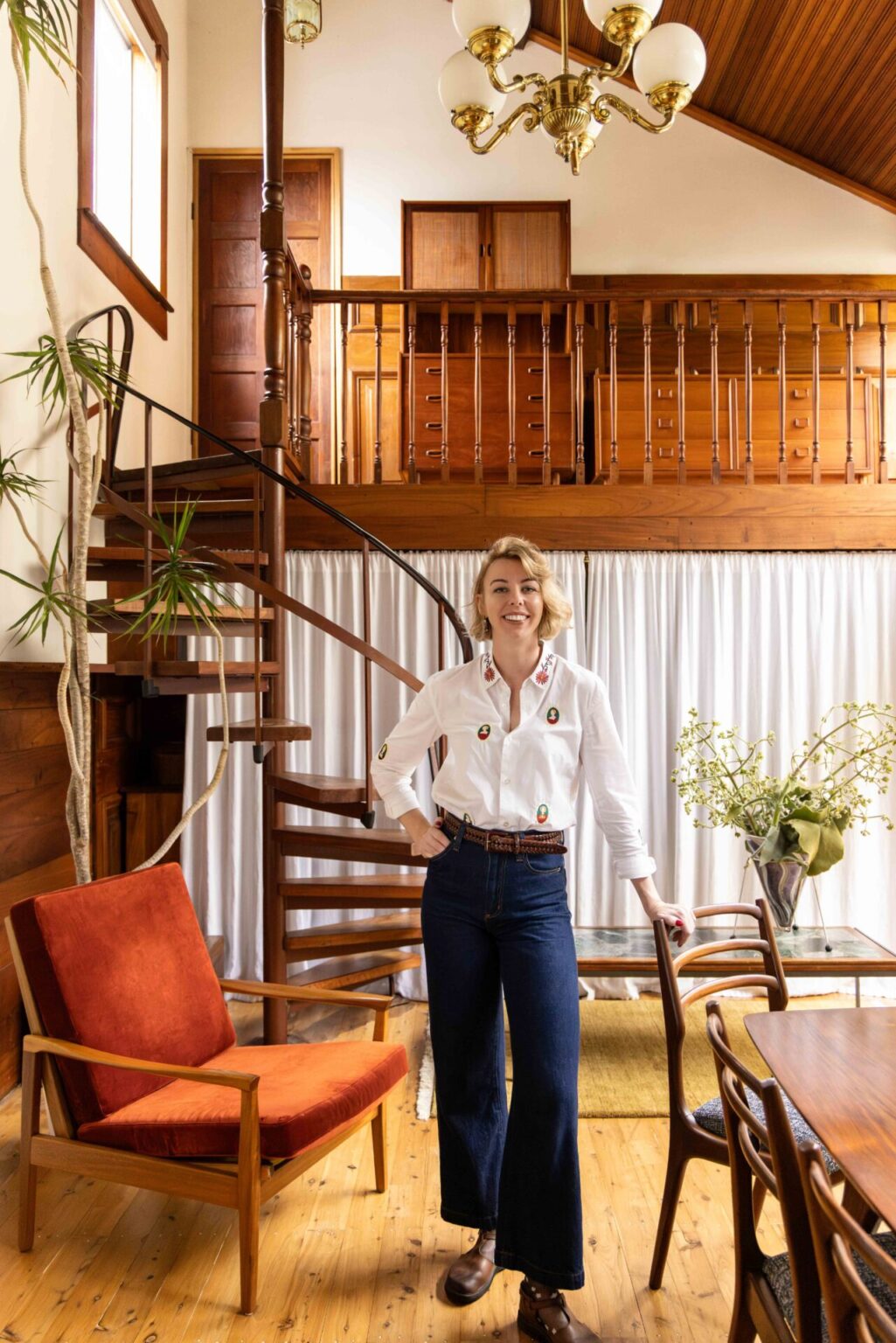
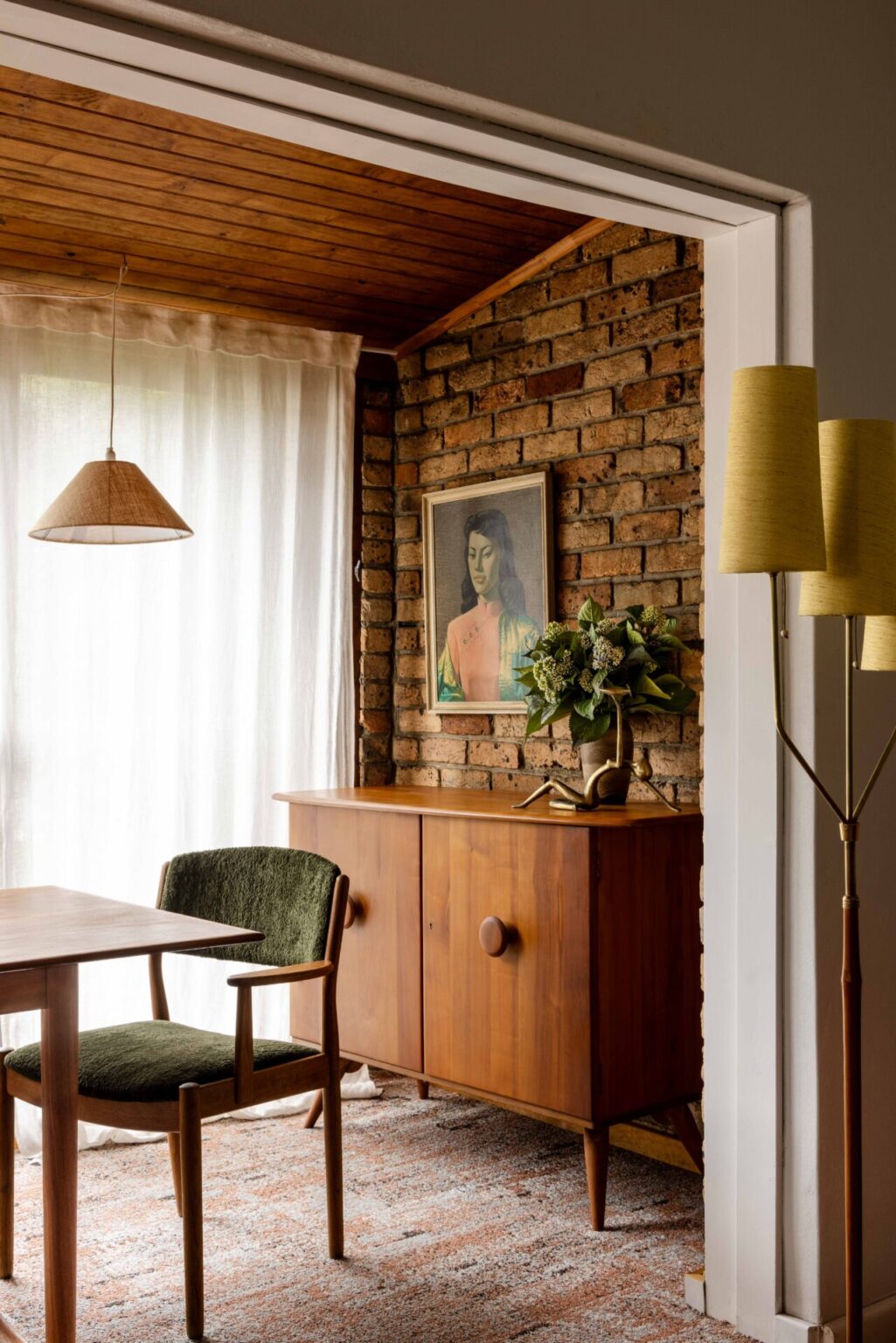
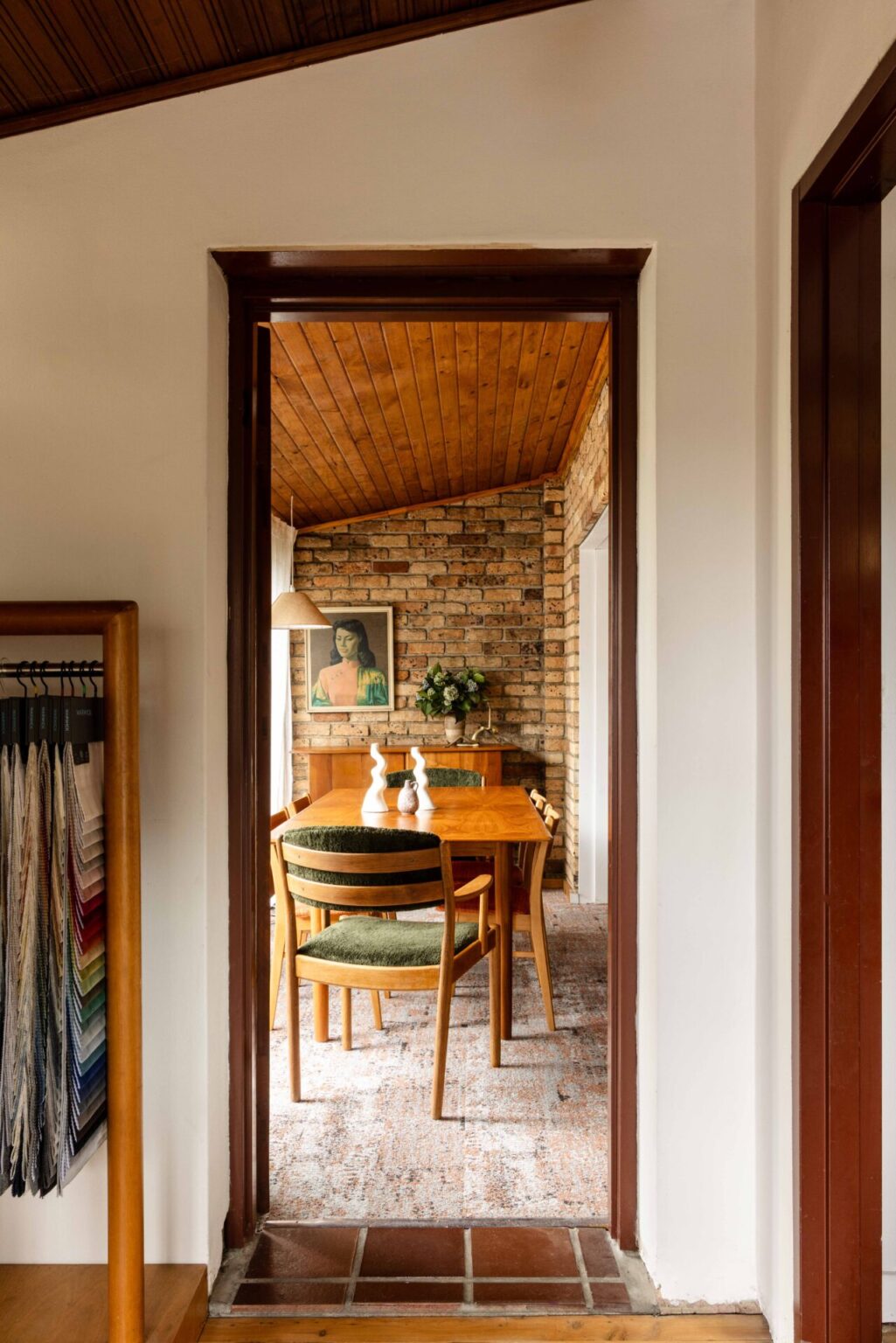
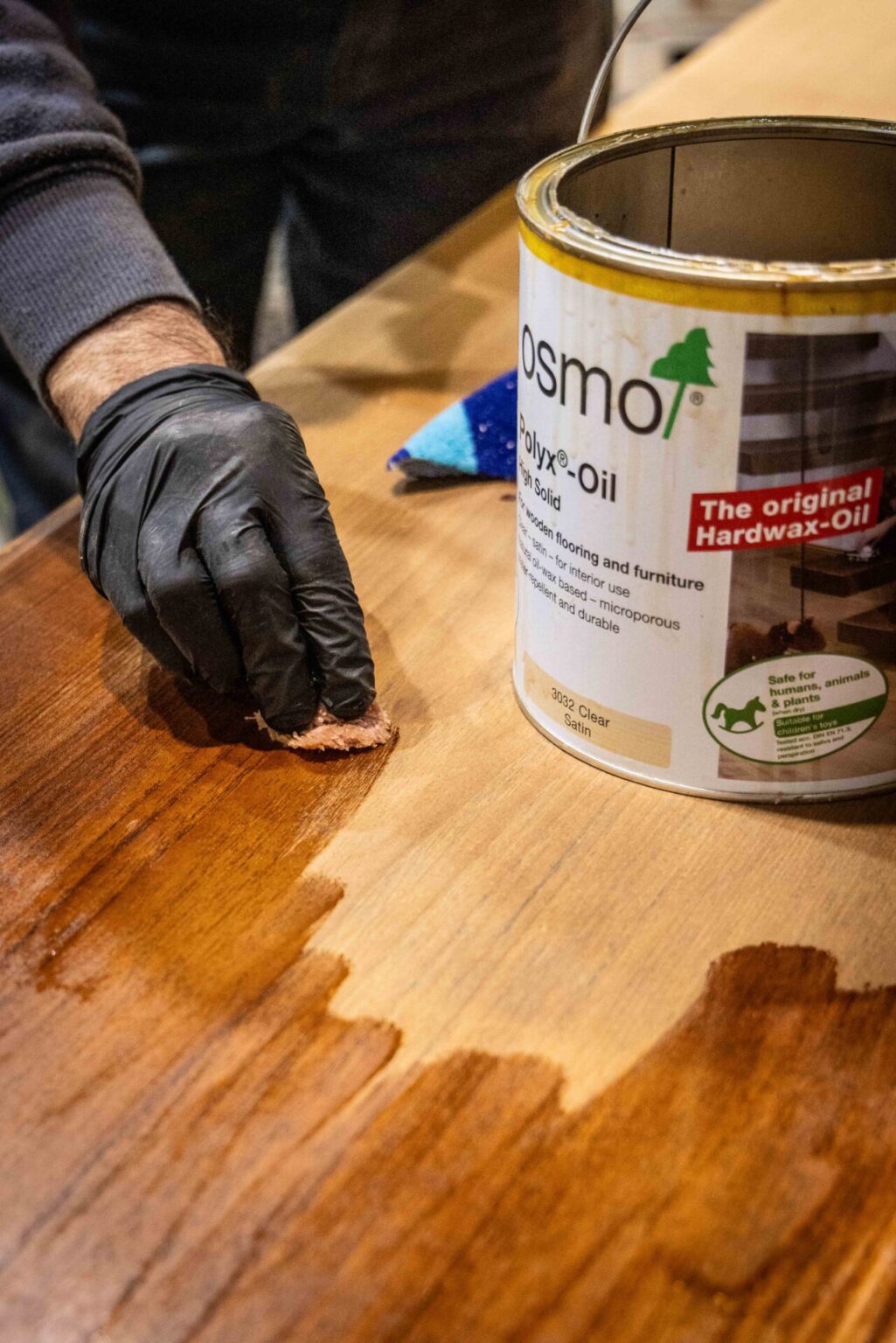
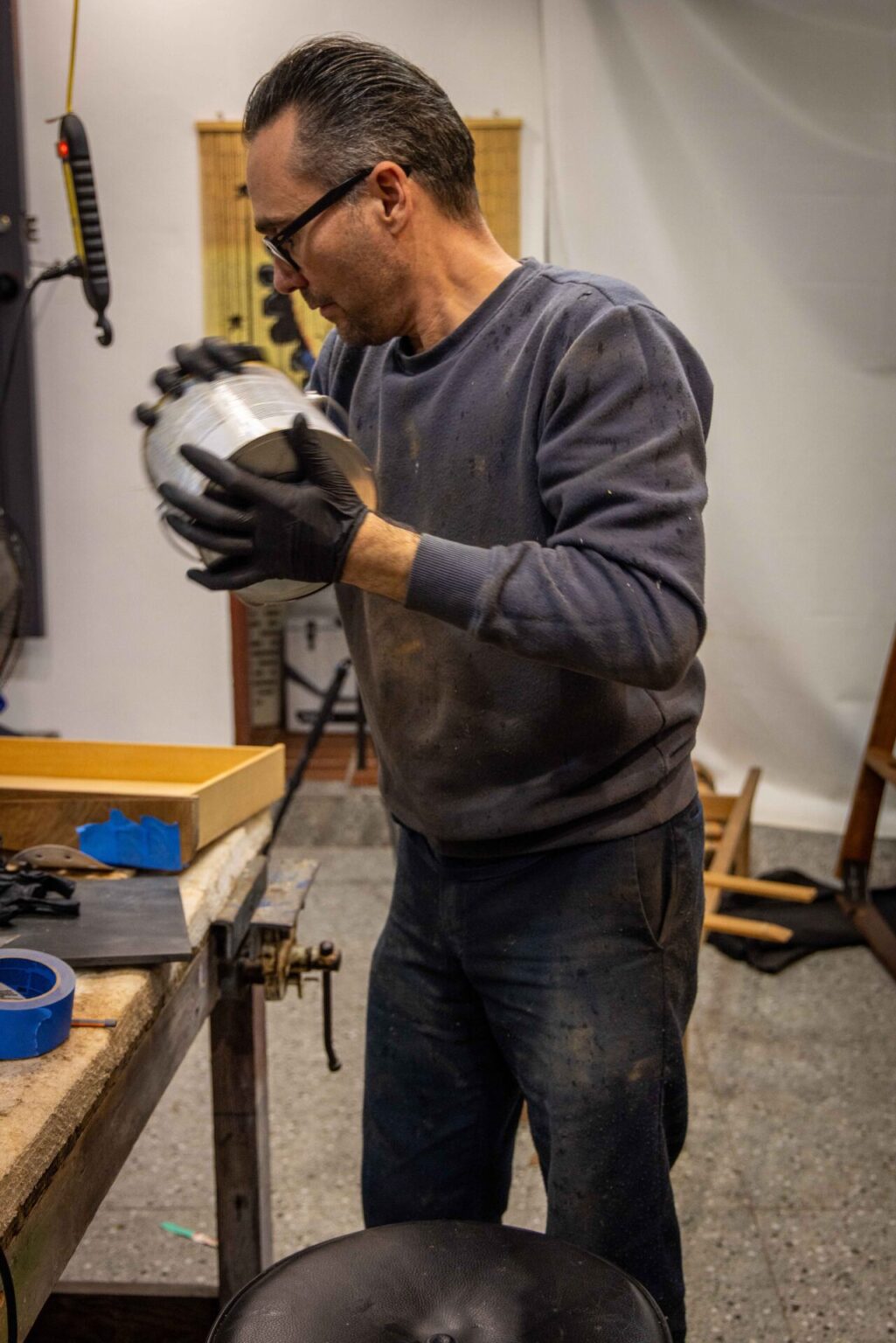
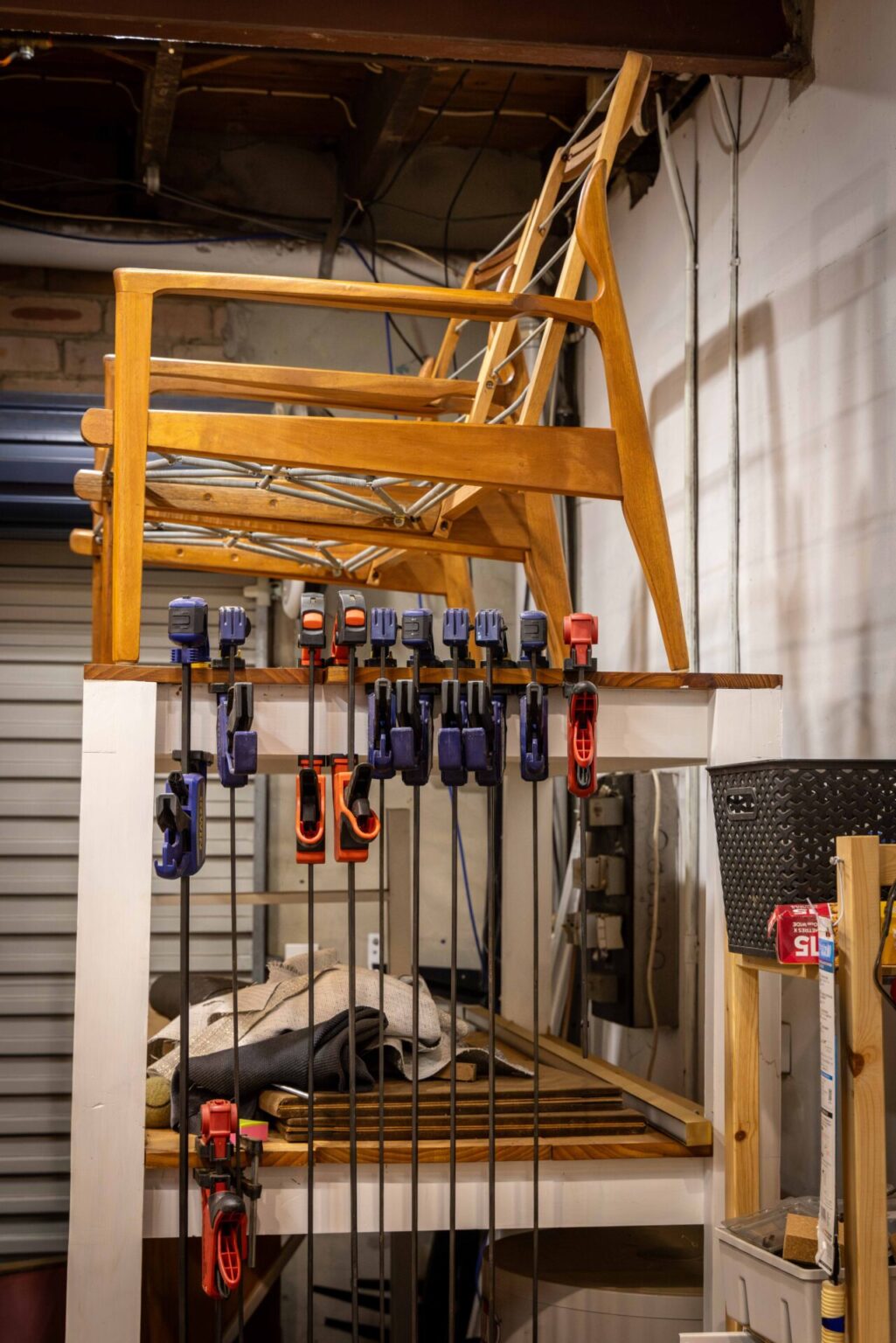
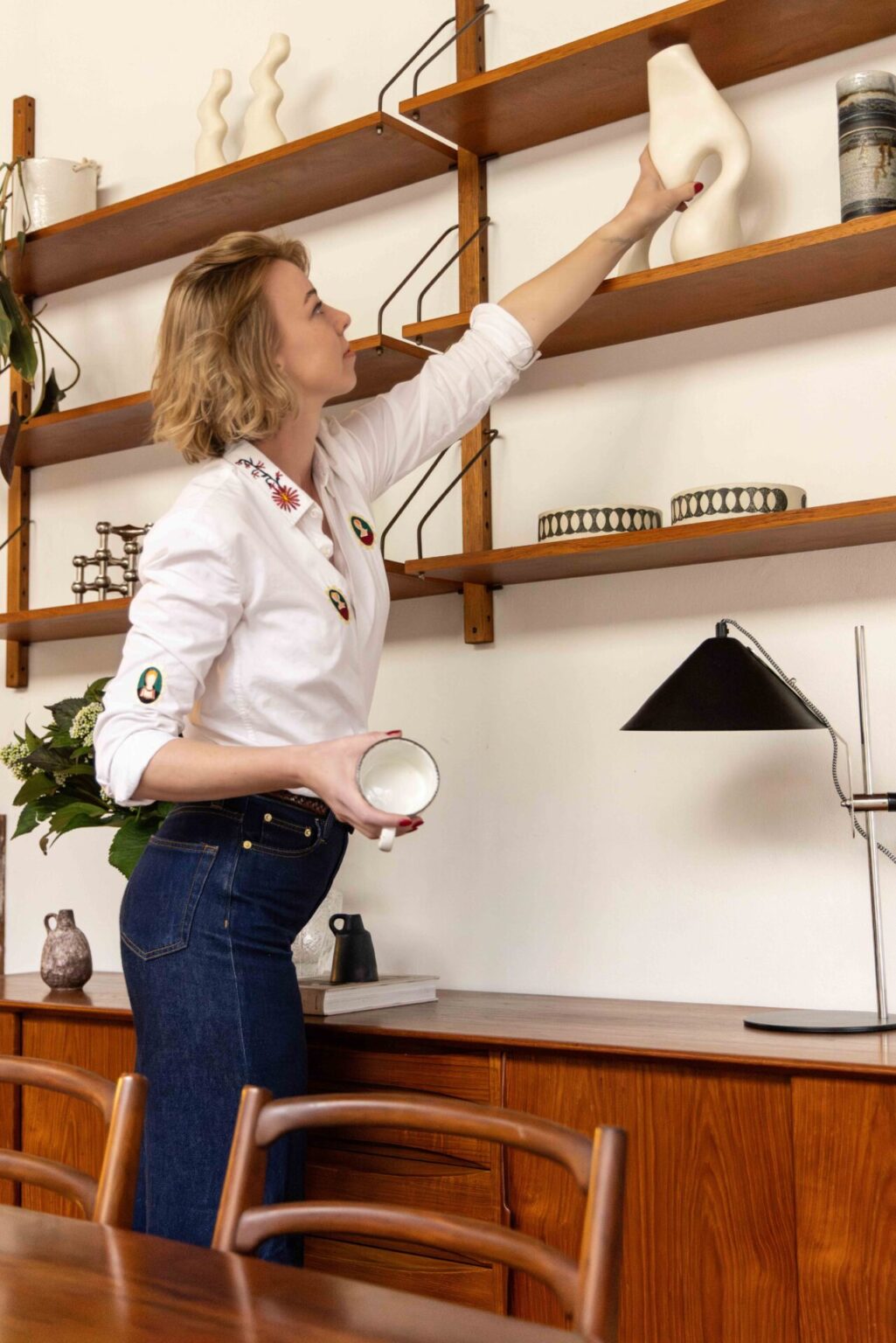
Art and life are closely entwined for vintage design collector, curator, restorer and retailer Amelia Zander. At her hybrid home and headquarters – set behind a former shopfront on a quiet street in Sydney’s Annandale – the domestic rhythms of family life are folded into the inner workings of her mid-century furniture business, Zander & Co. Flowing from retail gallery and showroom to restoration atelier, workspace, and the busy hub of her young family’s home, this dynamic space and its softened boundary between the public and private is a prime expression of the creative cross-pollination that underpins her work. It reflects her belief – seeded from a young age – that good design shouldn’t be placed behind glass. It should be lived with, handled and, over time, imbued with its own life and traces of the past.

“I grew up in a big family, one of seven kids, and we didn’t have a lot of money, but my mum was incredibly creative,” says Amelia, recalling a childhood spent trawling through op shops and garage sales for weird and wonderful treasures. “On long drives, Mum would say, ‘Keep your eyes peeled for treasures on the side of the road.’ She’d find discarded concrete balustrades and turn them into painted ‘lighthouses’ for the garden. It was how she expressed herself creatively, alongside the relentless domestic duties of raising a family. From a young age, I was surrounded by antiques and what my mum referred to as ‘Junk – the rustier the better.’ It was no wonder I’d end up working with old things.”

Together with her studies, first in design and later with a Bachelor of Art Theory at UNSW – as well as her time spent in Berlin, where she thrilled to the blurred creative boundaries of a culture where fashion, food and interiors overlapped as a single expression of cool, lived-in style – Amelia’s early influences have shaped an intuitive approach to collecting and an affinity for design as embedded within the everyday. “I’ve always collected furniture and design pieces for my own home,” says Amelia, whose private passion became Zander & Co when sourcing for herself evolved into sourcing for others.

“I’m constantly drawn to things that speak to me, and I love bringing them into my collection, even if just for a little while. Nothing excites me more than when a customer comes to me with a specific piece they need. I love the challenge of finding just the right thing. Sometimes I’ll even sell something from my private collection if it suits what someone is looking for. I like to live with the furniture first – really fall in love with it before I let it go. I only sell pieces I connect with – things I’d happily keep in my own home.”

With one-year-old and three-year-old at home, Amelia began sourcing, restoring and “flipping” mid-century furniture while teaching herself photography to elevate the online presence of her budding business. Things took off when she moved to a new home in Leichhardt with a small shopfront attached.

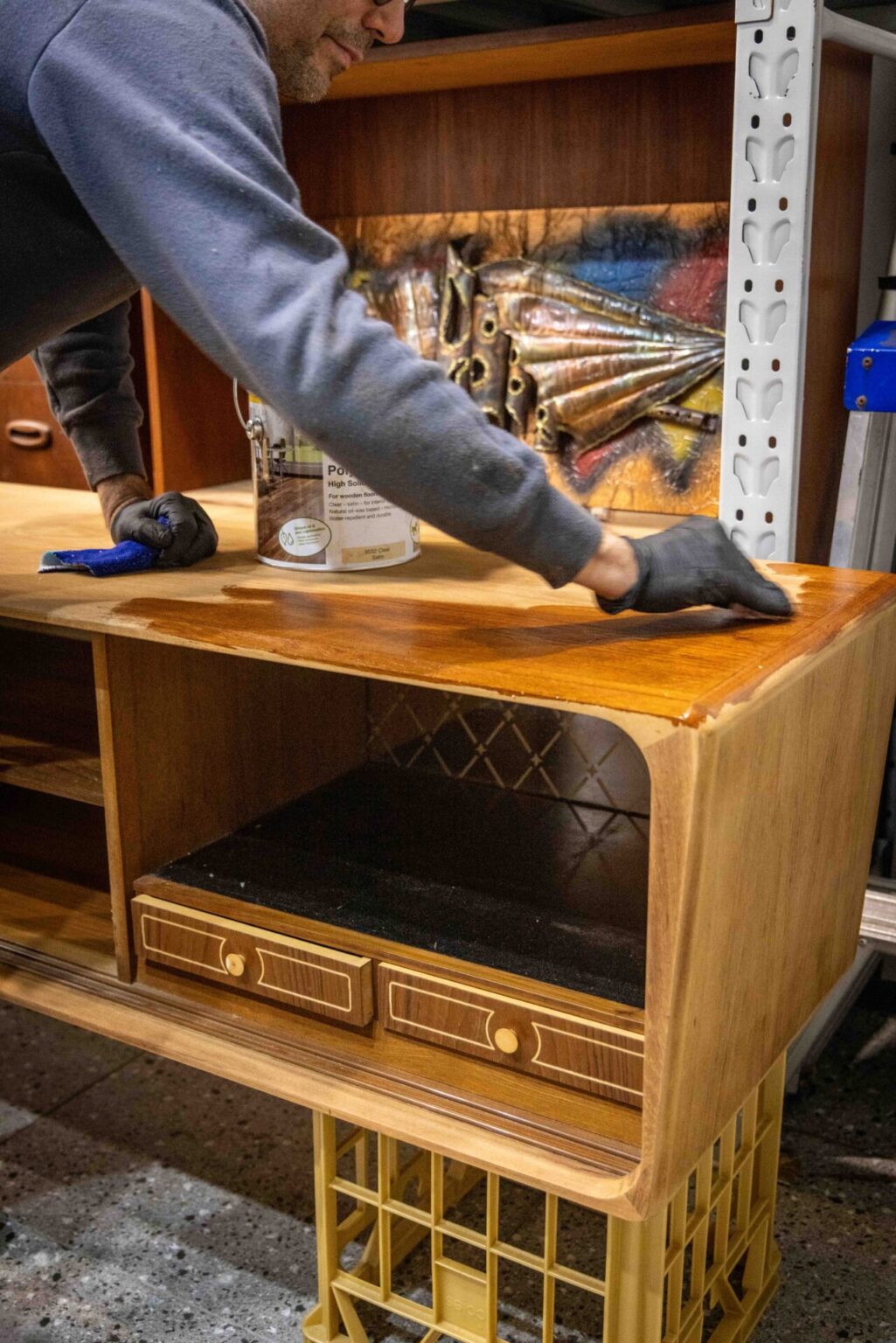
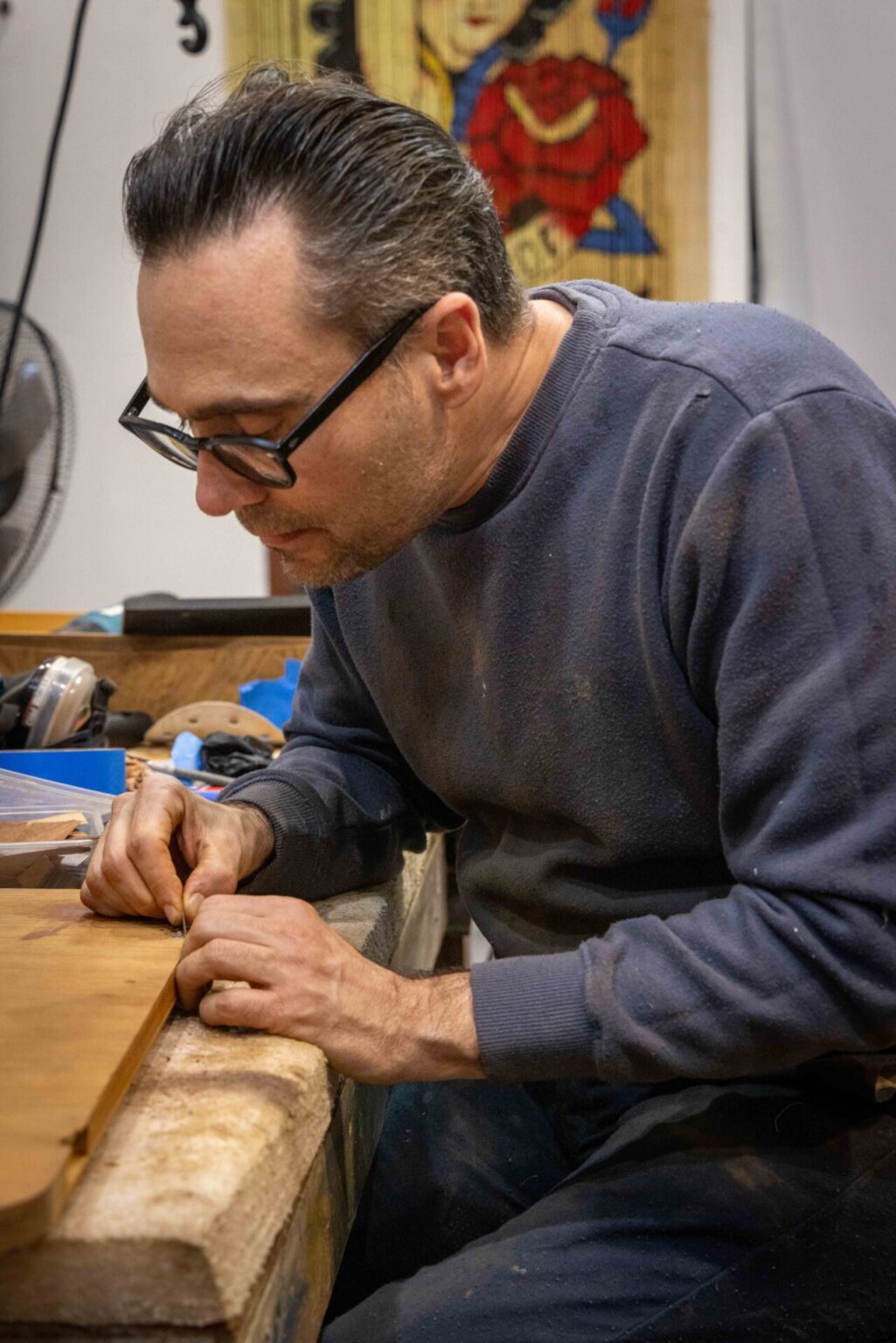
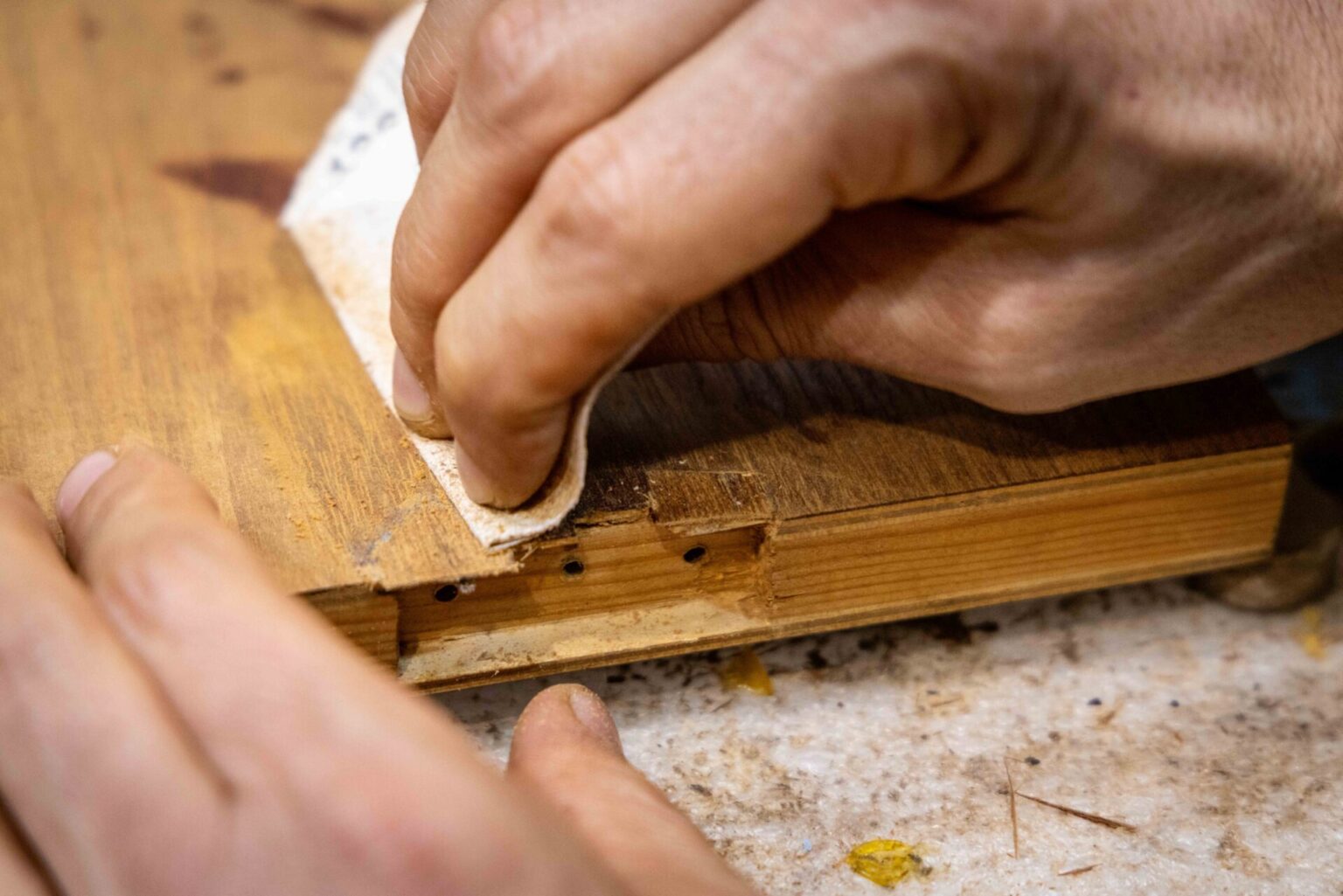
“I was blown away by the response and how strong the demand was for vintage furniture,” says Amelia, who spent hours researching, experimenting and learning the art of furniture restoration before, in 2023, demand grew so strong that she engaged artisan and restorations specialist Shawn Supra – now her business partner – to support Zander & Co’s continued expansion. “He had worked for various mid-century furniture businesses in Sydney and the US as a refinisher, and he also had a background in cabinet making. Bringing him on board really lifted our restoration quality and capacity. He’s incredibly meticulous and genuinely loves the challenge that each piece brings.”

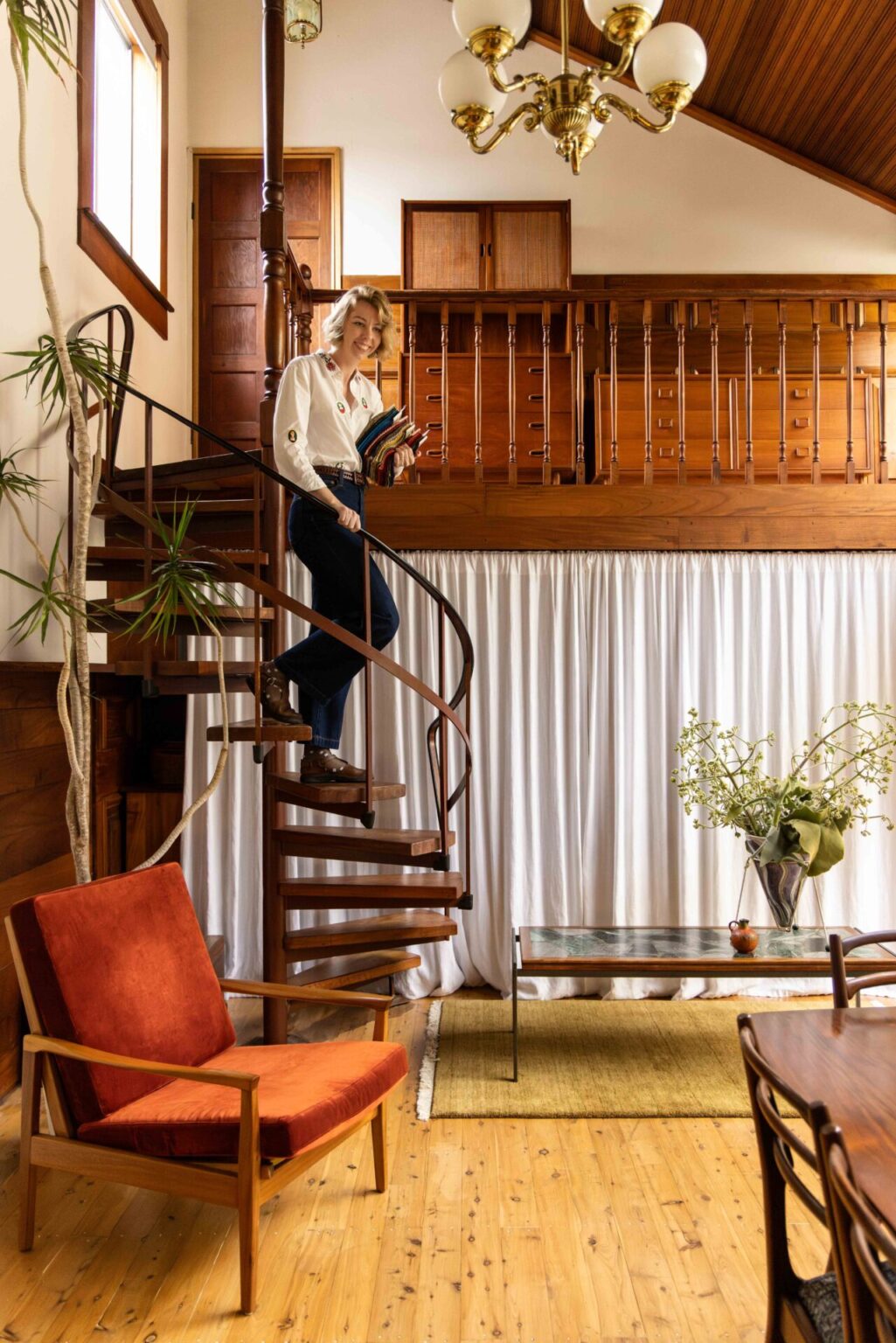
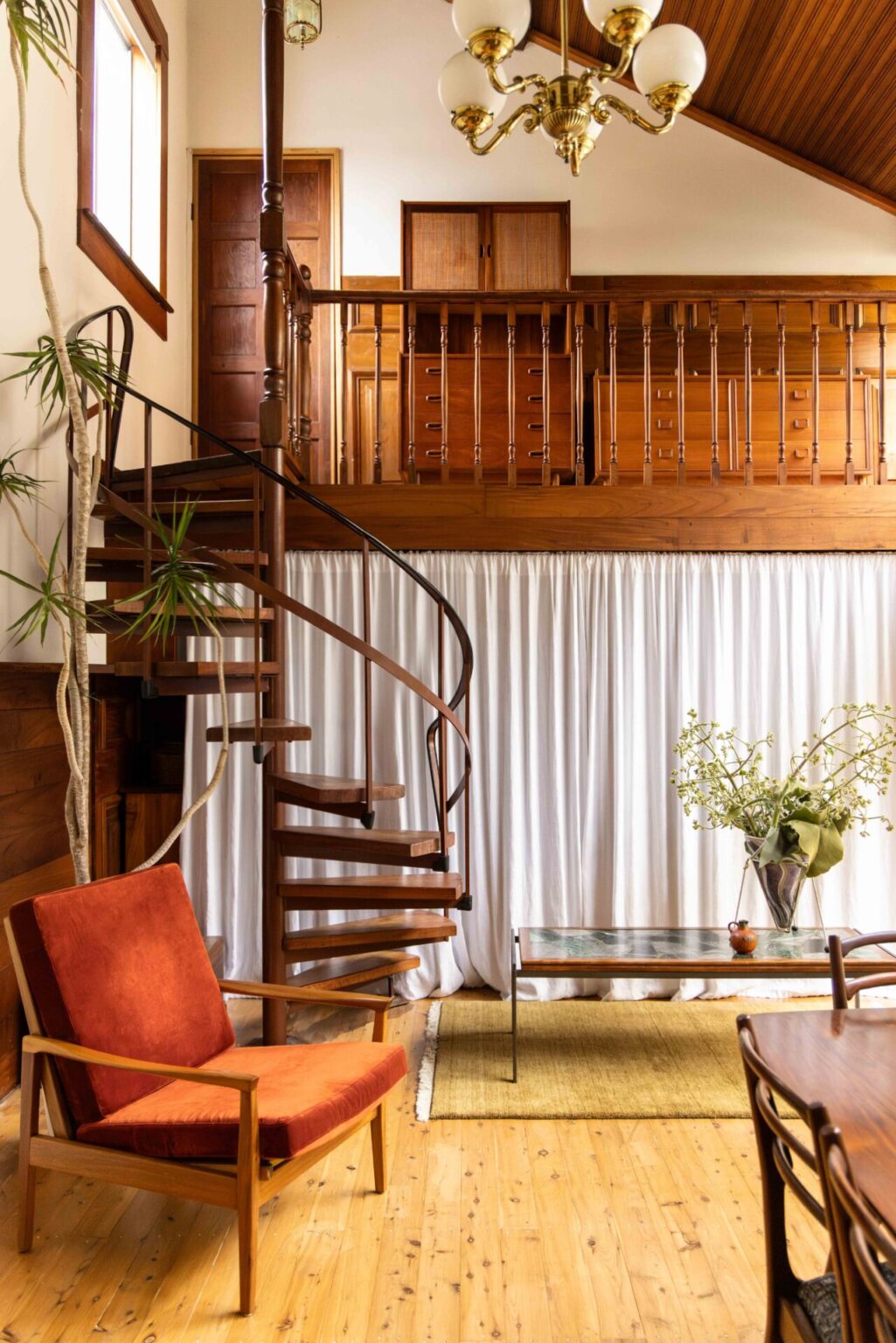
After 18 months in Leichhardt, it was time to move again. “We needed somewhere with workshop space, but also somewhere we could live,” says Amelia. “Trying to find something that ticked all those boxes felt nearly impossible. When I visited our space in Annandale, I knew it was the one.” The building, originally a confectionery store built in 1905, had been home to various businesses over the years. “It had been thoughtfully renovated, keeping so many beautiful original details: old timber, brass fittings, antique panelling, high ceilings and even a spiral staircase,” she says. “I immediately knew it would be the perfect backdrop for our furniture. The best part was that it was pretty much ready to go. Aside from some drapery and new ceiling lights, we didn’t have to do much at all. We were just incredibly lucky that it already felt so right.”

In Annandale, Amelia found a space that met the requirements of family life and a growing design business all under one roof. “I have small kids,” she says, “and the house isn’t always as organised as I’d like. Thankfully, the showroom is only open to the public one day a week, and I do my best to make sure it looks nice enough for that one day.” But the honesty of the arrangement is essential to its charm. “Everyone’s life is a bit messy at times, and I think visitors actually enjoy seeing the furniture in a real home. It helps them imagine how the pieces might work in their own lives. There’s something nice about the overlap, letting the furniture be lived with, not just displayed.”

It’s a spatial ethos that dovetails with the design qualities that most appeal to the Zander & Co team. “I love that mid-century furniture can be restored to function and look almost exactly as it did when it first left the factory. Some pieces will still show signs of their past life, but I see that as part of their story and authenticity,” says Amelia, whose judicious choice of contemporary upholstery textiles helps transform each piece in ways that are both thoughtful and evocative. “There’s nothing more satisfying than taking a tired, worn-out piece with a dull finish and bringing it back to life – not to make it look brand new, but better than new, because it’s real vintage furniture with a real history, given a fresh new chapter.”

By celebrating the authenticity and time-worn patina of vintage pieces – and presenting them against evocatively layered, live-in scenography – Zander & Co has tapped into a broader appetite for experiencing art and design in a residential context. They eschew the cool, white-cube setting of a typical gallery or retail space in favour of something richly personal, redolent of history, and attuned to the realities of how we live now.

Call it the Milan effect – with the Italian style capital’s annual Design Week inspiring a tilt towards retail spaces that feel like eclectic, idiosyncratic abodes – or a blurring of public and private realms amid social media sharing and the post-Covid reshaping of work/life balance. Or perhaps it’s just our eternal curiosity about how other people live. Today, there is a shift away from viewing art and design at a curatorial remove, towards experiencing objects in settings that tell a story – emotionally resonant, mood-setting spaces that reflect the collecting tastes of the people who might live there.
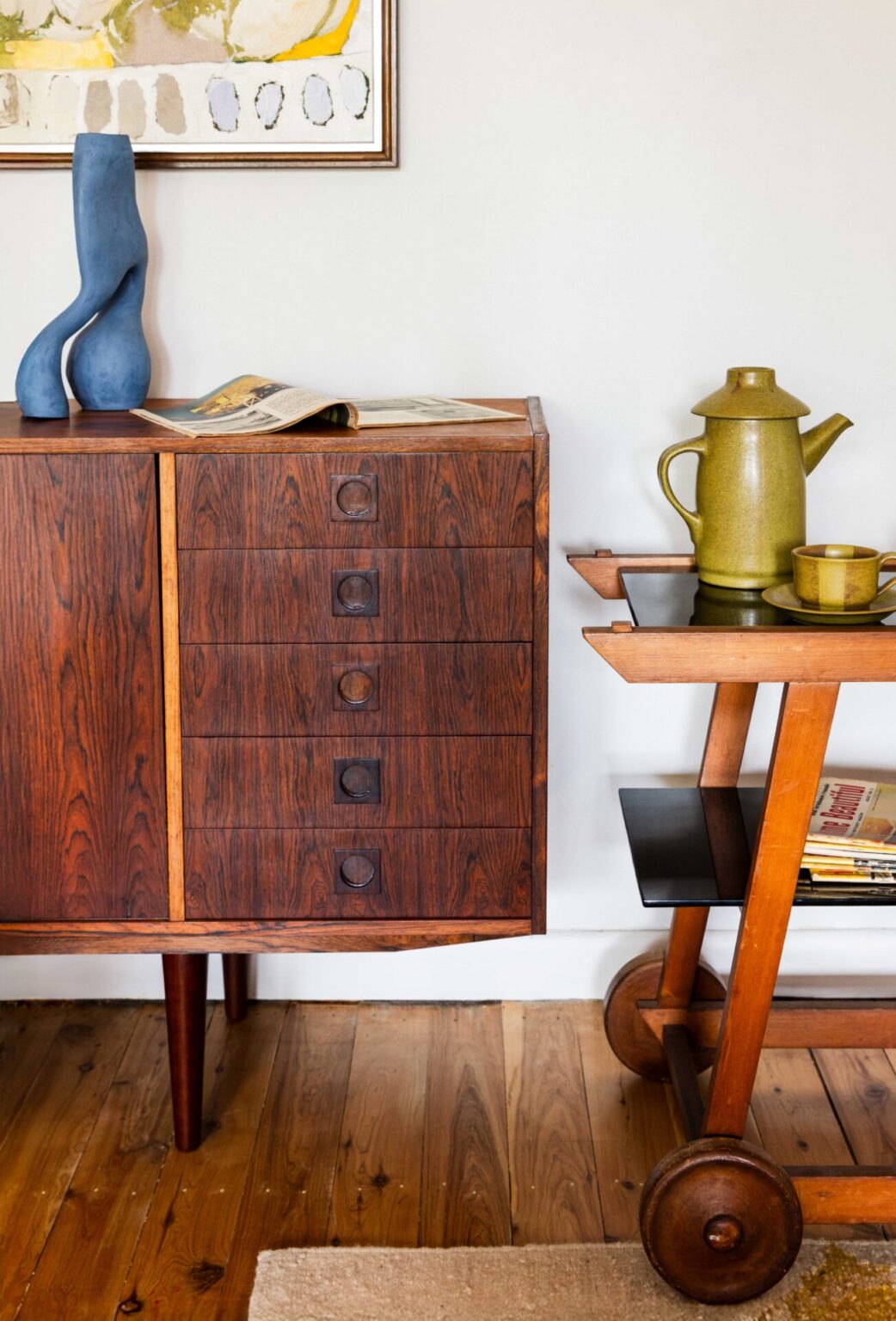
It’s in this spirit of openness and creative cross-pollination that Amelia has now teamed up with Michael Reid Murrurundi for Pied-à-terre – a collaborative exhibition that will see beautifully restored pieces from the Zander & Co collection paired with a curated selection of new works by some of Australia’s most acclaimed and in-demand contemporary artists – all playing out in a sequence of styled living room vignettes within the gallery walls.

“We were really excited when Daniel Soma from Michael Reid invited us to be part of this exhibition. It felt like a great opportunity to showcase what we do best,” says Amelia. “We’ve included a few pieces that highlight our restoration work – like a beautiful FLER daybed and armchair in Queensland maple, a timber you rarely see – as well as some classic Parker designs. Parker is our best seller, probably because it’s so versatile: the proportions are easy to live with, restoration is straightforward, and the pieces effortlessly reimagine themselves in a contemporary context.”

For Amelia, a favourite aspect of living with her collection is the sense that the maker’s artistic sensibility and intention can be felt in each piece – the trace of the hand bringing a quiet beauty to the everyday. It’s this feeling of artisanship, originality, considered staging, and the mood-setting possibilities of a layered, eclectic space that forms the curatorial thread of Pied-à-terre, which will feature two of Amelia’s personal favourites from her collection: a George Korody traymobile with black vitrolite glass, and a Framac green terrazzo coffee table.

“I’m really looking forward to seeing how it all comes together – the furniture, the art, and the space. I think people will respond with a sense of nostalgia. They usually do,” says Amelia, who sees restoration as a conscious act – a rebuke to throwaway culture in favour of more mindfully chosen, beautiful pieces that have already stood the test of time. “This kind of furniture often reminds people of the homes they grew up in, or their grandparents’ houses. It always sparks conversation, and it’s really special to hear the stories that come out of that.”

Amelia hopes gallery visitors will see the furniture in a new light as it plays out in conversation with a striking contemporary art collection from artists represented in the Michael Reid stable. “When they see [the furniture] restored and reimagined in a contemporary setting, it often shifts their perspective,” she says. “People tell me they regret getting rid of pieces they inherited once they realise how timeless and adaptable they really are. This kind of furniture helps them recreate a feeling — warmth, familiarity, happiness. New furniture can’t offer that same emotional connection.”

Pieces from the Zander & Co. collection will be on view in Pied-à-terre at Michael Reid Murrurundi from 7 August to 21 September. For more, visit zanderandco.com.au

Marlie Draught Horse Stud by Michael Sharp

Posted by

Words: Michael Sharp

Photography: Ashley Mackevicius

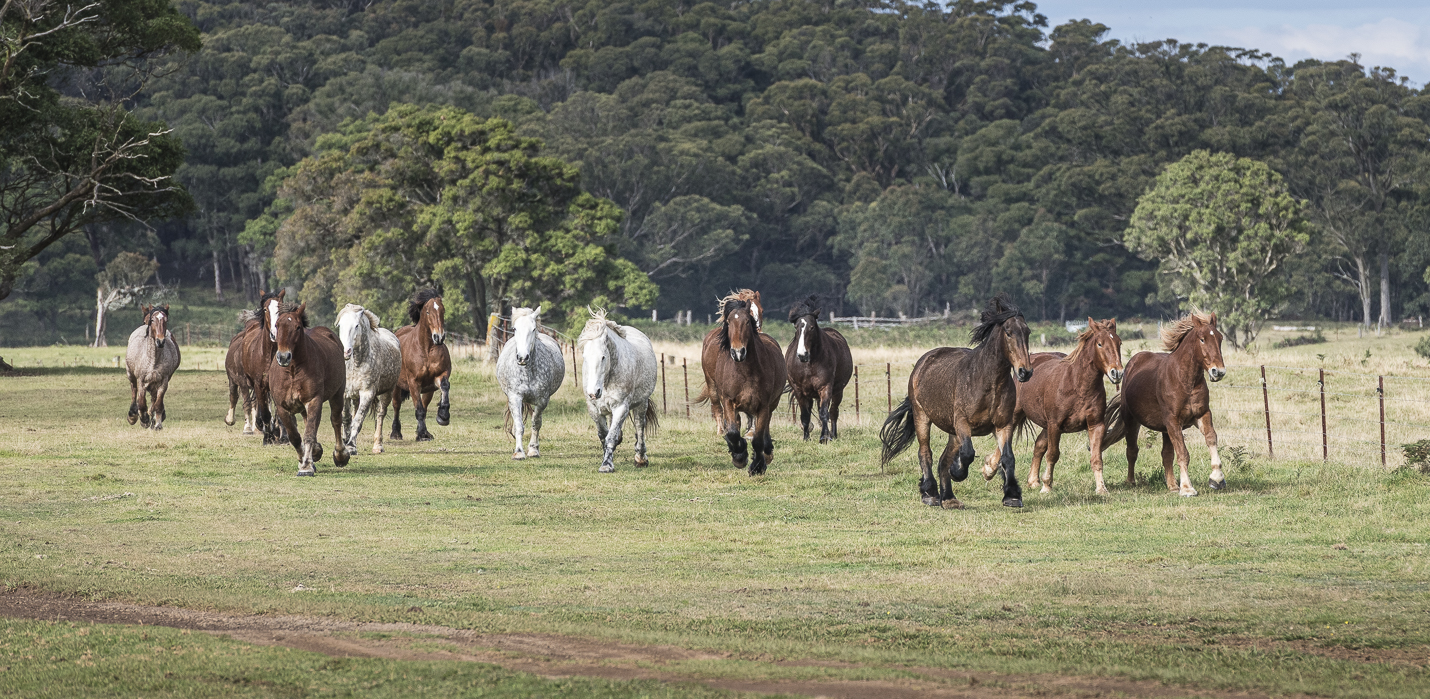
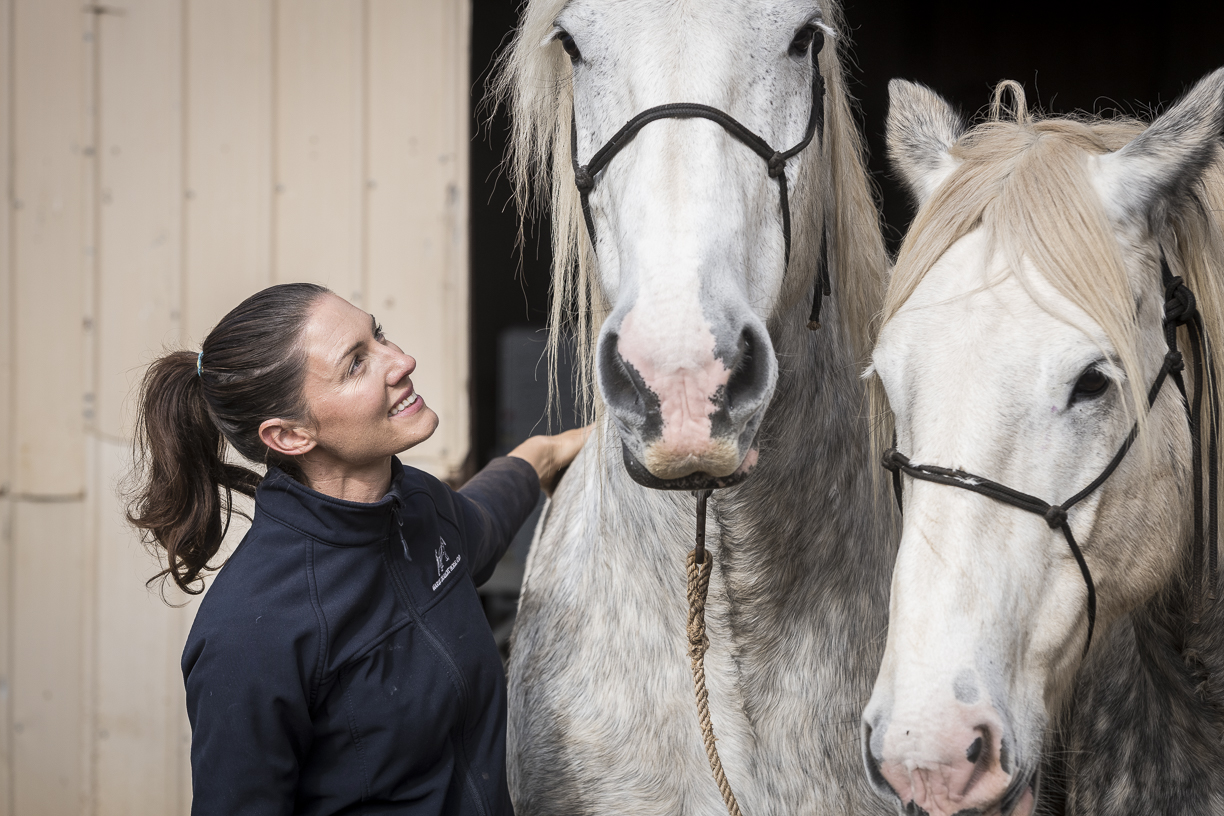
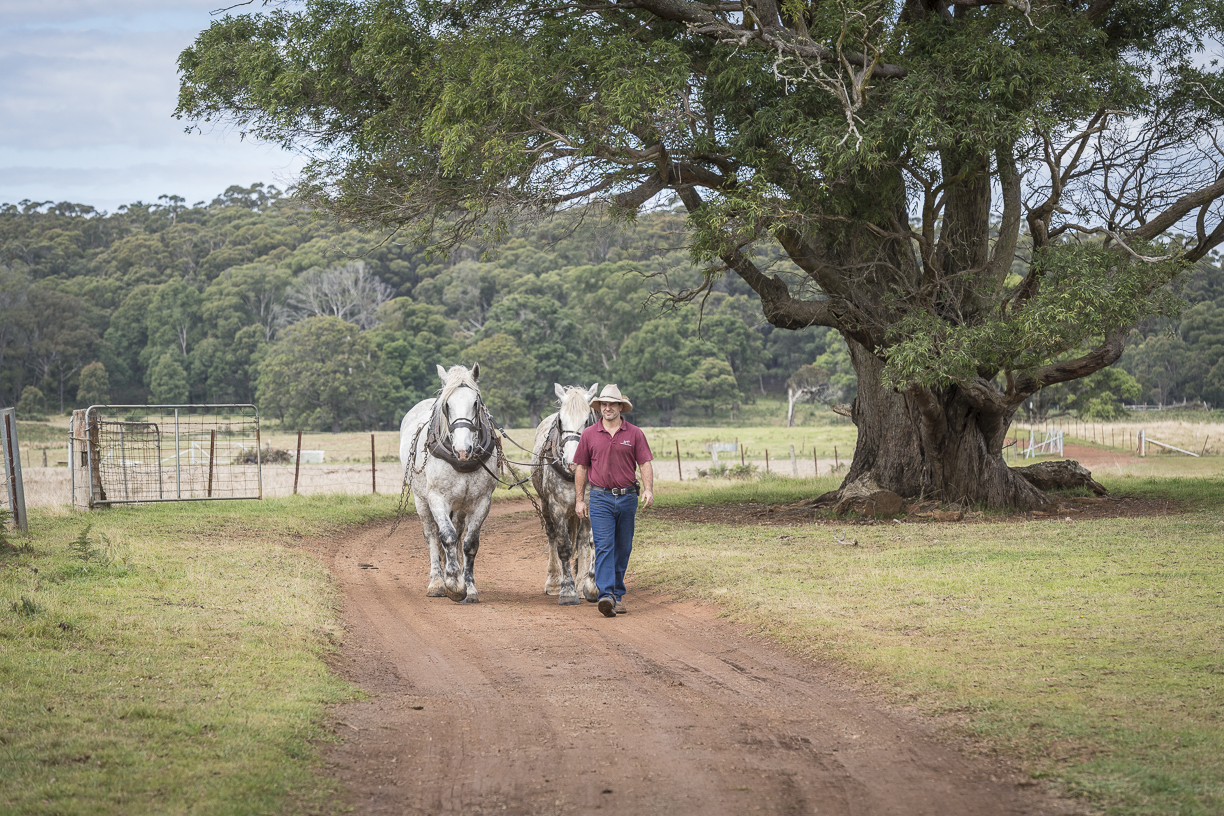
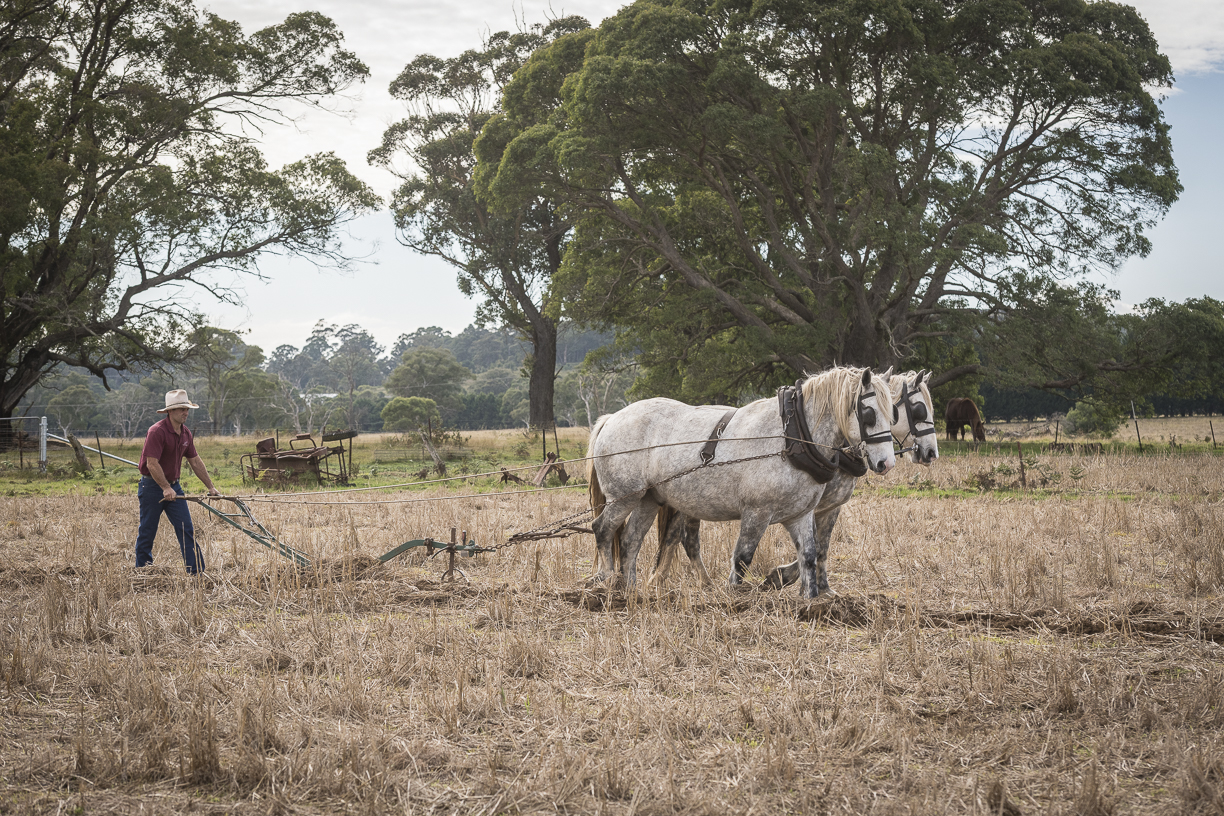
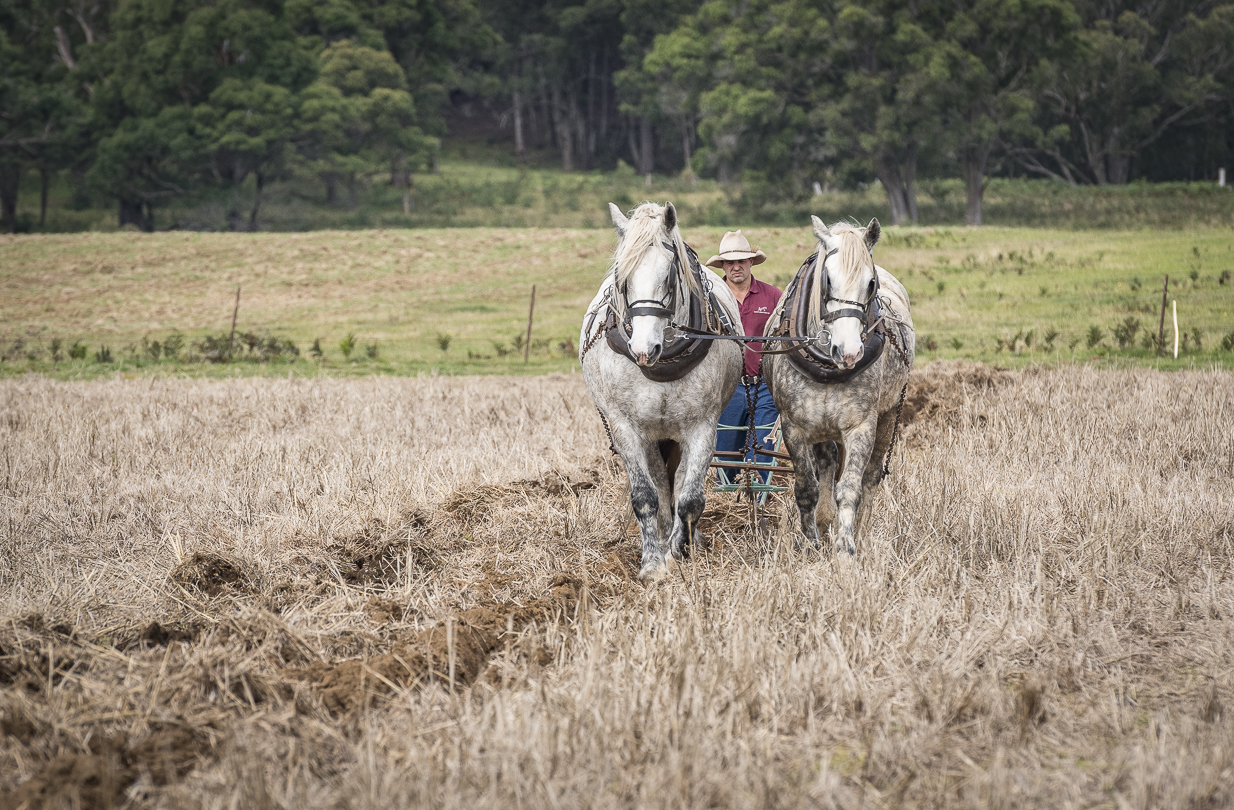
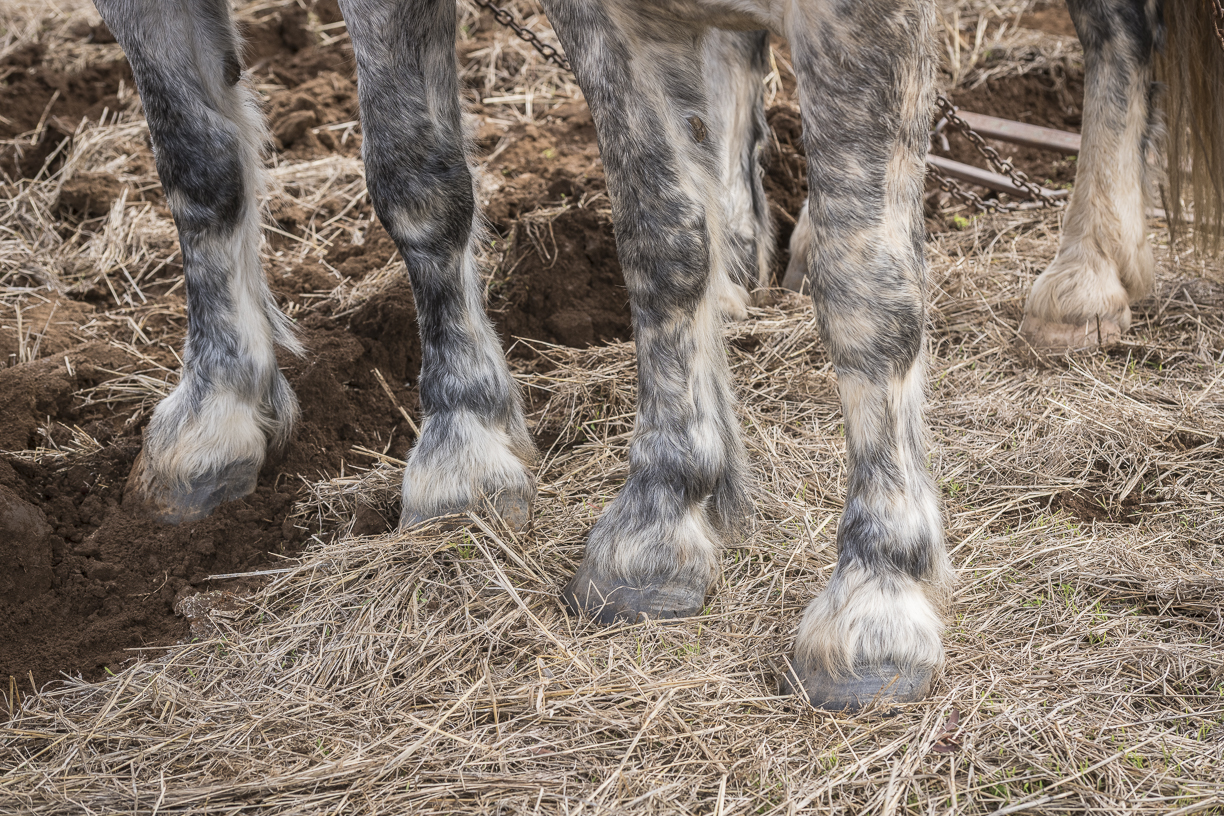
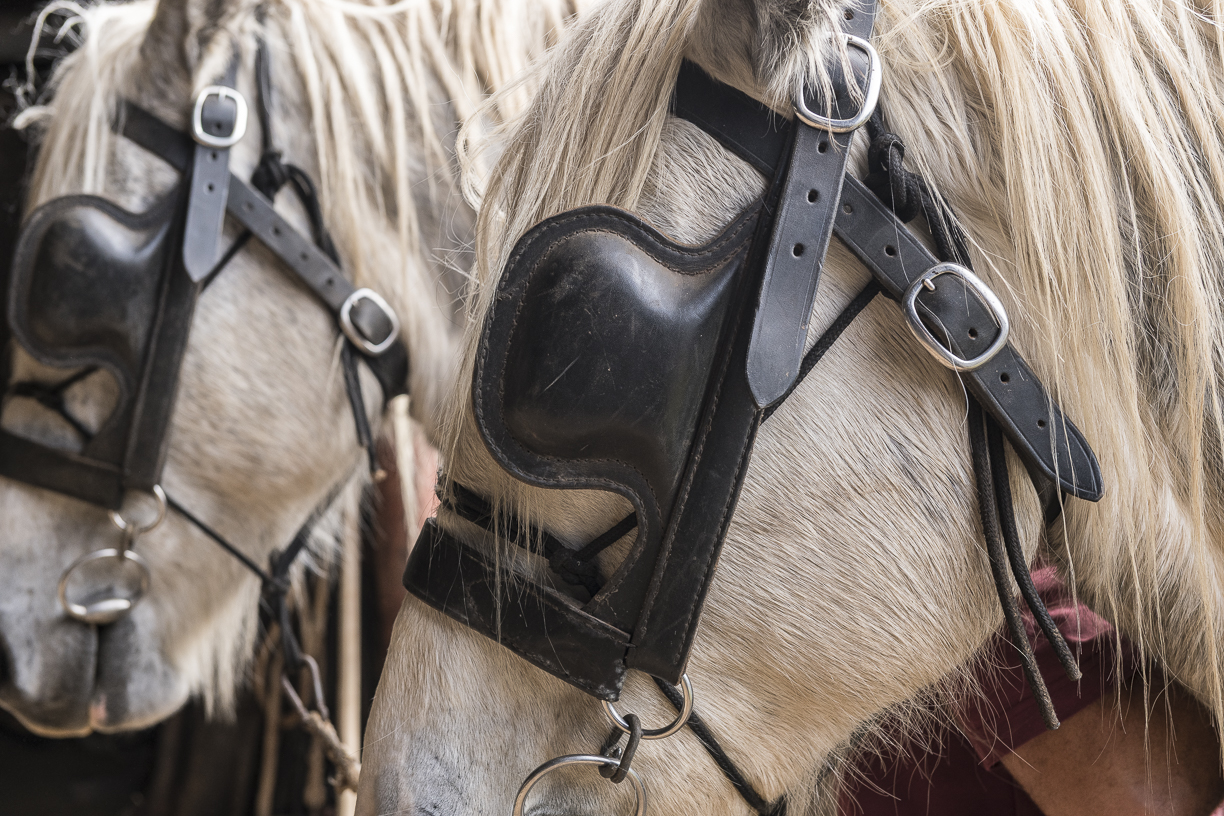
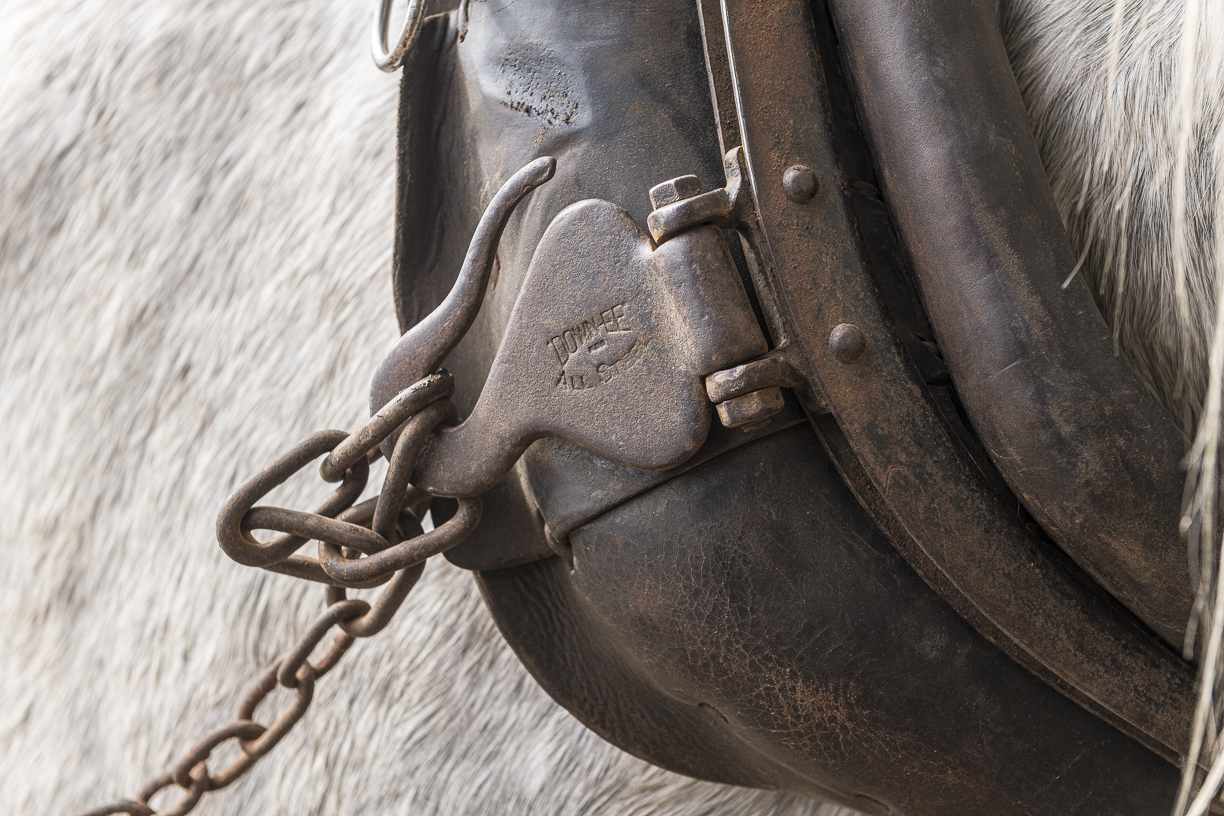
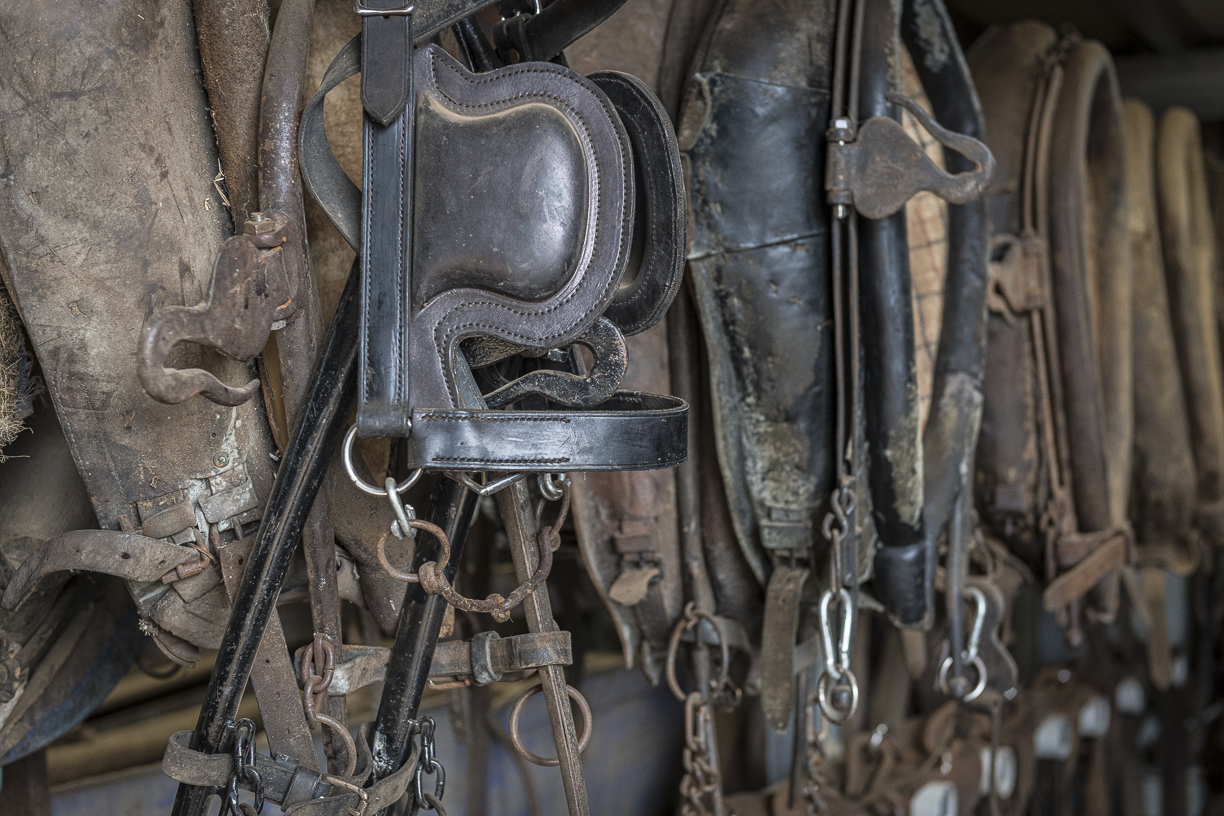
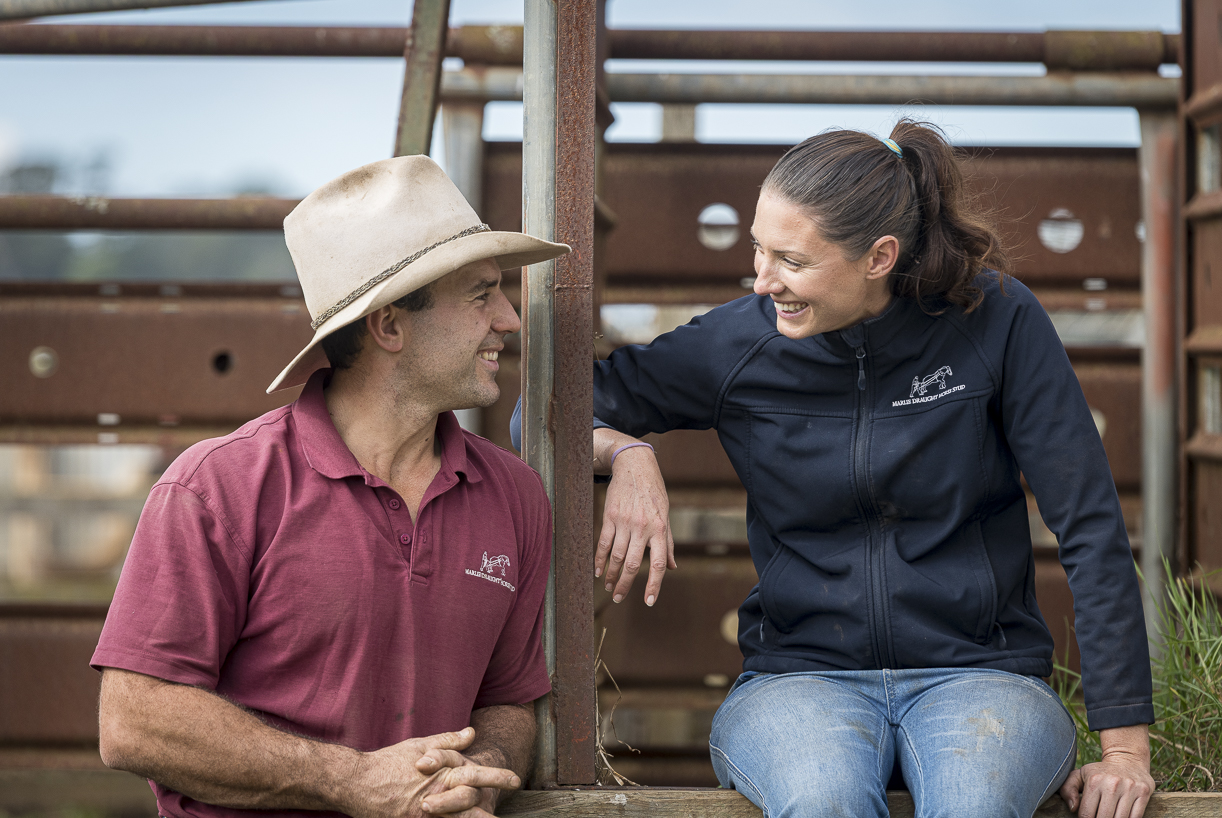
As a young boy, Aleks Berzins was mesmerised watching his maternal grandfather use horses to pull a plough through the earth on his Southern Highlands farm.

“When you see a team of eight horses ploughing a paddock – eight individual horses working together with all that power – there was something about it that hooked me,” Aleks explains. “The horses love learning. They are calm and they have a purpose.”

Berzins’ grandfather was Sid Samuel who, with his wife Pat, established Marlie Draught Horse Stud in Putty in 1973. They were foundation members of the Australian Draught Horse Stud Book Society. The name Marlie combined the names of their two children – Mark and Julie.

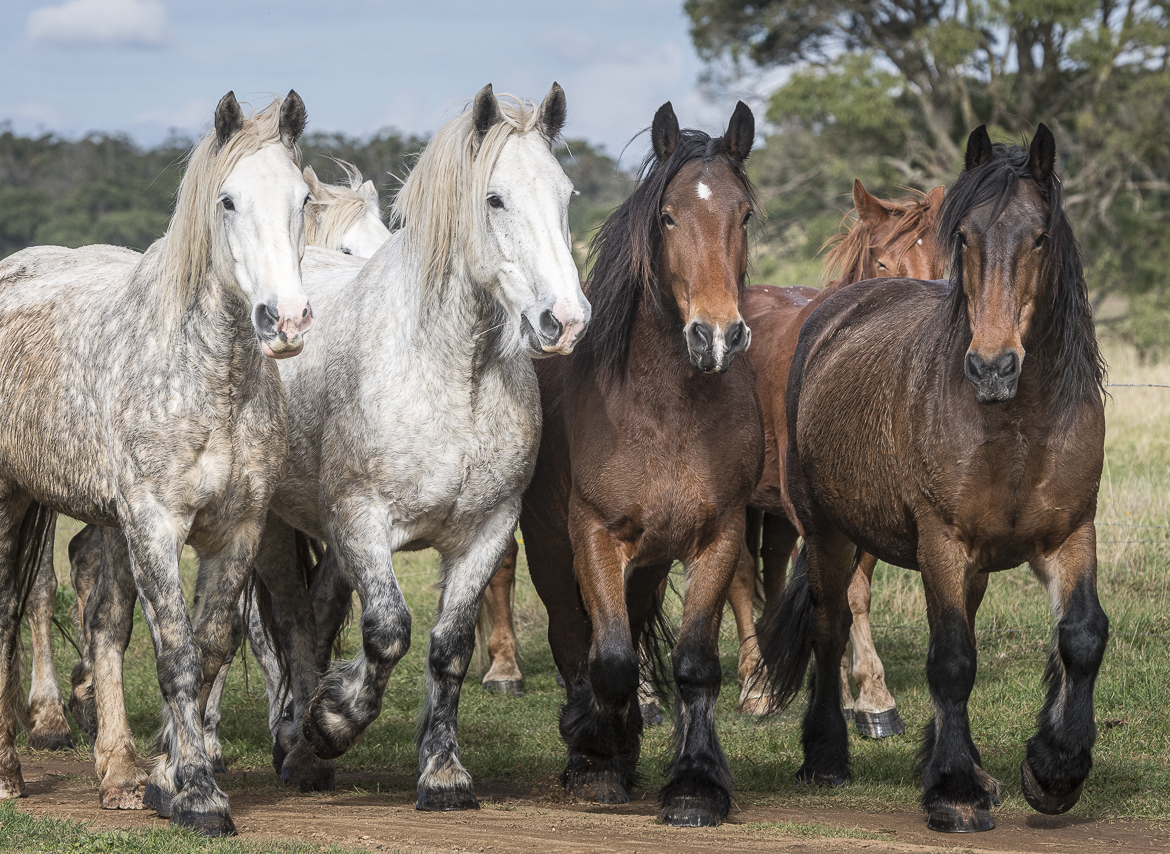
The Australian Draught Horse was bred to suit Australia’s harsh climate and conditions, as well as having a quiet temperament. Their breeding was influenced by the major draught horse breeds – Percherons, Shires, Belgians, Suffolk Punch and Clydesdales – and they were used for agricultural work, including forestry and transportation.

In 1983, Sid and Pat relocated their stud to Exeter in the Southern Highlands.

Aleks attended primary school in Exeter and then Moss Vale, and visited his grandparents’ property whenever he was allowed.

“Sid grew up with horses and his family used horse-drawn lorries and wagons in their haulage and scrap metal collection business, based in Flood Street, Leichardt,” says Aleks. “They also used to help muster cattle down Parramatta Road to Homebush sale yards.”

When horses became obsolete, in the business sense, Sid said he was done with horses.

“But a few years later he bought a farm in Putty and it just happened that the bloke next door was a draught horse farmer and somehow got wind of the fact that Sid had a fair bit of horse experience. Sid came home one day and found a pair of grey horses in the yards. Owen, the neighbour, said: ‘You can break them in for me, Sid.’ And that’s how he got hooked back into working with horses again.”

The properties in Putty were small but in those days farmers were allowed to graze their cattle in Wollemi National Park.

“They would muster cattle on horseback through the national park to the sale yards in Singleton. My grandfather had the best memories of that time. He was living the dream.”

When cattle grazing was banned from Wollemi National Park, “farmers could no longer make a living just off the size of their properties so they started leaving and the whole community changed.”

Aleks’ grandmother suggested they look for a new property near Bundanoon, where she used to go on holidays as a child, and Sid and Pat moved Marlie Draught Horse Stud to the current Exeter site in 1983.

Teams of Eight

Berzins’ love of eight-horse plough teams only strengthened during his high school years, when he was a champion rower.

He was a member of The King’s School First Eight that won the GPS Head of the River in 2006 and 2007, and he focused on rowing immediately after school, training at the Australian Institute of Sport and representing Australia at the World Junior Championships in China. Berzins’ coxed four was Australia’s best performing crew at that competition.

Despite the demands of elite rowing training, Aleks would visit and stay with his grandfather as often as possible. He was offered a rowing scholarship by both Princeton and Harvard universities but couldn’t bear the thought of not spending time with his grandfather.

“My pop was my best friend,” he explains. “It was more than just a grandfather-grandson relationship. He was the bees’ knees and my best mate – and he was best man at our wedding.”


Aleks and Karina

When Aleks met Karina, he invited her to his grandparents’ property as soon as possible.

“We had just met and he said let’s have a trip to the farm,” Karina recalls. “I remember getting here and thinking: ‘No one knows where I am, no one knows who Aleks is and the property backs on to the State Forest – this could be dangerous!’”

Karina grew up near Wollongong, was a keen surfer, and studied commerce and science at university.

The couple bought a property in Marulan a decade ago, when they were both still based in Sydney, however they didn’t spend much time there.

“It used to bug Karina, because we’d bought our first house but I refused to stay in it when we came down because I wanted to stay with Pop and work horses,” Aleks says with a grin.

Soon afterwards, Sid started having health problems and asked Aleks if he would be interested in continuing the tradition of breeding and working draught horses. After thinking it over for about a year, Aleks and Karina decided to take the plunge.

Aleks had been working for a plumber since he finished school and when he moved out of Sydney he started his own business, Exeter Plumbing, while Karina found work with Holcim, which operates a quarry in Marulan.

Aleks loved the move south for many reasons. Karina discovered he would eat the breakfast she cooked for him and then he would visit his grandmother next door and enjoy a second cooked breakfast.

On the other hand, drought hit the area just as they moved in.

“Any money we could get our hands on was spent buying hay to keep the horses alive,” Aleks recalls. “I would finish work and then get into a 1986 truck with no air conditioning on Friday night and drive 13 or 14 hours to Victoria to buy hay. I would drive back the next day and unload the hay and then I’d go to work for the week and do the same the next weekend.”
Labour of Love

Breeding and maintaining 50 draught horses, and preserving traditional ploughing practices, is expensive.

Asked if it is a labour of love, Karina describes it as “a money pit”.
But the couple clearly love what they do.

“It’s such an instant society we live in,” Karina says. “Everyone wants everything done now. Stepping back with the slower pace of the horses is so therapeutic. It helps you switch off.”
For Aleks, it also provides a window into history.
“I’ll see an old plough or harvester that might be 100 years old and, because I met so many people from my grandfather’s era who would talk about getting that machine off the train when it was new and how it changed their farming operation, I can see it when it was new and I can appreciate how it was life-changing for them.”

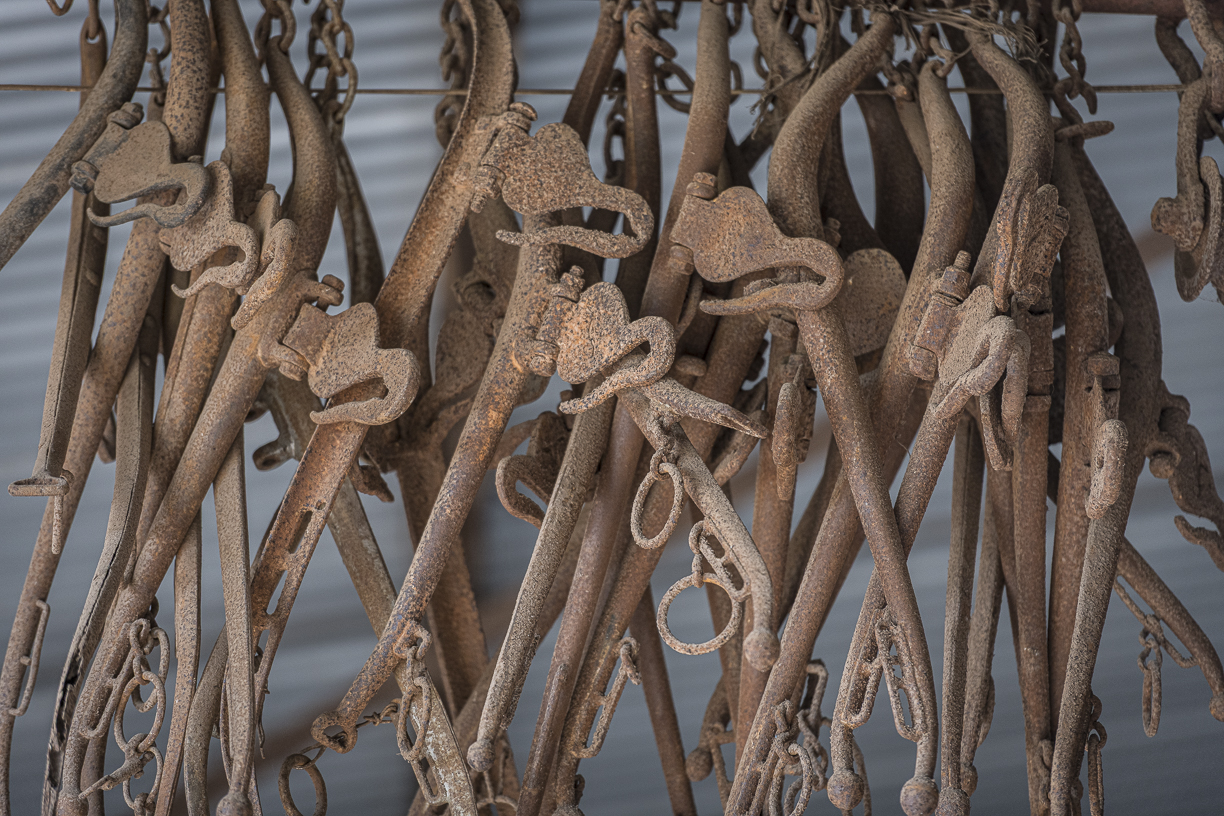
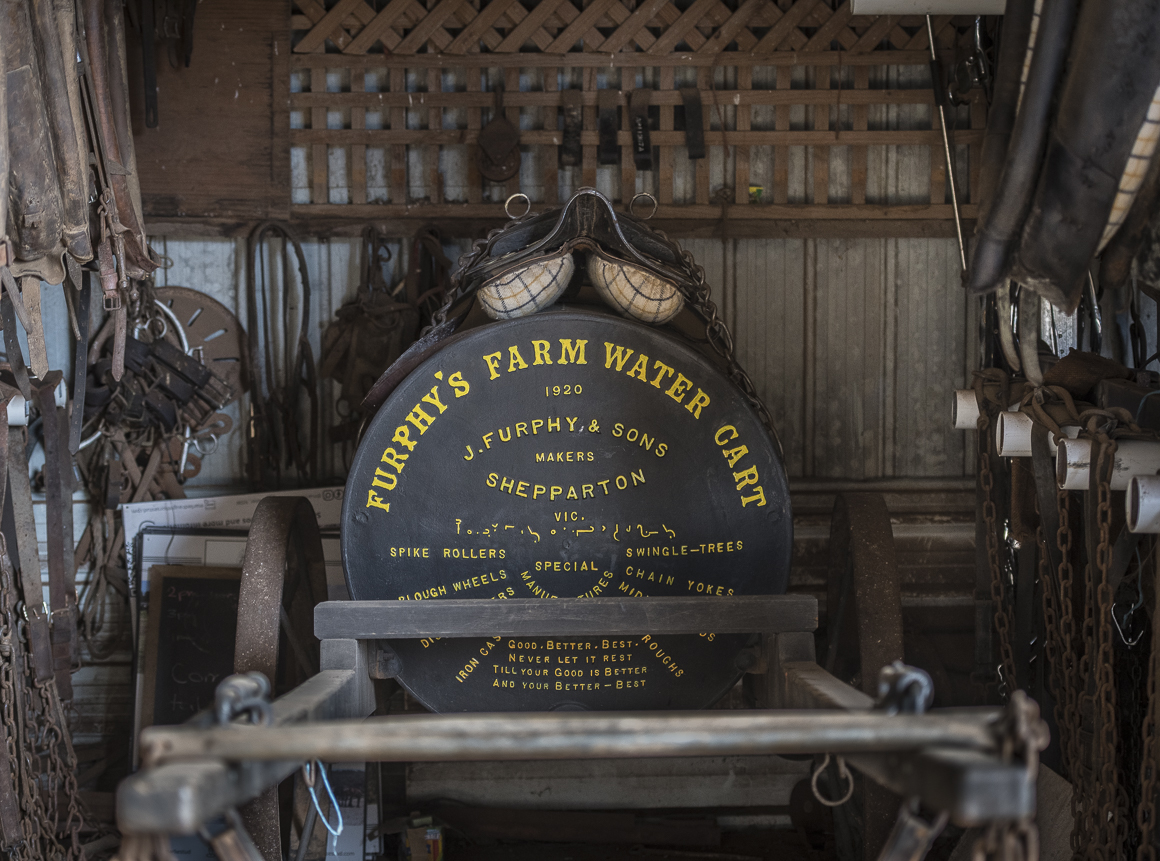
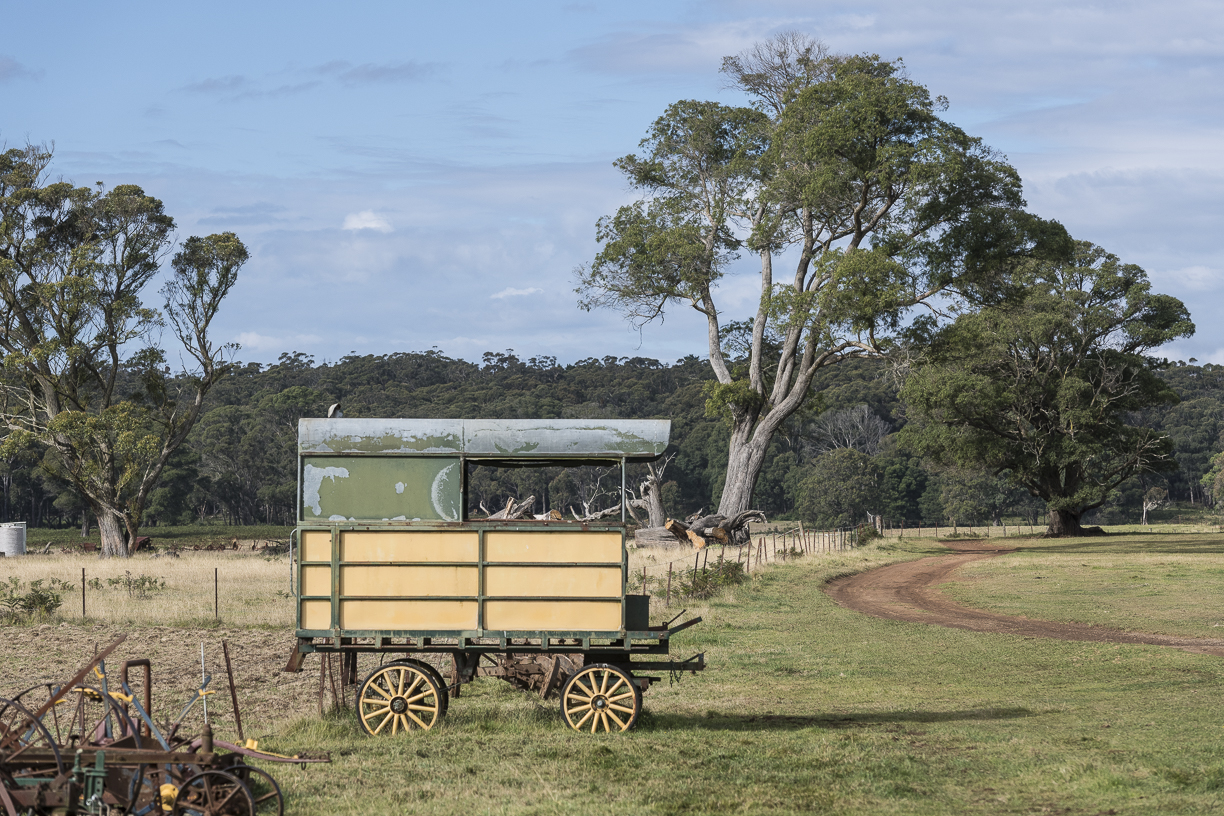
The Berzins own hundreds of horse-drawn machines, including a 10-tonne Bennett Wagon that was built in 1913 by renowned craftsman James Bennett. Each Bennett Wagon had its own name painted on the side, and the one owned by the Berzins is named All The Go.

“The craftsmanship, for something that was really just a truck, is amazing,” Aleks says. “They were the Rolls Royce of their day and they made sure they did a 10 out of 10 job. I love the beauty of forgotten trades.”

In the future, Aleks and Karina dream of building a living museum on their property to showcase their comprehensive collection of horse-drawn farm machinery and allow visitors to watch their horses plough their paddocks.


Turning Point

Aleks participates in the arcane world of single furrow ploughing – indeed he won last year’s Golden Plough, the most prestigious competition in Australia – but for many years he was happy to stay at home rather than go on the road to show off his horses and skills at country shows. This was partly because of the significant costs involved, including spending time away from his plumbing business.

Things changed in 2022, however, when he was invited to drive eight of his draught horses for 14 kilometres down Parramatta Road to Sydney Olympic Park as part of a parade to celebrate the Sydney Royal Easter Show’s 200th anniversary.

Aleks also joined up with two other stud owners to create a 20-horse team that pulled a wool wagon around the main stadium.

“It turned into a small business from there,” Aleks says. “We started saying ‘yes’ to more shows and demonstrating ploughing and cutting chaff with horses – and that led to more invitations.”

The demand for Marlie Stud’s draught horses is growing because, sadly, many of those who had expertise in horse-drawn farm work have died or are now too old to demonstrate their skills. They are about to visit several regional shows in Queensland.

“People just love seeing 11 horses hooked up to a wagon, they find it mesmerising,” Aleks says.
“And it’s great hearing all the stories,” adds Karina. “People come and tell us what they used to do or what their grandfather did – they love talking to you and reminiscing.”

A Family Operation

Aleks and Karina have extremely busy lives, juggling Exeter Plumbing and Marlie Draught Horse Stud while raising their three daughters, aged between five and ten. The stud is very much a family operation, with the girls already heavily involved.

“The kids finish school and head straight to the yards to feed horses and check water,” Karina says. “And they fix fences and do other jobs on weekends.”

“We are lucky because we are here together as a family and we love doing what we are doing,” adds Aleks.

The Berzins would save money by not travelling with their horses and machinery to regional shows, but that’s not what it’s about.

Last year, they participated in a reenactment of Cobb & Co’s final coach run from Surat to Yuleba in Queensland, sharing the journey with families who operate camel and bullock teams.

“We made bugger all out of it,” says Aleks, “but as an experience for the family, spending a week and a bit on the road in Queensland with our team of horses and going down trails I had never been down – you can’t put a price on that.”

For more information visit: marliedraughthorsestud.com

Trump Engulfed the Fires by Michael Reid OAM

Posted by

Scouting locations for an upcoming creative venture in Los Angeles, Michael Reid OAM returned to the Californian capital amid raging fires and an unsettling inauguration. Here, he reflects on this uneasy moment and the historical echoes of the American empire at a tipping point.

The week before landing in Los Angeles, I received several concerned texts inquiring as to whether I still intended to travel. Thank you, but of course, I was. Being that person and believing I’m in the know, you realise that the defining characteristic of the greater Los Angeles region – an area spanning 18 million people and over 53,000 square kilometres – is its vast, vast sprawl. While tens of thousands had been ruthlessly displaced by nature and were dealing with the immediate need for shelter, many other residents I spoke to grappled with the unsettling experience of witnessing an extraordinary crisis unfold from afar – but not that far. “They, like, live right next door, like, to the whole thing, like,” Almond Mulk latte, like, in hand, like. (The Mulk Co is a brand.)
Days after arriving, driving around Beverly Hills, I could see a glow to the north. Hotels were full of dogs. And then there was President Trump’s inauguration. The fires were briefly engulfed.

It took me several days to process everything and come to a settled opinion after the inauguration, simply because I felt so uneasy. It wasn’t unsettled in a value-judgment kind of way. I am not here to debate whether President Trump’s inauguration was right or wrong. The fact is that Trump was inaugurated as the 47th President of the United States of America. The American people voted, and Trump won – both the electoral vote and the popular vote. He also won, by a slim margin, in all the key swing states. The American people made their choice. It’s not my place to judge them or their decision.

But I felt uneasy, and it took me a while to figure out why. I eventually realised that unease stemmed from my education under an incredibly rigorous and meticulous teacher, Mr. Lindsay Newnham. Mr. Newnham was my Ancient History teacher at Wesley College in Melbourne. Mr. Newnham heavily emphasised the writings of Thucydides and the history of the Peloponnesian Wars (431– 404 BC). This masterwork, authored by Thucydides – an Athenian historian and general – remains one of the earliest scholarly works on humanity.

As tangential as this stream of consciousness may seem, we studied, over many long and beautiful school days, why the two great city-states – Sparta, an autocratic state, and Athens, a democracy – went to war and why Athens, the democracy, ultimately lost big. One of Thucydides’ key insights was his belief that Athens’ democracy had morphed into an imperial, autocratic state. Its blunt authoritarianism and unconcerned self-centredness alienated its allies, causing them to abandon the Athenian cause. Left alone, Athens faced a warlike state in Sparta, which had the unwavering loyalty of its allies.

While Thucydides does not explicitly state a single quote summing up the necessity of alliances, his narrative repeatedly underscores the value and risks of alliances in securing power and resources during war. One notable excerpt reflects this theme: “The strong do what they can, and the weak suffer what they must.” This quote captures the harsh realities of power dynamics in alliances and conflicts. Offering up a teaching moment, Thucydides again and again illustrated that alliances were essential for both great and small states. For the great powers like Athens and Sparta, alliances provided additional military and economic strength. For smaller states, alliances offered protection against the predations of larger powers.

What I saw within President Trump’s 2.0 inauguration mirrored for me the Athenian slide from partnerships to domination. The rhetoric of “America First” evoked a sense of America standing alone. “The golden age of America begins right now. From this day forward, our country will flourish and be respected again all over the world,” and “We will no longer surrender this country or its people to the false song of globalism.” These statements reflect President Trump’s commitment to prioritising American interests, often advocating for a more unilateral approach in international affairs.

The unyielding emphasis on isolationism and disregard for alliances reminded me of Thucydides’ cautionary tale. History, as Mr. Newnham drilled into us, shows that great powers are made great because of their alliances. The breakdown of this ambassadorial fabric leads to abandonment. In Athens’ case, their allies – angry and slighted – undermined the Athenian cause. From millennia past, the echo of Thucydides rang in my ears. The same risks apply today, when America takes a hardline stance, throwing up tariffs against Canada (its most American-like ally), threatening the European Union (yes, a major beneficiary of American support for nearly a century and philosophically the birthplace of American liberty), and creating so much very public bad will. This public humiliation of allies fosters resentment, anger and, eventually, the cold, hurtful betrayal of friends.

Turning this whole alliance thing over in my head, I realise that I am far from being on my Pat-Malone. The former Four-Star Marine Corps General James Mattis resigned as U.S. Secretary of Defence in December 2018 due to significant policy disagreements with President Trump. In his resignation letter, Mattis emphasised the importance of treating allies with respect and being clear-eyed about adversaries such as Russia and China. He stated that President Trump deserved a defence secretary whose views were better aligned with his own. This resignation highlighted the growing rift between Mattis and President Trump over foreign policy and military strategy, particularly regarding alliances and the role of the U.S. on the global stage. Mattis, a famously well-read warrior, frequently cites Roman Emperor Marcus Aurelius, the Stoic philosopher, as an influence. Different heroes, but we both like old things.

I hope President Trump’s adamant inauguration stance was more theatrical than reflective of reality. However, it does feel as though we are in an Athenian Empire moment. The signs of a hardening American Empire are evident in the unravelling fabric of American society. I have written on this topic previously, and you only need to spend a short time in Los Angeles or New York to see the extent of infrastructure deterioration and feel the white-hot anger of the working poor. America is looking for fault and they seem to be landing on their close friends. There can be no doubt that change is needed – and fast. America, like all nations and people, requires constant reinvigoration. BUT maybe getting the job done with less public anger would be the go. This is a precarious time, and I can’t help but recall Thucydides’ warnings about the dangers of isolationism, imperial anger, exceptionalism, and overreaching when you are without mates.

Michael Reid OAM

Los Angeles Tips

The key to a pleasant – or at least not miserable – experience at LAX is to NEVER use it as a transfer hub. Either fly directly to LA if it’s your destination or route through another city, such as Dallas, to reach New York City. Avoid transiting through LAX, as you must go through immigration, collect your bags, and physically recheck them for a connecting flight. Long lines at immigration often cause significant delays, making missed connections highly likely.

Upon arrival, always pre-book a Blacklane or order an Uber Black for direct terminal pick-up. Regular taxis and UberX rides operate from LAX-it, a chaotic pick-up rank requiring a bus ride from the airport.

Eat

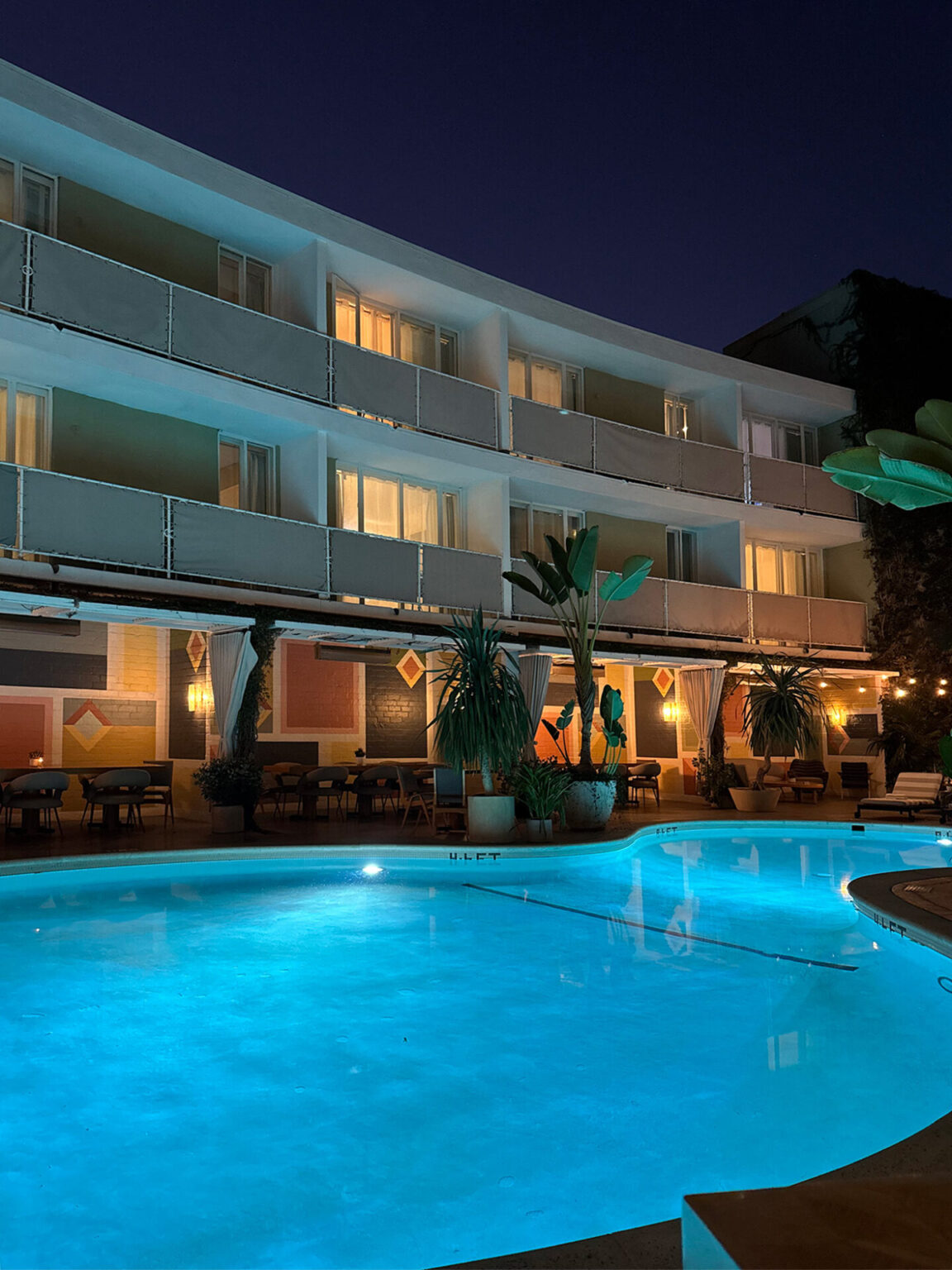
Avalon Hotel, Beverly Hills
9400 West Olympic Boulevard, Beverly Hills, CA 90212
Best poolside burgers.

Dante (Rooftop of the Maybourne Hotel)
225 N Canon Dr, Beverly Hills, CA 90210

Bootleg Taco Stand
225 Lincoln Blvd, Venice, CA 90291

Erewhon (Nowhere spelled backward)
A certified organic grocer. Imagine the best specialist food store and triple it. Multiple locations.

Hauser & Wirth Restaurant / Café
901 E 3rd Street, Los Angeles, CA 90013

Queen Street Raw Bar & Grill
4701 York Boulevard, Los Angeles, CA 90042
Excellent oysters and chowder.

Hama Sushi
213 Windward Avenue, Venice, CA 90291

See

The Broad
221 S Grand Avenue, Los Angeles, CA 90012

Los Angeles County Museum of Art (LACMA)
5905 Wilshire Blvd, Los Angeles, CA 90036
Architecturally as coherent as a splatter of dog’s vomit, but with one of the most diverse art collections and archives.

The Getty
1200 Getty Centre Drive, Los Angeles, CA 90049

Museum of Contemporary Art (MOCA)
250 South Grand Avenue, Los Angeles, CA 90012
Across the road from The Broad, MOCA feels almost quaint by comparison.

Shop

Dover Street Market
606–608 Imperial Street, Los Angeles, CA 90021

The Bearded Beagle (Vintage)
5820 North Figueroa Street, Los Angeles, CA 90042

Filson (Outdoor Alaskan menswear)
3210 W Sunset Blvd, #1, Los Angeles, CA 90026

Mohawk General Store
4011–4017 W Sunset Blvd, Los Angeles, CA 90029

Westfield Century City
10250 Santa Monica Blvd, Los Angeles, CA 90067

Stay

Avalon Hotel, Beverly Hills
9400 West Olympic Boulevard, Beverly Hills, CA 90212

Newcastle by Jason Mowen

Posted by

As Michael Reid’s offsite projects platform gears up for an expansive, site-responsive Newcastle group show this November, writer Jason Mowen reflects on the rich artistic heritage of Australia’s second-oldest city and the exciting cultural efflorescence now sweeping through its oceanside scene.

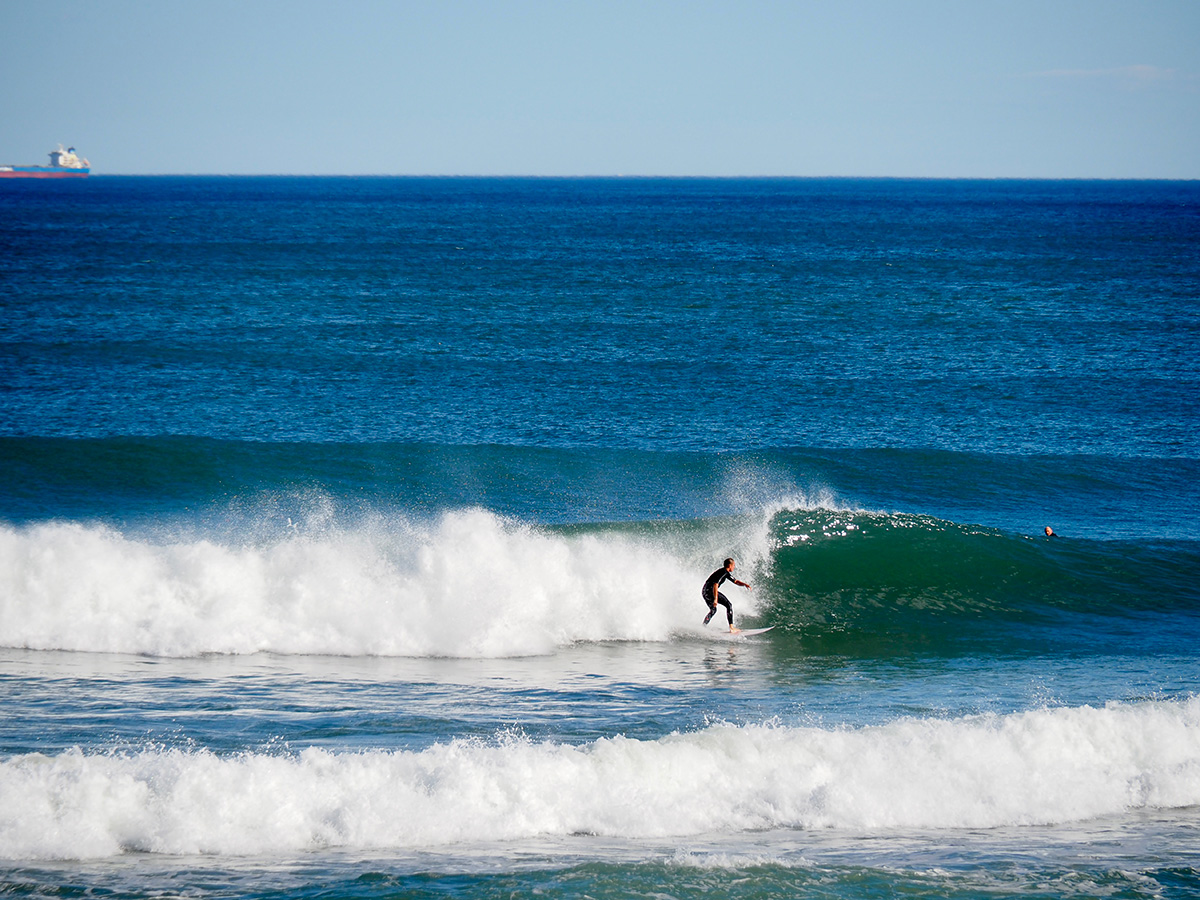
Freewheeling convict-painter Joseph Lycett was sent to Newcastle after being busted forging five-shilling bills in Sydney in 1815. It was a punishment reserved only for the worst offenders, but having caught the attention of the commandant, Captain James Wallis, rather than digging for coal around the mouth of the Hunter River the talented Lycett was soon painting the town. This included 14 scenes of the traditional practices of the Awabakal people, including Corroboree at Newcastle, the first known oil painting to depict an Aboriginal corroboree at night.

While this colonial Alcatraz may not seem as if it was ever going to be especially arty, scratch away at the surface and the Newcastle connections abound. Jon Molvig, John Olsen and William Dobell were born there. National Gallery of Australia director Nick Mitzevich went to university there. And for decades creatives left there, while the rest of us gave it a wide berth on our way up and down the New South Wales coast.

The exception was, of course, Margaret Olley, who famously fell in love with Newcastle the second she stepped off the train in 1964. She described it as a “city with muscle” and moved there the following year, turning out her Newcastle Watercolours in between buying and selling terrace houses on The Hill. As legend has it, she would bank-hop along Hunter Street, securing a mortgage for one property in the morning and another mortgage for a different property—from a different bank—in the afternoon.

Over time the proceeds from Olley’s trailblazing portfolio (there were also mansions in the suburbs and a slew of terraces in Paddington) allowed the otherwise frugal artist to donate millions to the galleries. The Art Gallery of New South Wales and the National Gallery of Australia acquired pictures by Degas, Cézanne, Freud, Matisse and Picasso with Olley’s cash. Newcastle Art Gallery received a chunk of her collection—the artist’s own work alongside that of Cressida Campbell, Nicholas Harding and Ben Quilty—while money from her estate went toward the gallery’s current expansion project, providing 1,600 square metres of additional exhibition space for its $126 million collection.

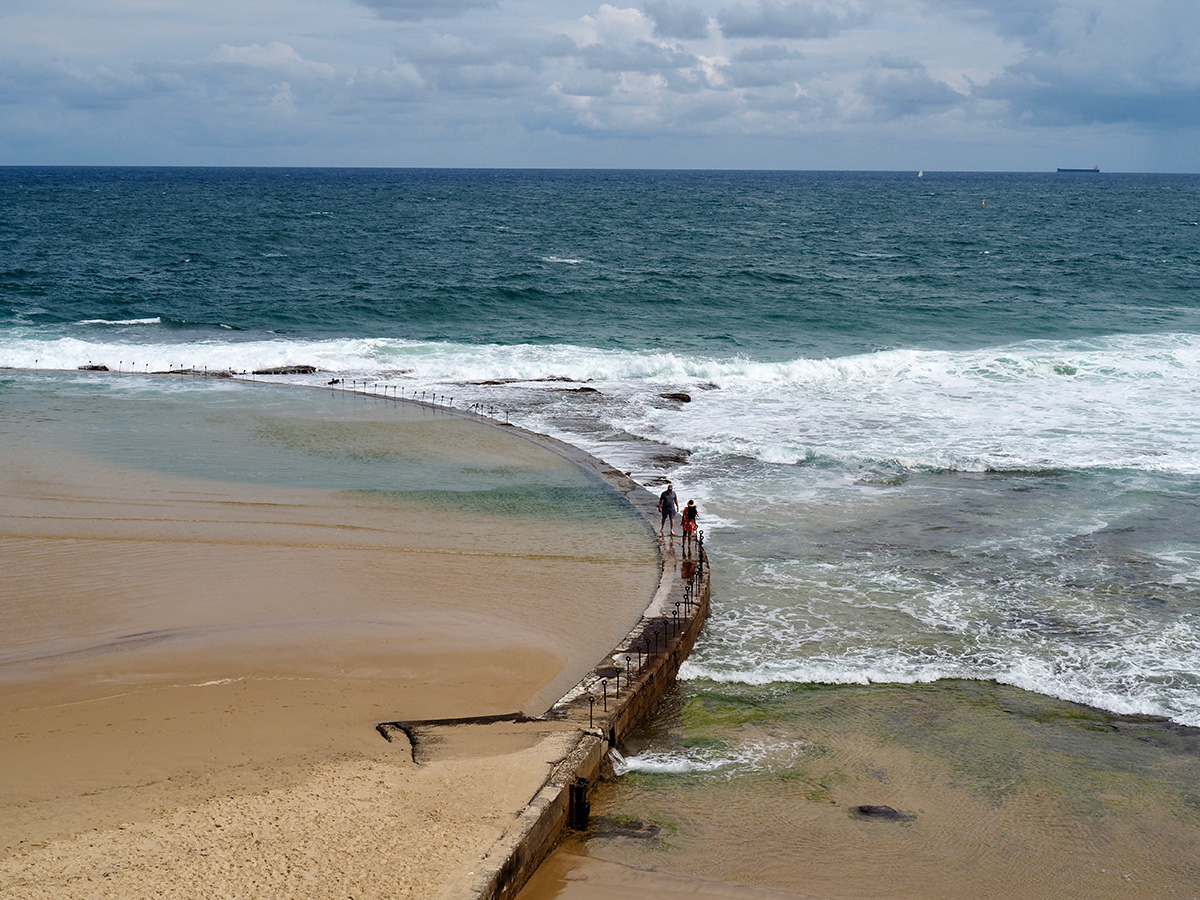
From the closure of BHP’s steelworks in 1999 to the relaunch of the gallery, Newcastle is, astrologically speaking, making its Saturn return. An epic transformation, although it’s the town’s mix of dynamic energy and nostalgia that makes it sing. You’ve got the profile of Norfolk Island Pines along the foreshore, architecture to rival The Rocks and Potts Point, city beaches outshining Bondi to Bronte, a flourishing food scene and a charming, working-class spirit that no amount of gentrification can dull.

Launched earlier this year as a roving offsite platform, Michael Reid Beyond takes the exhibition of contemporary art to unexpected spaces, from artists’ studios to empty buildings and regional museums. After knockout shows as far afield as Perth, Newcastle (7–10 November) forms the centrepiece of this year’s program. “Newcastle is no longer a city that can be overlooked,” says Michael. “Having galleries in Murrurundi and Sydney, it makes sense to engage. So many people from Newcastle come to Murrurundi and so many people from Newcastle go to Sydney. It is our duty to do something there—and this is only the beginning.”

It was at the wedding of a mutual friend that Michael met Joel Castle, director of BEM Group and proud Novocastrian, specialising in project and development management services across social infrastructure, community and cultural spaces. “Anyone who has grown up in Newcastle is proud of their roots,” says Joel. “We’re chameleon-like, deeply connected to the community and evolving through changing times. When Michael and I met, we quickly realised that we both had an itch to scratch, positioning a quality art showing for Newcastle’s clientele while also showcasing local business through partnership.”

Painter Sally Bourke moved from Dubbo to Newcastle the same year the steelworks closed. “I was visiting a friend at the time and met a group of people here that I instantly clicked with. It turned out they all went to art school! There’s a voracious art scene here, highly supportive and integral to Newcastle’s arts culture. It feels like a country town, but it’s still big enough to get lost in.”

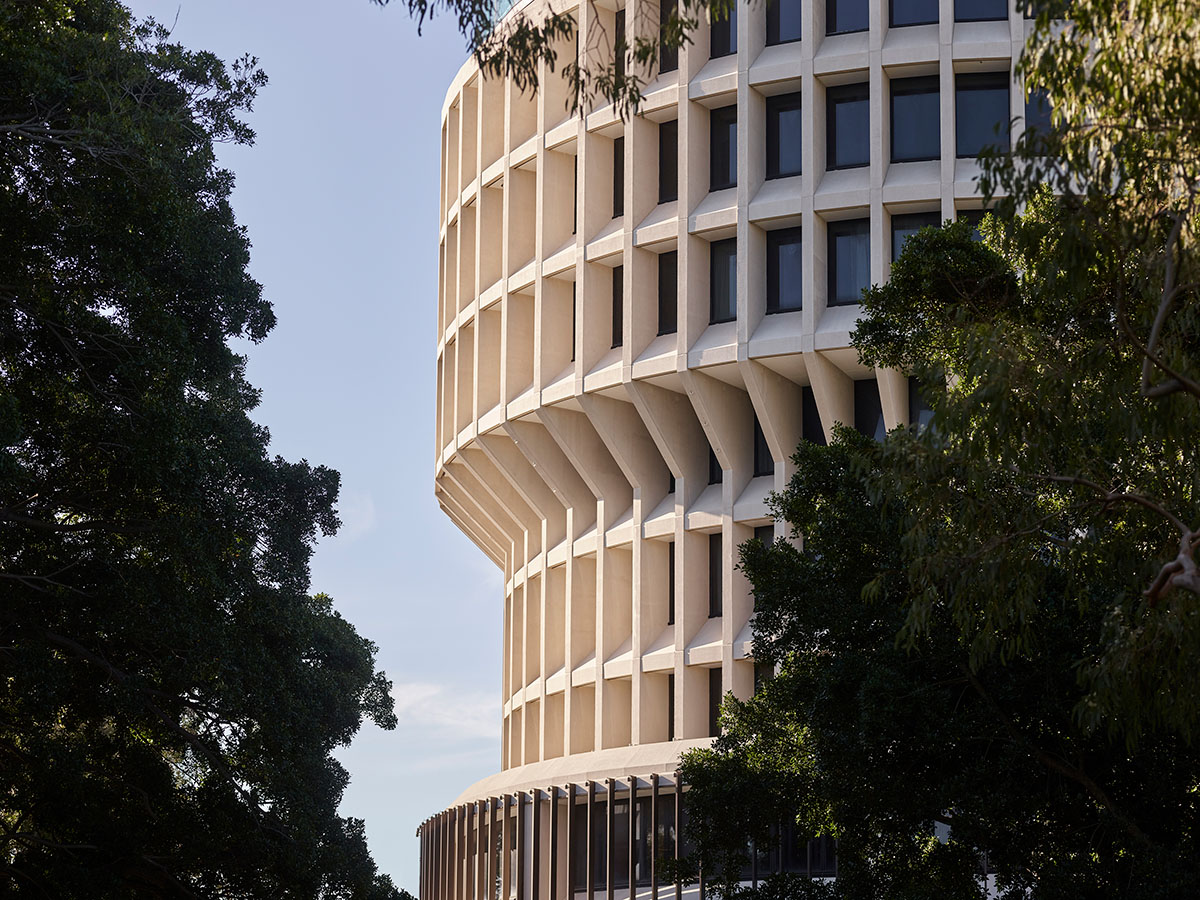
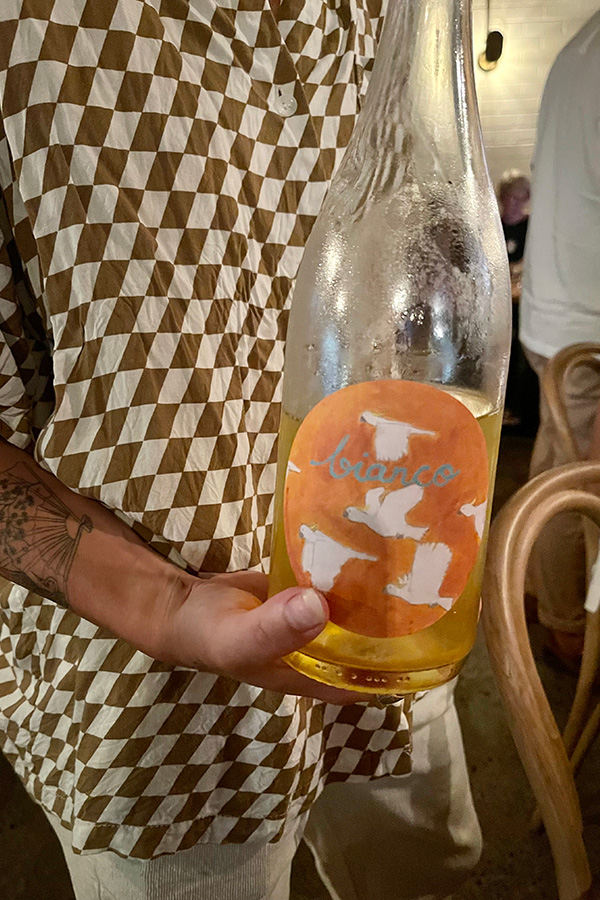
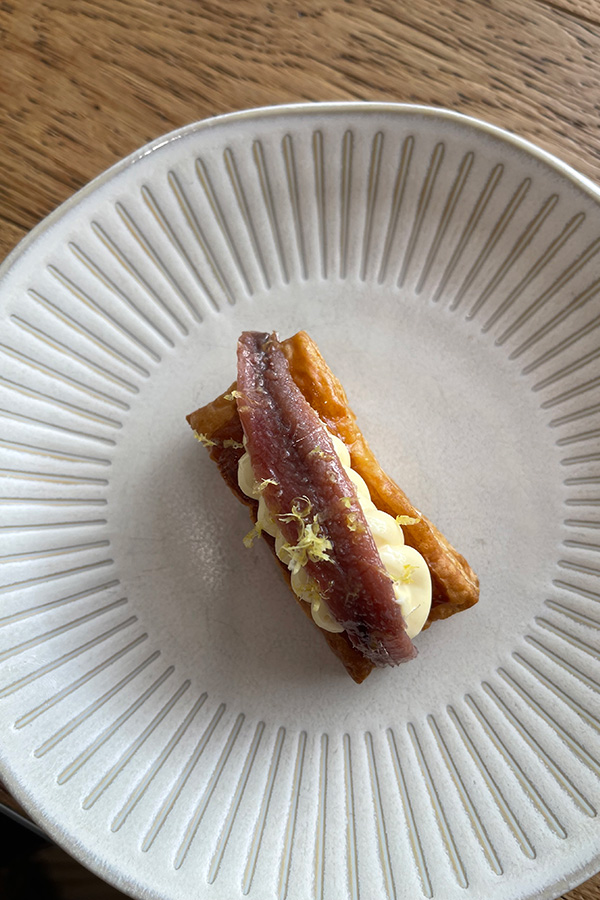
It’s a fitting picture. Few places offer so urbane a selection of trappings in an environment of such sleepy charm. Perched across the park from Newcastle Art Gallery is the brutalist beauty Crystalbrook Kingsley—a heritage-listed council building turned hotel with slick interiors and knockout views. Around the corner, tiny deli Arno does Firenze-worthy panini and a mean spritz at the end of the day. For mind-blowing natural wine, head down Hunter Street to Humbug alongside the not-to-be-missed anchovy and parmesan custard pastry.

Nagisa on the Honeysuckle Promenade does the best Japanese; Alfie’s in New Lambton does excellent Italian; Equium Social in Mayfield East does insane chocolate peanut butter smoothies. The red lentil and carrot dip at canal-side Elementa may very well change your life. Leading the vanguard is local superstar Flotilla in Wickham—Newcastle’s first restaurant to receive a Hat—kept company by the cocktail bar Vecina, next door. Newcomers like Blanca and Thermidor take the scene from strength to strength, celebrated in all its glory every April during Newcastle Food Month.

Sally is one of more than 20 artists selected by curator Dean Phillips-Andersen for Beyond’s Newcastle show. Others include Newcastle-born Trent Parke, Newcastle-based Michelle Gearin, First Nations artist Vicki Yatjiki Cullinan, Troy Emery and Dr Christian Thompson AO. It’s a relaxed but sophisticated line-up presenting the best paintings, sculptures and photography from across the Michael Reid congregation of galleries, assembled for what Michael describes as “a city recapturing its historical, architectural and creative centrality to the nation”.

“There is an unfiltered energy that exists in Newcastle,” says Dean. “Not under the microscope and scrutiny of the bigger cities, artists and curators are free to take greater risks. The exhibition space at 14 Perkins Street, Newcastle, will be raw and industrial—like the roots of the city—and very much in keeping with the Berlin-like rawness that echoes through the Michael Reid visual sensibilities.”

While much has changed since Olley fell for Newcastle in 1964, of its burgeoning art scene we can imagine she’d be proud. “Margaret was a charmingly cantankerous individual,” says Michael.

“She wielded her zimmer frame like a weapon and smoked wherever she wanted and I just admired that so much. I met her when I worked for Christie’s in Brisbane in the nineties, where my office overlooked Cloudland in Bowen Hills. She would stand in my office having a ciggy and looking out the window, reminiscing about the American GIs who danced there during the Second World War. There was segregation, African American GIs dancing on a different day, and Margaret always danced with the African Americans. She was a bohemian, free spirit, against convention, eminently fair and incredibly charitable.”

Channelling a similar spirit, the exhibition includes the work of artists from outside Michael’s stable. “Art is a broad church and we often have shows where we bring in people,” he says. “We’re non-denominational. We want the best practice, so will go beyond our own altar to the wider community. It brings interesting flavour.”

Michael Reid Beyond’s Newcastle exhibition is on view 7 10 10 November at 14 Perkins Street, Newcastle. To receive exclusive previews and priority access to works from the featured artists, please email dean@michaelreid.com.au

The Business of Gardening by Michael Reid OAM

Posted by

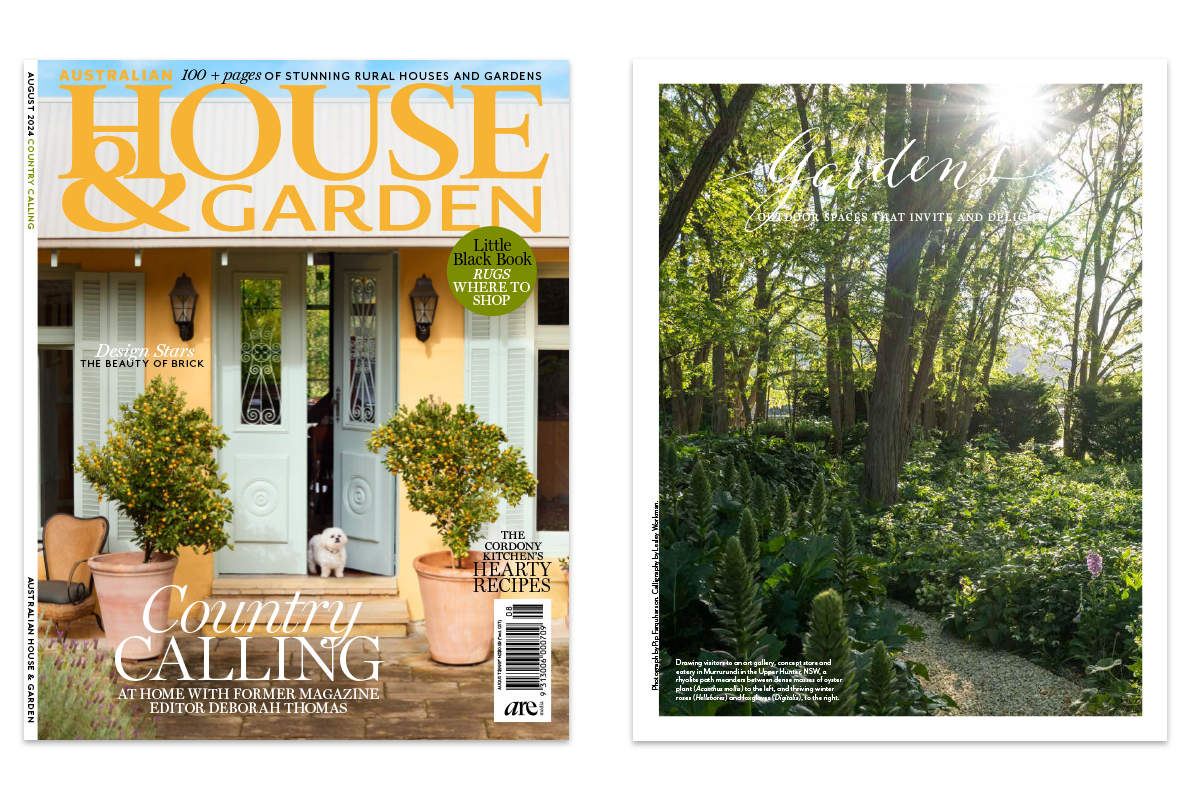
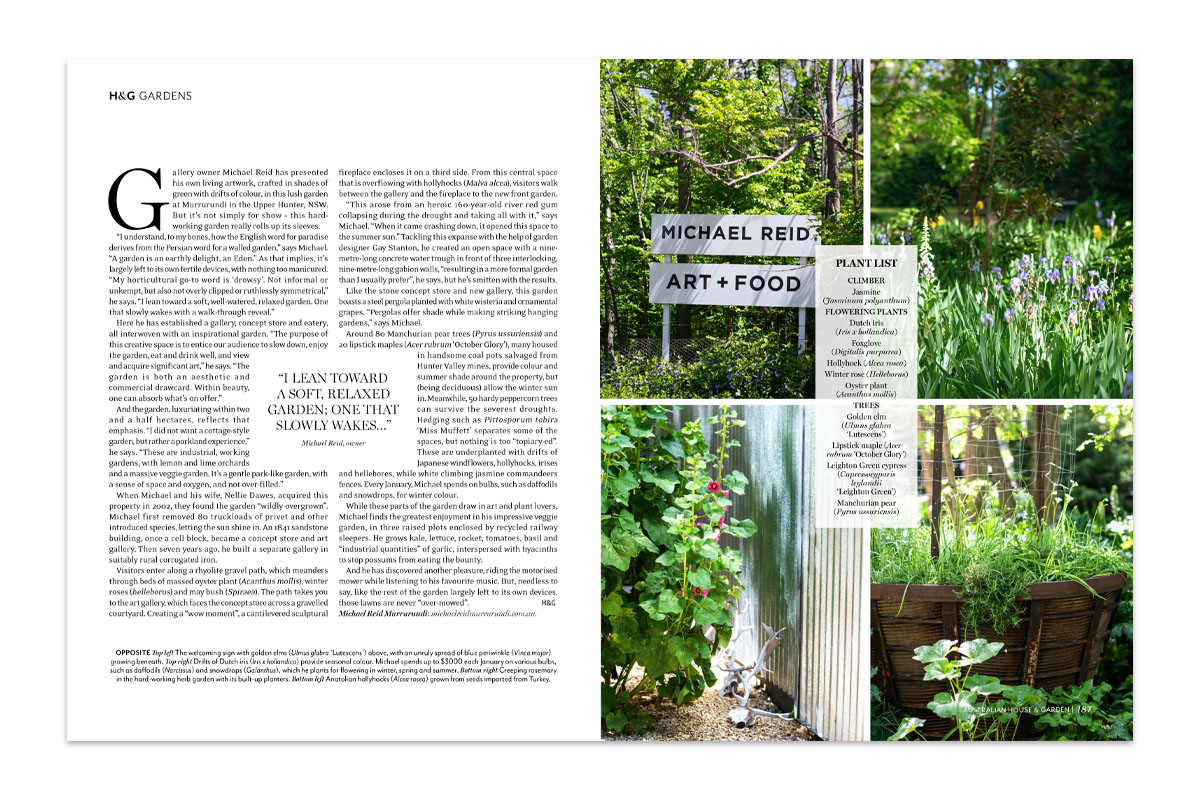
To celebrate spring’s arrival – and the publication of a beautiful garden story in the August issue of Australian House & GardenMichael Reid OAM walks us through the idyllic grounds that envelop the gallery, concept store and kiosk at Michael Reid Murrurundi and seed the inspiration for a flourishing creative business.

An understanding of gardening makes for good business, and my art gallery business at Murrurundi, in turn, informs the design and role of my garden. But to begin with, what is gardening? For me, gardening is the experience of an emotion made physical. Formal parterre-style gardens are designed to reveal their majesty through an all-in-one, almost architectural viewing sweep—their symmetry, their topiary, their scale of precise awe. Emotionally, formal gardens aspire to reverence.

My emotional horticultural go-to word is ‘drowsy’. Not informal or unkempt, far from it, but certainly not overly clipped or ruthlessly symmetrical. In my garden’s climate at Murrurundi in the Upper Hunter of New South Wales, no plant has ever died from lack of mowing or hedging, yet all things wither for lack of water. I lean toward a soft, well-watered, relaxed garden, one that slowly wakes with a walk-through reveal.

Gardening keeps me occupied without overtly engaging with people, and that is generally best for everyone. I like to tinker and think, after all, weeding is simply a remodelling through removal. I would love to own a Bobcat. To be frank, I am not so much of a gardener as a designer. I will point out the weeds; I rarely pull them out. I find profound joy in my garden coming together—its intention or purpose, the plants used to this end or that, their health, and growth. The season. The light. The rain. I have an understanding to my bones of how the English word for Paradise derives its root from the Persian word for a walled garden. A garden is an earthly delight. A garden is Eden.

It is unsurprising that the land was our species’ first industry. Initially, we organised through hunting the animals that moved across the land, and then we cultivated land to create food certainty—cultivating growth. Seeding ideas. Bearing fruit. Fertile ground. Cross-pollinating. Cultivating relationships. Green thumb. Blossoming. A thorny issue. Cutting back or pruning ‘deadwood’ are all land-use terms that thrive within our understanding of business. It is hardly surprising, then, that one of the most feared corporate arborists in this country’s history, the infamous downsizer, was nicknamed ‘Chainsaw’ Al Dunlap. Business gets gardening and the tools of gardening, and I would argue that an understanding of gardening makes for good business. You have an idea. Within your understanding and growing knowledge—for you always learn with gardening–you devise and plan and give things a studied go. You are persistent in wanting to make your ideas and plans work, and if they don’t, you begin again. You redesign and change from root to branch, taking all back to dirt in a need to pivot and salvage.

Like a garden, a business does not endure through an over-concentration on established trophy plantings. Even the oldest and sturdiest of oak trees eventually die, and it may surprise many to learn that our national floral emblem, the Golden Wattle tree, has a life expectancy of just over a decade. Beautiful, important, and established gardens are always planting anew and replanting the old. A centrepiece of my gallery’s 2024 Strategy Paper, a yearly document that reviews what has come before and charts our intended directional growth for the coming 12 months—from the tips of our many branches to our well-established roots—was to further develop the Murrurundi Garden.

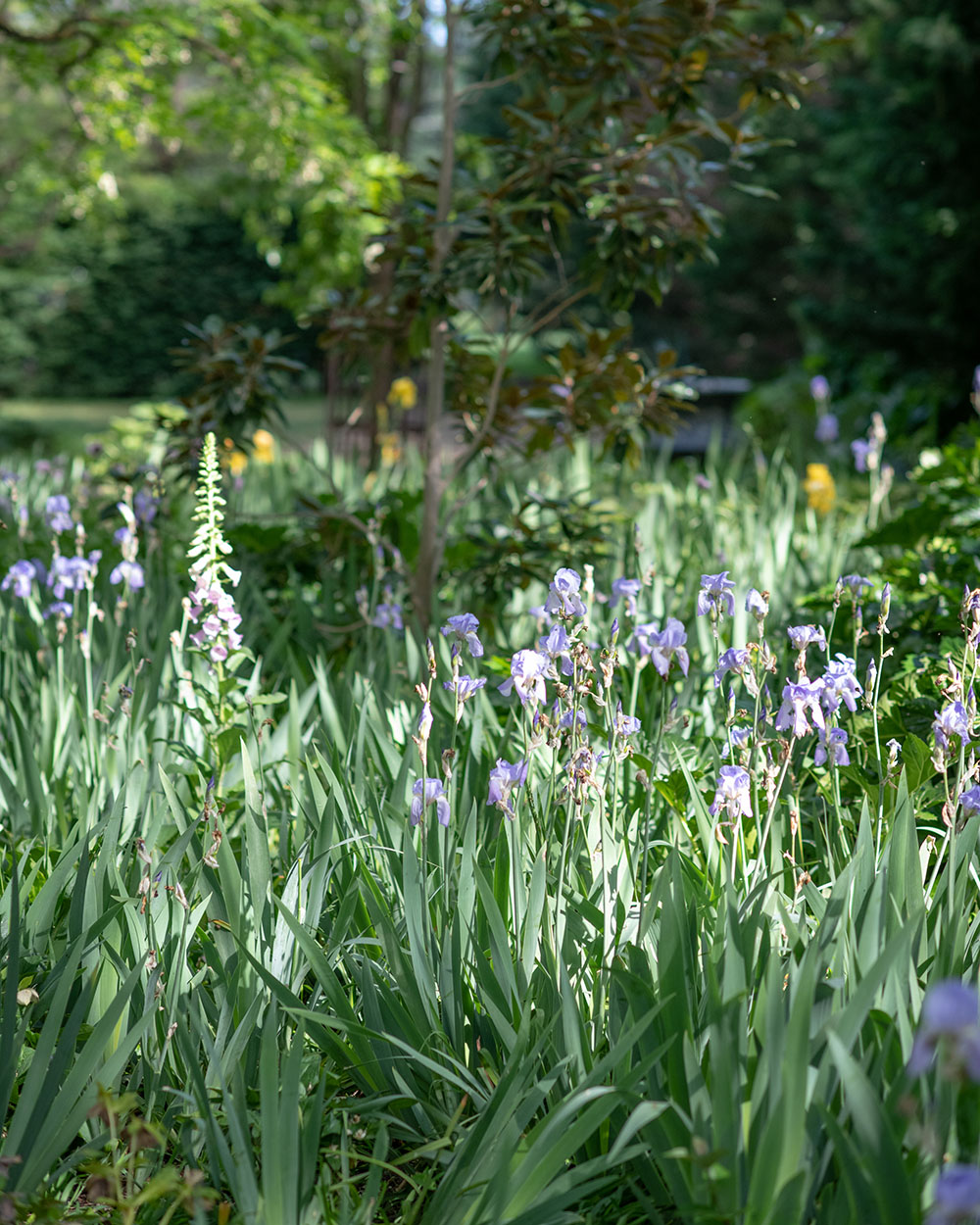
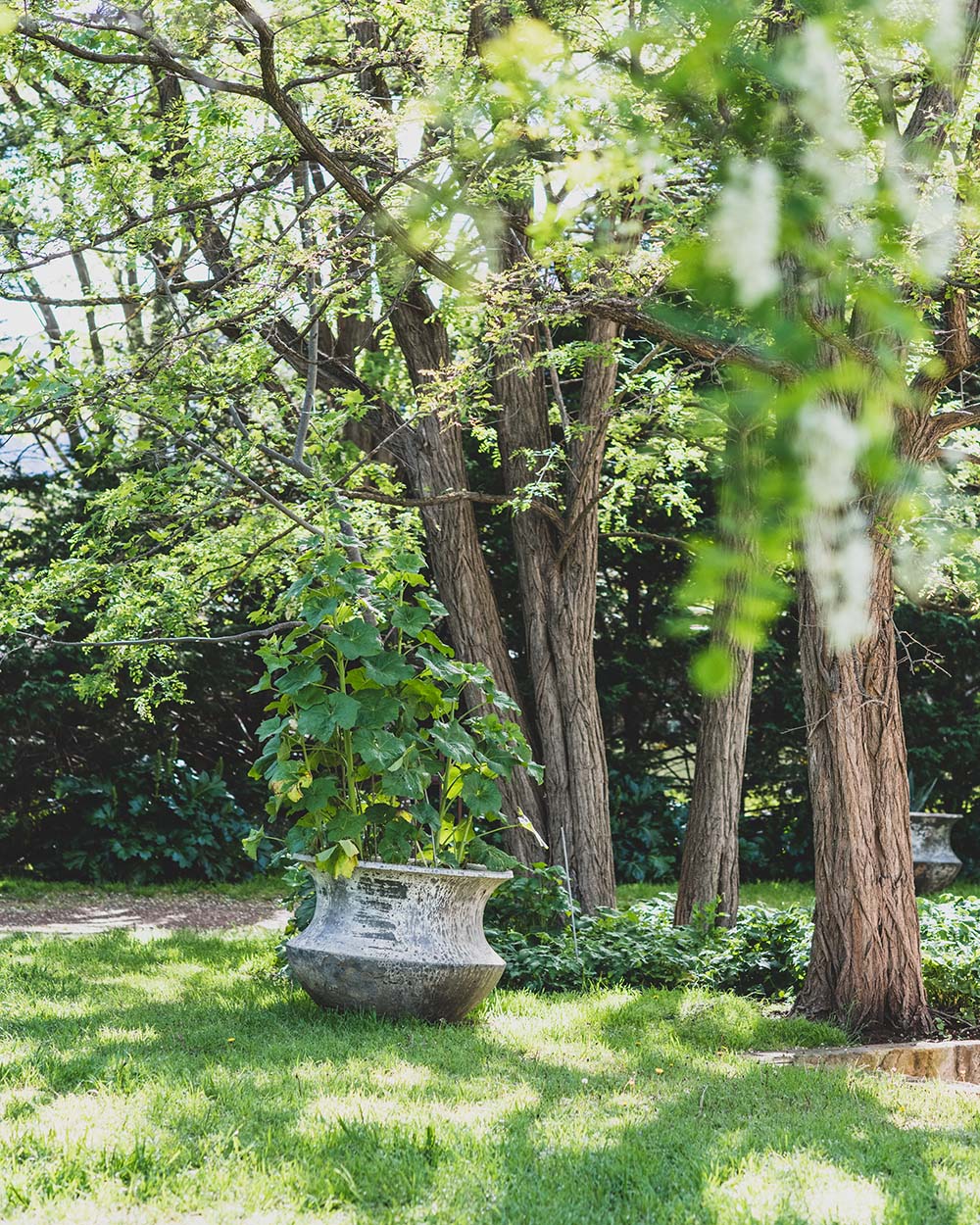
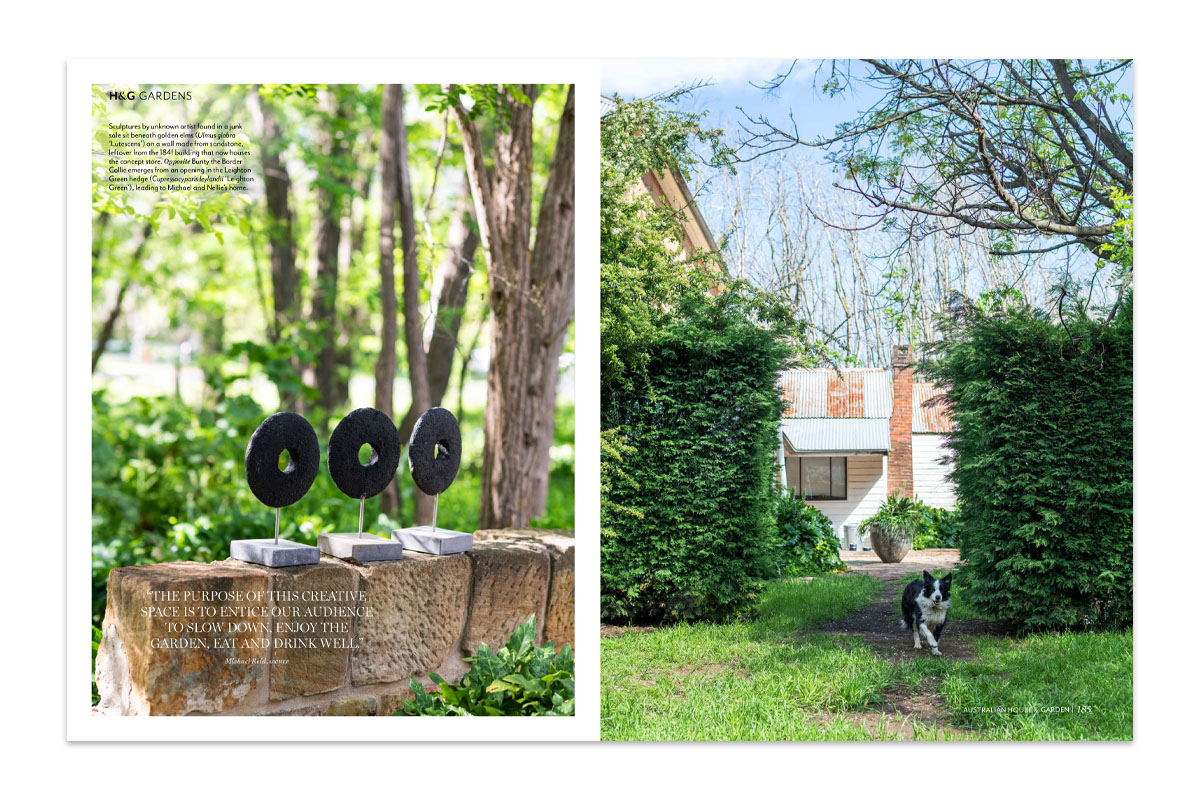
The gallery, Concept Store, and Kiosk at Murrurundi are destinational retail; the entire purpose of this creative space is to entice our audience to visit, slow down, enjoy the garden, eat and drink well, and view and acquire nationally significant art. The garden is both an aesthetic and commercial drawcard. It is within beauty that one can best absorb the beauty, enjoyment, and value on offer. To enter the gallery garden, you walk a Rhyolite gravel path. A meandering path, that wends its way through beds of Oyster plants (Acanthus mollis), winter roses (Hellebores) and May bush (Spiraea). I mass plant. Down the garden path you approach the monumental new structure of the art gallery, nestled a distance from the Concept Store, a former colonial cell block converted into a buggy stable in the 1890s. The garden is designed to draw people across the Murrurundi spaces. My outside cantilevered fireplace is designed to create a “wow” moment and bookend the gravelled central courtyard. The fireplace acts as a monumental Donald Judd style sculpture. From the central outdoor space, overflowing with Anatolian Hollyhocks (Mallows) visitors are drawn around the new art gallery, between the gallery and the outdoor fireplace to the newly constructed front garden.

The entire new front garden space rises from the disaster of a heroic 160-year-old River Red gum collapsing during the drought and finally falling, taking all with it. The canopy of this most majestic gum shaded and dominated the land between the new gallery and the New England Highway. When it came crashing down and smote all before it, the carnage opened this space to the searing summer sun. Tackling this side of the gallery garden for the first time, with the help of garden designer Gay Stanton, we created a wide-open new space with a nine-metre-long concrete water trough placed in front of three interlocking, 9-meter-long gabion walls, resulting in a more formal garden than I usually prefer. But there you go. That was Gay’s idea, and a damn good one at that.

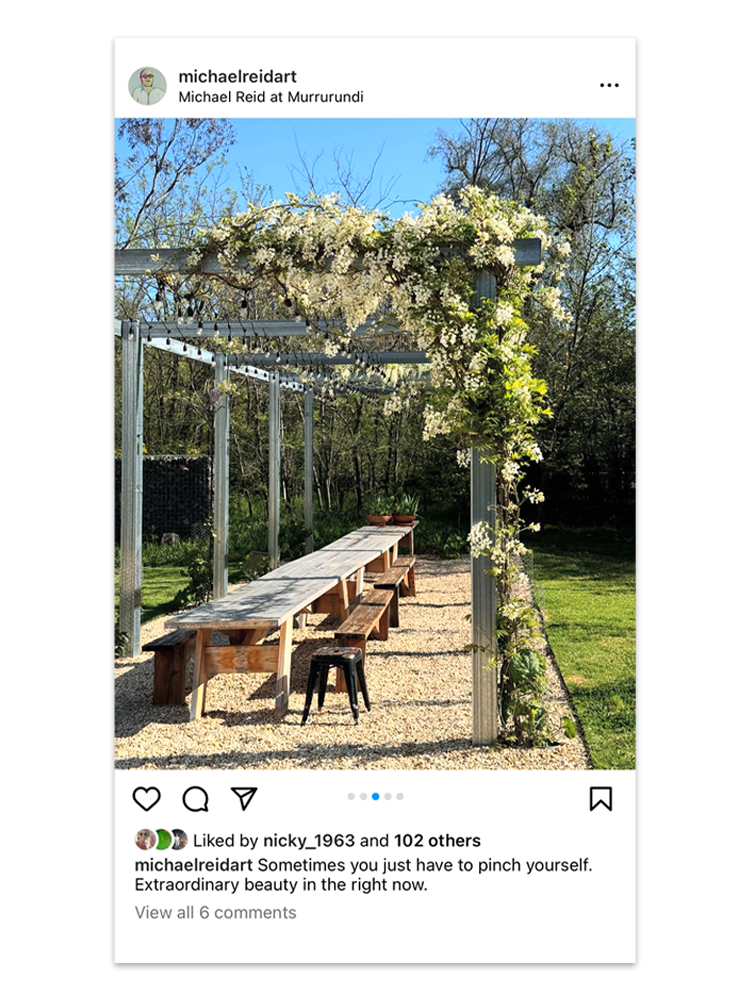
The new front garden, like the older stone Concept Store and new gallery, now has a steel pergola planted with white wisteria and ornamental grapes. Over the last year, I have planted three large pergolas. I am moving away from large umbrellas, which, no matter how well secured, catch the wind and end up being scattered, fractured remnants of their former selves. The pergolas are mostly lit for the next phase when the space is opened into the evenings. Pergolas offer shade whilst make a striking hanging-garden framework.

There is less room for subtlety and delicacy in a more public garden. Open gardens take a beating from people traffic, and as much as I enjoy leaf variations as the next person, the finer points of a whore-to-horticulturist can be lost on many. I still chuckle when I remember a member of the public asking me, “Why have the deciduous trees lost their leaves?”; I didn’t say, “Because they are deciduous, you fuckwit”; but I may have.

More public gardens must express a degree of visual clarity and overall impact simplicity than can be privileged in a private garden. Shade and beauty draw in my people and entice them to stay a while. The garden, in turn, compels my audience across and around my Murrurundi space, enticing them to settle and enjoy. These are all similar yet distinctly different propositions that a commercial garden designer anticipates, but a private space gardener may not.

Carly Le Cerf by Sarah Hetherington

Posted by

Within the Western tradition, to paint the Australian landscape is to bear the weight of over 200 years of artists who have travelled this well-trodden path. And yet, its lure continues to captivate contemporary artists today, eager to make their own mark.

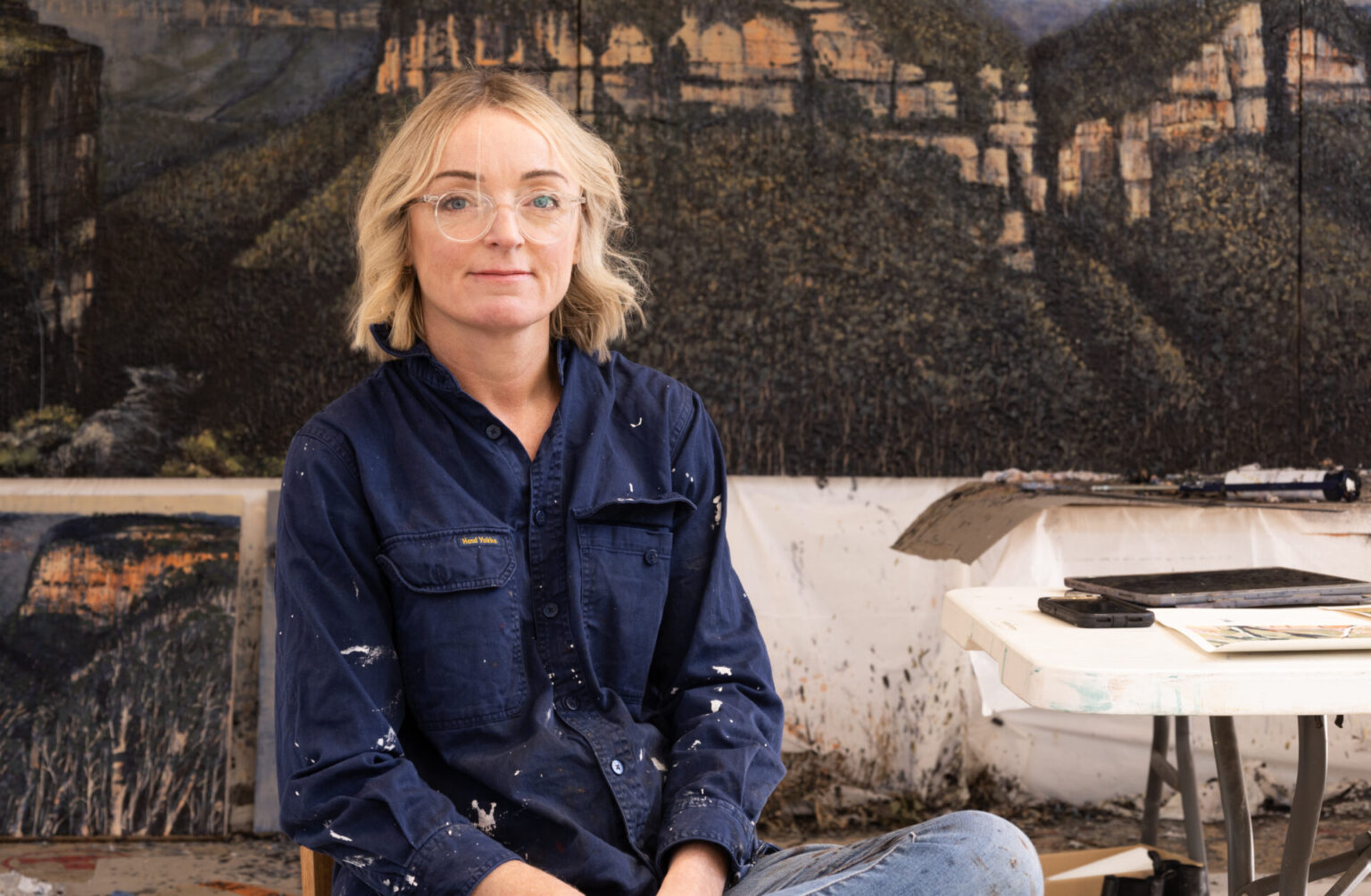
Carly Le Cerf is one such artist, with a very particular intention in mind. Originally from the United Kingdom, Le Cerf relocated to Australia at age five and now lives and works in Denmark in Western Australia. In the early 2000s, Le Cerf resided in the Pilbara region of Western Australia in a house that was the last in town. She recalls, “Across the road was an endless stretch of nothing. So, at the end of the day or on weekends, I would go for long hikes, sit, and paint the landscape. I haven’t stopped since.”

With a background in art education and a deep interest in art history, Le Cerf’s knowledge of the lineage of Australian landscape painters is informed. Rather than derivation, she is aware of previous artist’s motifs and how not to emulate. She notes, “When I am in the landscape, I see Fred Williams’ trees, or Sydney Long’s trees.” Although not a direct influence in her work, Le Cerf acknowledges and respects Indigenous knowledge and Country.

Whilst other locations including the MacDonnell Ranges in the Northern Territory have featured as subjects, it is the rugged beauty of the Pilbara that she continues to return to, capturing its distinctive red earth, weathered rock formations, tree-dotted plains, and vast, open spaces. These landscapes showcase her ability to translate, through colour, perspective and texture, not just the visual aspects of the Pilbara in a linear sense, but also it’s intense heat, isolation and even profound stillness.

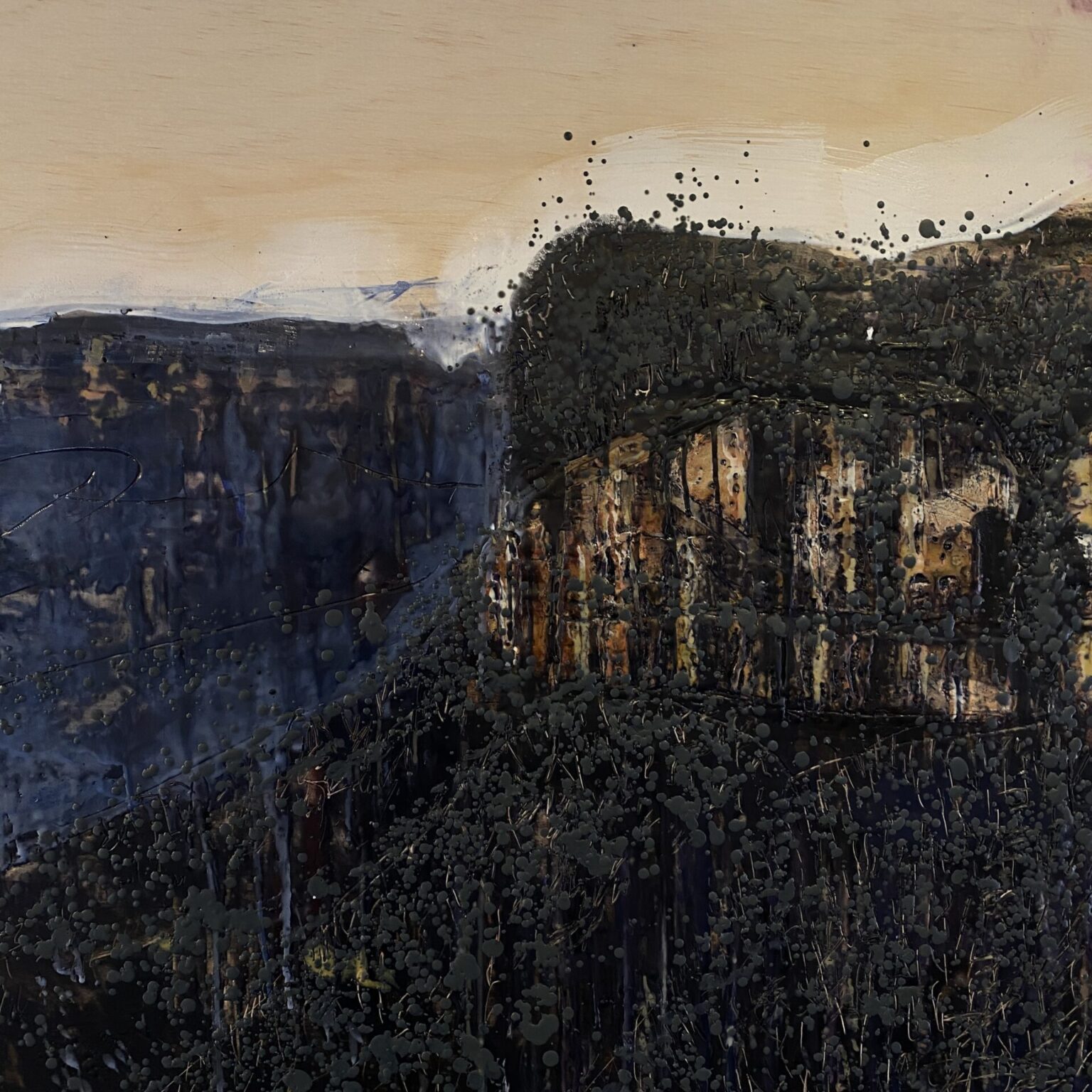
Now, however, Le Cerf has embarked on a new artistic journey in the Blue Mountains, undertaking a month-long residency at Bilpin international ground for Creative Initiatives (BigCi) which is situated on the edge of Wollemi National Park. The UNESCO World Heritage site, located west of Sydney in New South Wales, offers a stark contrast to the arid landscapes of Western Australia, marking a significant shift in Le Cerf’s painting. Known for its panoramic escarpments – astonishingly steep valleys and cliffs with waterfalls throughout – the region’s name comes from the blue haze that often envelops the mountains, created by oil droplets released from abundant eucalyptus trees.

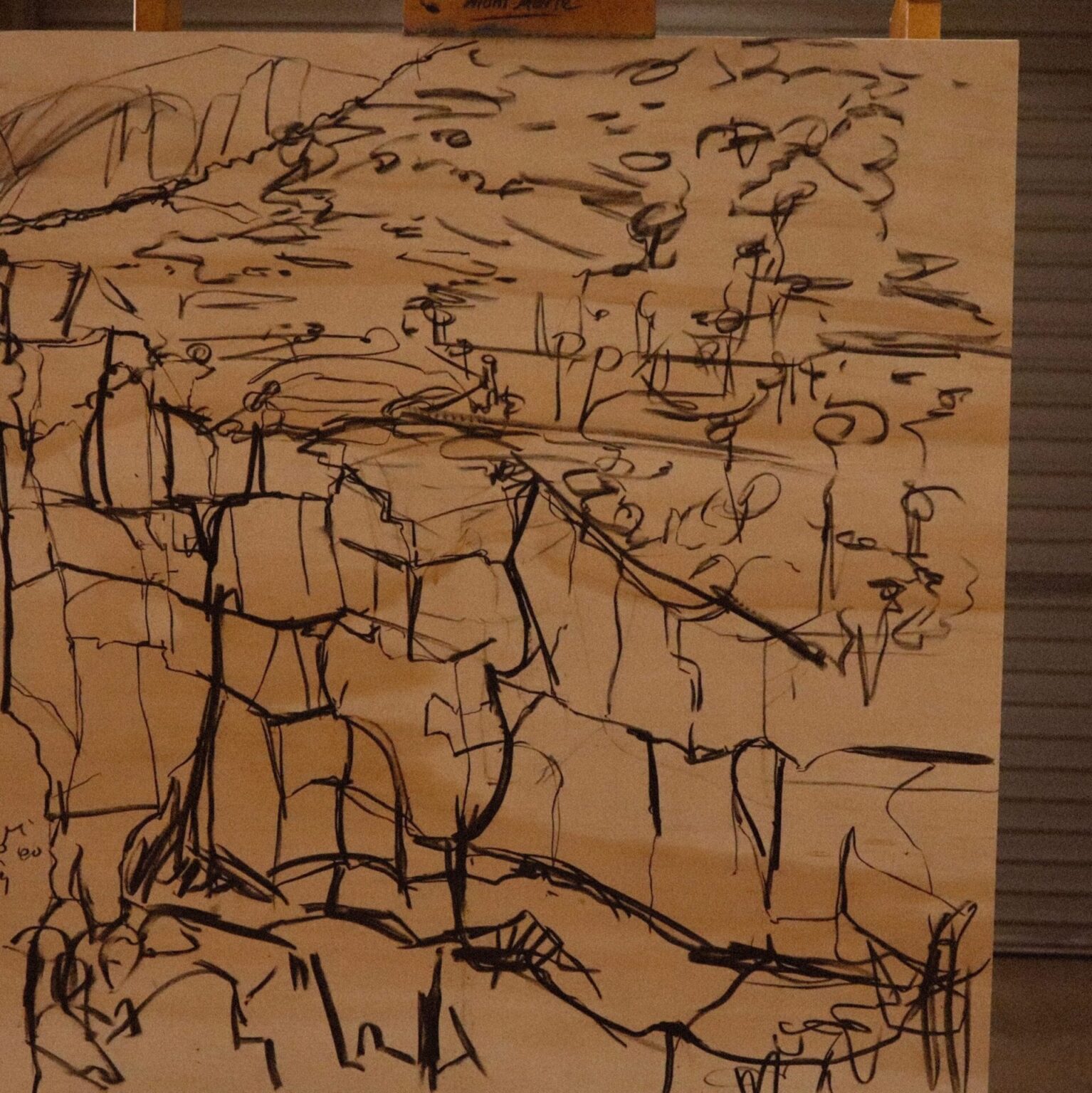
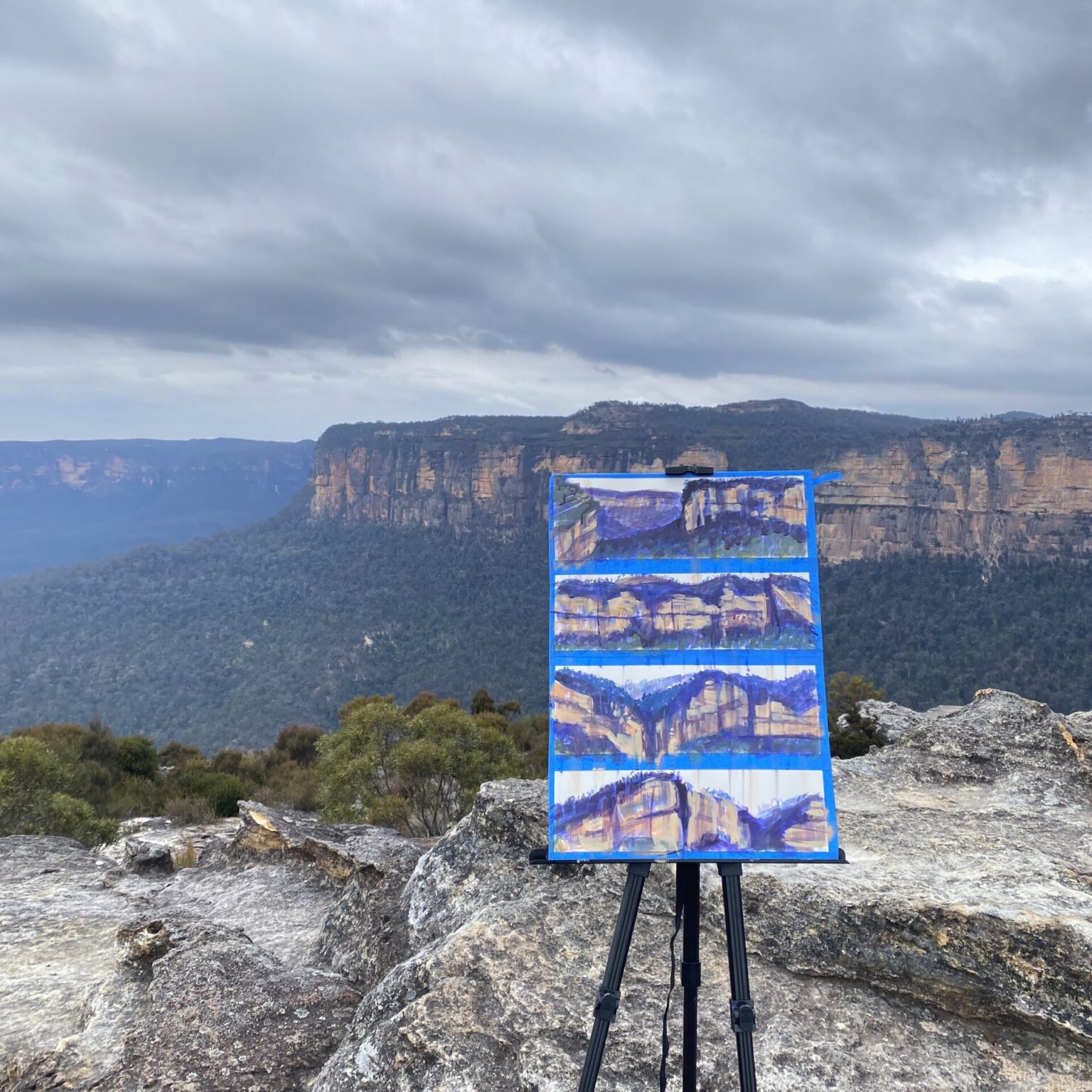
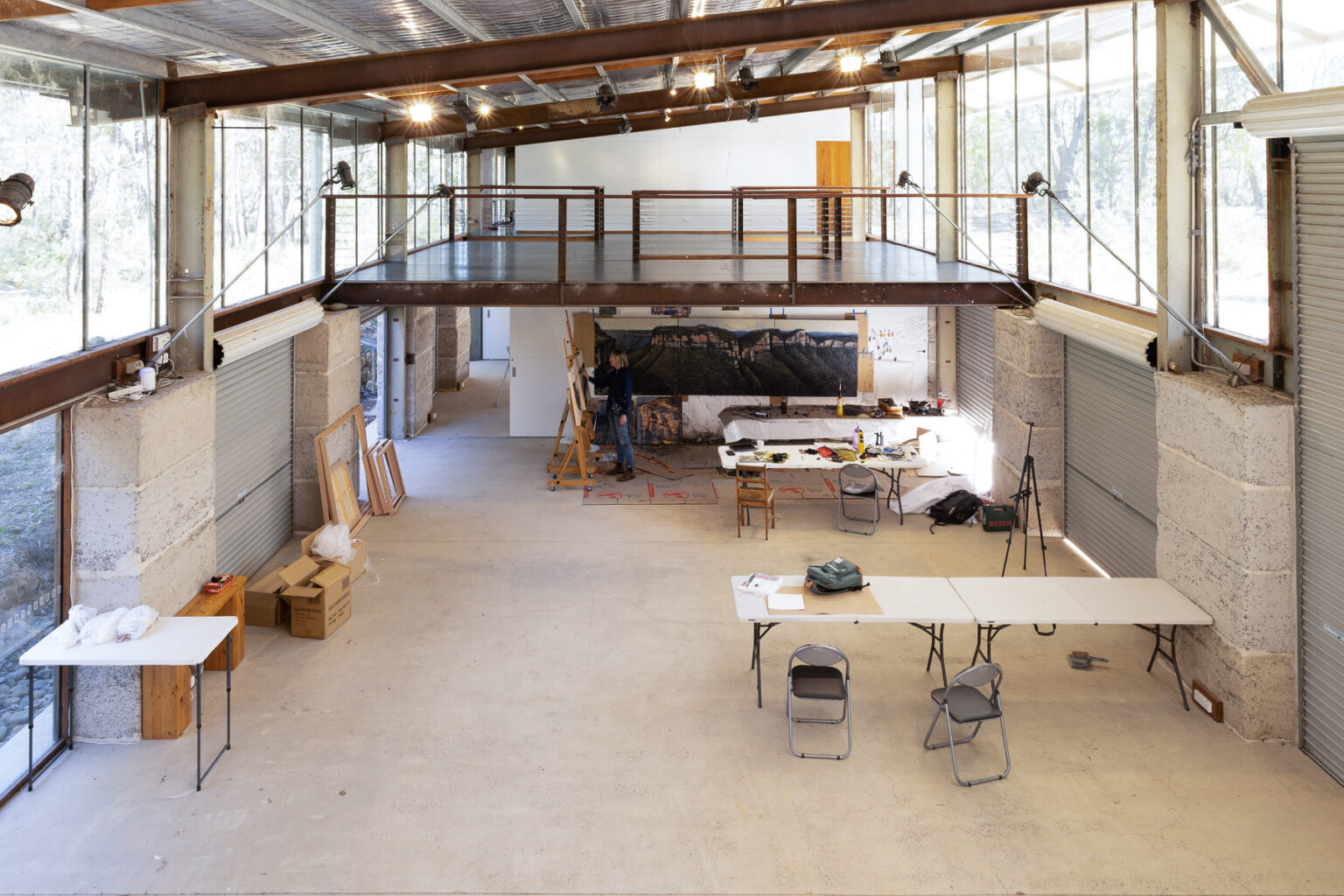
The recent residency, partly funded by Regional Arts Australia, presented itself at an opportune time in Le Cerf’s career and practice. Relishing a new challenge, her plan was to undertake an upscaling of her work, creating a 4-metre-long panoramic painting on board that could also function as individual panels. Additionally, the residency has allowed her to immerse herself in the landscape for a sustained period, with an immediacy not previously experienced. She comments, “Unlike my time in the Pilbara, at the residency, I can be in the landscape daily. I can go for a drive or a walk, do some drawing, figure something out and then add that back into the painting.”

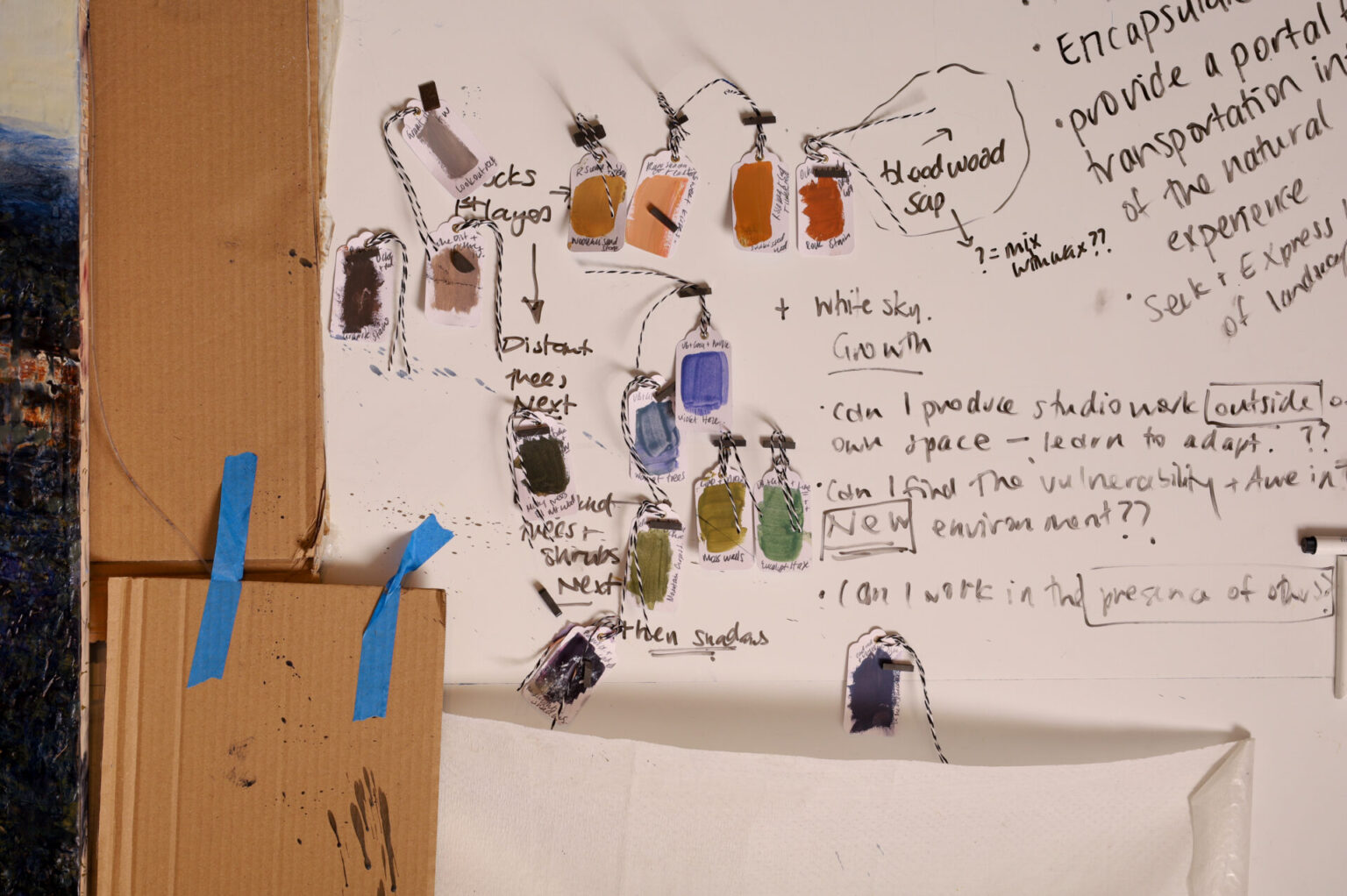
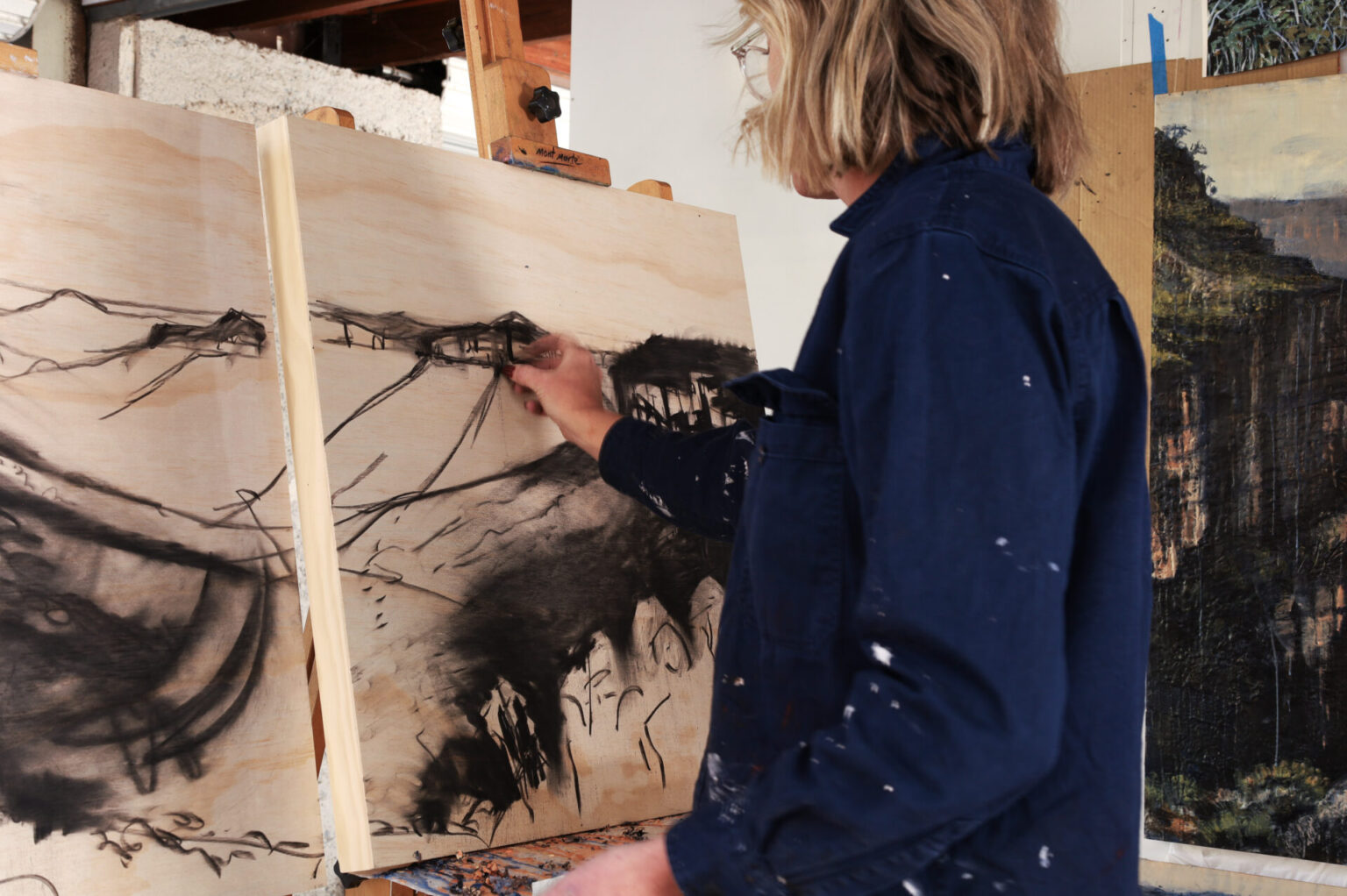
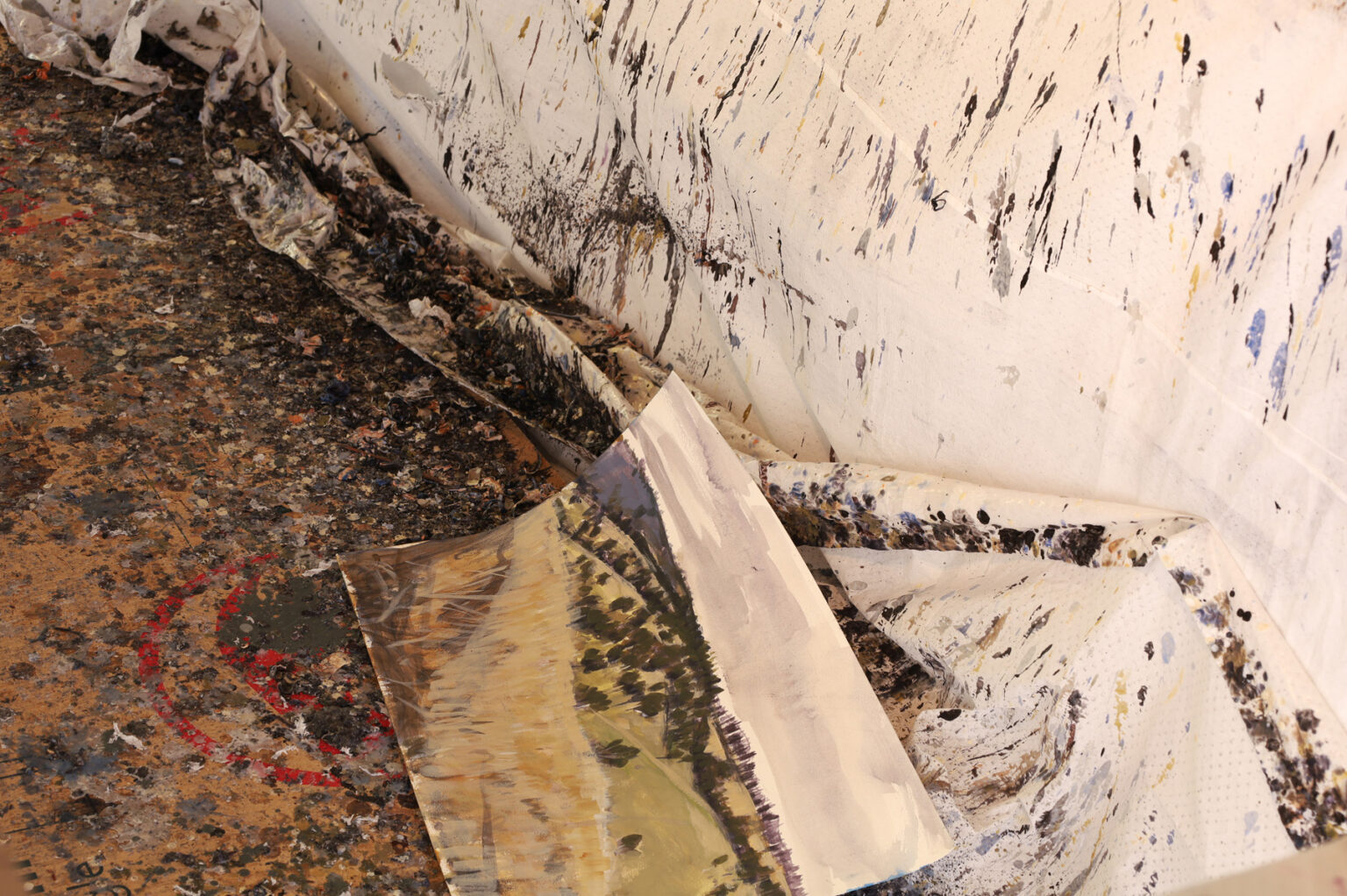
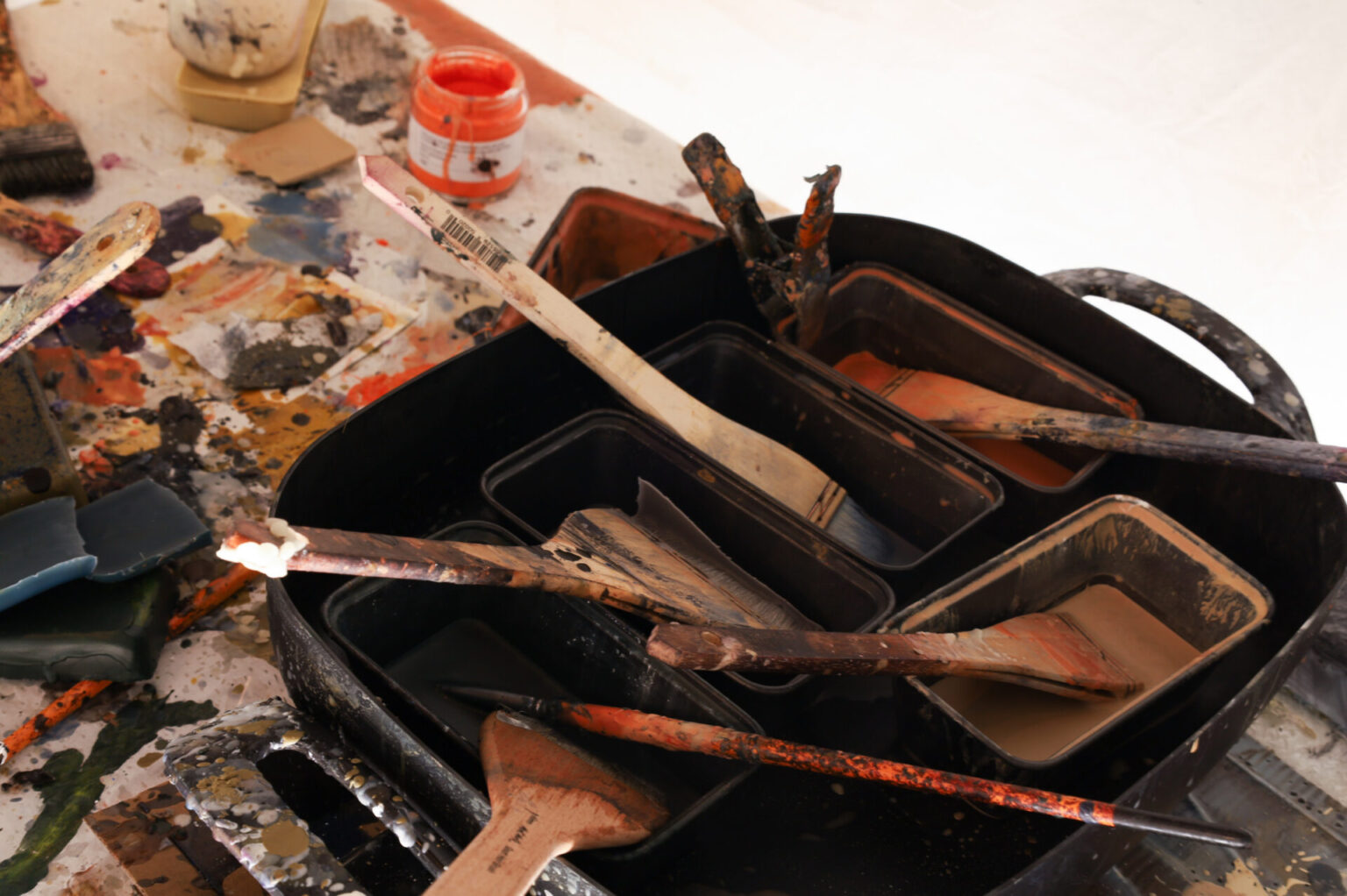
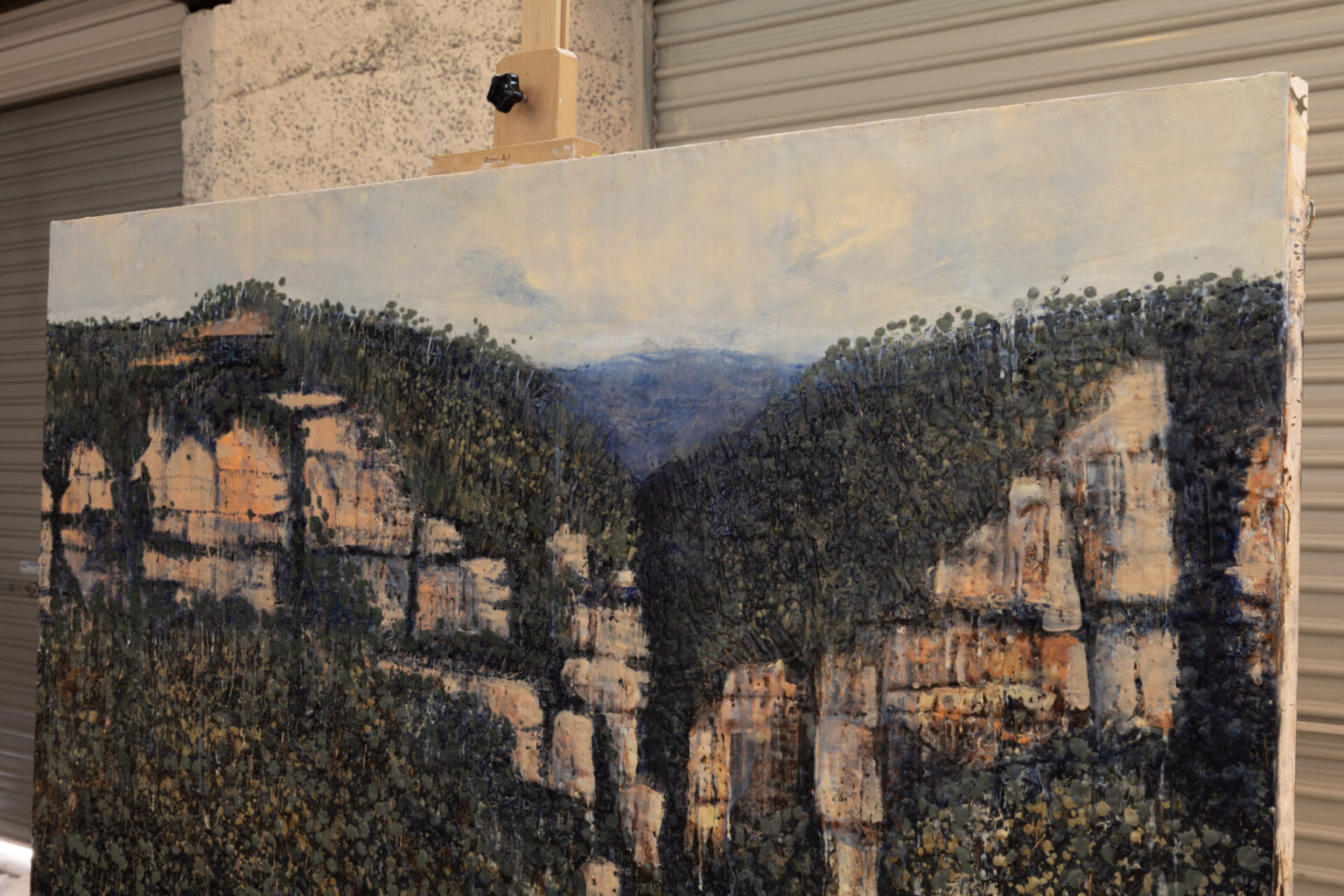
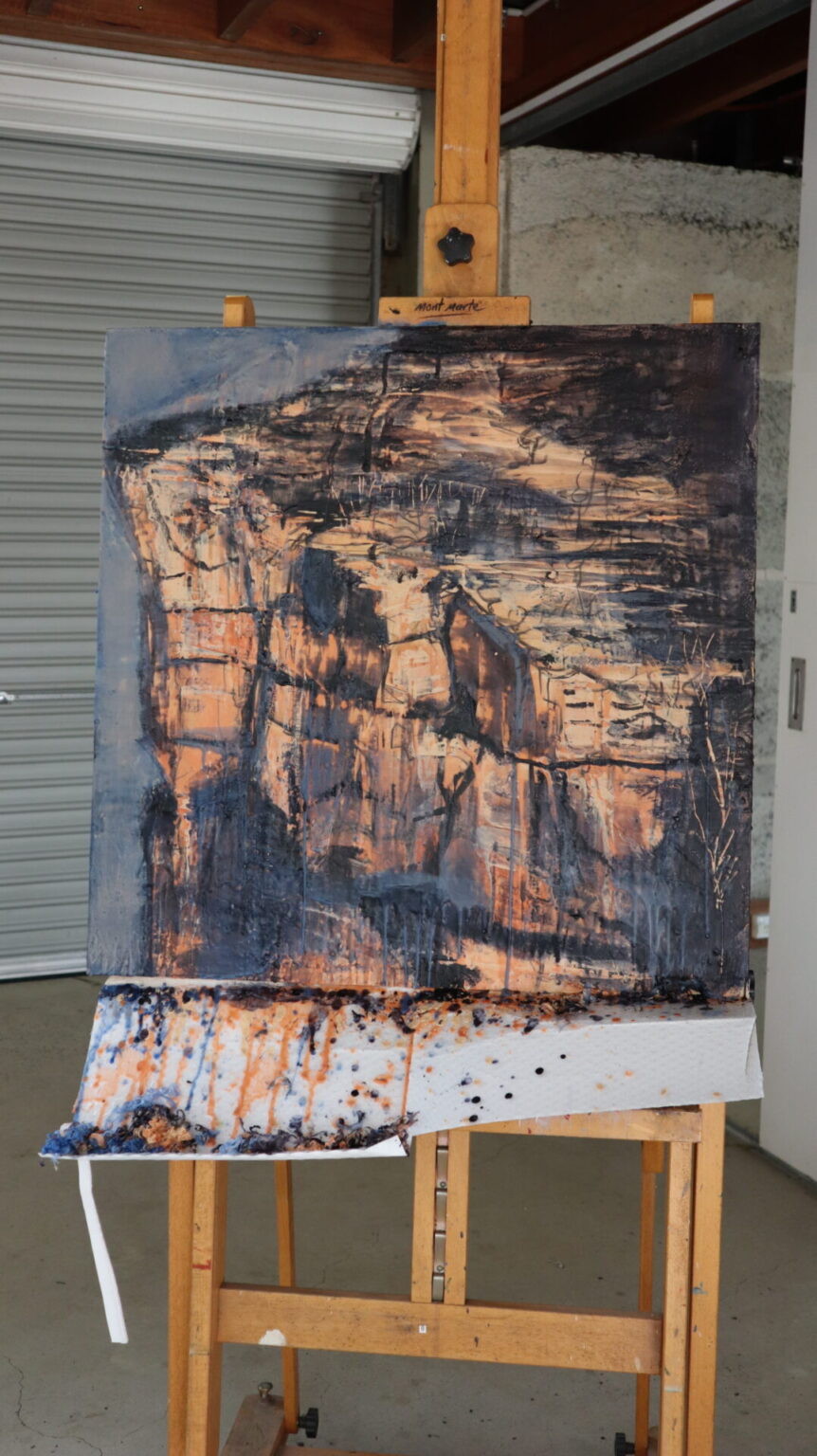
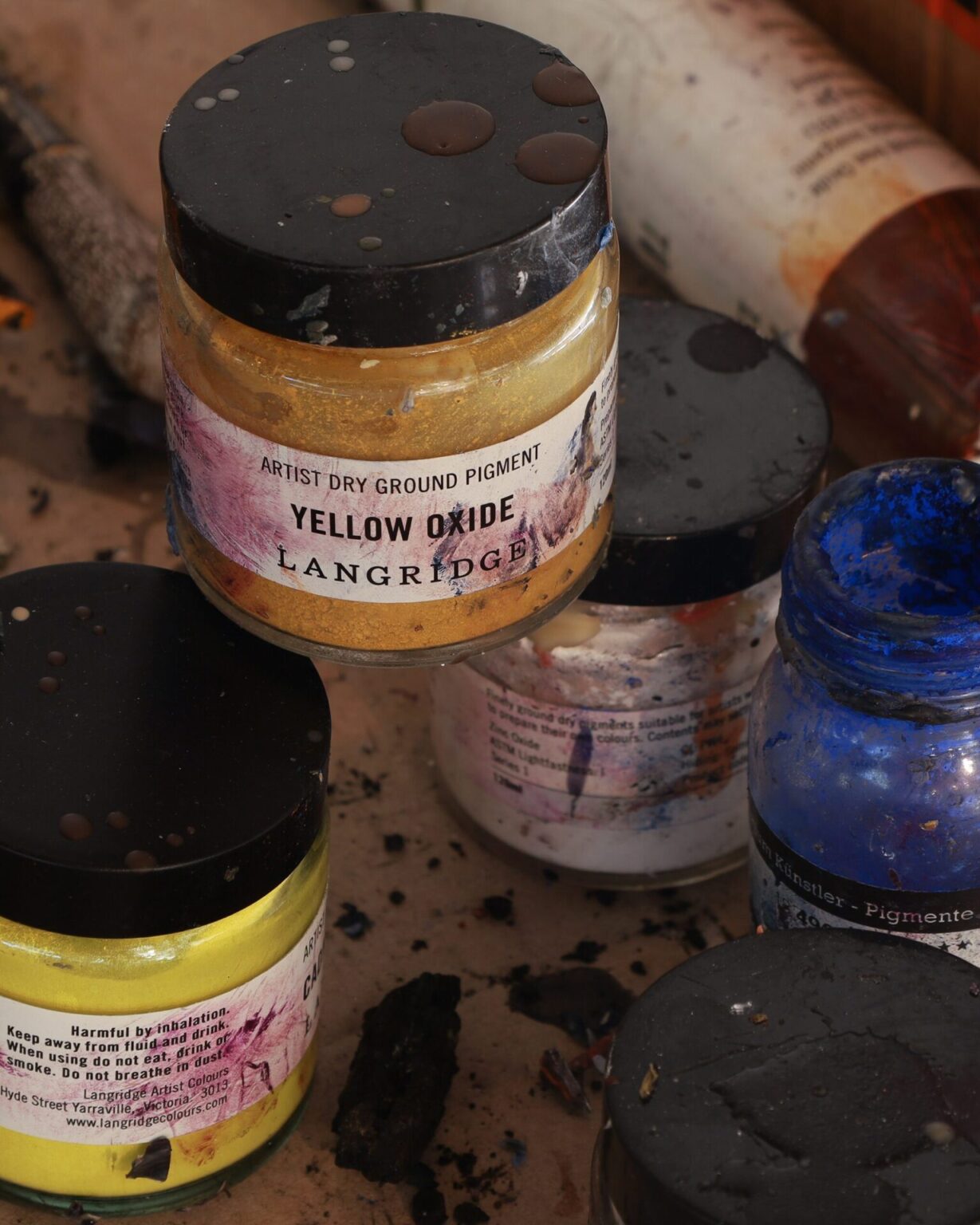
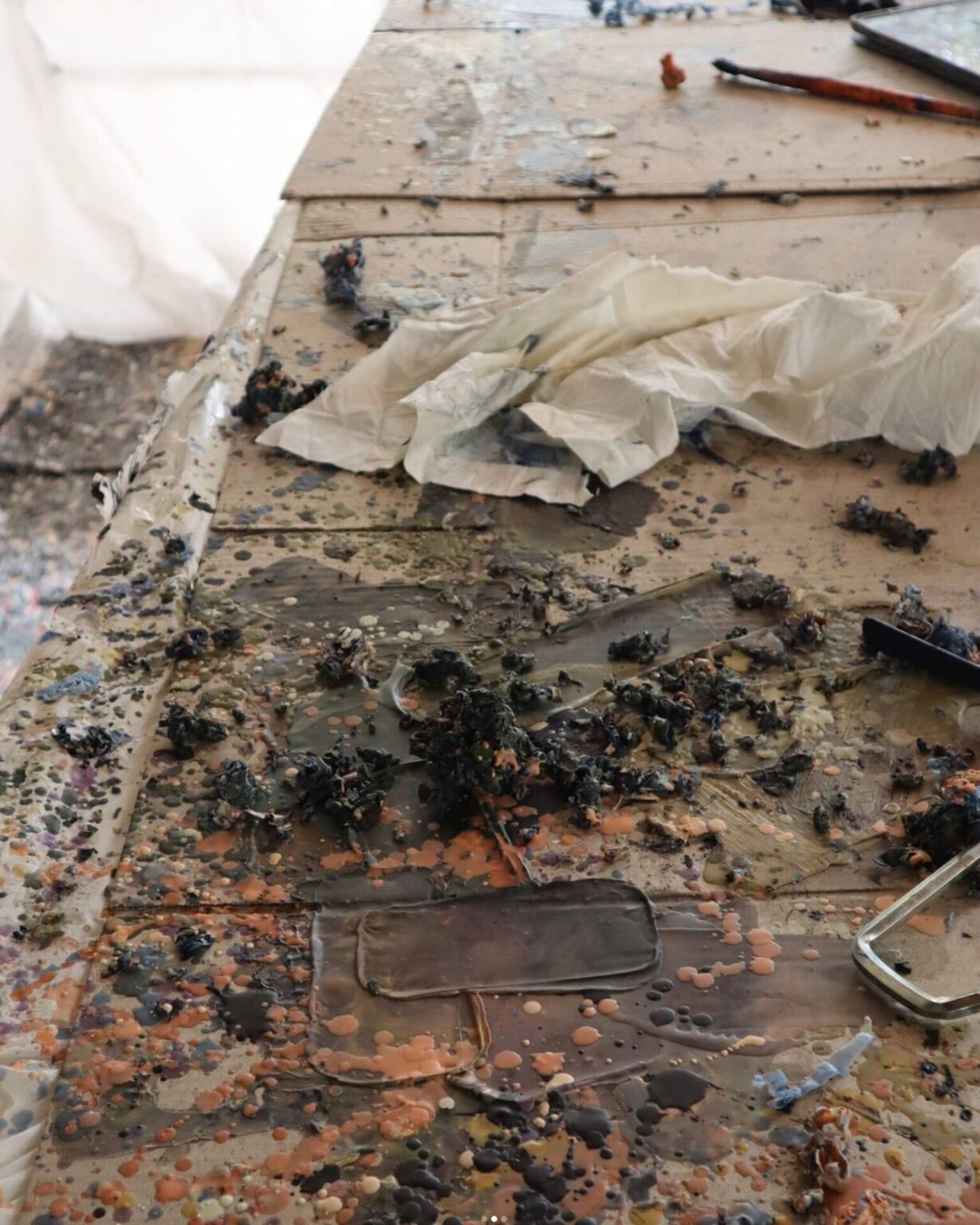
Le Cerf’s practice is process driven and it is imperative that time is spent in the landscape – looking, walking, meticulously recording colours, photographing, capturing the light, sketching, writing and making gouache studies en plein air. Significant time is taken embedding the memory and experience of a place into her mind. She posits, “John Olsen referred to it as ‘being a journey person.’” Upon returning to the studio, her critical source material is gathered, laid out on the studio table and attached to the walls. At this point, the encaustic painting process commences. Le Cerf describes this as “sculpting the landscape”, in that her chosen medium is very three-dimensional, each layer applied sinks into the rigid and porous surface board and eventually becomes one substrate.

Gradually, her source material falls away and she starts responding purely to the painting process itself, noting it is “very physical – carving, painting, scraping, vertically and horizontally, I am constantly moving boards on and off the wall, all day and non-stop until the work becomes its own entity.” Much like its geography, the new panorama, Boundless Love (2024) has taken time to form and is compelling. Le Cerf has captured the breathtaking, soaring landscape of the Blue Mountains. Expanses of cool, deep greens coalesce with areas of rough sandstone under a muted wintry sky. Despite the dry, craggy rock formations, there is a rich lushness in the work, one can sense the eucalyptus scent being carried by the wind.

Le Cerf’s intention is to express awe – a powerful and universal human emotion. To be overwhelmed with feelings of reverence, admiration, even fear, in response to that which is grand, sublime and powerful. Of her painting, she states, “It must have that feeling, not just the appearance of the thing, but the vastness, of being moved by wonder. I keep going until I reach this point.” The Blue Mountains, with their spiritual and even psychological aspects, have provided the perfect location for developing this further. Le Cerf invites us to experience the wonder and majesty of the Australian landscape, encouraging us to pause and reconnect with the awe-inspiring natural world around us.

Six First Nations language groups maintain deep connections with the Country of the Greater Blue Mountains. These groups are the Dharawal and Gundungurra peoples (in the south), the Wiradjuri (in the west and northwest), and the Wanaruah, Darkinjung, and Darug (in the northeast).

The artist and Michael Reid Sydney acknowledge these First Peoples. We pay our respects to their Elders, past, present, and emerging.

Pecora Dairy by Michael Sharp

Posted by

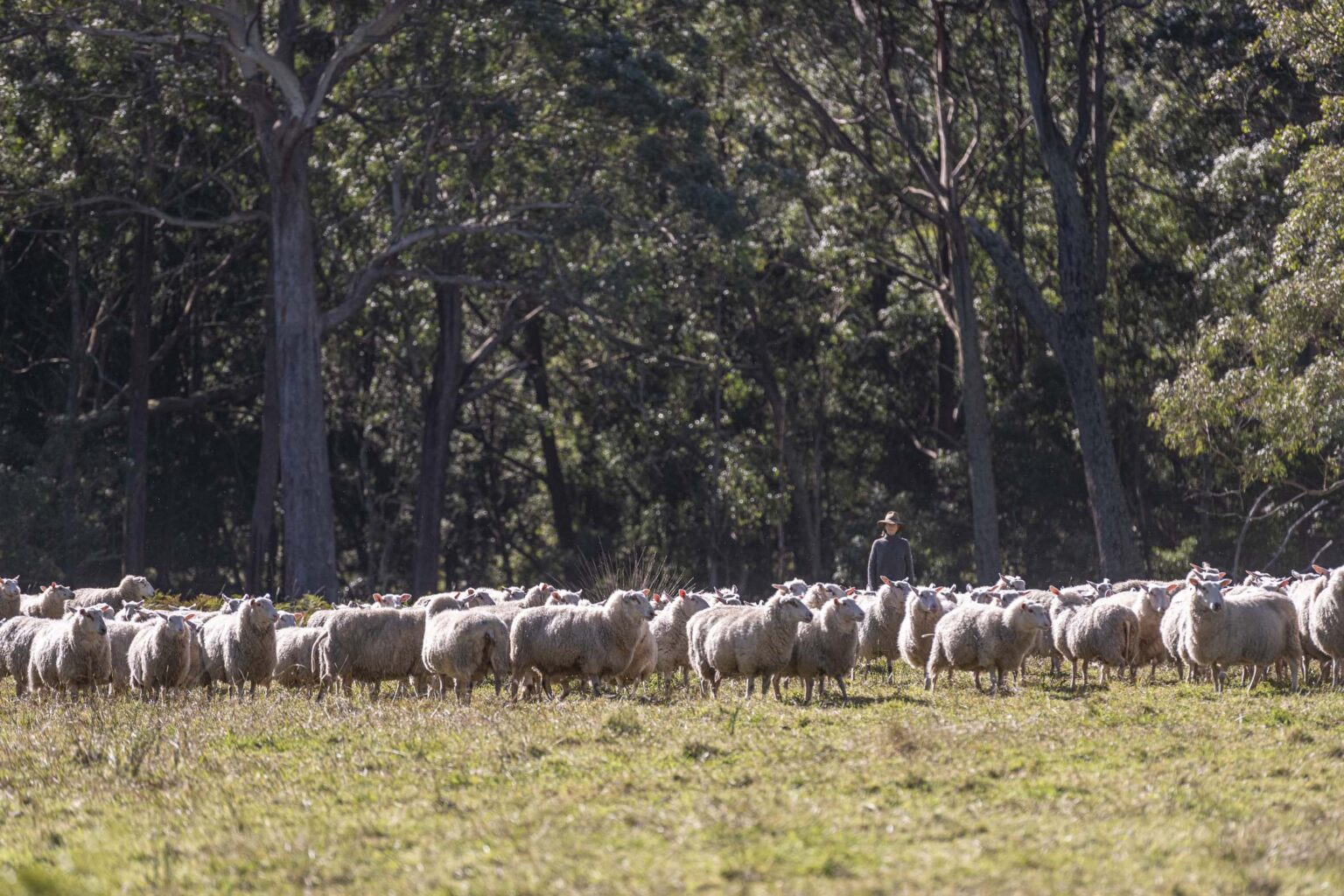
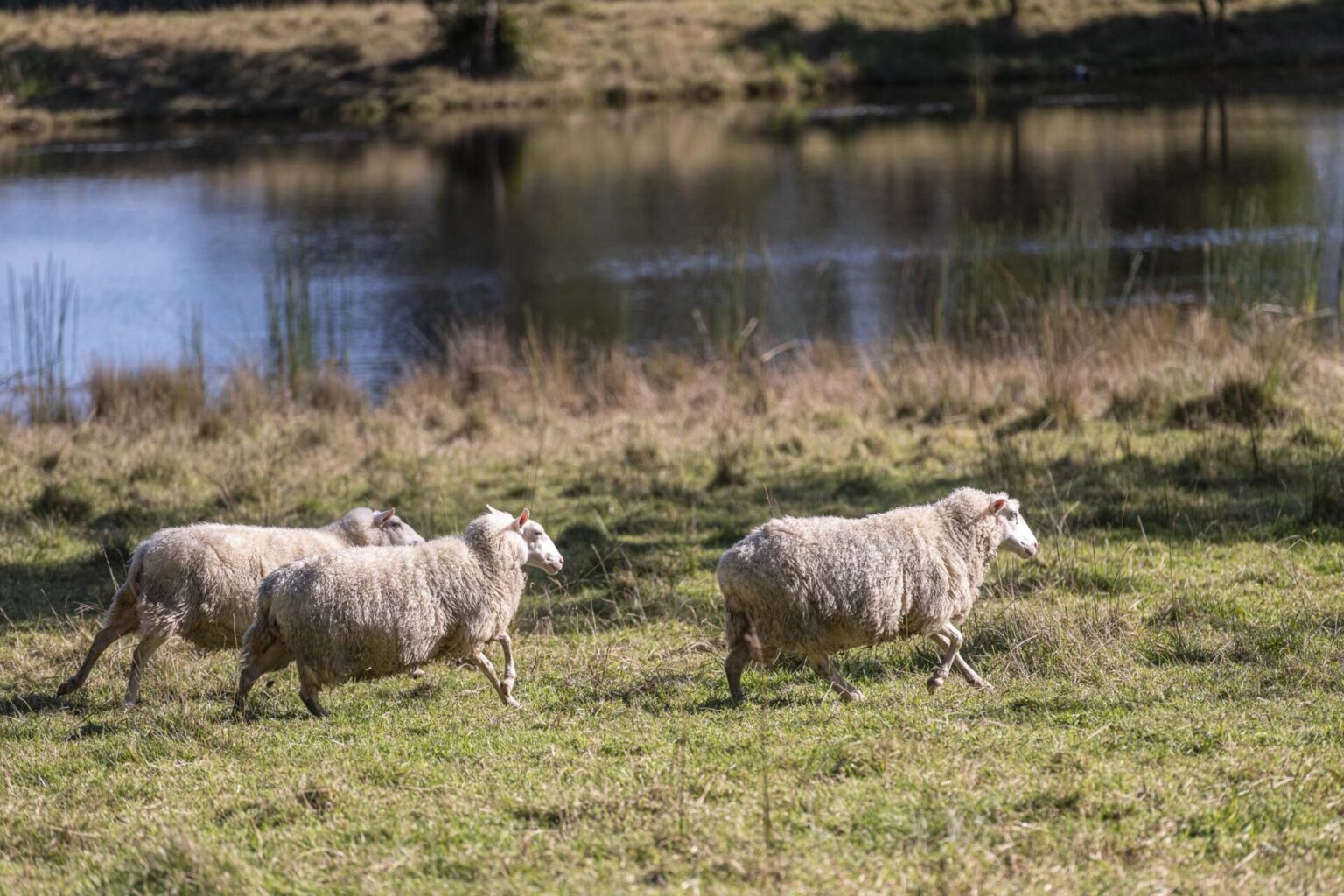
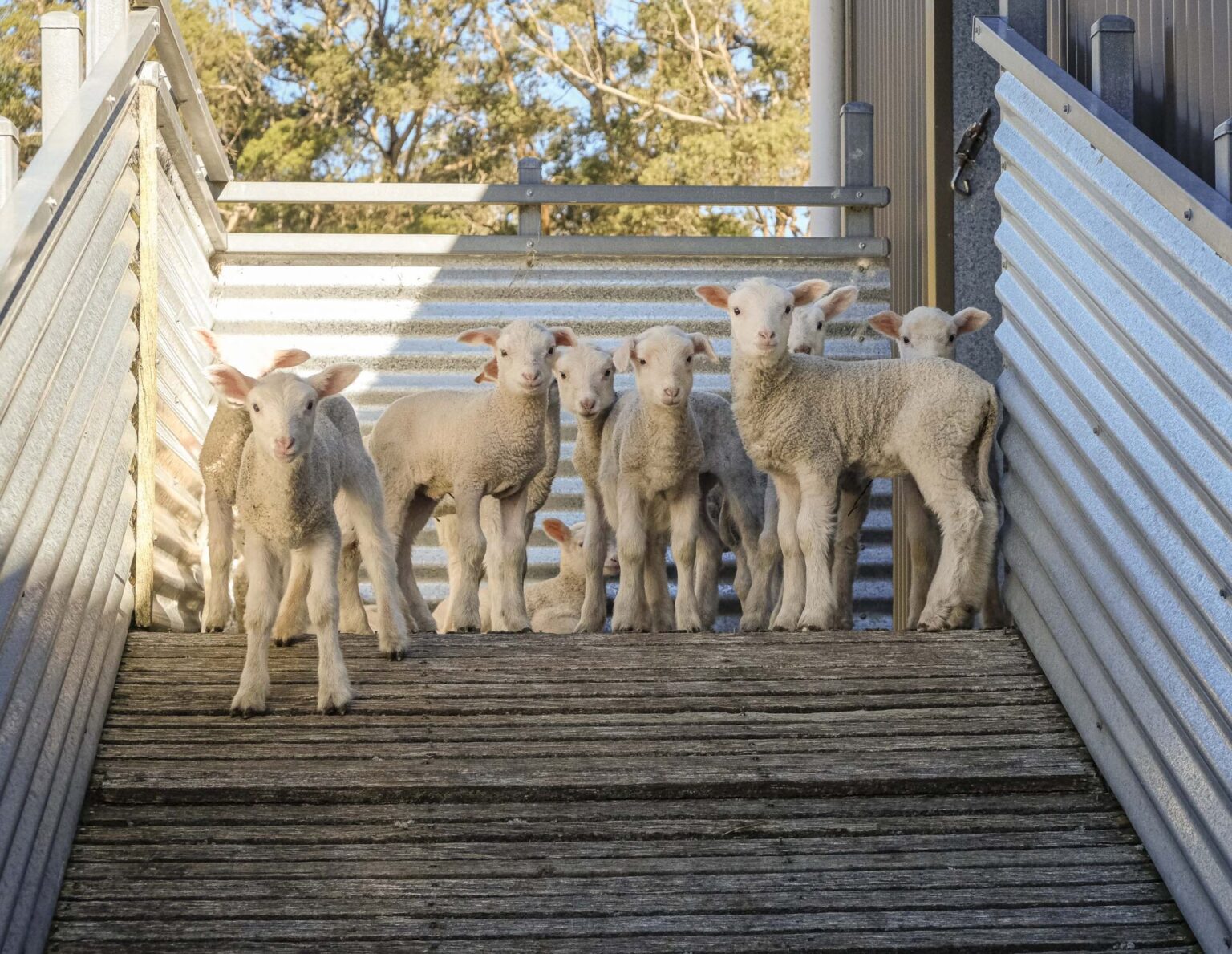
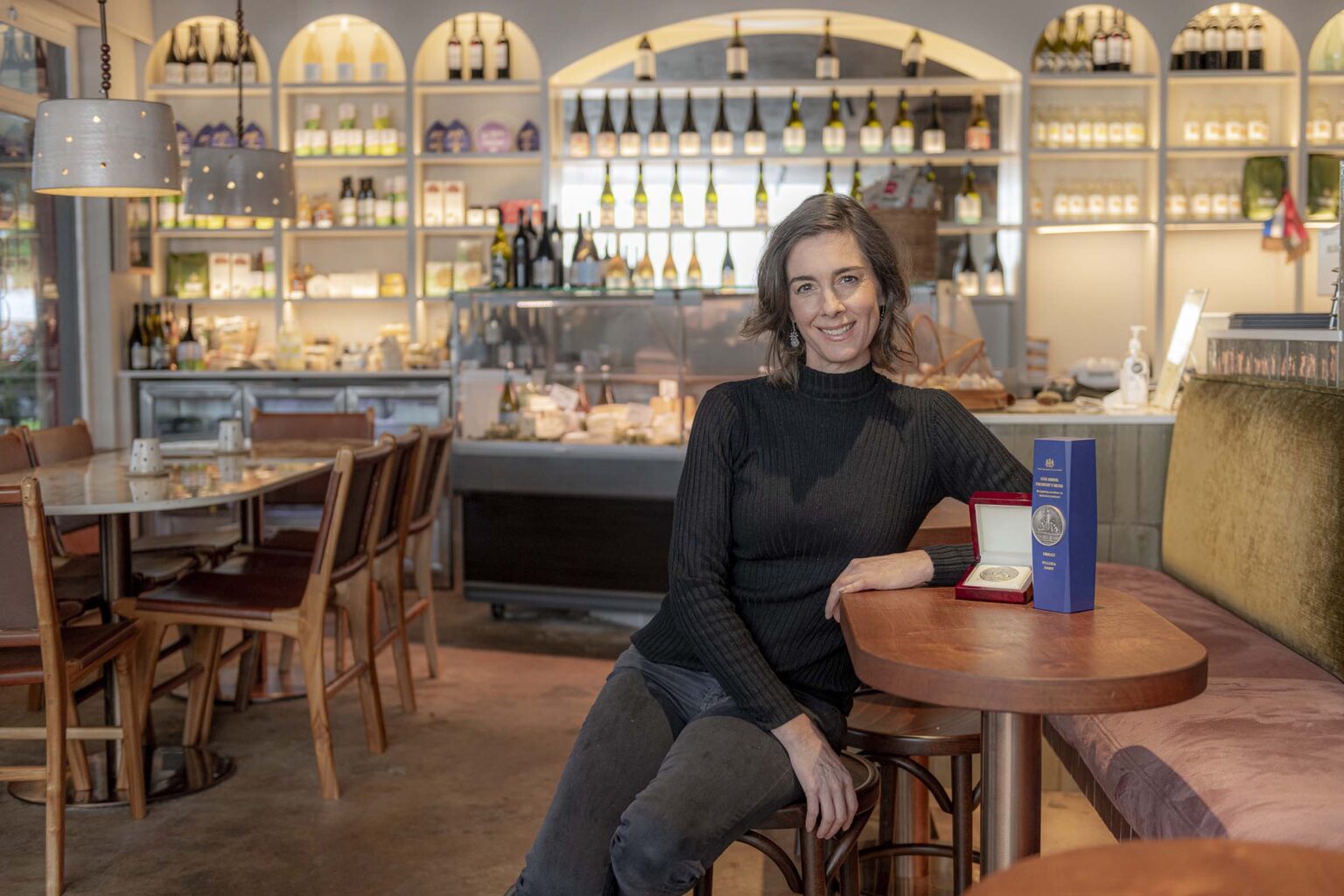
Cressida and Michael Cains are the dedicated couple behind artisan sheep’s milk dairy and cheesery Pecora Dairy. For the 40th Edition of The Argus, the recipients of the President’s Medal at this year’s Sydney Royal Easter Show invite us to their 200-acre property in Robertson, NSW, where their ewes graze lush pastures and drink from crystal-clear creeks, producing rich, creamy milk for Pecora’s award-winning cheeses.

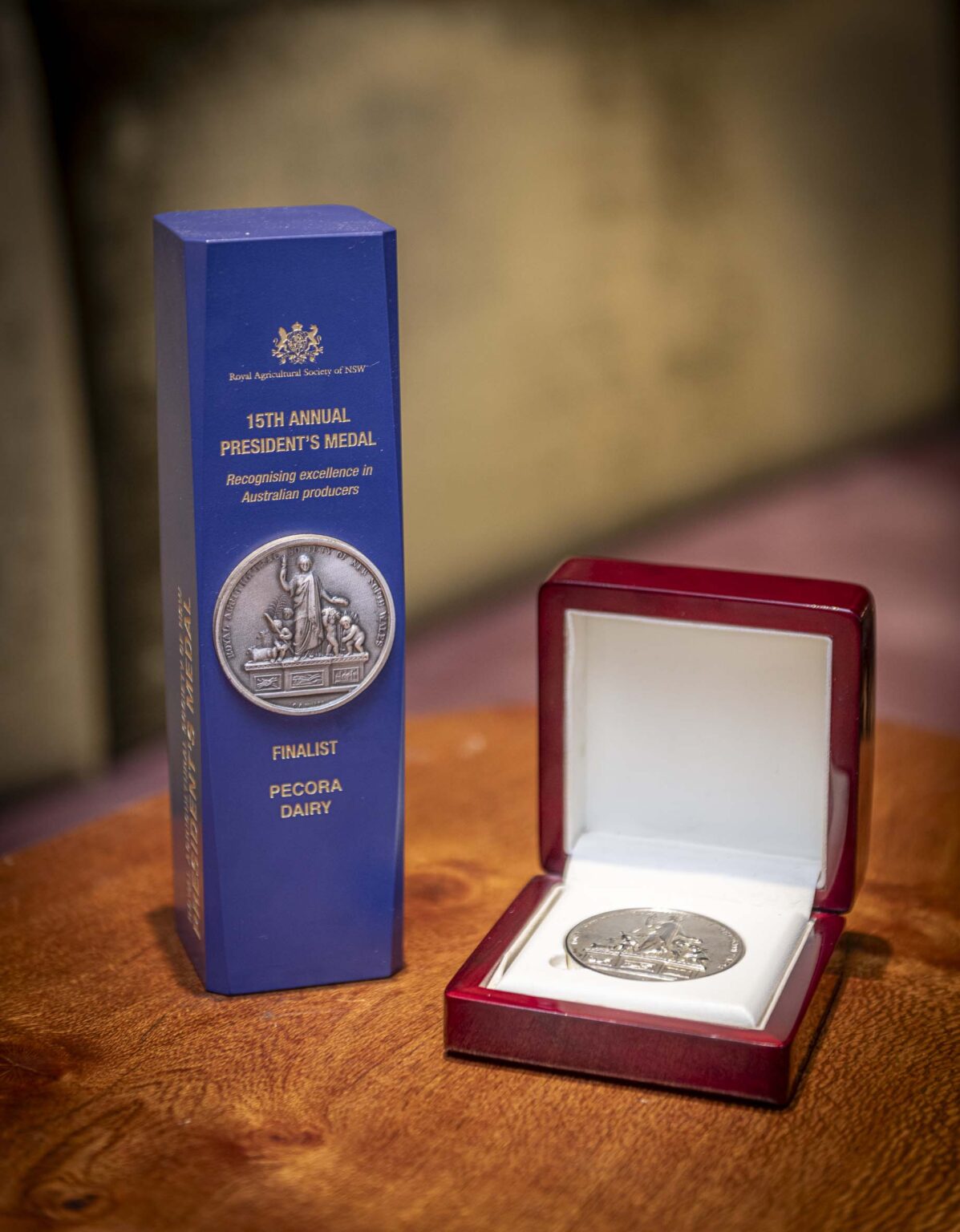
After a five hour dinner, including a spectacular interlude of fireworks, while overlooking the Main Arena at Sydney Showground during the Sydney Royal Easter Show, a raw milk cheese produced by Pecora Dairy was announced as the winner of the 2024 President’s Medal.

The finalists for this prestigious prize were all champions in their respective competition classes and the award “celebrates truly inspirational, innovative agricultural food and beverage achievers. Producers who prioritise sustainable environmental, economic and social practices throughout the production cycle from gate to plate, and whose contribution is beyond simply bringing a product to market, but also serves to ensure the sustainability and prosperity of the future of Australian agriculture.”

Having their names read out in a room full of their primary produce peers was “all a bit surreal” for Cressida and Michael Cains, the close couple behind Pecora Dairy. It was also “particularly special” because it recognised their two decade journey pursuing a philosophy of not just producing beautiful food, but doing so sustainably while capturing the unique qualities of their land.

Cressida spent her early years in the Sydney beachside suburb of Manly until, when she was 10 years old, her parents bought a hobby farm in Mittagong. Portentously, the neighbouring property was a dairy. She enjoyed an “amazing childhood’, spending as much time as possible riding horses at historic Throsby Park.

“I would stay in the old servants’ quarters with a bunch of girls and guys on weekends and in the holidays. There was no supervision and we had a lot of fun.”

After she finished school, Cressida completed a hospitality course in Sydney and later a business degree in Canberra. She then travelled overseas and when she returned to Australia she worked in the wine industry. This is where she met Michael, who had been born in Wollongong and studied at the University of Sydney.

The young couple bought a house in Leichardt where they “grew vegetables, had chooks in the backyard and dreamed of getting out of Sydney”.

Cressida and Michael took a step toward living this dream by buying a small property near Picton, about an hour’s drive south-west of Sydney. They planted a market garden and pecan trees and made butter from their “house cow”. Fascinated by the science of making cheese from milk, they bought some dairy goats “but they kept jumping fences and we decided they were not for us”.

Then, in 2005, they purchased six East Fresian ewes, renowned for the quality of their milk. The Cains milked their herd of half a dozen sheep daily and began making cheese.

“We knew we wanted to go into cheesemaking,” recalls Cressida. “We discovered that goats weren’t suitable for us and we liked the fact that sheep are much lighter on the land than cows – they eat and drink less and their milk is very nutrient dense and excellent for cheesemaking.”

Their experience in the wine industry also piqued their interest in cheesemaking.

“When I was working at Tyrrell’s, I saw that they made a number of lines of shiraz which were all different,” recalls Michael. “Each wine reflected the soil of its vineyard – sandy loam or basalt or chocolate – and was distinctively of its place. You could taste that. Both Cress and I developed a deep appreciation of the notion of terroir – that something tastes a certain way because it’s a reflection of its time and place and characteristics such as soil and temperature and climate; that food has the capacity to tell a story.”

In 2008 the Cains purchased about 200 acres of land near the Southern Highlands village of Robertson.

“The area around Robertson and Kangaloon is some of the oldest and best dairy country in Australia,” says Cressida, “and we also wanted proximity to market. A significant barrier for many small producers is the cost of transporting your product around Australia.”

It took about five years of research and development from their first milking in 2005 before they were ready to sell their cheese commercially.

“In 2010 we submitted our Jamberoo Mountain Blue to the Sydney Royal Cheese and Dairy Produce Show and it won a gold medal – so we knew we had a great product. We began commercial operations the following year with Jamberoo as well as [mould-ripened] Bloomy and our fresh curd, which shows the incredible sweetness and creaminess of our milk.”

From the outset, Cressida and Michael knew it was important to target “the top end of the market as a boutique brand”. They also wanted to produce a raw milk cheese, even though this was not permitted by the authorities at that time. What drove them to achieve that?

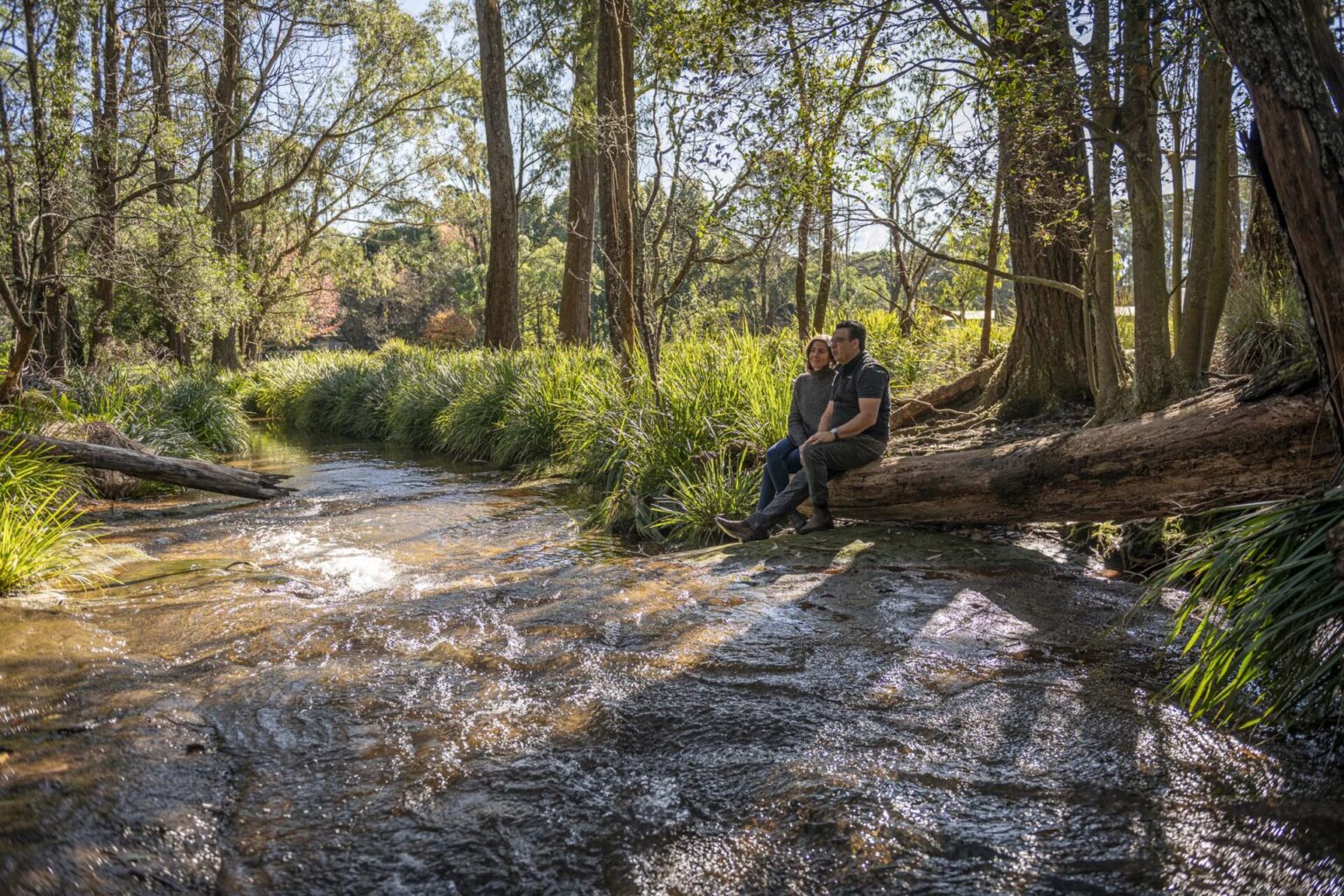
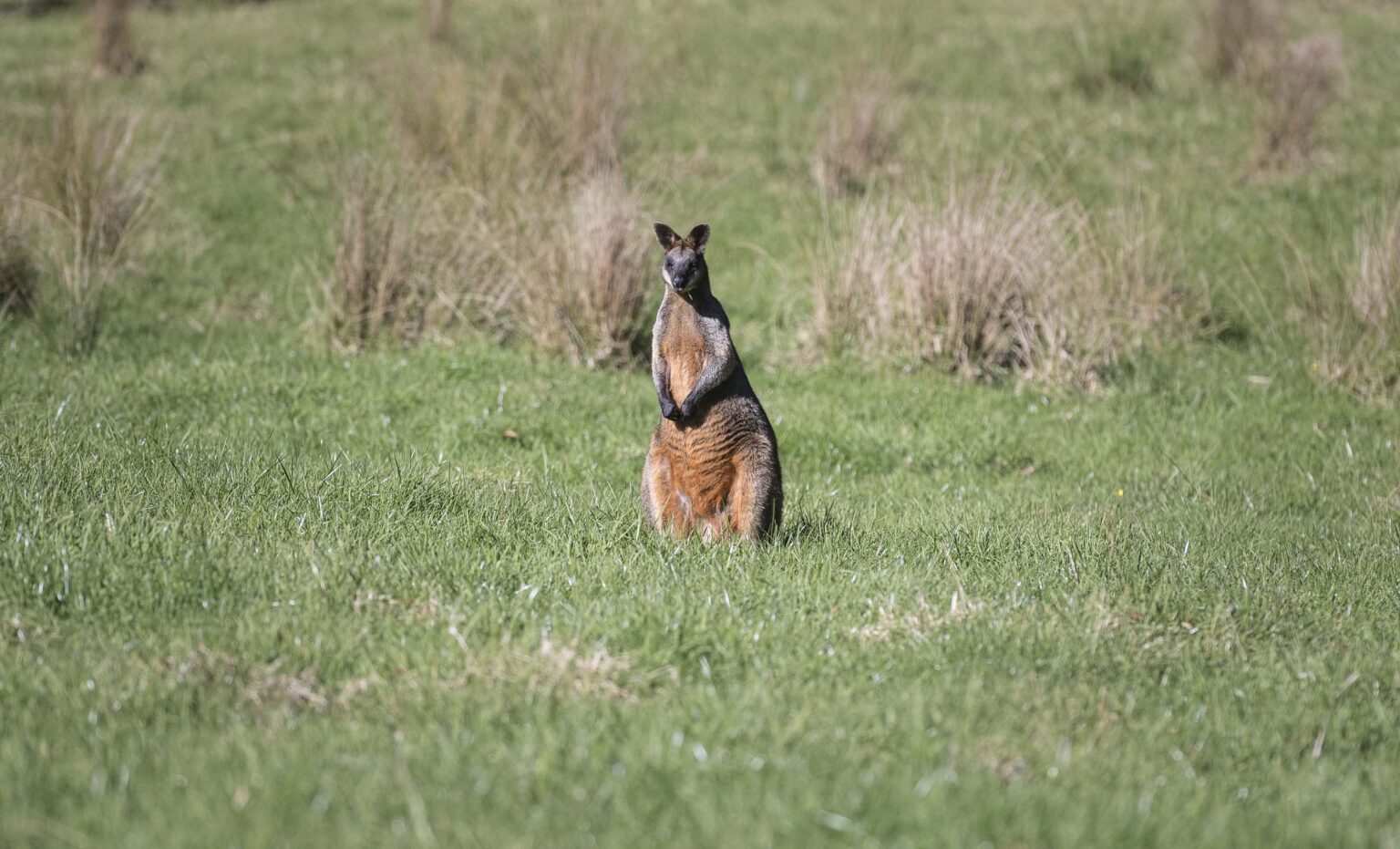
“Our property has some beautiful cool climate rainforest, which was originally called the Yarrawa brush, crystal clear creeks and we have lyre birds, echidnas, wallabies and a diverse variety of insects,” Cressida explains. “This is all part of the ecology of the property – the way the soil works, the way the pasture grows, the health of our animals and therefore the health of the milk. We wanted to express all of this in our cheese and the way to express that best is in a raw milk cheese because it incorporates all those macro and micro factors. It becomes an expression of the landscape on the plate. There is a direct link to time and place. This also means that each cheese is different – it’s a snapshot of our farm at a particular point in time.”

Michael explains why production of raw milk cheese was not permitted in Australia.

“The science of cheesemaking wasn’t understood as well as it is now, so it was just easier to require all milk to be pasteurised. A conventional cheese is made safe by the milk being pasteurised. A raw milk cheese is made safe through maturation, through the aging process, which is just as effective as pasteurisation. We know this now, but it took the industry a long time to understand that.”

In 2016, after extensive research, Food Standards Australia New Zealand changed the regulations to permit the production of raw milk cheese. Pecora Dairy then worked with the NSW Food Authority to become the first Australian operator licensed to make raw milk cheese.

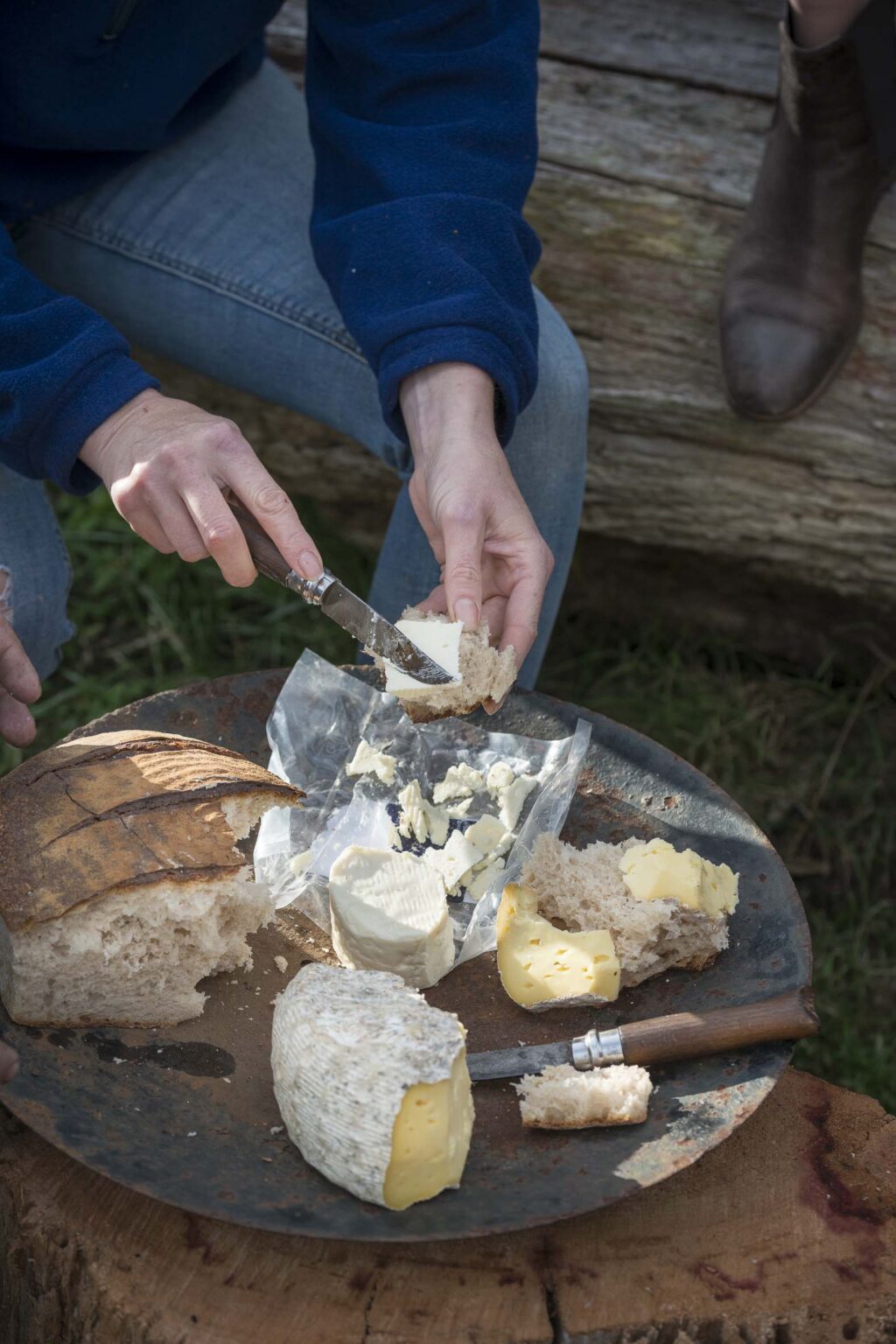
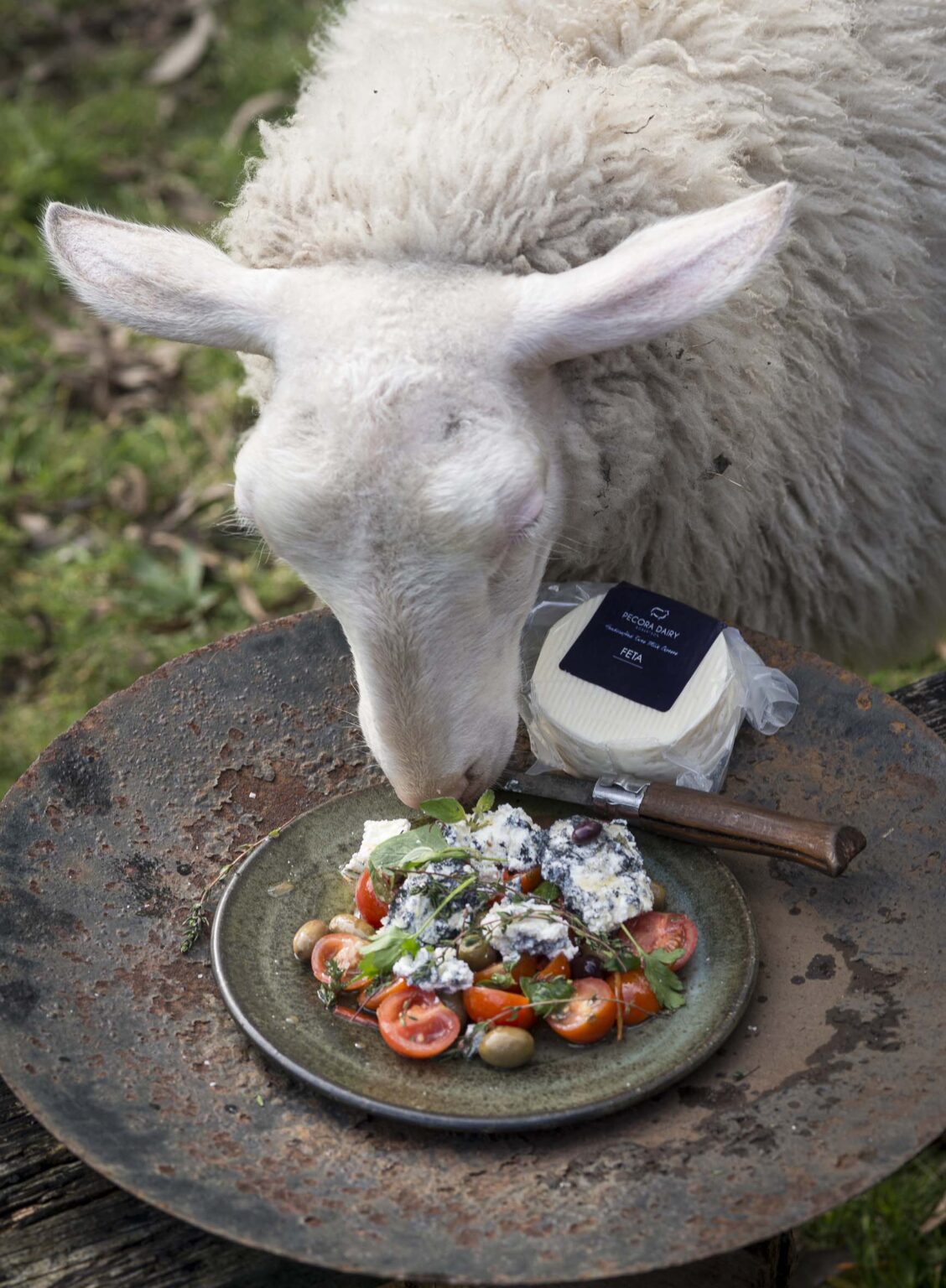
First produced in 2018, Pecora’s award-winning raw milk cheese is named Yarrawa, after the Indigenous word for the local cool climate rainforest. They also produce a raw milk fetta.

Pecora’s path to winning this year’s President’s Medal involved a rigorous examination that included several site visits, searching interviews and a review of the business’s current financial position and also its long term strategy. The judges observed the extraordinary natural attributes of the property as well as the investment in solar panels and batteries.

It was also important that Pecora had contributed significantly to the local community, including Kiama Farmers Market and the establishment of Pecora Cheese & Wine in Robertson.

“Our business is so much more than making cheese,” observes Michael.

In the two decades since they purchased their first East Fresian ewes, the Cains have faced many challenges – and that doesn’t include raising two children. In the past five years alone, like so many others, they have had to navigate the natural disasters of drought, devastating bushfires and major floods as well as the substantial impact that COVID had on supply chains and markets.

“There have been some incredibly tough times, but everything that is worthwhile involves hard work and we have worked unbelievably hard,” says Cressida.

In their first year of commercial production, Pecora Dairy made about two tonnes of cheese. Today they run around 200 sheep and produce about 10 tonnes of cheese, selling directly to consumers through Pecora Wine & Cheese and a small number of specialty cheese shops, while also supplying selected restaurants through a distributor.

The Cains continue to study and learn and they remain passionate about working together to build Pecora Dairy’s future.

“It’s our life’s work,” says Cressida.


For further information, visit pecoradairy.com.au

Join our mailing list
Interests(Required)
This site is protected by reCAPTCHA and the Google Privacy Policy and Terms of Service apply.
REGISTER YOUR INTEREST: