Archive for the ‘Argus’ Category

Life on the land: The Whites

Posted by

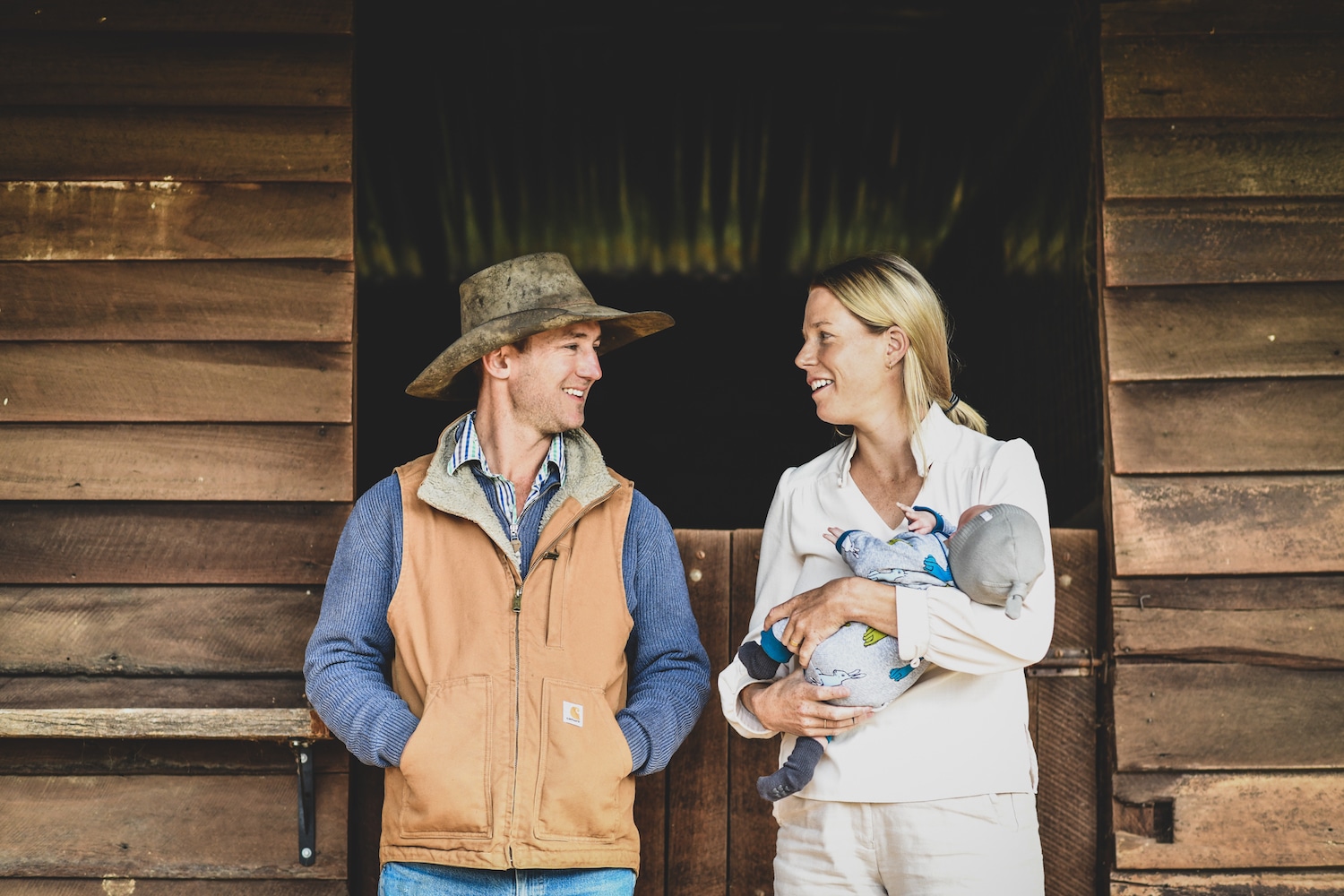
We leave Murrurundi this month and head to the Central Tablelands of NSW to visit Jack and Susannah White at Havilah North where they run Angus cattle.

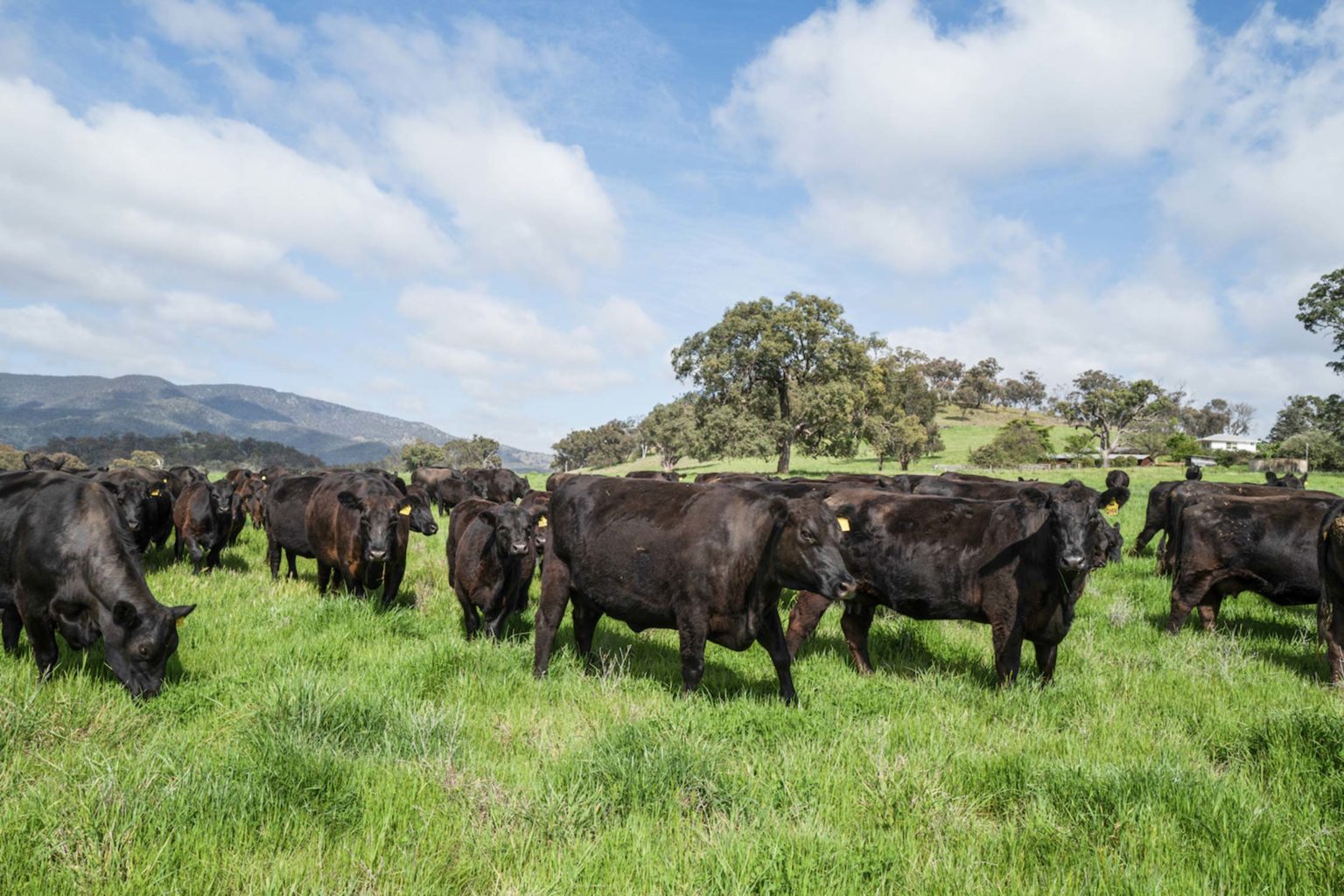
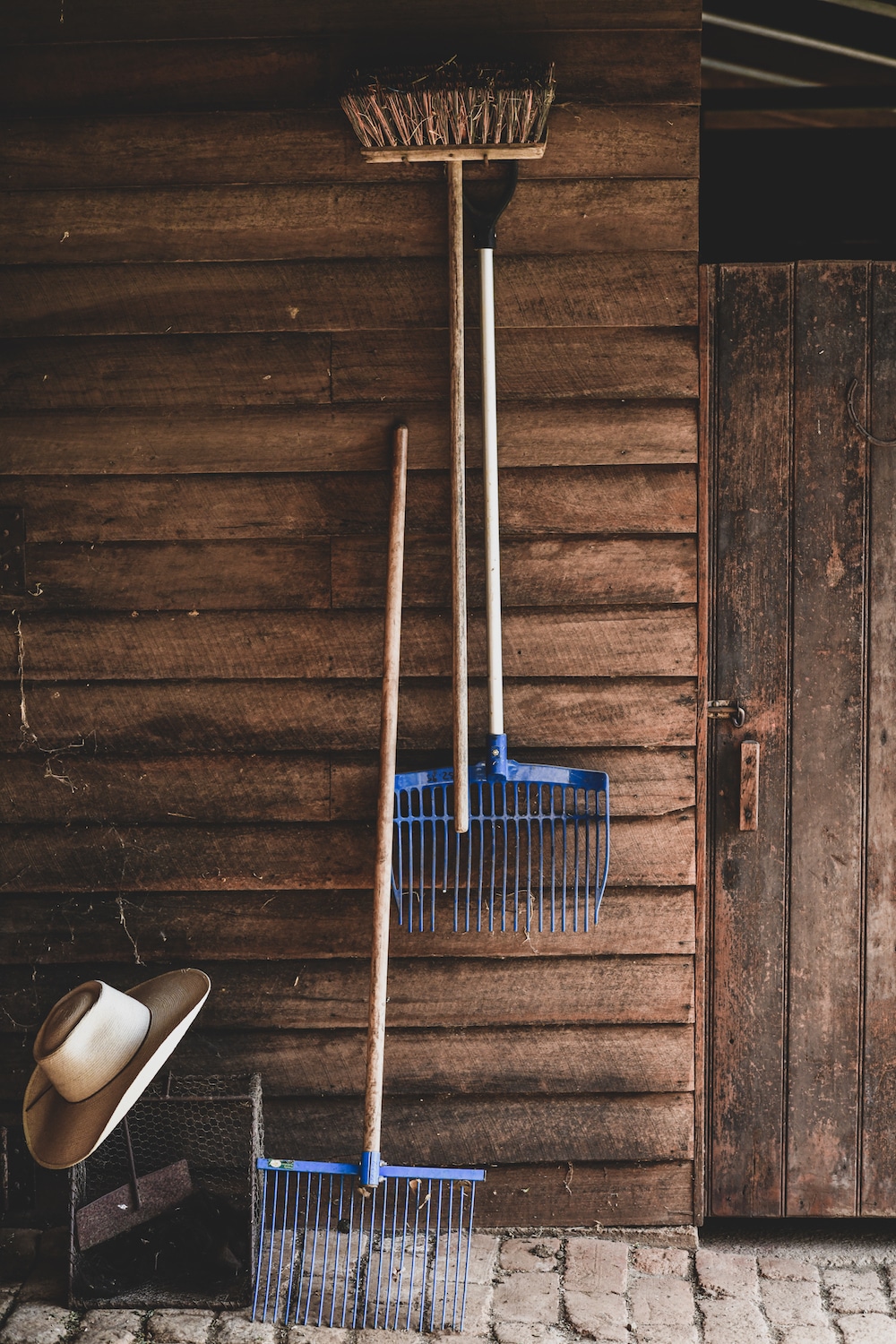
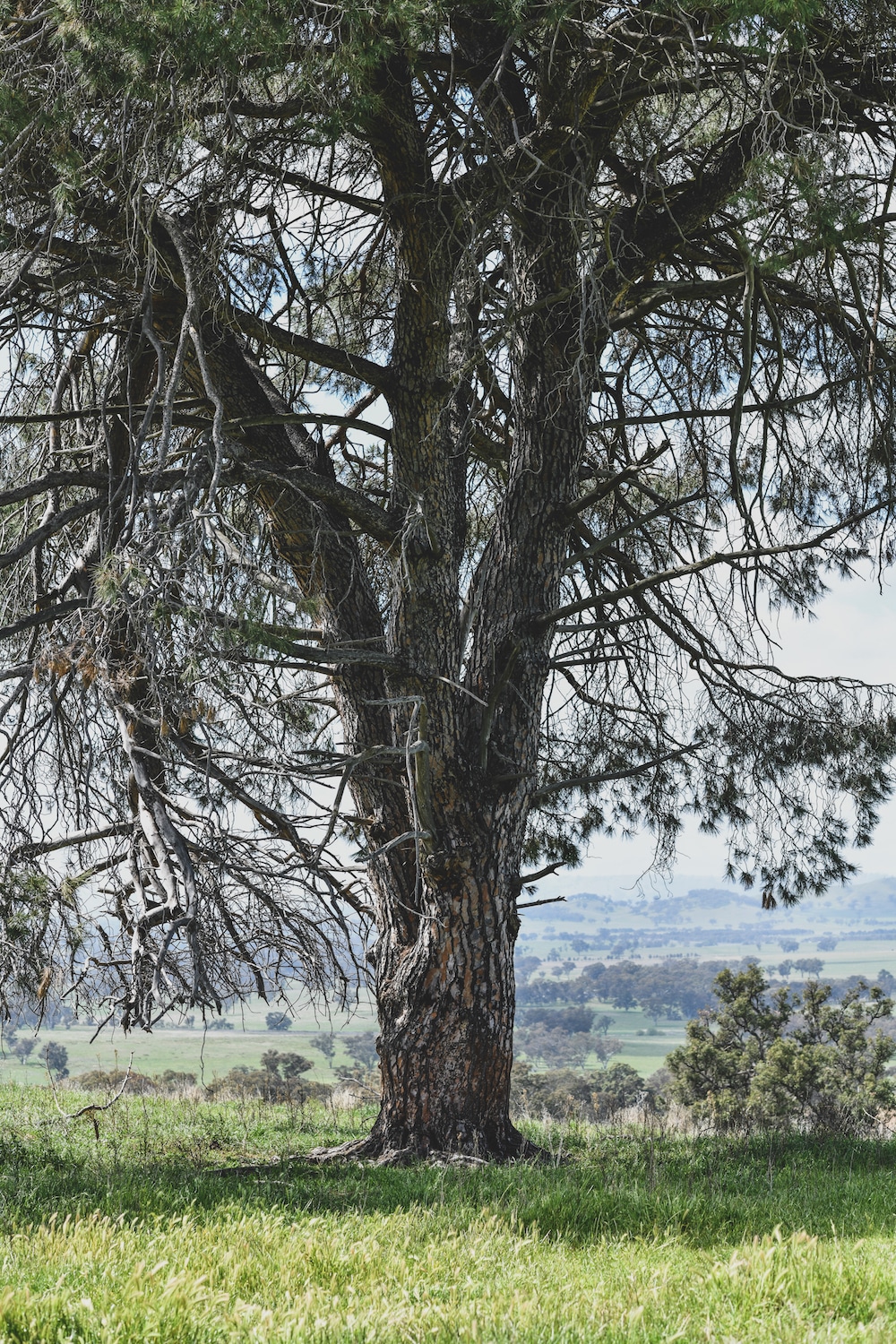
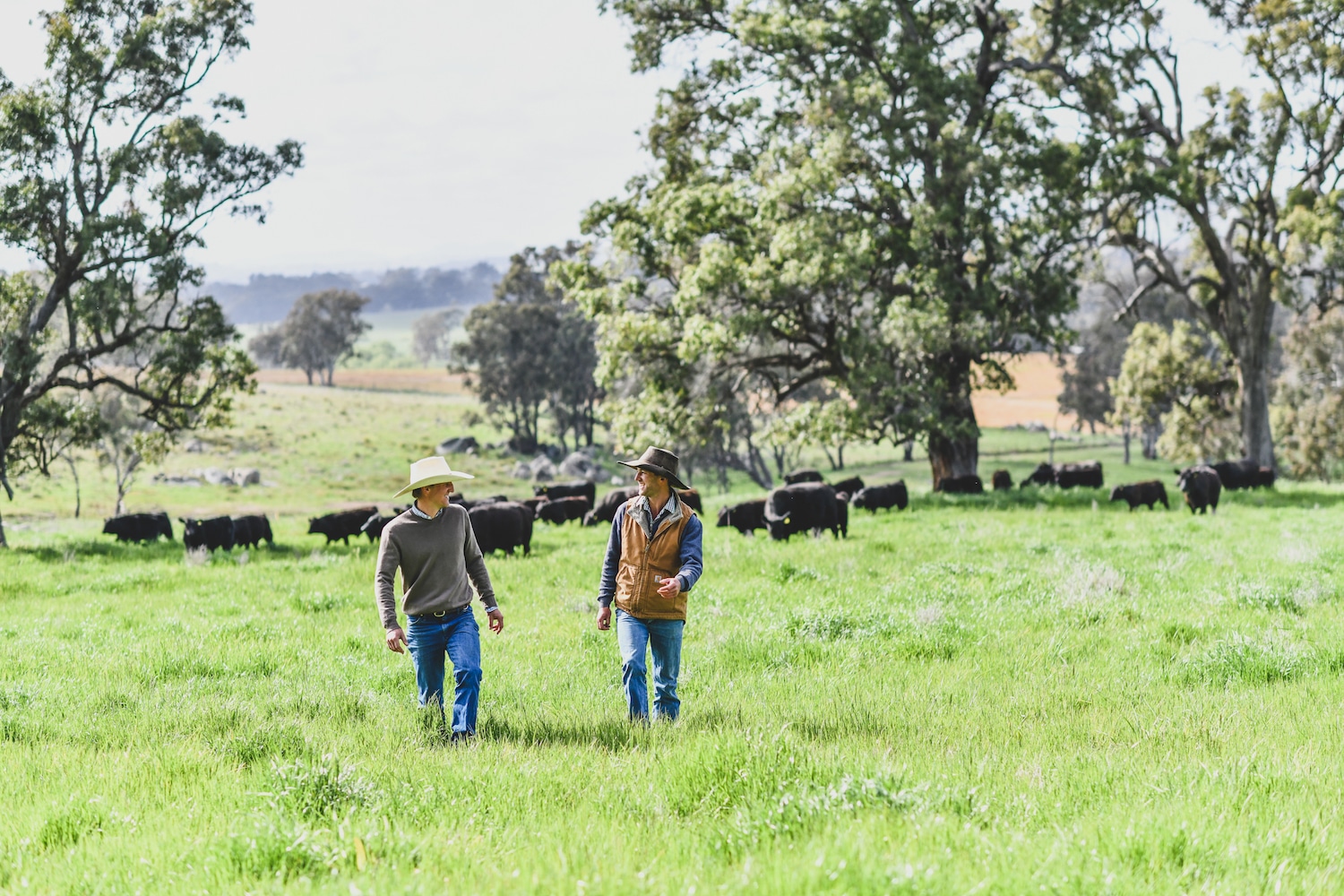
The paddocks at Havilah North are full of feed and down the road, sheltering under a majestic apple gum, you can glimpse a group of Angus. Sleek and fat, the glossy black cows begin to move out into the pasture, while the bull ambles closely behind them. He moves carefully through the sea of grass, towering over any other animal in his path.

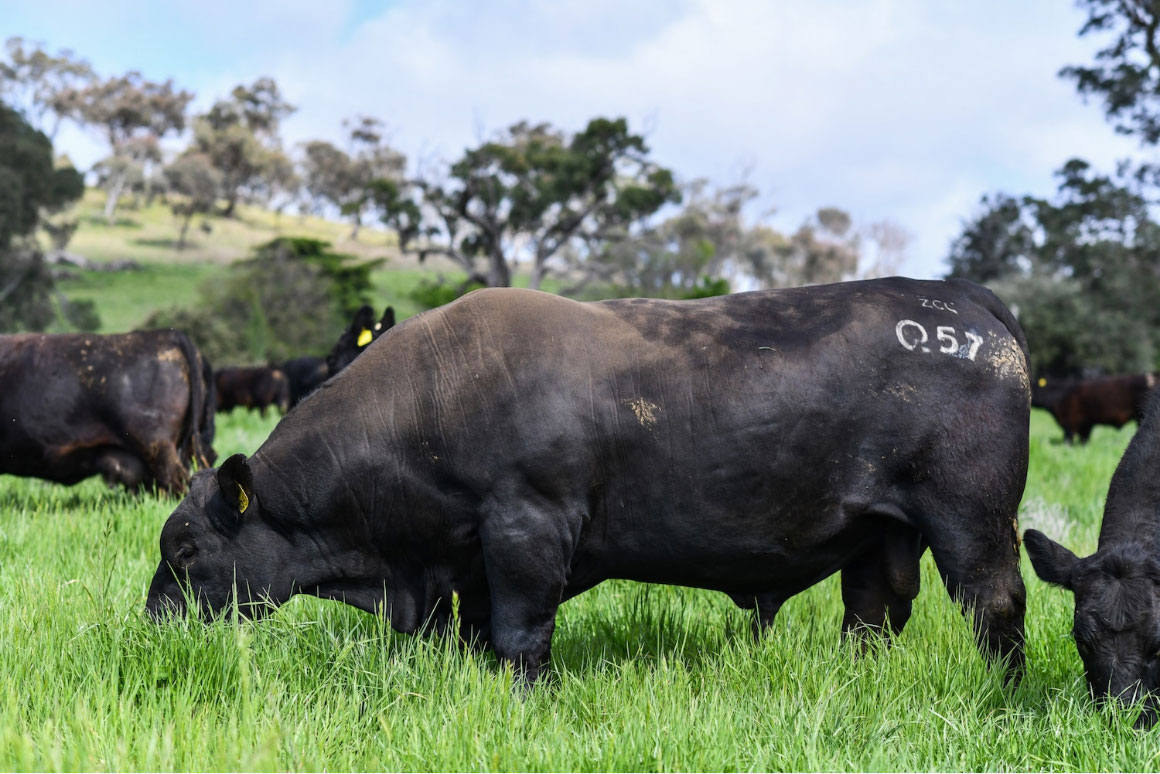
This magnificent coal- black mountain is called Joker Q57 and the two-year-old homebred bull represents everything that the White family have strived for on this property just east of Mudgee since 1881.

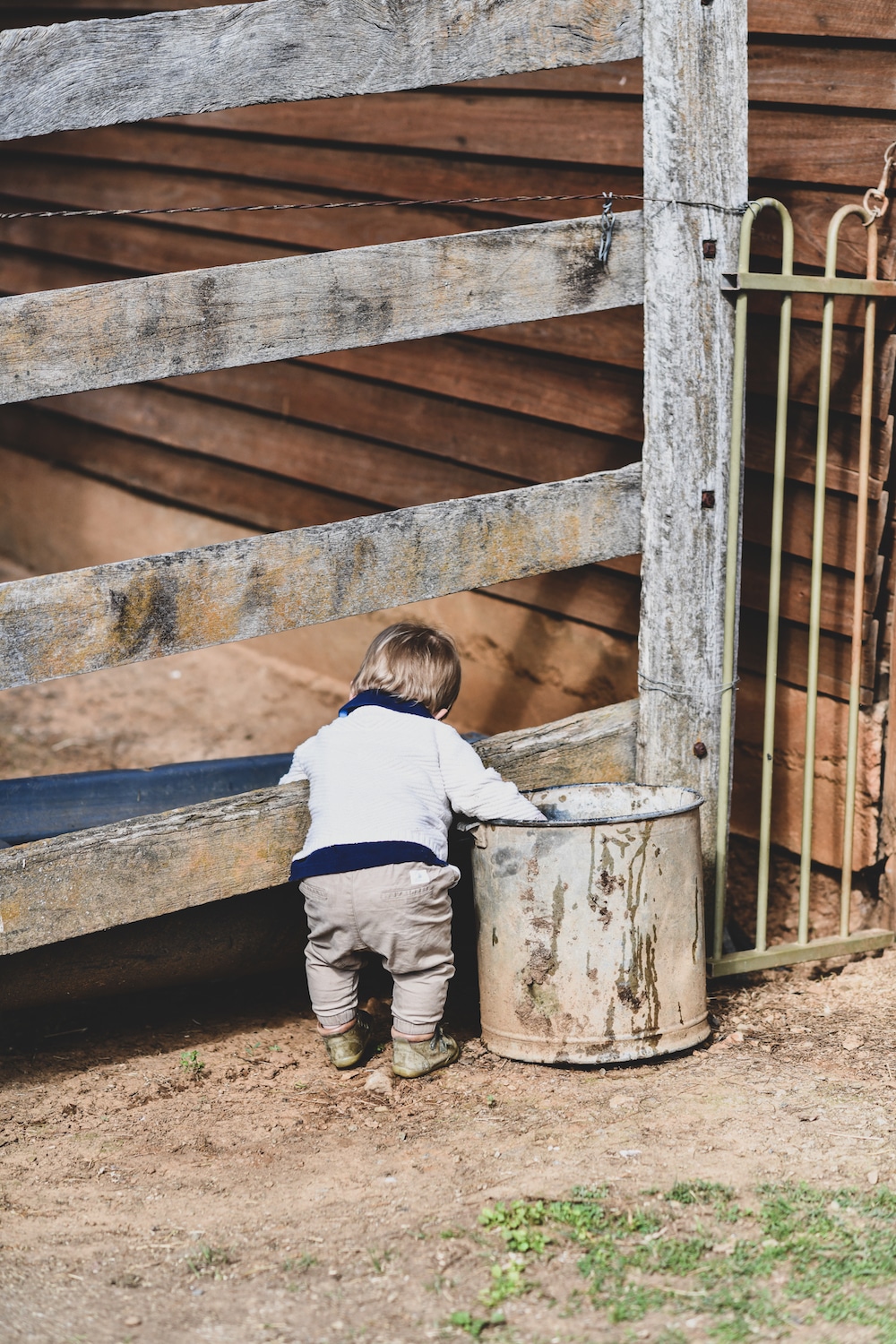
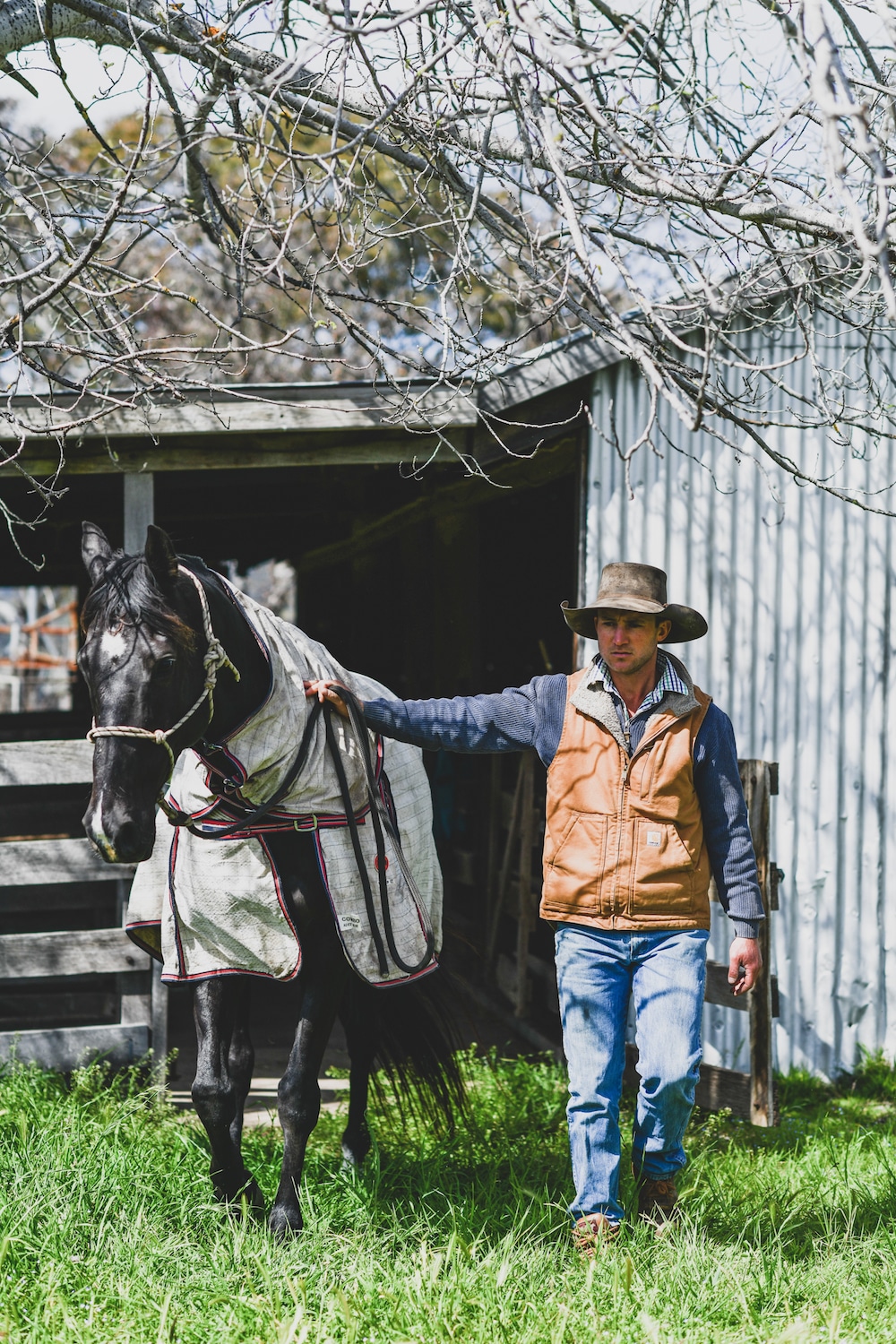
Today, Jack White and his brother Harry are the sixth generation to breed cattle on this land — and the seventh have recently made an appearance. Jack’s son Sid was born in June, 2020, while Harry’s son Ned arrived at 3am on the morning of the pair’s annual bull sale in August. It’s an important event at the heart of the Coffin Creek Angus operation which was started in 1991 by their father Nigel White.

This year the Whites sold 48 bulls and again broke their sales records with an average of $17,292 per head and a new stud record top price of $30,000, up $6000 from last year. Here, we speak to Jack and Susannah White for an insight into this progressive young couple’s life on the land.
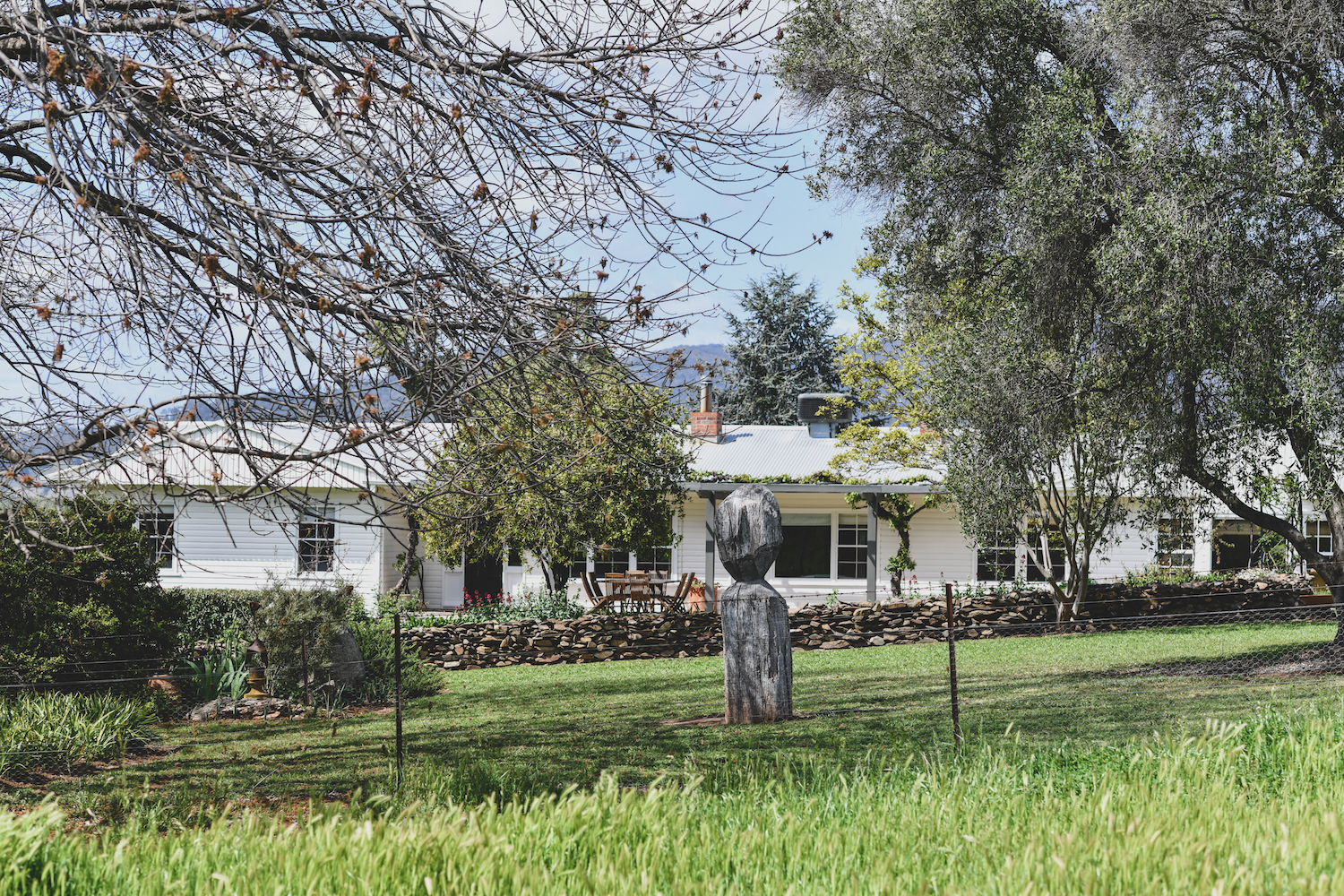
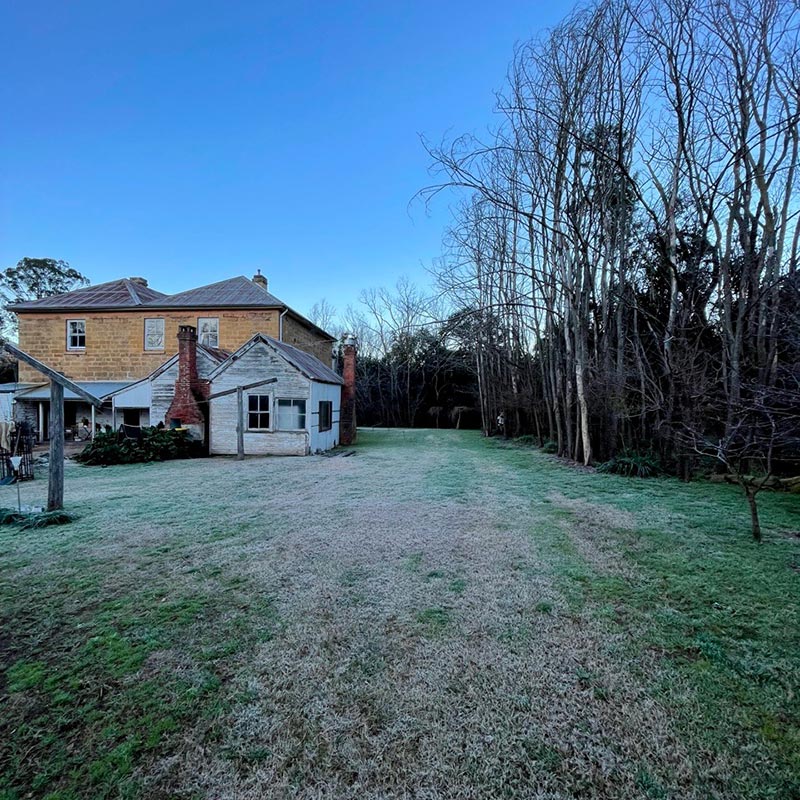
The homestead pictured is the Havilah Homestead. It has been occupied by the White family since 1881, and is lived in today by Hunter and Sue-Ann White.
The property Havilah North, where we live, was separated from Havilah in the 70s as part of family succession. Interestingly re Belltrees, the architect Horbury Hunt designed both an extension to the Havilah Homestead in 1890, and the Havilah wool shed, as well as several buildings at Belltrees, including the Belltrees wool shed.
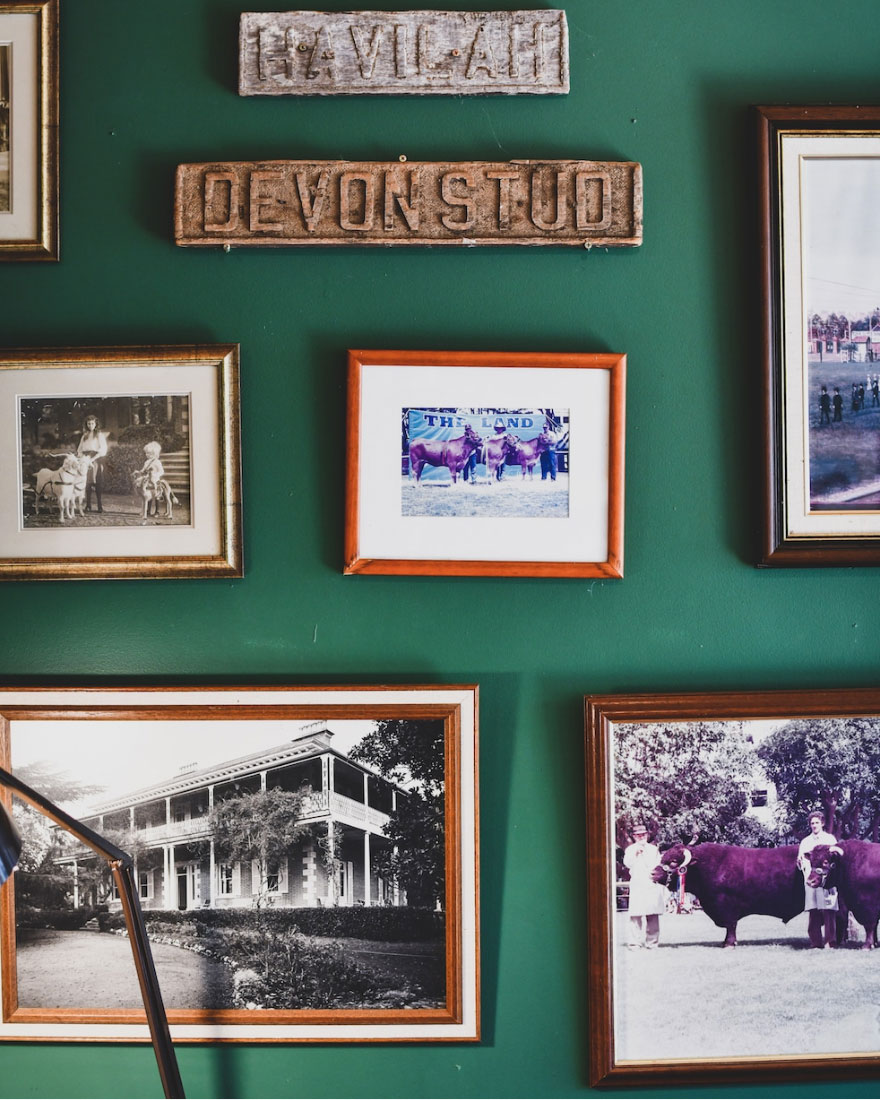
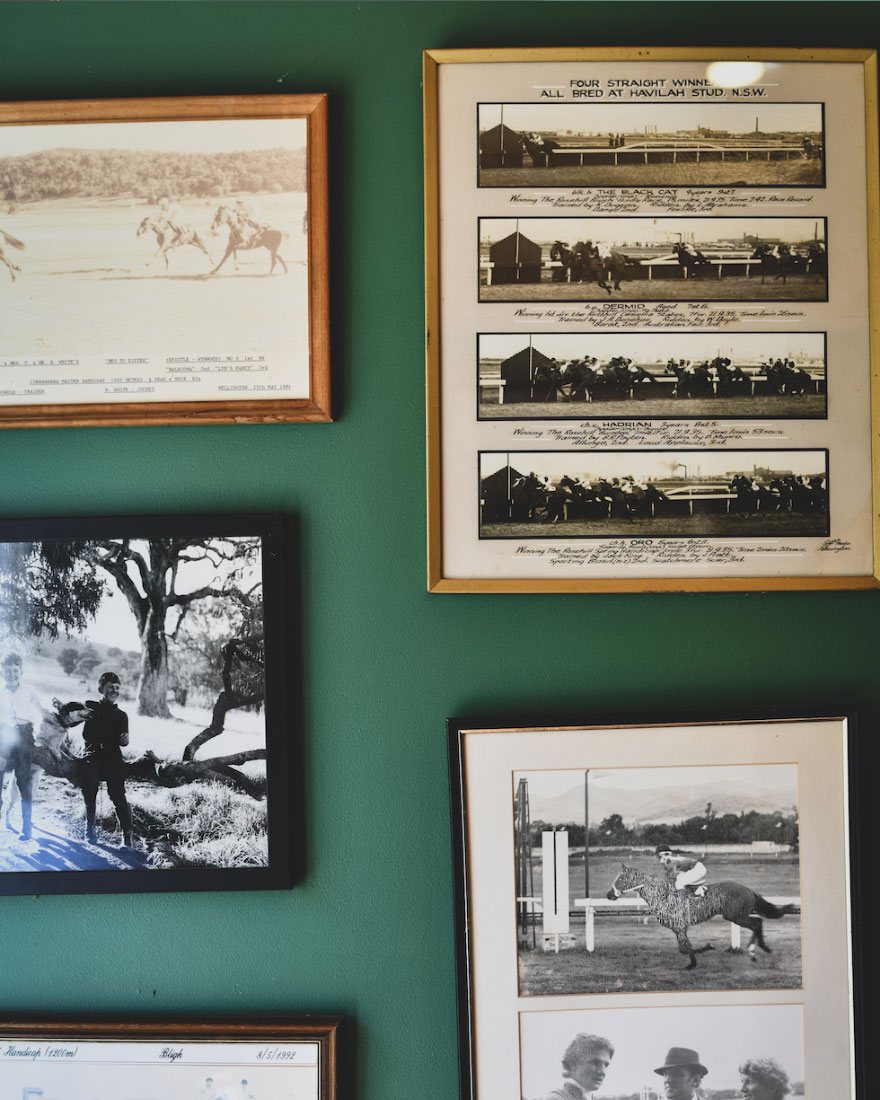
An avid racing fan, Jack and Harry’s father Nigel rode as an amateur jockey for a while when he was younger.
The bottom photos are of him winning in his father’s racing colours on a horse called Ly Low at the local Bligh Picnic Races in 1977.
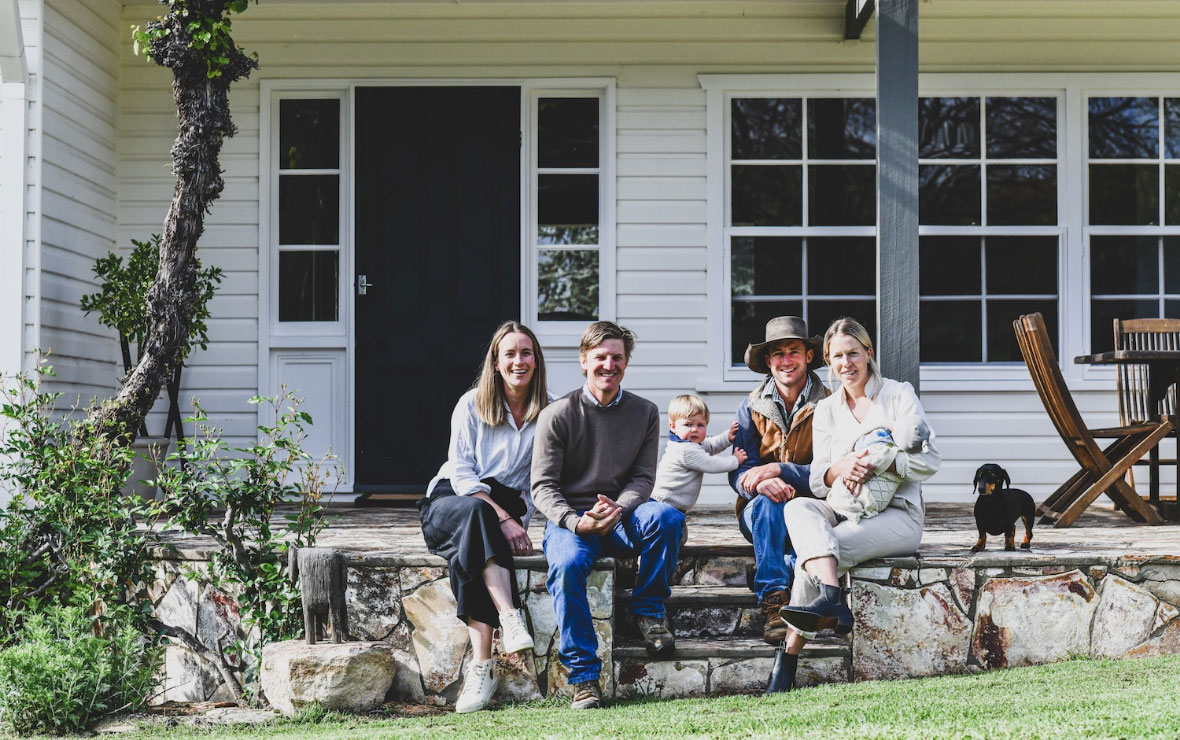
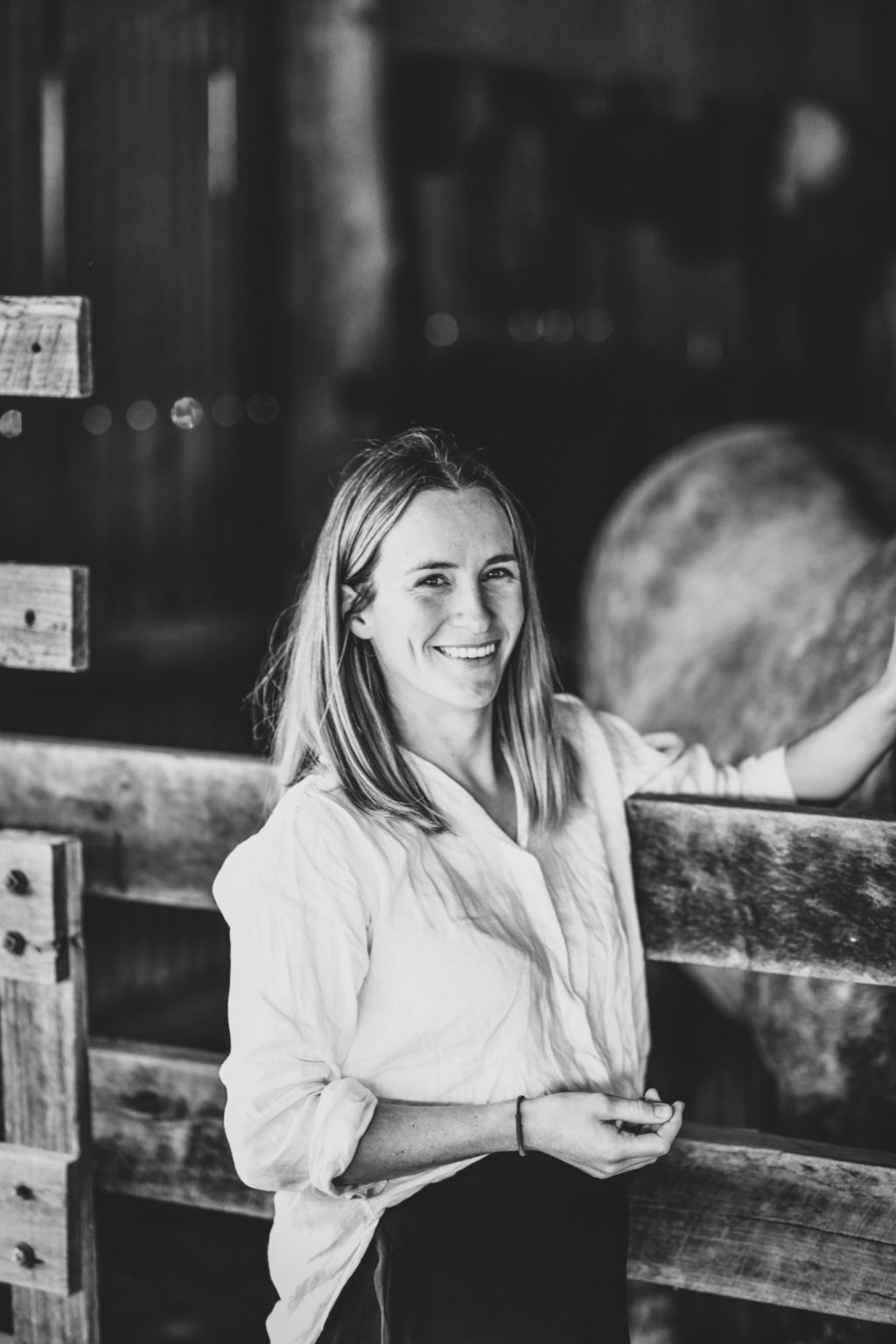
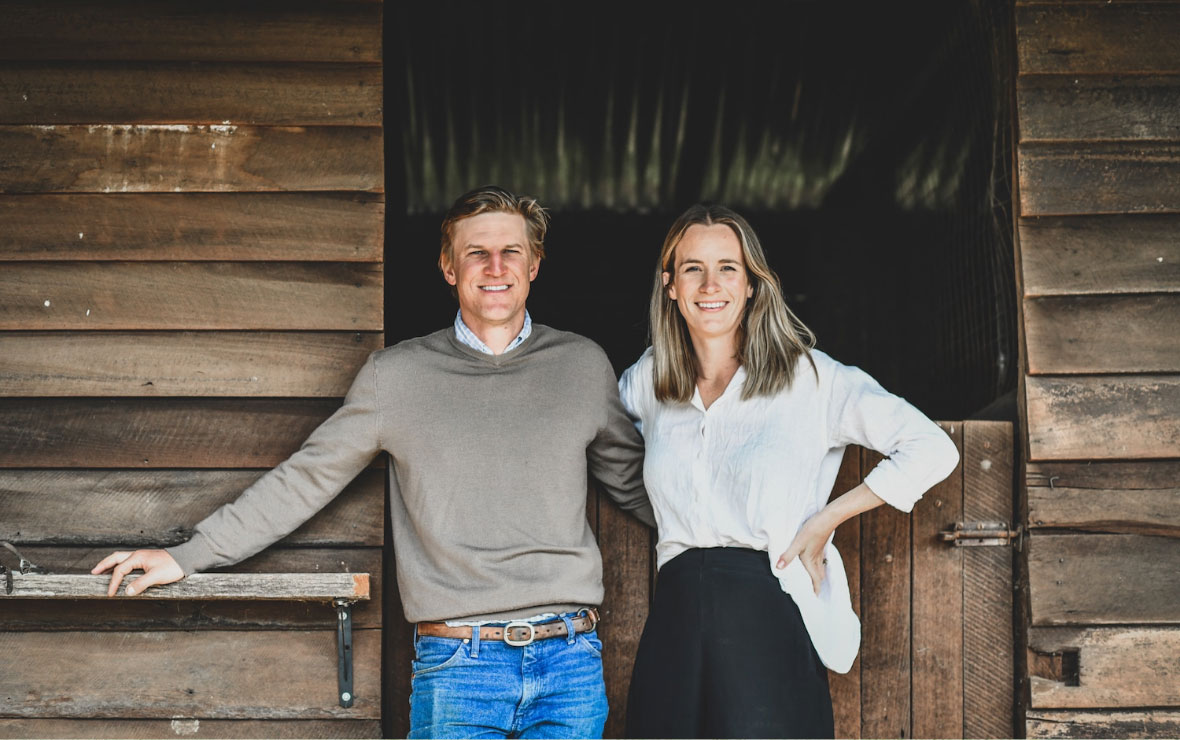
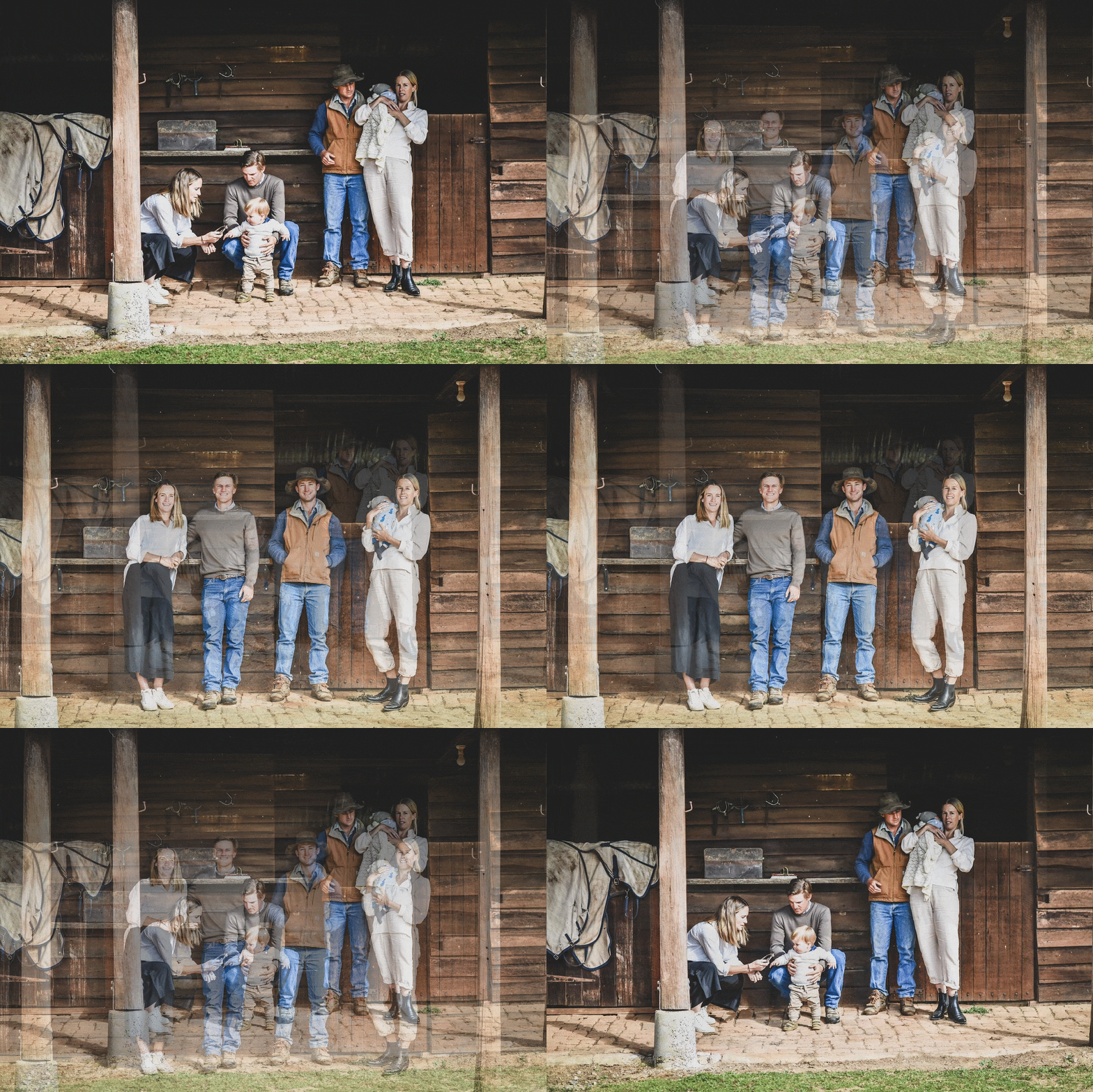
Susannah, Jack, Sid, Harry, Bobby, Ned & sausage dog Frankie

Jack White

The 32-year-old took over formal ownership of the family property with his brother Harry in 2019.

“From an early age my brother and I inherited a love for livestock, particularly cattle,” he explains. Today the pair run around 800 cattle over Havilah North’s 2000 hectares plus some leased country.

What was it like growing up on the property?

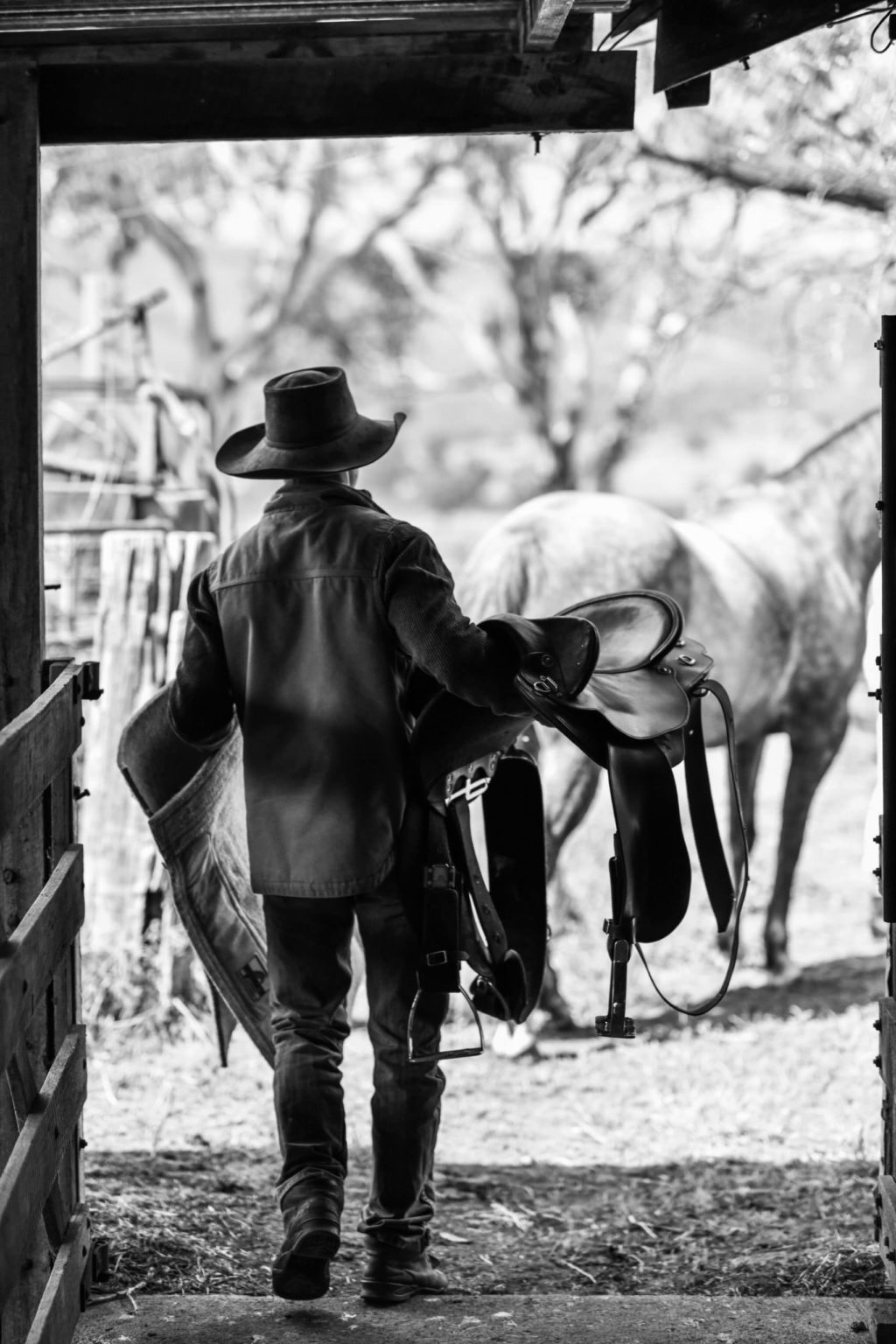
We were extremely fortunate to grow up on the farm. Always outdoors, we would spend hours mustering on horses or motorbikes and helping dad in the cattle yards etc. We had plenty of animals; dogs, cats, chooks, horses, sheep.

What do you see as the key differences in the way you run the business and how the generation before you did?

Our land management style is probably different now to that of say our grandfather’s era. There has been a major shift away from set stocking animals in the same paddock, but rather rotational grazing and resting pastures, a practise which Dad adopted and we have continued. We are extremely fortunate to have access to amazing technology now that improves the efficiency of what we do, with all our farm maps and records on our iPhones, easy connection to a strong network of professionals such as business advisors, agents and agronomists, and ease of communication between everyone else at work. We embrace the science of artificial insemination, embryo transfer and DNA genomic testing to enhance our genetic gains in our seedstock herd.

What challenges have you faced? And the things you most enjoy about you do?

It is challenging and rewarding trying to find ways to improve our farm and prepare it for the next drought. Lately we have been investing in fence and water infrastructure to allow us to better manage our land particularly through dry times. It is incredibly rewarding to see the land in a healthy, vibrant state whilst also generating an income for our business.

Where do you see the future of the business?

A challenge for every farming family is that of providing opportunity for the next generation. Harry and I are extremely grateful that our family tackled succession early on in the piece. It has allowed us to hit the ground running at a relatively young age, and gives us the opportunity to build our business and look ahead to how it will provide for the next generation coming through. In 10 years” time I would like to think we have greatly lifted our business turnover, but hopefully also increased our land holding.

How do you see success?

If our children are able to have an opportunity to live and work in agriculture, similar to what we have enjoyed, that to me would be success.

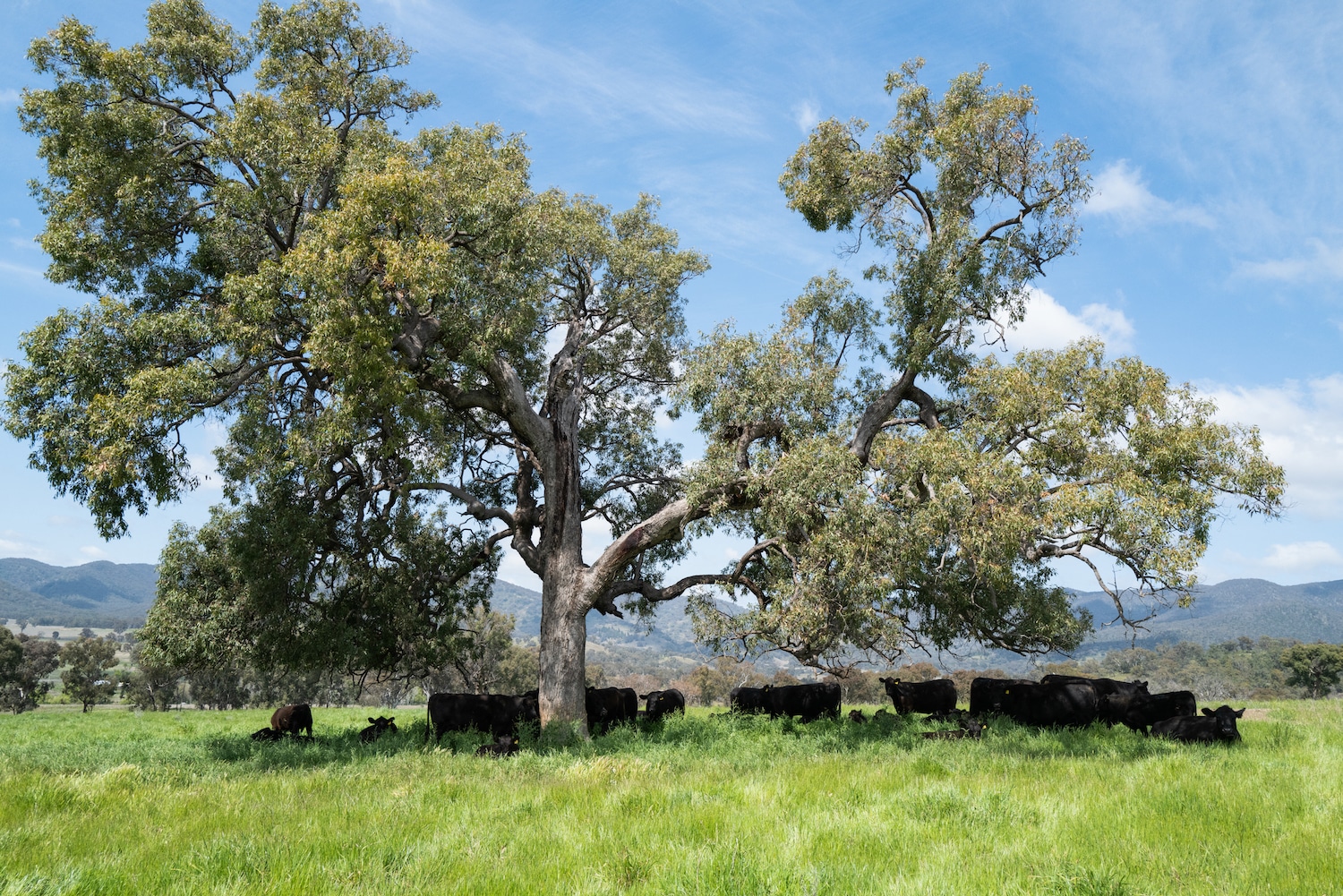
The magnificent Joker Q57, a homebred bull by Coffin Creek Joker J202, and full brother to the top priced bull in the 2020 bull sale.
Susannah White

She is used to living in Canada’s Arctic regions where temperatures can drop to −40 °C and spent her early childhood in the Northern Territory, but for the last eight years Susannah has called the NSW Central Tablelands property Havilah North home.

Today, the 32-year-old juggles her work at agribusiness public relations firm Cox Inall with looking after a very active toddler.

Where did you grow up?

My father was an engineer with BHP, so as kids we travelled around a lot with his work. I lived on Groote Eylandt in the Gulf of Carpentaria until I was 8, before we moved to Yellowknife in the North-West Territories in arctic Canada.  After two years there, we moved back to Queensland and today my parents live not far from here, near Denman in the Hunter Valley. My mother is from Bourke originally, and we still have lots of close family out west, so growing up we spent a lot of time on cousins properties at Bourke and Walgett.

Working remotely has opened up a whole new world of possibilities for many rural women. What has it meant for you?

The opportunity to work remotely has been wonderful and allowed me to both complete my postgraduate law degree and continue my career in communications, something which didn’t seem possible when I first left my corporate affairs job in Sydney and followed Jack to Mudgee.

I started with Cox Inall in 2017. Back then, convincing a new employer to take you on as a fully remote team member wasn’t really the done thing, but I was lucky Cox Inall had a well established model of employing regionally based staff, with a team based right around Australia from Emerald in Central Queensland out to the wheat-belt in WA.

Obviously, today a silver-lining of the COVID-19 pandemic has been a rise in the flexibility of workplaces and an increasing number of people working remotely, which I think is something that has and will only continue to boost the vibrancy and dynamism of regional towns.

I think it has also changed the way people work, in the sense that there is an increased willingness to use the technology available to keep the show on the road.  Before the pandemic, I would regularly travel to client meetings in Melbourne, Brisbane and Sydney, often at short notice. I loved this aspect of the job, but now with a young family the prospect of jumping on a plane with less than 12 hours” notice seems nearly impossible. Fortunately, COVID has meant the expectation around “being in the room” at client meetings has changed and the need to travel has reduced greatly.

What is a typical day like for you?

They’re a bit chaotic at the moment! With a 16-month-old son and another baby coming in January, I’m either up early trying to squeeze in some exercise before Sid wakes up or getting organised for a daycare and work day. I work three days a week at the moment — dropping Sid to daycare and going into a shared workspace in Mudgee. On non-work days, Sid and I spend as much time out of the house as we can — either doing things in the garden, driving around in the buggy and going to work with Dad, or playing with the dogs and Sid’s pony, Betty.

What do you see as the benefits of regional life?

The sense of community in regional towns is something that took me a little while to recognise, but now I think is one of the best parts of living in a small town. Geography is no longer necessarily a career handbrake, and regional towns are thriving as a result.  Also, space! Something which I definitely took for granted before Sid and the pandemic came along (at about the same time!)

Goonoo Goonoo Station

Posted by

Let’s get this one out of the way straight away — and residents of Murrurundi will relate to this, as it’s often a subject of hot debate amongst first-time visitors. “The most widely accepted version of Goonoo Goonoo is gunna-goo-noo, but honestly we have heard a lot of interpretations,” explains Sarah Haggarty patiently, who with her husband Simon, are part of the family behind the revival of this historic sheep station. The name means ‘running water” in the language of the Gamilaraay, the language of the local First Australians. Today, the 4000 hectares just 25 kilometres south of Tamworth, NSW, have been transformed into luxury accommodation.

Here, we ask Sarah a few questions about the award-winning restoration.

What were your first impressions of Goonoo Goonoo?

Our first visit was in October of 2011. I was overwhelmed by the scale of the property, and the terrible state of repair that every building was in. I remember that The Inn had no floor and had plants growing inside, and that the Chapel was so rotten and full of junk that you were unable to get more than 6 feet from the door. I think that on the first visit we didn’t really get a good grasp on what was possible, it was more a case of simply trying to understand the buildings and their relationship to each other.

The restoration was such a massive project. Did you realise that when you first took it on?

It was! I don’t think anyone involved realised the scale of the project. Due to the volume of buildings and the size of the building team at this point, we focused on the Homestead and the Office. I think that as we neared the halfway point of completion on the Office, we started to really finalise the plans for the inner staff buildings, the Butchers Shop, the Stone Store and the Inn, and at this point realised we still had half a dozen more buildings to go, along with the construction of the brand new restaurant building, and the remediation of the Woolstore which took over 12 months on its own.

In terms of process, we focused initially on how we wanted the final property layout to work from a functional point of view. Once this was determined and locked in, we focused on on finalising plans and finishes for each building, before moving onto the next. This way we were not spread too thin at any point, and could ensure that the quality was maintained throughout.

What were the highs and lows?

I would say the highs were the completion of each building, and also walking through the Village on days off when there was no-one around, being able to really appreciate the spaces as they came back to life. The lows through the construction would definitely have included the incessant rain. There was no roads or pathways, and the clay that is found all over the property would stick to your shoes and make it a chore to simply walk around.

Any surprising discoveries during the restoration?

We found the original hymn books and Sunday school records in the Chapel from  the 1950s-60’s. These were made even more interesting as we actually became friendly with one of the families who used to live at GGS and their names were in the book!

We also found old envelopes and other historic scraps of paper that had been stuffed in holes behind window frames and the like in an effort to keep the wind out! Unfortunately when the property was sold in 1985, the vast majority of original furniture, fittings etc was sold in a clearing sale. Luckily some of the staff at the time used their own money to buy some items and kept them on site.

What do you love about the time you have spent at GG? I love the Village garden. It is so peaceful to walk around, particularly on an early morning and view the buildings from the outside. It really gives a sense of what the property used to be, and how the buildings related to each other.

What’s your day like when you are there? A typical day would include staff meetings, visiting the restaurant to hopefully sample some new ideas, a trip into town to collect odd supplies, phone calls with suppliers, and a fair bit of time on the computer, making sure everything is running smoothly. Most of my time is spent wandering around, talking to the staff and guests, making sure that standards are being met and that our customers are having the best experience possible.

For more information, visit goonoogoonoostation.com

Video thanks to Destination NSW

Murrurundi: a garden playground

Posted by

In what can only be described as a continuing lockdown article double-down, amateur whore-to-culturalist Michael Reid will literally drift off whilst wide awake on discussing the joys of Long Bed planting which he shares in this month’s first story.

But wait, there is more. Possibly not to be read out loud to the kiddies, but Hell why not.as every parent scares their children, you could at least make a concerted effort in our second article he shares his general thinking on the use of Blood & Bone in the garden. It is bone crunchingly revolting.

Mulch On or Mulch Off

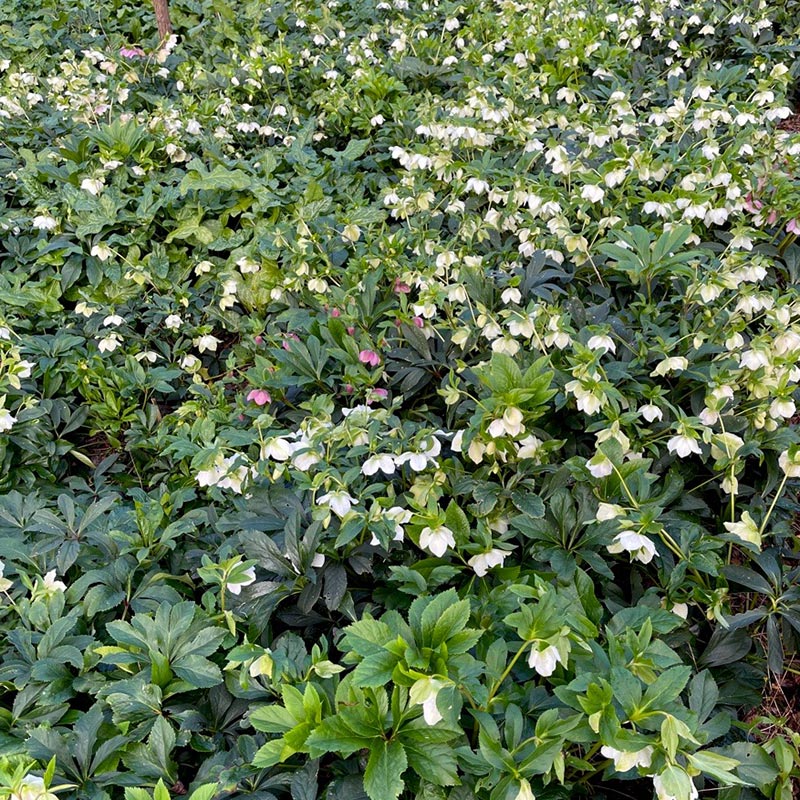
During early January I was deeply concerned as to my Hellebores (Helleborus orientalis). Don’t you just hate that – when a pretentious garden writer throws in the Latin botanical identification- after having already provided the reader with the perfectly recognisable and widely used common garden name. Well, I have done it now, so let us move on.

So, there I was at Bobadil House, Murrurundi NSW, in 41-Celsius temperatures and my Hellebores, planted under the English Elm-forest (Ulmus procera), were wilting under continuing water restrictions. A body can stand a great deal in life – hypothermia experiments in the Arctic, having your ATM network go down, travelling Economy – but let me tell you, when your Hellebores droop in the shade, then the world’s gone to hell in a bucket. To combat this vegetative shrivel I was up from 6am till well after 6pm every day, watering, watering, watering from what was left of my rainwater tanks. Madness. Then it struck me – the answer is mulch.

Now mulch, for those of you who do not know, is not some trippy Nimbin, Age of Aquarius hippy thing. No, no! Mulch is shredded plant matter that you surround and lightly cover your plants with. It acts both as a slow-release fertiliser and organic blanket, designed to reduce evaporative water loss. So a-mulching we went, spreading about a dozen bails of old hay around the garden beds and under the young trees. It must be said that stock-feed hay is far from perfect mulch, as it tends to carry seeds, but we were desperate gardeners.  Therefore, the first gardening tip from me is that mulching works a treat but do avoid livestock hay.

Now for those that know me (and those legions who would rather not,) it may be apparent from this missive that in my late middle age I have become somewhat of a gardening convert. Displaying, unfortunately, all the signs of the zealous convert – an affliction that is vulgar when it comes to religion and no less so I suspect, when it comes to gardening. I have discovered gardening as an art form. It must also be said from the outset, that I am not a physical gardener as such. However, I do good ‘garden supervision”. My gardeners, Mitchell Black & Hayden Kayne, are a marvel of ability and small country town patience. I tend to water, potter about and contemplate improvements – I think of the Palace of Versailles and work my imagination up. Mitchell and Hayden on the other hand, tend to do.
I like scale in a garden and am fortunate enough to be able to design over nearly six hectares. In its early days the garden layout was dictated by the old garden plantings of the late Trixie Kelleher (my wife’s very distant relative), a garden of large gracious trees that had been slowly abandoned over the decades, too much blackberry (Rubus fruticosus) and privet (Ligustrum lucidum). The bones of the garden were resumed and redefined nearly twenty years ago under the talented eye of the late Sydney garden designer, Kimberly Appleby.
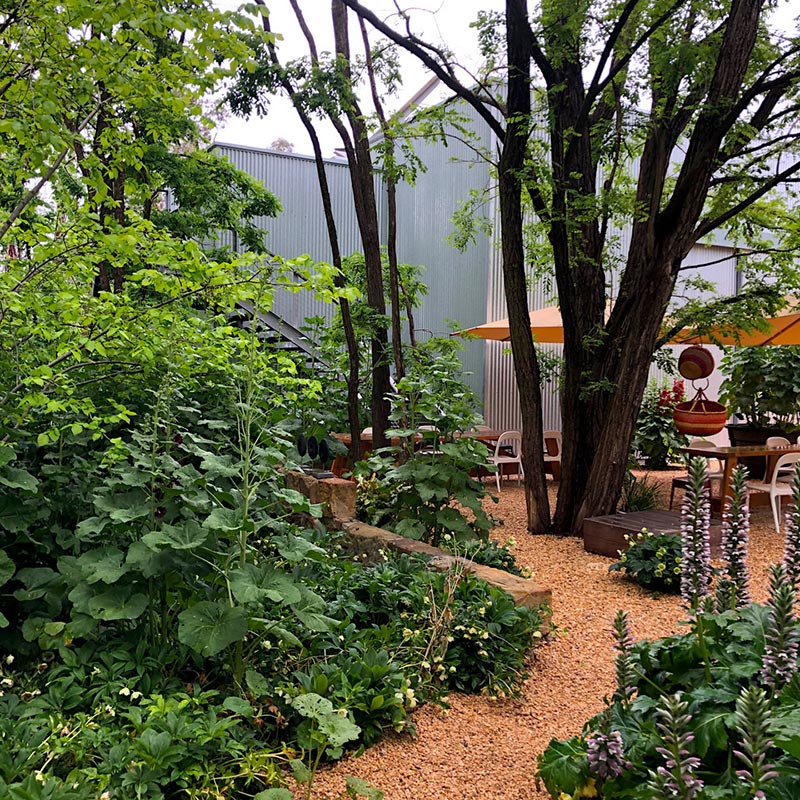
Like much contemporary living, the garden is intended to be an extension of the house. Above all I want the garden to complement the art gallery. Large sculptures will one day be placed in a parkland setting – a joy that one is unable even to consider in Sydney. I want the beauty within the four walls of the former convict cell block and new gallery to be echoed within the garden. The buildings themselves are on the whole old and established. The house and stables were built between 1840-1842, from locally quarried sandstone, for the A.A. Company surveyor, Henry Dangar. When Nellie’s great-great grandfather bought the house, it was called The White Swan Inn.  Later it was known as The Woolpack Inn and then The Mountain View Inn, finally being renamed Bobadil House in the 1860s. Maintaining the architectural simplicity of the buildings, which are early Victorian bordering on the austerity of the Georgian, the garden is straightforward and largely no nonsense.

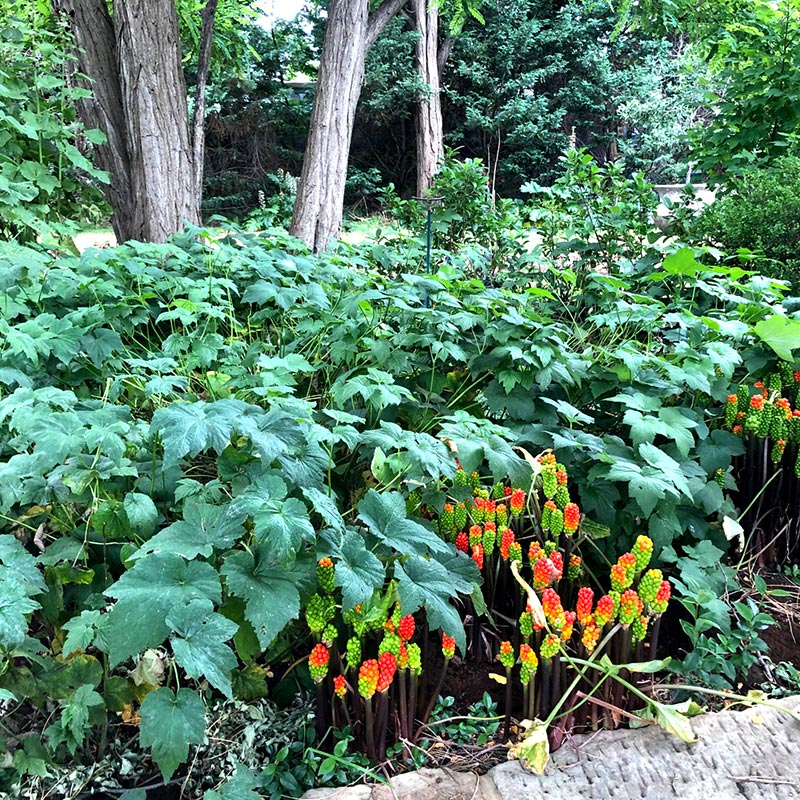
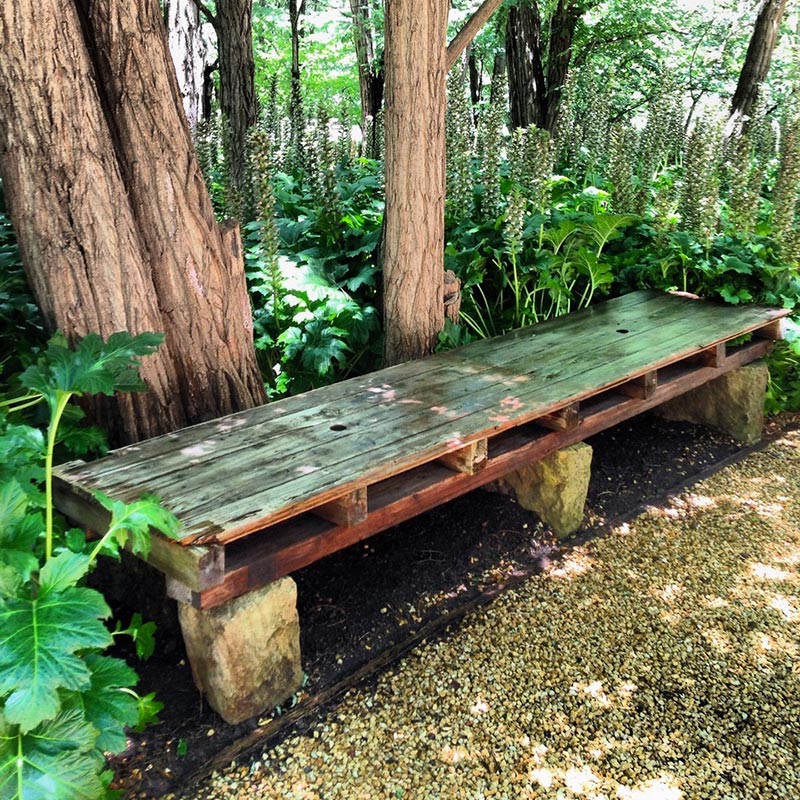
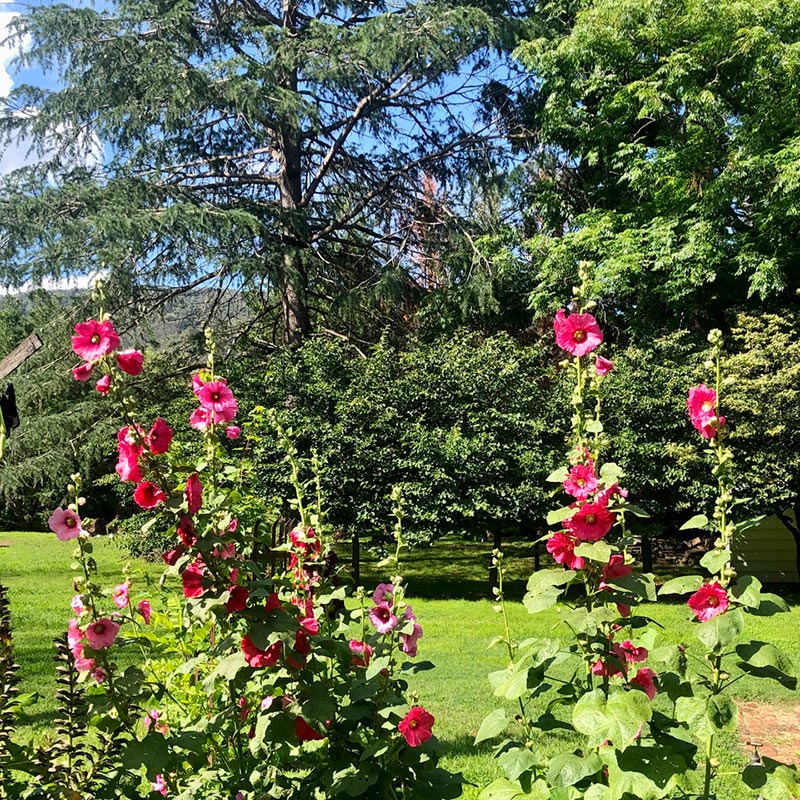
  I like trees. I think in another life I was an Edwardian tree-hugger. Hopefully a wealthy, privileged, landed and wearing-of-tweed one, but a tree- hugger nonetheless. So, the garden is largely one of trees, with one significant garden bed – populated in summer predominantly by Hollyhocks (Alcea) and foxgloves (Digitalis). In the Long Bed I am not one for colour schemes, preferring a jolly good sprinkling of self-sowns. Self-sown flowers are a bit like self-made people, in the end you reap a vigorous mixed bunch that do not always play well together in the sandbox – their fission however, is most stimulating.

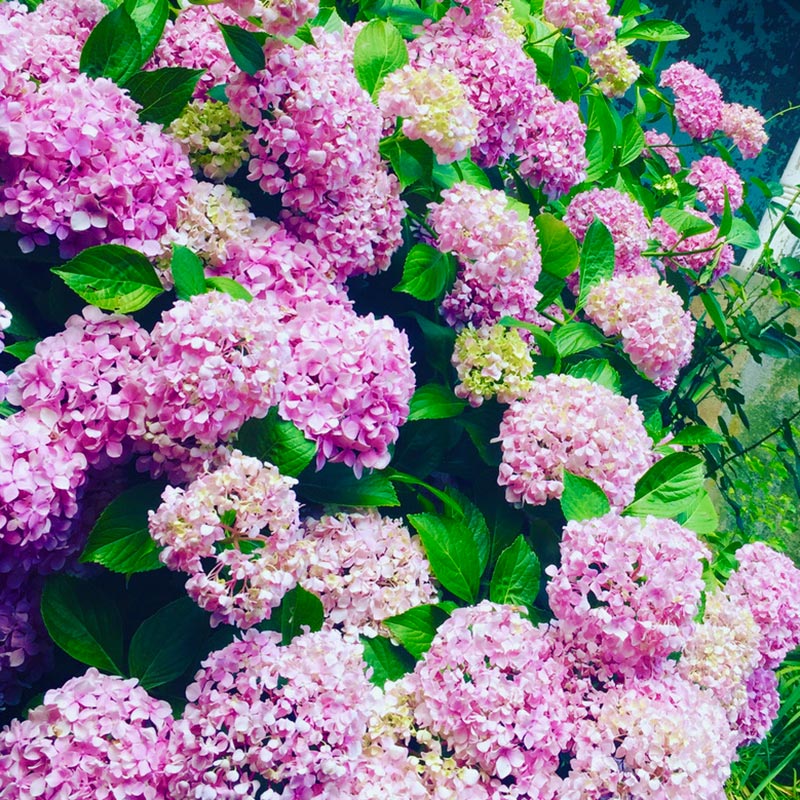
We are fortunate to have a forest of various elms surrounding the house, creating a moody break from the strong western sun. The trees and sun converge to direct much of the gardening action. Take another all too obvious tip from me: you cannot fight a garden’s microclimate. Deeply concerned as I was with my Hellebores over summer, I was nonetheless ruthless in expunging Hydrangeas (Hydrangea macrophylla) from the smaller front beds. Perfectly in keeping with the house they were, but in the wrong, way too hot spot they were a-planted. Their melted grandeur was transplanted elsewhere. In middle age and under the soothing influence of the garden I am learning to bend like the willow. Having said that, if that noxious bastard should end up on my garden, then out by the roots it would go.

So, there I was in January mulching, working with the local microclimate and, best of all, moving all and sundry hither and yonder with a bobcat. Gardens, I have discovered, are moveable beasts capable of being settled only when they are successful. Possibly the most fun boys” toy ever invented, a bobcat is like a highly manoeuvrable toy Tonka tractor on steroids. I truly recommend everyone have access to one. Lose the four-wheel drive.  Bobcats are so much more fun in the suburbs. Darryl Walsh – my almost permanently employed bobcat man – rips, tears, digs, clears, rebuilds, levels-out and repositions the land with swift skill. You see, if you plant a tree and then want to move the whole thing elsewhere- then a bobcat is for you. With said bobcat, and some care and skill you can almost do anything.

The entire architecture of a garden can, and possibly should, be continually honed and defined. Good gardens require constant reinvigoration and improvement. This summer, I moved the fence line closest to the house about four metres to the left. A bobcat and two fencers did this job in four days. You see, when we first took possession of the house we immediately dog-proofed the two hectares of the grounds surrounding the house. Instead of clearing a portion of dense forest adjacent to the house, we fenced in front of the forest, and the result was just a tad too close to the house for comfort.  So it has been moved. Oh the joy of a bobcat – simple and quick in achieving its goal!

Seventy-five eucalypts of varying species have been planted in the Creek. Eucalypts are a selfish species by nature- so big, and yet they throw so little shade. On the topic of blood and bone alone, one could bang on for days, and in the next article I do.

Death in the Garden

If I stop to think about it, and rather macabrely I quite often do, the garden at Bobadil House Murrurundi is the last resting place for a good many beasts of the field.

Having presumably been butchered for their meat, livestock (or one could then say deadstock) have their bloody carcasses brutally crushed and finely ground down to make an aromatic, tasty little garden meal, known as Blood & Bone. The killing fields that are my garden are lightly sprinkled (not) – almost carpeted (yes)- with the Blood & Bone fertiliser from dozens of deceased beasties. I fear the ghosts of dead cattle are everywhere. I mourn them – but I do love their work.

An animal product rich in nitrogen, phosphorus and calcium, the fertiliser Blood & Bone, due to its slow release of organic nutrients that do not burn, is ideal for preparing garden beds, planting shrubs, trees or roses and when feeding all garden plants especially Australian natives blah, blah, blah.

To my mind, if it stands still in the garden, then it could do with a handful of Blood & Bone.

All the advice you will ever receive on the subject of applying Blood & Bone to the garden recommends a light sprinkling of the preferably genuine article, heavily watered-in. Shock, Horror there are some Blood & Bone products out there that are only BASED on Blood & Bone. Buyers beware of the difference. The pros and cons of organic versus composite fertilisers aside, on a metaphysical level I have a sneaking suspicion that the granularly add-in fertilisers are an insult to dead cattle everywhere. My God, if stock are going to be slaughtered and reduced to a dry bloody pulp, then I am quite sure that they would want to end up being a part of the real 100% deal.

In terms of application, the light sprinkling of dead animals is a rather namby-pamby conservative nonsense, for, as anyone will tell you, if steroids work a treat at the Olympics then an excessive use of Blood & Bone in the garden is guaranteed to bring home a gold medal in horticulture. Throw the stuff around; I buy 20 kilo sacks of the wonder.

As for the gardener, dutifully watering-in Blood & Bone, that is so yesterday. Any web-literate gardener in their right mind will tell you to log on to weatherzone.com.au, punch in your postcode, follow the weather map and throw around the Blood & Bone on the days designated to 90% rain. Remember it is upstairs for dancing, and if you use just a little web nous, all your effort and your subsequent water bill will be greatly reduced. Natural fertiliser combined with natural watering-in methods work for me.

Blood & Bone smells – death generally does. In regards to sensitive issues of the nose, you need to let this one go. If the somewhat sweet pungent reek of carnage is a problem for you, then I suggest you book a holiday in Rome around about the time your gardener gets down and dirty. It is surprising however, how nostalgic many gardeners are about the lingering waft of pong. The stench of Blood & Bone is to many- like the smell of Napalm in the morning – one of victory.

Take a few tips from me; do NOT liberally apply Blood & Bone to the garden in the midst of summer, on the day friends are popping over for a BBQ. Like the eyes of the Australian Taxman turned towards a Cayman Islands revenue shelter, the application of Blood & Bone attracts the attention of others. Our Border Collie loves to eat the stuff, and although doing so does save on dog food overheads, their little paws do tend to leave the ‘ground-in body of a cow look” on the bedroom sheets. Flies, flies, and more flies can also be expected to attend the party. Oh, and having ‘sprinkled” the vegetable garden with Blood & Bone, do not forget to thoroughly wash that little green salad before serving it up at the BBQ. There was the little episode of the slightly tinged pink, crunchy garden salad, but let’s not go there.

Deciduously yours,
Michael Reid OAM

Pat’s Kitchen

Posted by

An evolving Revolutionary, and somewhat of an Old Communist in her Twilight Years, Pat Reid like many of her generation of country cooks initially embraced world change across the dining room table. Blessed Be Margaret Fulton and particularly her tinned pineapple, Balinese period.

Our intended Murrurundi Argus photo-essay this month, on Belltrees Public School, has been upended by the dreaded Second Sydney lockdown swiftly halting our regional travel plans. And so, in order to keep the presses rolling I bring to you my recollected ramblings and culinary tips from my mother Pat’s Narrandera Kitchen.

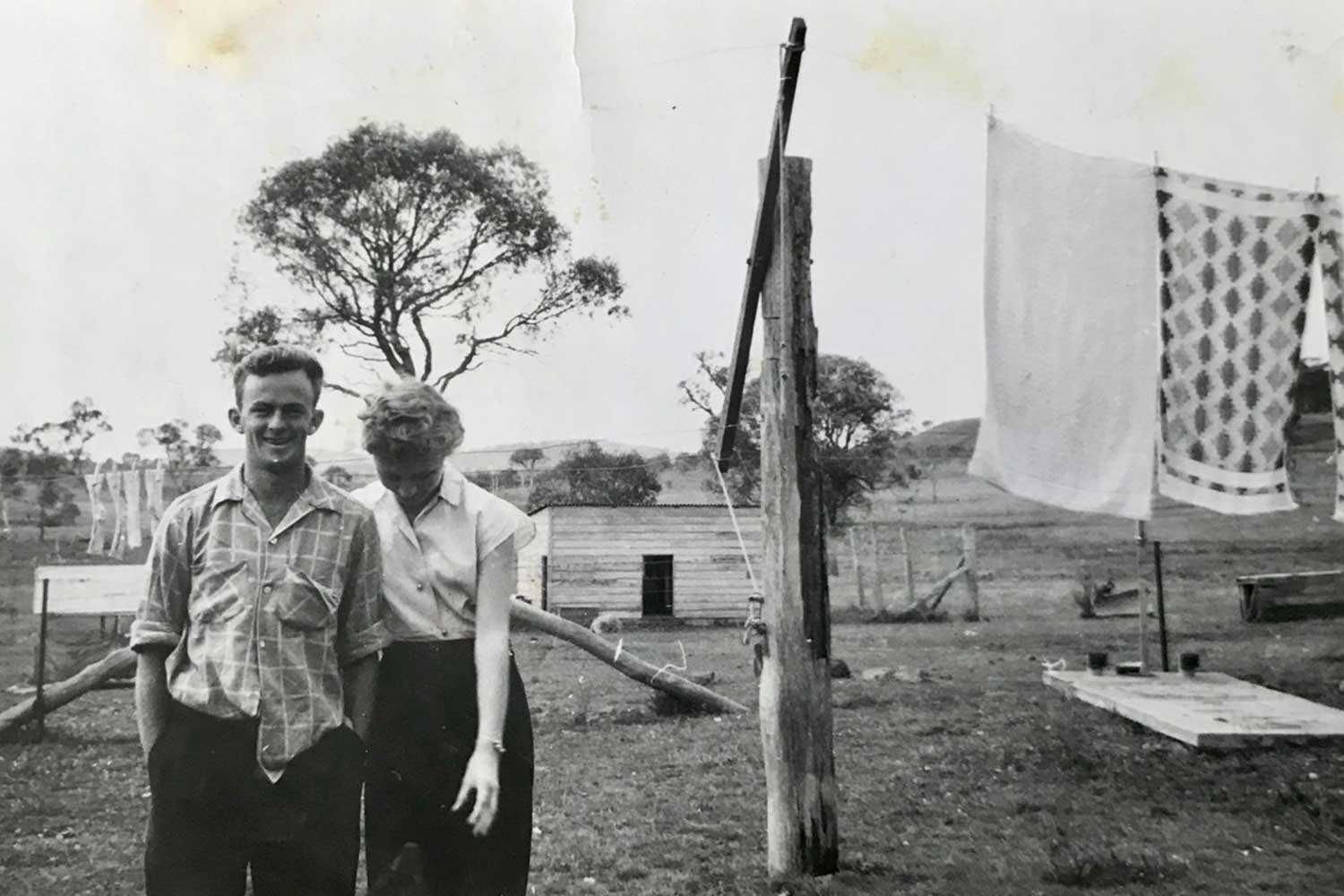
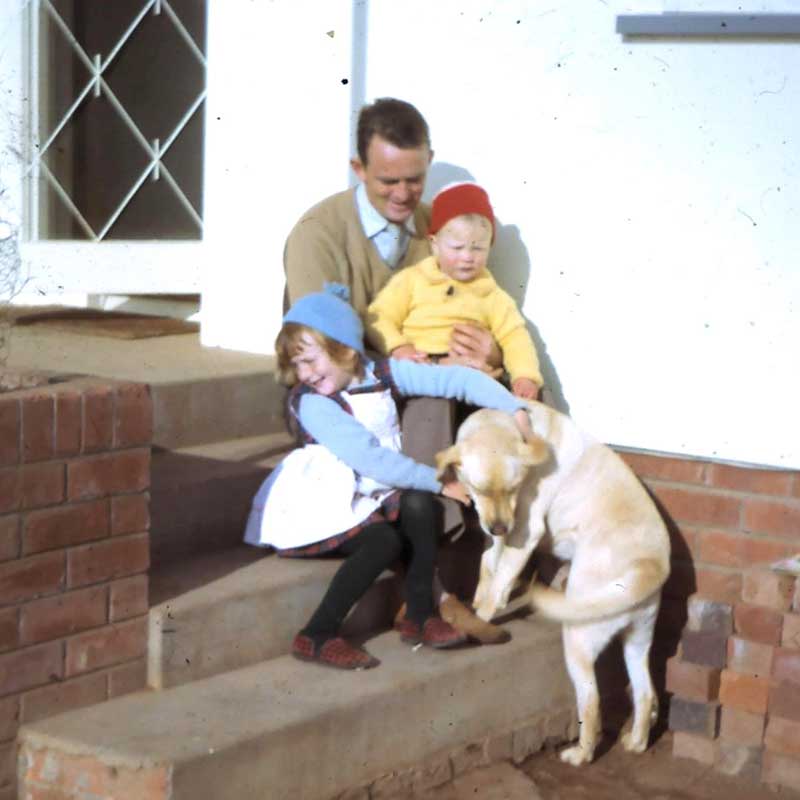
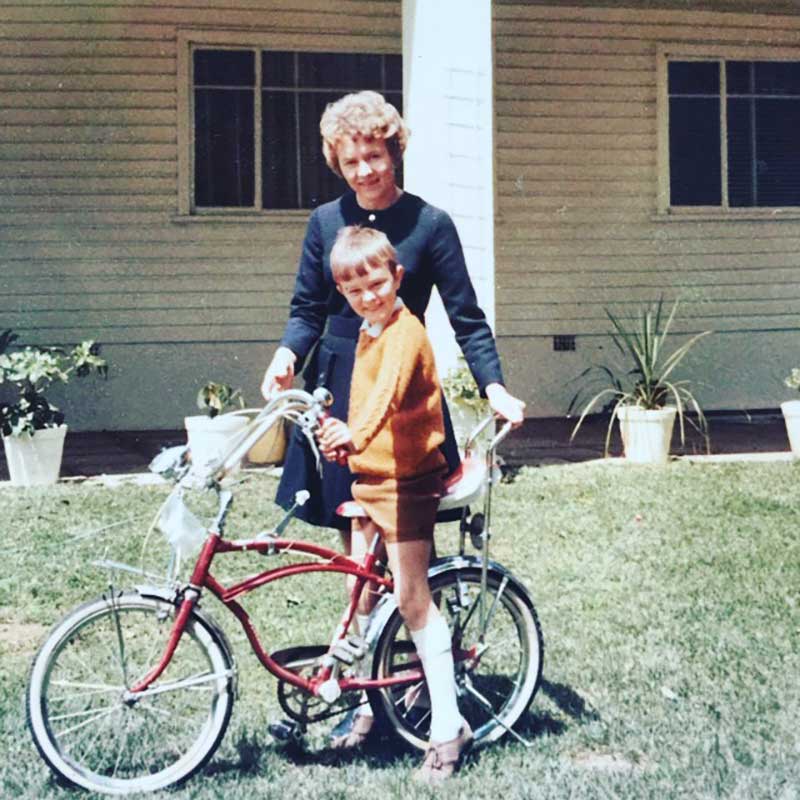
Bear with me on this one, there is a nice synergy here. I grew up in a small town in the 1970’s reading the Narrandera Argus. Beneath a heavy Gothic Masthead, twice a week, our 1881 finger-staining independent paper was delivered with a thwack at our front fence, at the gate, near the door, towards a tree or at the cat. My dad, Gordon, as a farm machinery dealer advertised locally and my mum, Pat, as Deputy Shire President appeared in the paper every now and then, standing in front of a burst water pipe or amidst a locust plague. Always with a refreshed hairdo. 

When I grew up, in a world of three television channels and home milk deliveries, local news was an important adjunct to what little news there was. Strangely enough, in an increasingly global and coldly transactional world, I believe once again local news and knowledge will be as important to communities today, as it undoubtably was when cigarettes were advertised on the small screen and hair shampoo smelled of a Norwegian pine forest.

Pat, being Head of Home Economics at Narrandera High School, had many fingers in many Narrandera pies. From Children’s Medical Research, through to the Shire Council and onto Soroptimist International (which despite the term International, is not a Stalinist front). And so as I conjure up for you 1970’s regional Australia, I hope these two family feeding favourites of days gone by will feel as at home in the newly minted Murrurundi Argus.

Pat’s Caramel Pie

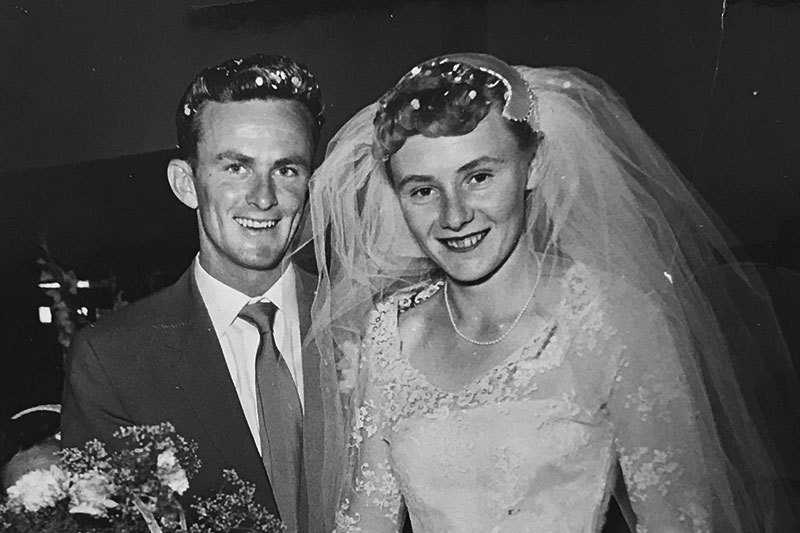
Ever since my sister Jane & I were teenagers growing up in Narrandera, our mother has always been Pat. It started one evening when mum came home from visiting her very good friend Mrs. Lee. Mum complained and yes it was a complaint, that the four Lee boys always called their mother “Gwen”. Mum did not think that this was right. It made her feel uncomfortable. It was the 70’s. Well, on hearing this Jane & I both looked at each other and Pat it has forever been.

Download Pat’s Recipes

Anyway, Pat’s Caramel Pie is a firm family birthdays and Christmas favorite. It’s embarrassingly simple to make. You must however, remember never to let the can of Condensed Milk boil dry AND there can be absolutely no off the shelf buying caramel, from the supermarket substitute. It’s the boiling can-to-caramel method or it’s nothing at all.

Watch the pot.

I say this because one morning, Mum (pre-Pat when she was still just Mum), wanted to make a telephone call on our ever-so-smart molded plastic wall-mounted mustard-coloured Telecom phone. You know the one with a kilometer of curled phone-cord. Well, I had literally just swung through the Saloon-style half doors and was standing amidst the glory of our Burnt Orange and Mission Brown family breakfast spot. Whilst I was, shall we say marinating in this vision of a colour-saturated linoleum, the near-bye pot had indeed boiled dry. The can of condensed milk, dancing to a crescendo, exploded, Caramel across the kitchen. Thousands of brown splotches circumscribed the room – splatter patterns reminiscent of a Hitchcock bathroom. At the Bang!, Mum really screamed, and she screamed from the Good Room;

“What have you done!”

other than nearly dying from flying serrated tin shards whipping past my young neck, I had done nothing. I stood there in silence, Pat’s Pie filling sliding down the abstract red and black wallpaper and into the 1970’s colour chart of my mind. It never leaves you.

So, peoplewatch the boiling pot.

Jane & Michael

Death Has its Rewards. Sometime in the early 1970’s, my parents attended the Narrandera funeral of the good Catholic Monsignor, Patrick Galvin. Even as a child this had me somewhat perplexed, as the family has never identified – to use contemporary parlance – as either Catholic or religious. My parents who had united in wedlock in the late 50’s were by the standards of the day, “a mixed marriage”. Dad was Catholic and mum was Anglican. In the day, the Catholic authorities refused to marry Gordon & Pat in the local church. I think the Anglicans did allow the marriage, but not at the front bit of their church. They were I believe, married in one of the side bits of the Anglican Church. I think. I wasn’t there.

So Jesus’s Dad is not that big of a deal in my family. But anyone who has lived through a small country town will tell you; attending funerals has nothing whatsoever to do with God – they are a high visibility communal recreation. And a good feed. Spreads were judged.

Pat went to Monsignor’s funeral and at the Wake, the good ladies of the Narrandera Children’s Medical Research Foundation served up a well-received repast. I can just picture it; everything checkers with tinned pineapple. There may have been a Margaret Fulton, Balinese theme. One can only dream.

To the delight of all, Pat returned triumphantly from the Wake with the recipe for a family chicken dish that is still to this day refereed as Monsignor Galvin’s Chicken Dish. It can be made in a Crock Pot and if you put some bamboo boats next to, I am sure Margaret would have embraced it as Balinese. Bless.

A creative life: Charlotte Drake-Brockman

Posted by

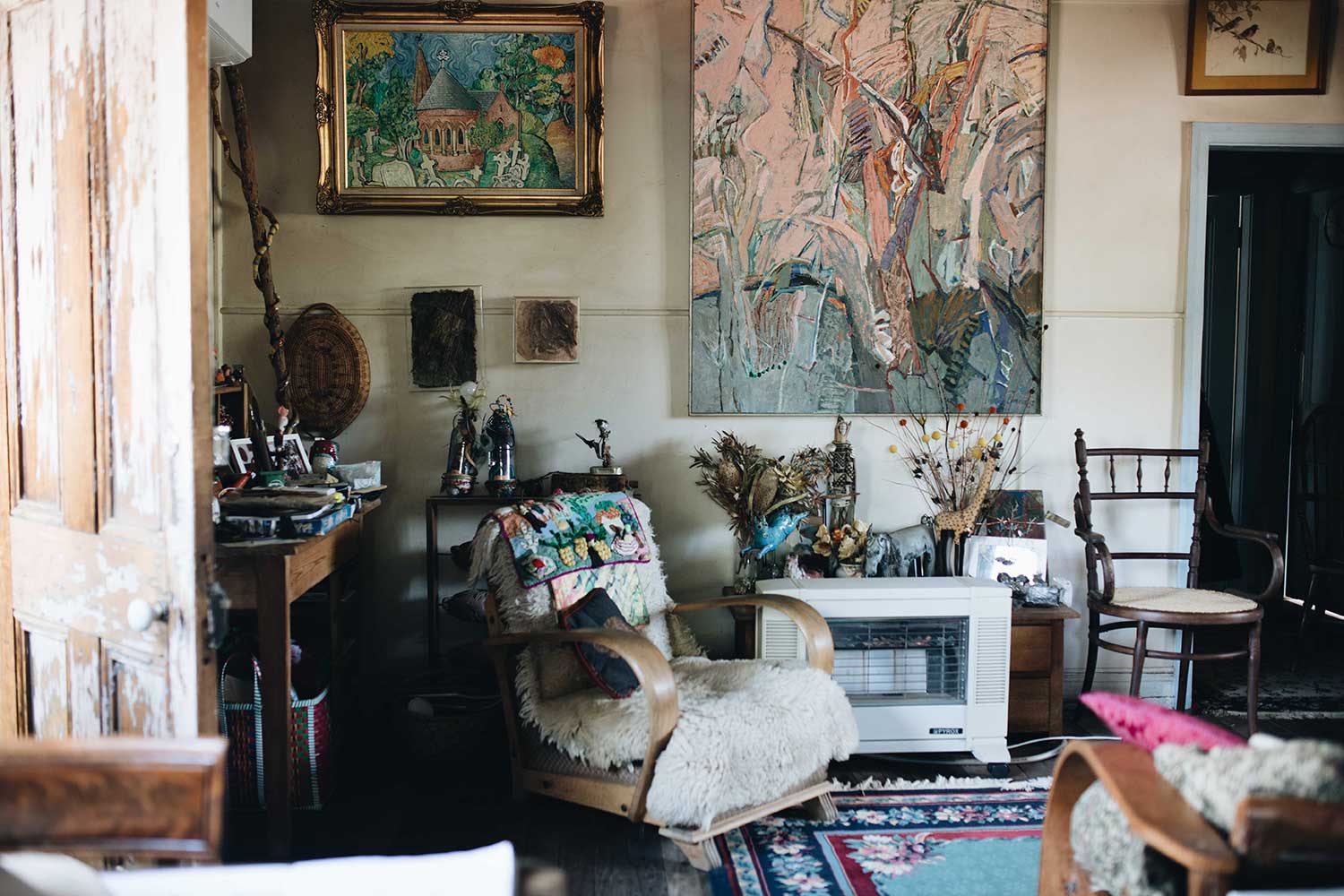
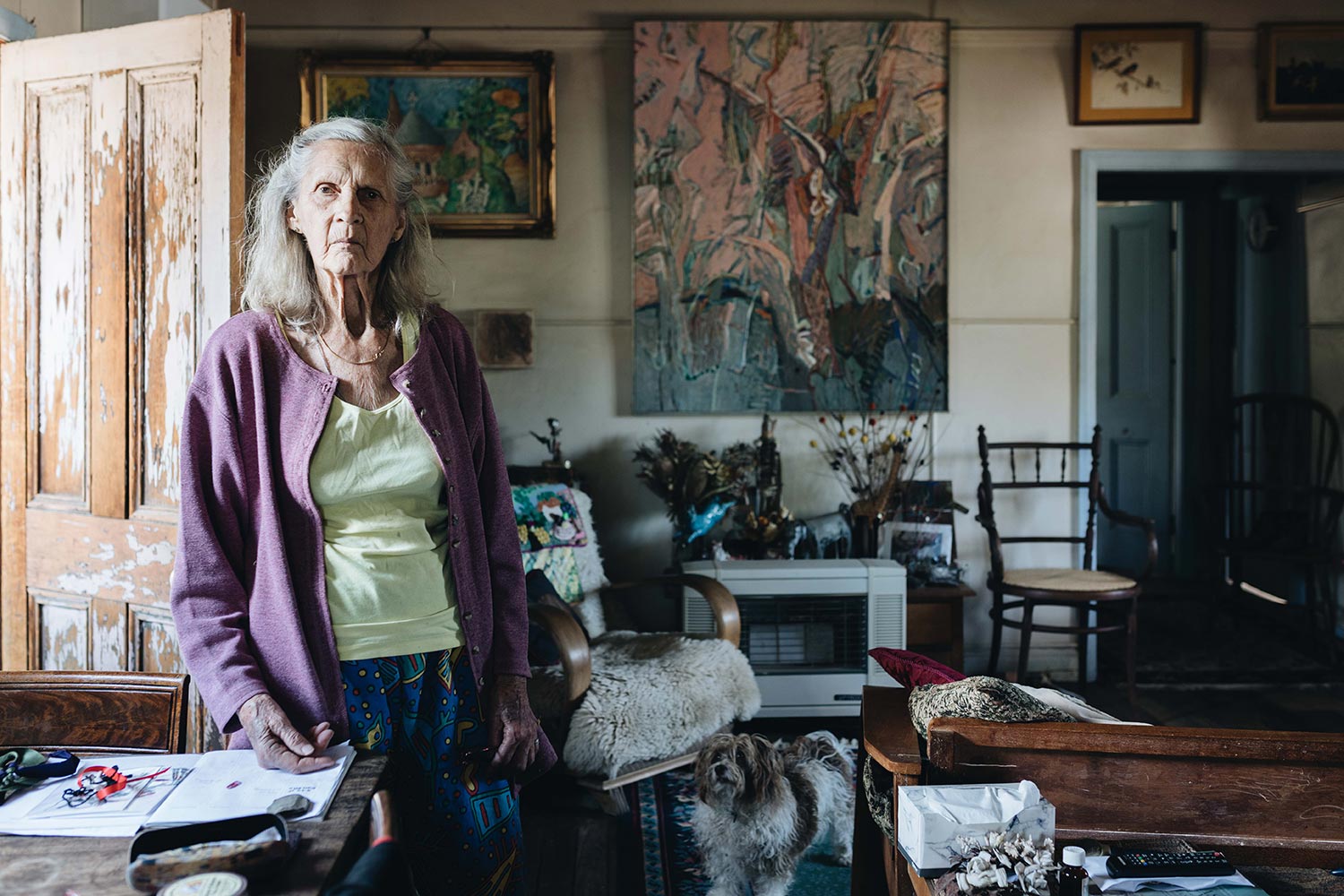
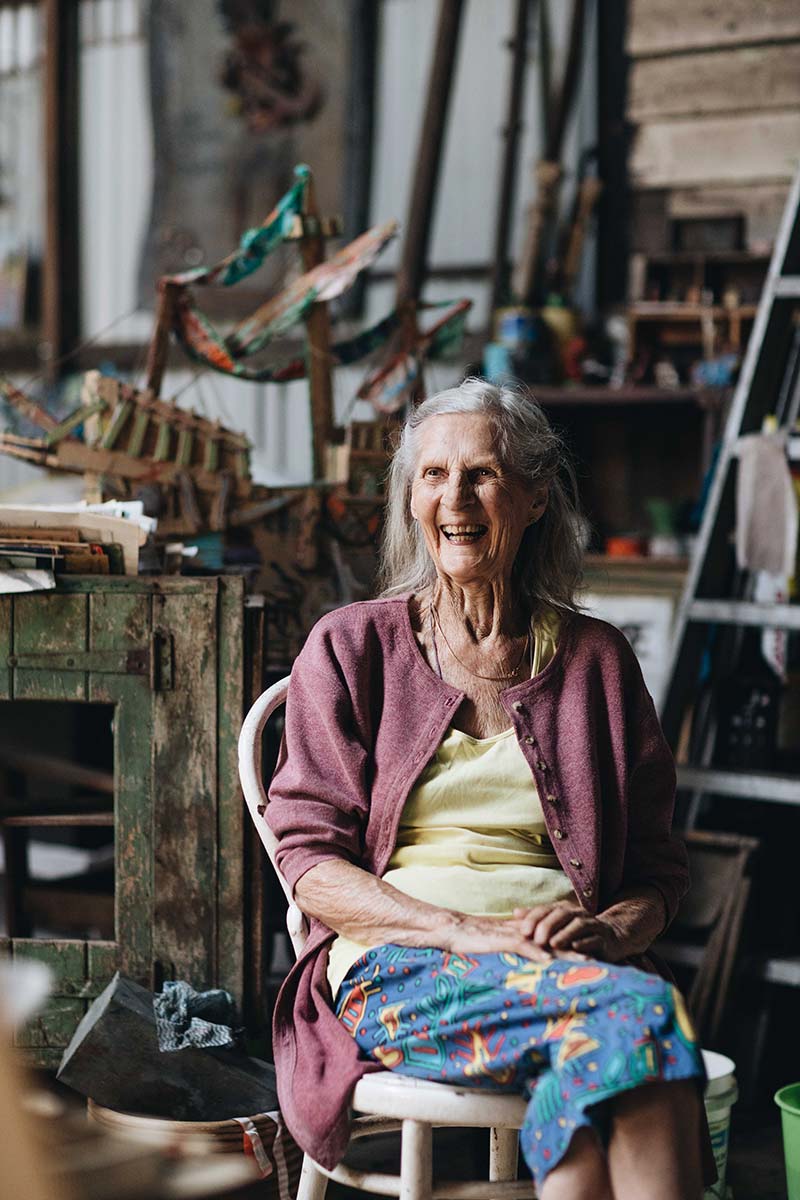
We visit artist Charlotte Drake-Brockman, who has called Murrurundi home for more than 40 years, in her studio.

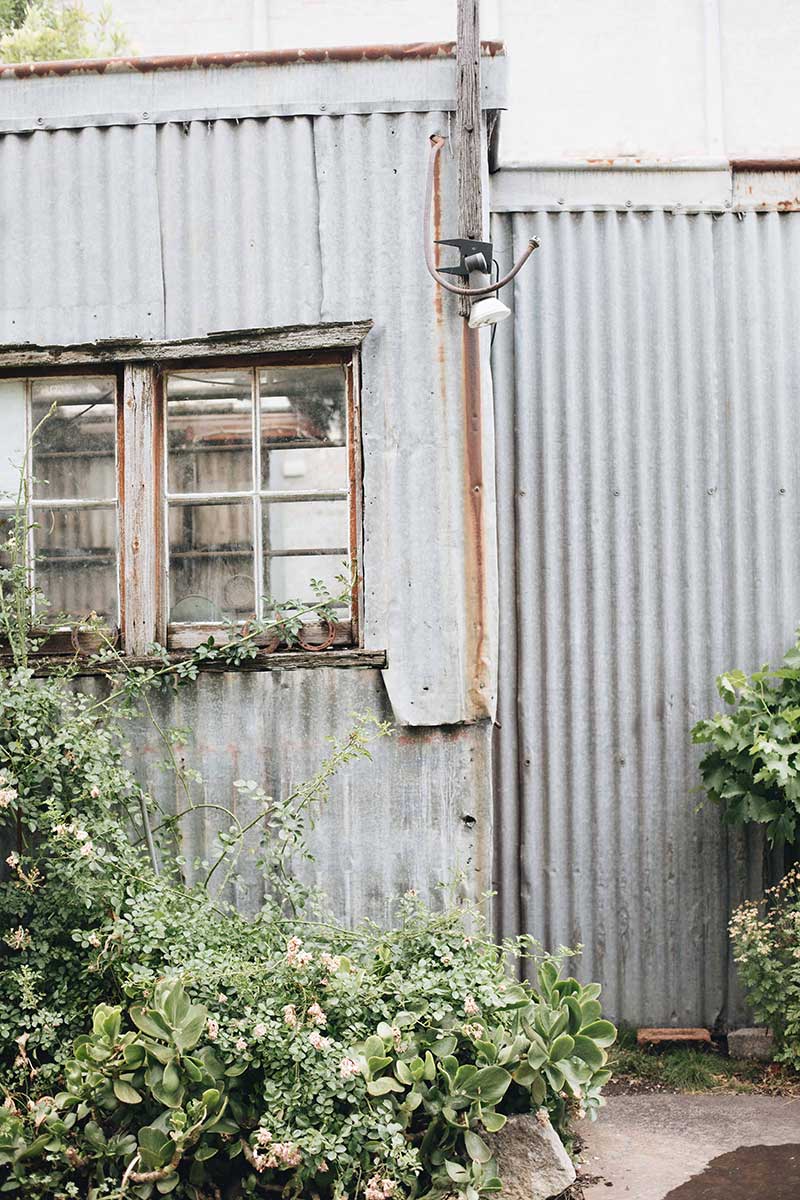
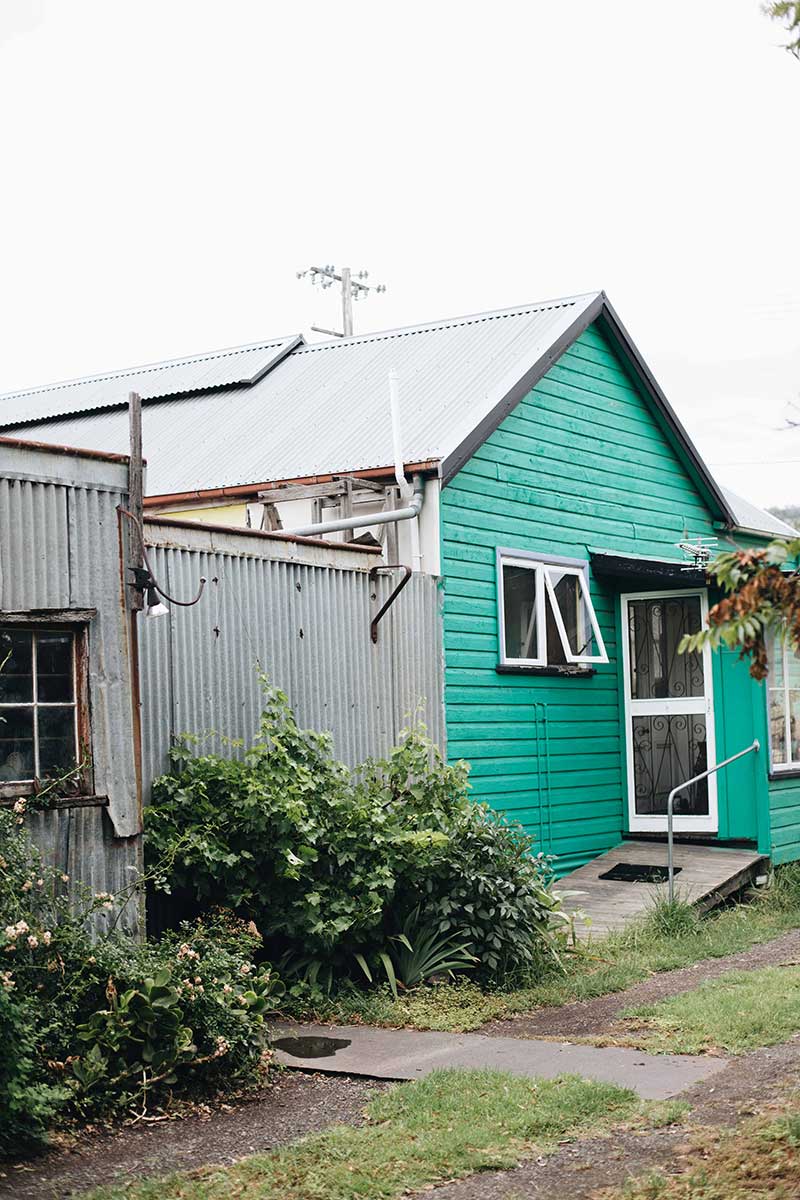
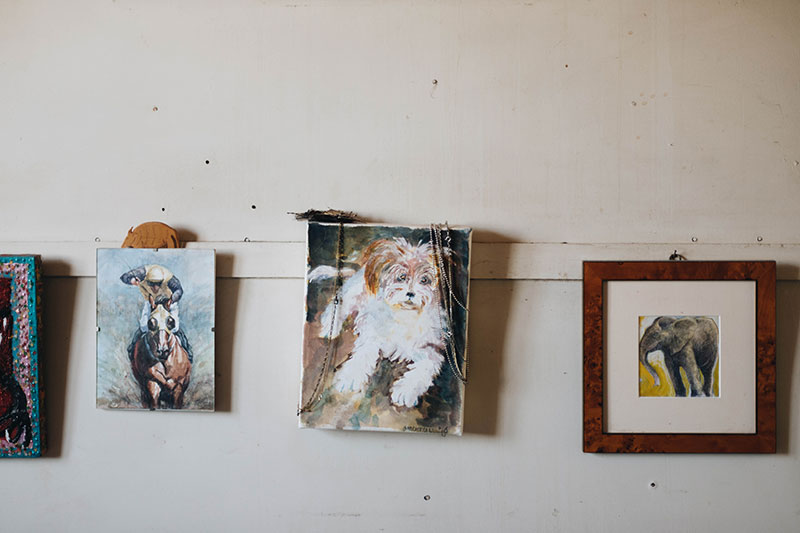
The bikes mounted on the corrugated iron fence lining one of Murrurundi’s side streets are the first clue that the woman residing behind it is a little out of the ordinary. Charlotte Drake-Brockman first visited the town in 1979 and bought a building on the main road a year later — “It was only $7,000,” she exclaims delightedly. At the sound of the 87-year-old’s voice, a small brown and white dog emerges from under a chair to see what all the fuss is about and spends the rest of our visit gazing devotedly at Charlotte. On a wall nearby hangs a painting of this loyal canine companion, flanked by a drawing of an elephant on one side and a racehorse in full flight on the other.

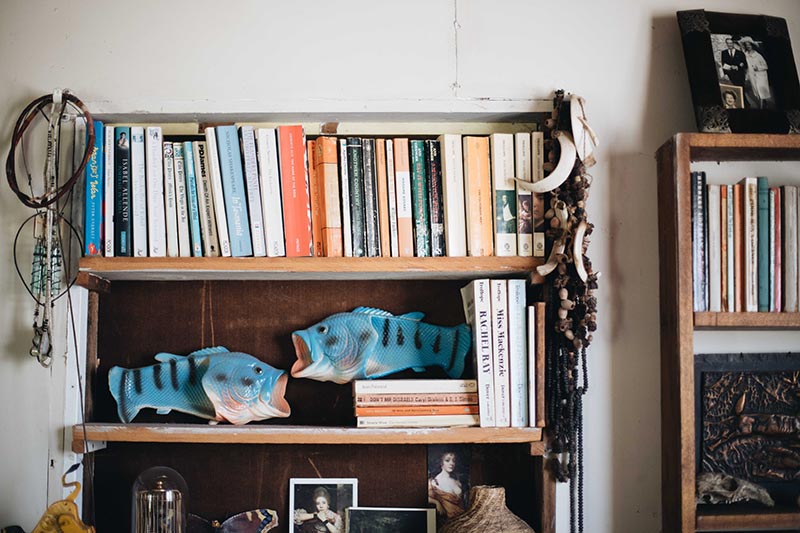
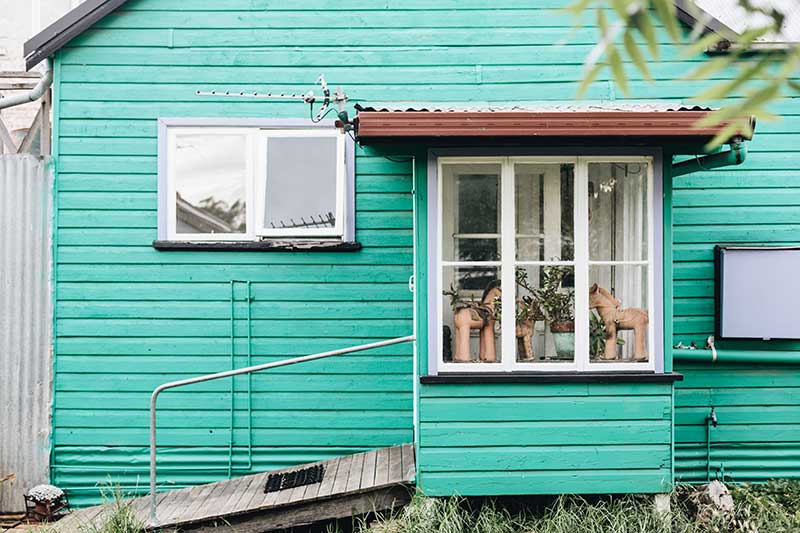
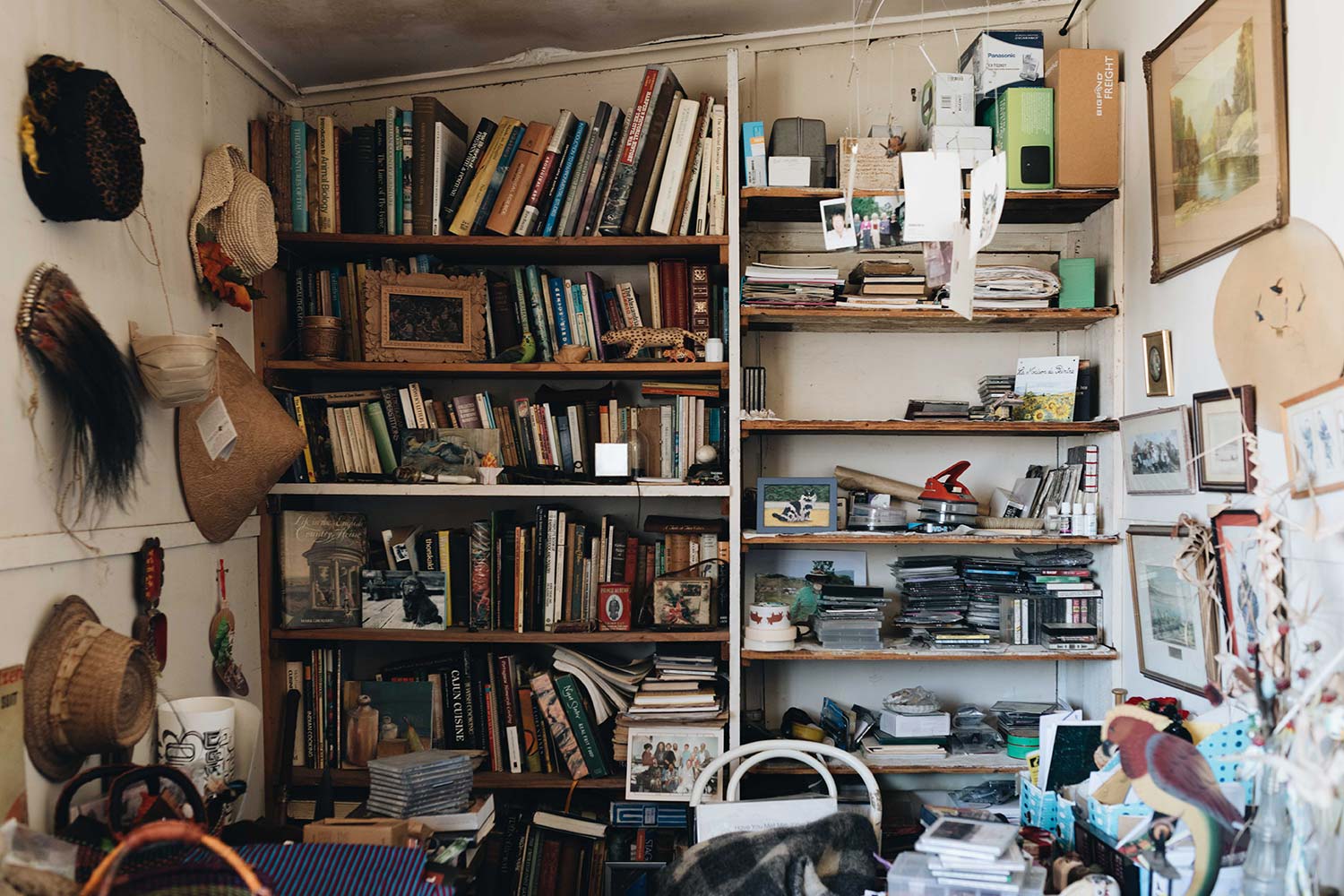
With weatherboards painted a vibrant Caribbean turquoise on one side wall, the house is a creative maze that reflects the multi-disciplinary approach of its owner. Inside, nearly every surface is home to a collection of objects artfully arranged — something many wouldn’t notice at first glance. Pieces of coral and a bear made from shells sit on a pine meat chest with a small menagerie of other figurines near the kitchen. On the living room shelves, the orange spines of Penguin paperbacks sidle up to blue ceramic carp, all mixed together with art magazines and the odd crime thriller.

Born in England, Charlotte came to Australia in 1964 after studying at the Farnham School of Art and working at the Byram Shaw School of Art (which was later absorbed into Central Saint Martins). After working in Sydney, she eventually moved to Murrurundi with her partner Viv Carter, the well-known jazz drummer, in search of a more sustainable lifestyle. Charlotte returned to art school — this time at the University of Newcastle and then taught at TAFE until her retirement.

In her first year in Murrurundi, Charlotte got a job handing out the census and met another artist, Fran Wachtel, and so began a creative partnership that was to last decades. The pair made the large steel sculptures at the town’s entrance and collaborated on several exhibitions together while also running Chicken in the Window, a gallery specialising in recycled tin work.

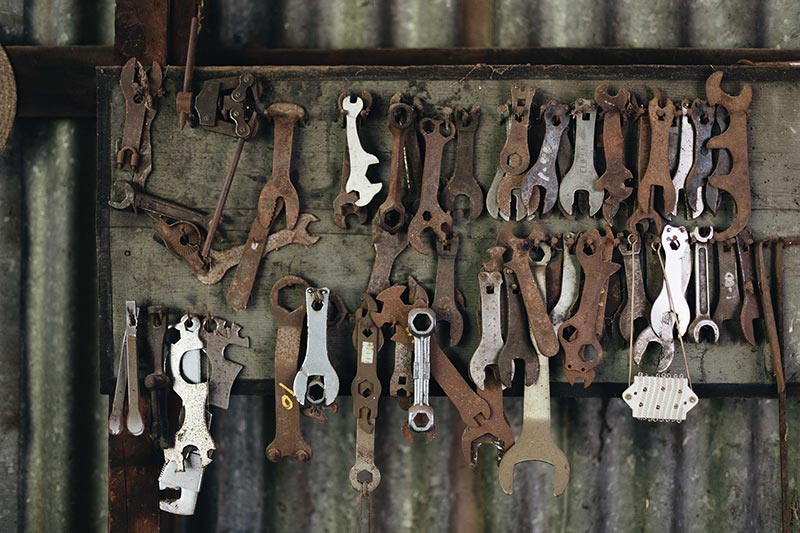
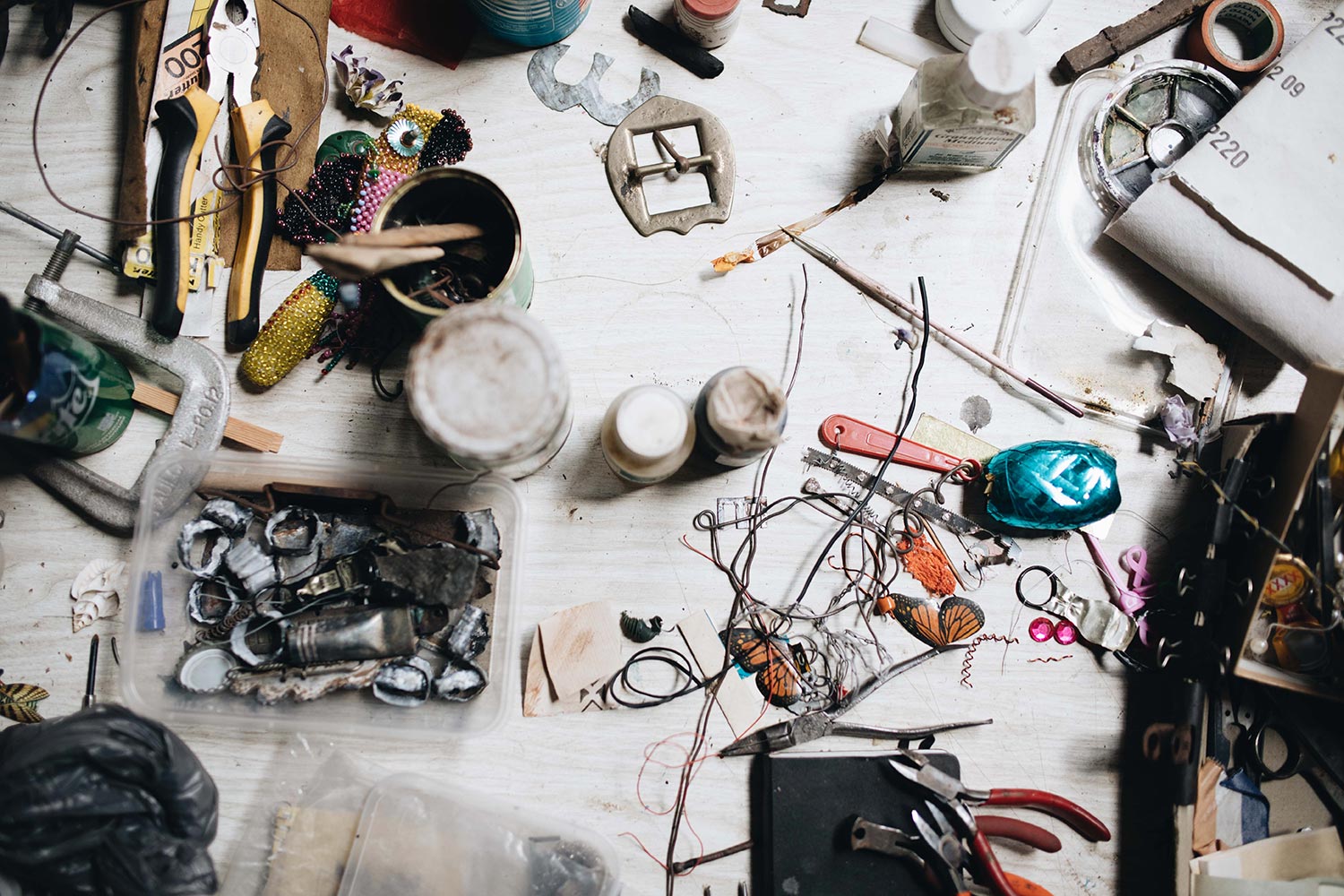
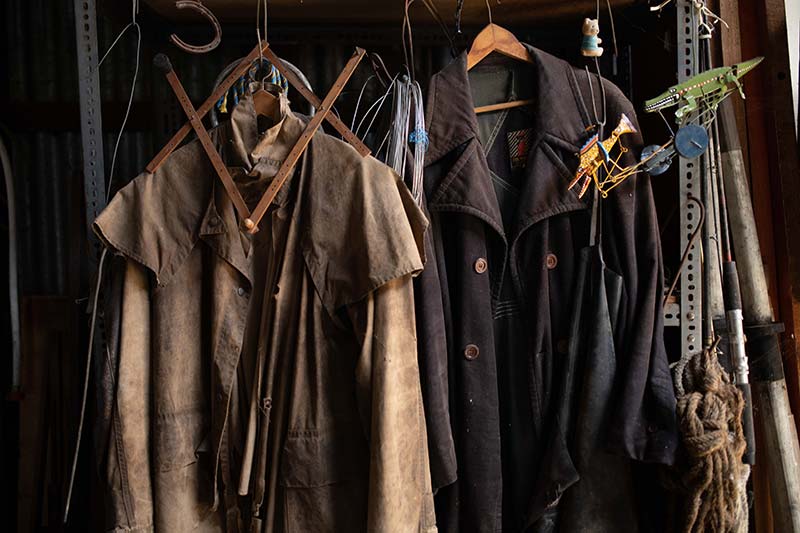
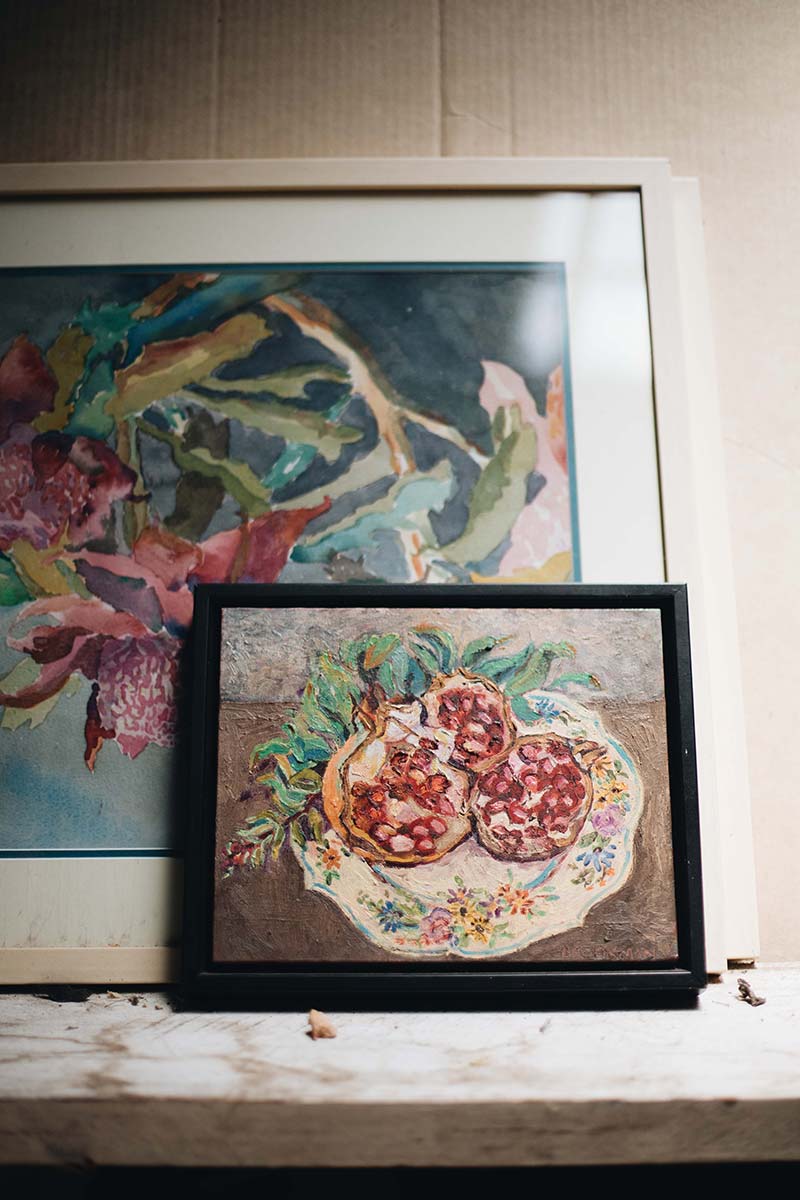
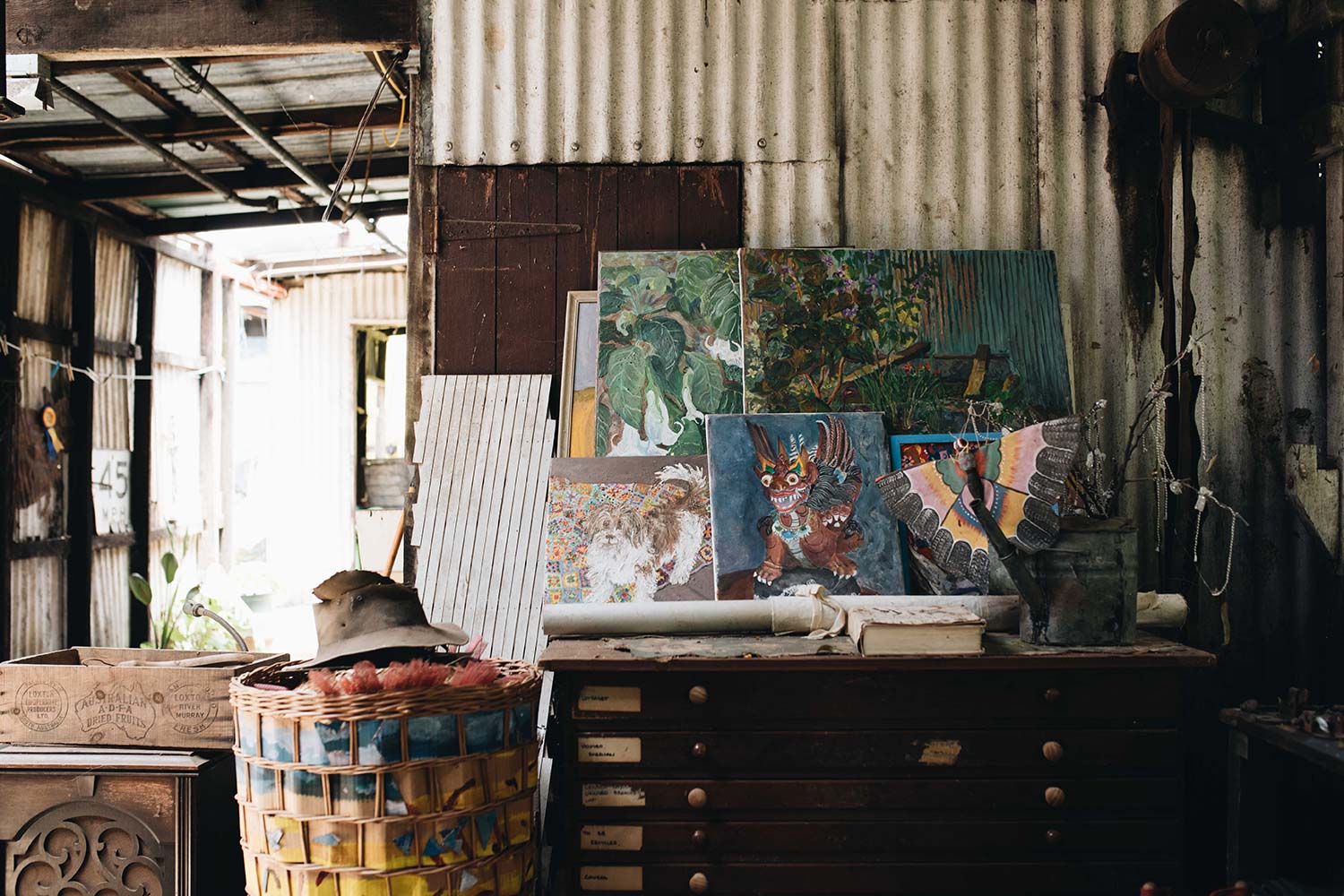
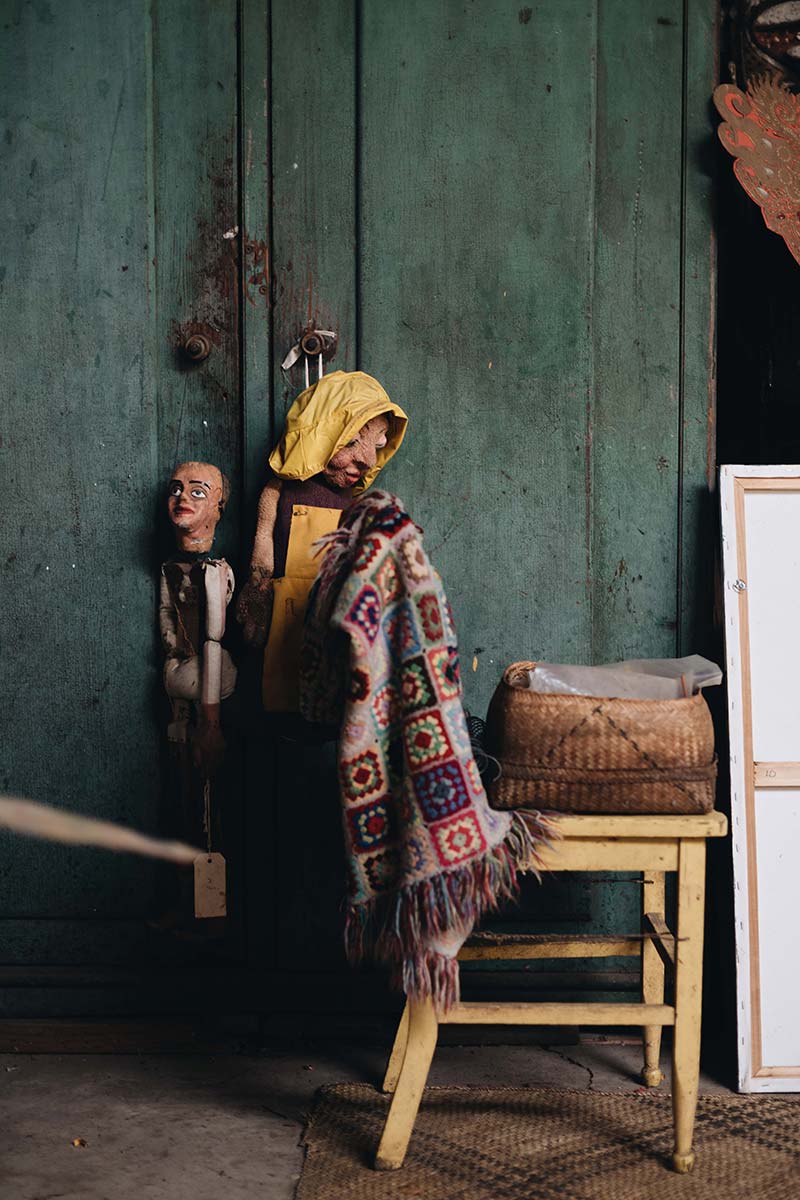
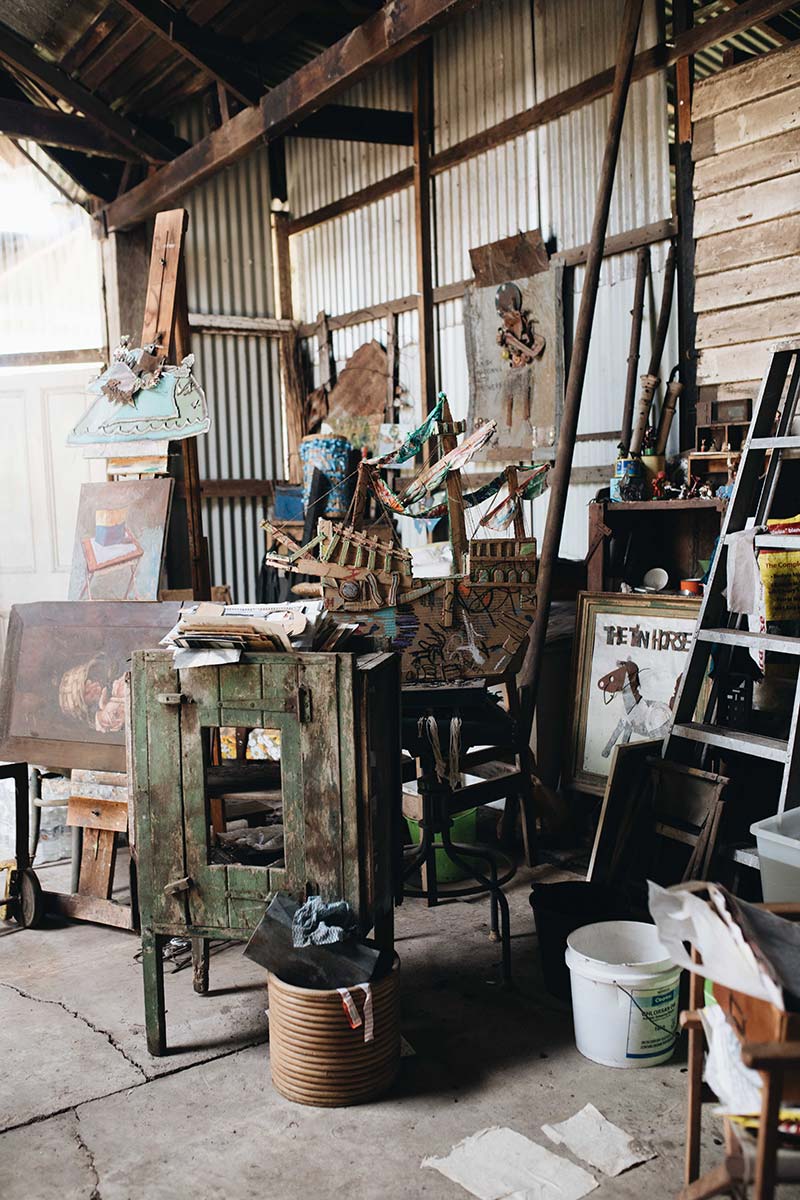
To step into Charlotte’s studio, is to enter a magical place. Cardboard galleons sail across the floor and metal pirate ships with rigging made from beaded necklaces lean on a table. Puppets hang against a weathered cupboard, painted the colour of storm clouds rolling in, and canvases thick with layers of paint are propped on old chairs. Metal figures stand mounted on tuna tins while, a battered corrugated iron sheep is adorned with a royal blue and gold rosette for first prize at the Scone Art Prize in 2015. A crucifix, studded with costume jewellery, hangs on a wall nearby and a panel hung with spanners looks like an installation piece — and perhaps it is.

“Tall, angular, warm and inquisitive — all the very elements of Charlotte herself -— can be found in some small way in her cottage cum warehouse,” says Michael Reid when asked to describe one of his visits to Charlotte’s studio.

“There are circus posters and a marionette, illuminated by shafts of roof light. All these things are the layers of an honest and creative life. Fine dust raises up like floating dots before your eyes as you walk through her sheds. Charlotte lives in a raw and magic world, beguiling to young children and adults alike.”

Her strong character led to another local artist, David Darcy, painting her portrait for the Archibald in 2018. “I thought why not when Dave asked me and it was a lot of fun,” she says. A second portrait painted by Darcy won the People’s Choice Award at the 2021 Muswellbrook Art Prize.

Later, after my visit with Charlotte, I came across this observation from artist Inga Girvan Hunter about her friend’s work that she wrote for Balance?, the 2012 exhibition Charlotte had with Fran Wachtel at the Maitland Regional Art Gallery.

“I”ve known Charlotte since the 1970s when she came into one of my dye workshops and made a huge piece of painted batik the size of a large wall. That’s Charlotte: larger than life, and an unusually imaginative and versatile artist,” writes Hunter in the catalogue.

“She works in a large variety of media — from classical paintings to welded iron. She makes insane insects out of plastic bags and beads, which are so filled with character that you can’t help laughing. She makes cats out of electrical gadgets and hair curlers, books out of beer cans, and can paint a mean cabbage, a frequent artist’s model. I own a lot of her works, but my very favourite is a large lead ship with beaded copper rigging. The crew is made of sardine can lids and consists of Charlotte and I — both with literally silicone breasts  —  my husband and several others, together with two haughty cats [made from the pop-tops of drink cans] who sit in the rigging. There are not enough artists who can make you laugh with joy, and we must treasure them — as I treasure Charlotte.”

Actor and clown Jean-Paul Bell, who moved to the town a few years ago, agrees. “Charlotte is one of Murrurundi’s living treasures and the arts community is keen to help her continue to thrive knowing that it takes a village to support an artist.”

Magpie Gin

Posted by

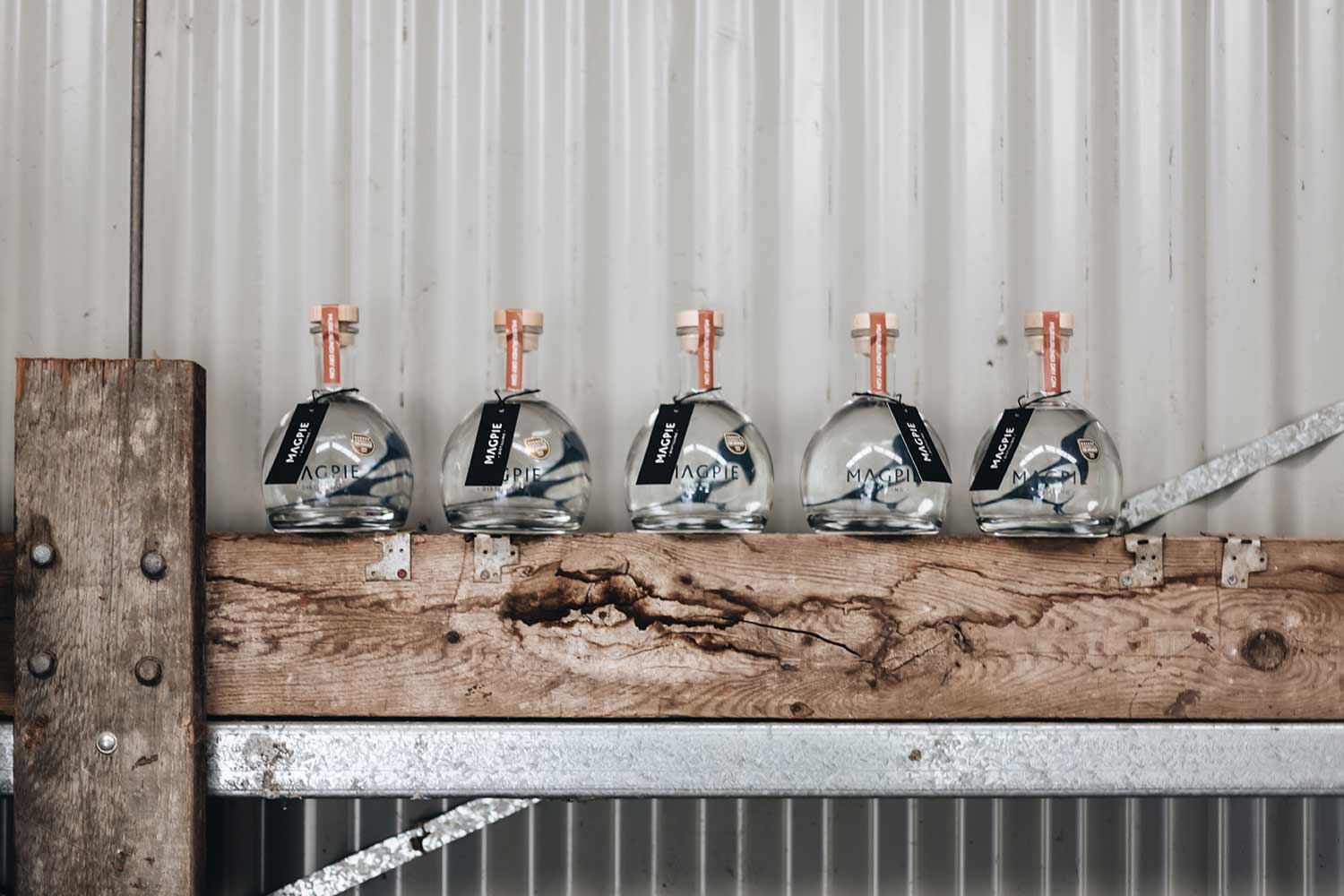
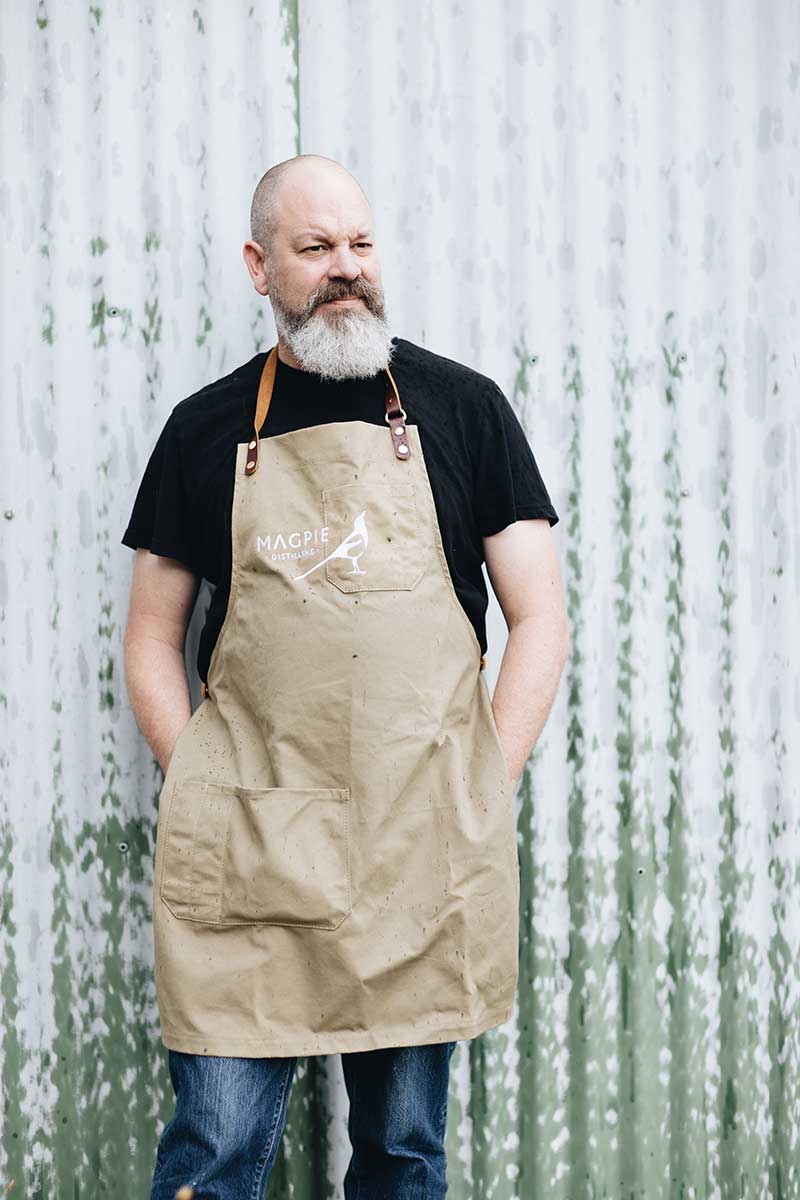
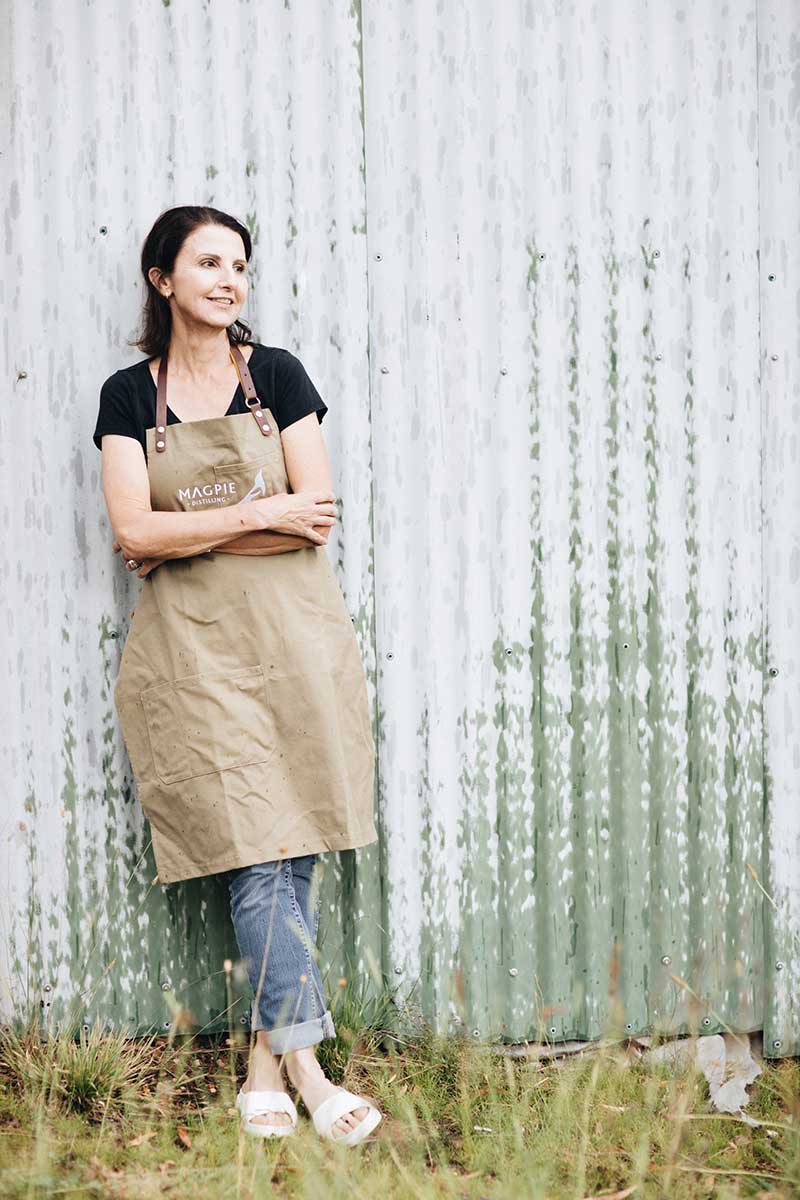
When Nikki and Geoff Drummond of Magpie Distillery moved to Murrurundi, little did they know that they would soon be winning awards around the world for their gin.

The roads are lined with wild fennel on the way to Murrurundi. Clouds of yellow seed heads on tall arching stems reach into the bright blue sky. They are so pretty that I’m tempted to stop the car to cut a few armfuls to fill the vase on the dining room table when I eventually get home. But I’m not the only one in the area who sees their potential. Nikki and Geoff Drummond of Magpie Distillery are also keenly aware of their value in making gin – a blend recently awarded with silver medals at the International Spirits Awards in London for the Murrurundi Dry and Songbird gins.

Here, we ask the pair about their life in Murrurundi and the business of making gin:

Why did you move to Murrurundi? 

For us, Murrurundi was love at first sight. We had been looking for a change of pace, the proverbial tree change, for quite some time. We’d looked up and down the coast, in the Snowy Mountains, all over the place. Nothing ever quite worked out. We didn’t really know what we were looking for until we found it.  We stumbled upon Murrurundi by pure chance. We had never been here, never even heard of it when we came to take a look at a house. It was a totally unexpected delight; the magnificent countryside, the history and character of the town. We knew almost instinctively that we had finally found a place to call home.

What do you love about the town? 

There are so many things: the inherent creativity coursing through the town from the established artists through to the local art society and amazing talented artisans. The spirit of entrepreneurship where great business ideas flourish, are shared and acted on. The inclusivity, where two blow-ins with a crazy idea to start a distillery are made feel entirely welcome and part of the community. Also a cast of exceedingly likeable, utterly funny, local characters whom we now call our dear friends.

Is there a great sense of community? 

Most definitely. The friendships we have forged are solid. To be accepted into a community in the middle of tough times is pretty amazing. We arrived in Murrurundi just as the drought was ramping up. As the situation got worse, Murrurundi got busy. We were witness to incredible community spirit. Locals formed groups organising tankers of water, trucks of food and necessities for those on the land and in the community struggling to make ends meet. And it wasn’t just a one off, week after week, month after month people donated time, money and goods to ensure that their neighbours made it through. There were families here doing it very tough and seeing the giant heart of this tiny town was truly inspiring.

The generosity and sense of community doesn’t end there; we thought that starting a new business in a new town where we knew very few people was bound to be tough. But as far as community goes, we couldn’t have been more wrong. We”ve been fumbling our way through managing a small property, launching a business, renovating the sheds for our cellar door, all while trying to establish ourselves here. The guidance and generosity of local knowledge is abundant. People offer to help in any way they can; everyone knows someone who can fix whatever it is that needs fixing, people go that extra mile. We have the most incredible neighbours and friends looking out for us. The community of Murrurundi champions each other, people genuinely want the town to thrive and in so doing, do what they can to help each other succeed.

Why did you decide to start a distillery? 

We both felt an inkling to build something when we moved to Murrurundi and our property gave us the potential to establish a new business. We had taken a trip to Scotland and visited the Speyside distilleries both large and the small. Maybe we fell in love with romance of running a distillery, but the idea irresistibly moved from a concept to reality over three years. Distilling is an amalgam of aesthetics and process, and we are both able to bring our differing skills and ideas to these seemingly incongruous requirements. It was all validating when we won medals in our first year of operation for our gin at the Australian Gin Awards.

What are you trying to achieve? 

Geoff and I are striving to create a business that is ecologically sustainable; From our packaging which is all 100 per cent recyclable, our composting of spent ingredients back into our gardens, our enviro-cycle recycling waste water system to our use of solar power and rain water to physically drive our business. Our aim is to grow a business with as small a carbon footprint as humanly possible while still creating delicious and exciting products.

When we first moved into the house and decided to create the distillery, we immediately installed solar panels which generate enough power to run our own power plant, we installed more water tanks to quadruple our water collection and storage capacity and all of our by-products and waste water are composted and go back into the ground and the garden which is now home to many of the ingredients we grow to flavour our gin.

How has living in the country influenced you? 

As far as our business goes, we are doing things now we thought we would never do growing and foraging our own produce and using other local produce to create locally influenced flavours in our gin.

And on a personal level, it has changed our very existence. We now have the physical and metaphorical space and freedom to be creative, we can take our time to think about our next steps and we have the support of the community driving us forward. We have the time and space to breathe.

We have also developed a resilience that can only come from spending time in the country; learning a new, self-reliant way of existing, letting go city life and embracing dodgy internet, power outages, and what to do when the water pump packs it in.  Country life has it challenges, that’s for sure; there is nothing like dodging black snakes whilst lawn mowing to focus the mind. And I have come to appreciate my grandfather’s adage, “there is nothing baling twine or fencing wire can’t fix!”

What do you love about living in the country? 

Our view it’s pretty spectacular. And the veggie garden, digging in the dirt brings me no end of joy. We like being able to walk into town and greet people by name, that feeling of belonging somewhere not being just another face in the crowd.

I love that I can invite my new friends over for an afternoon drink and they stay until midnight and we all have tear stained cheeks from hours of raucous laughter that’s the best.

For more information, visit magpiedistilling.com.au or @magpiedistilling

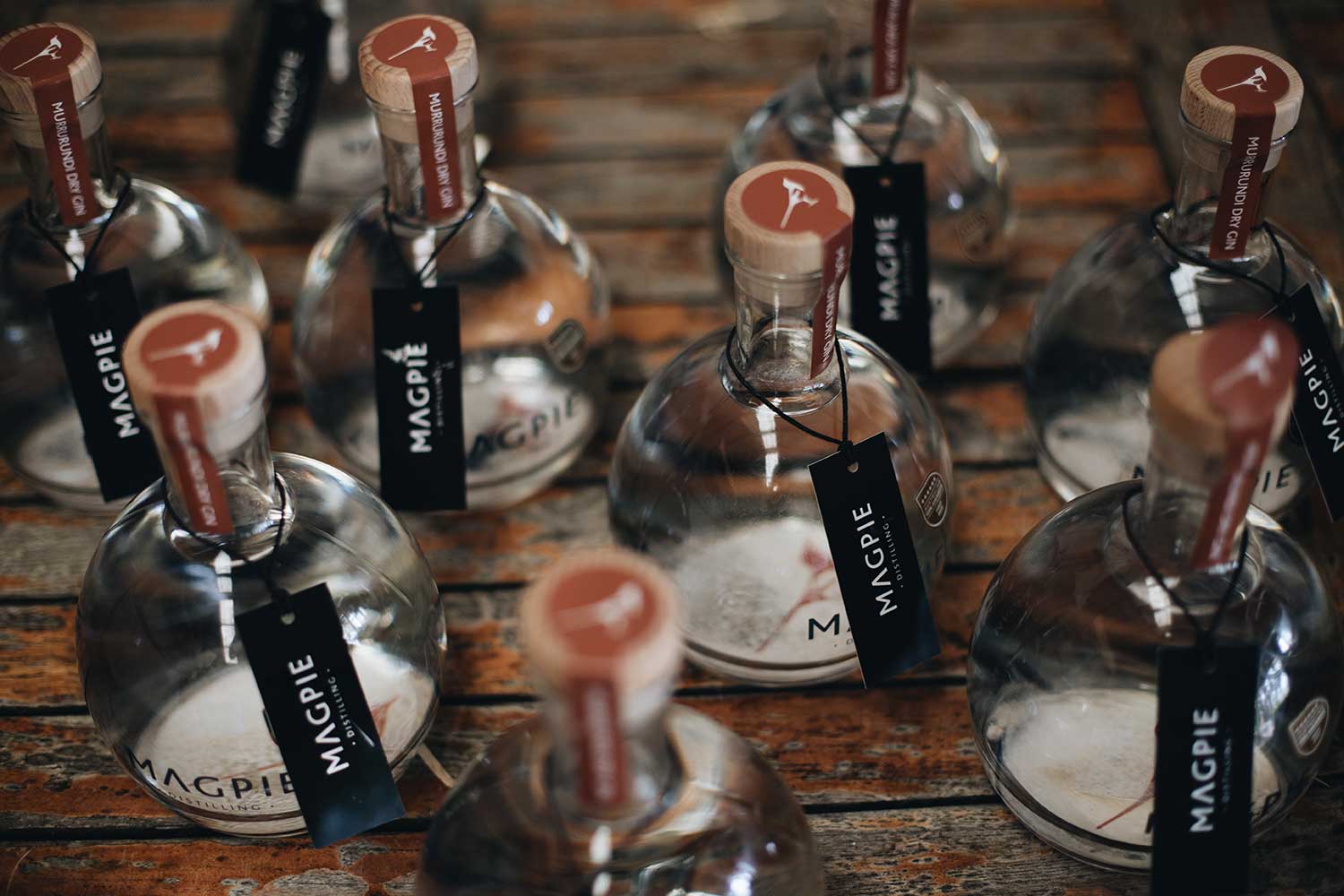
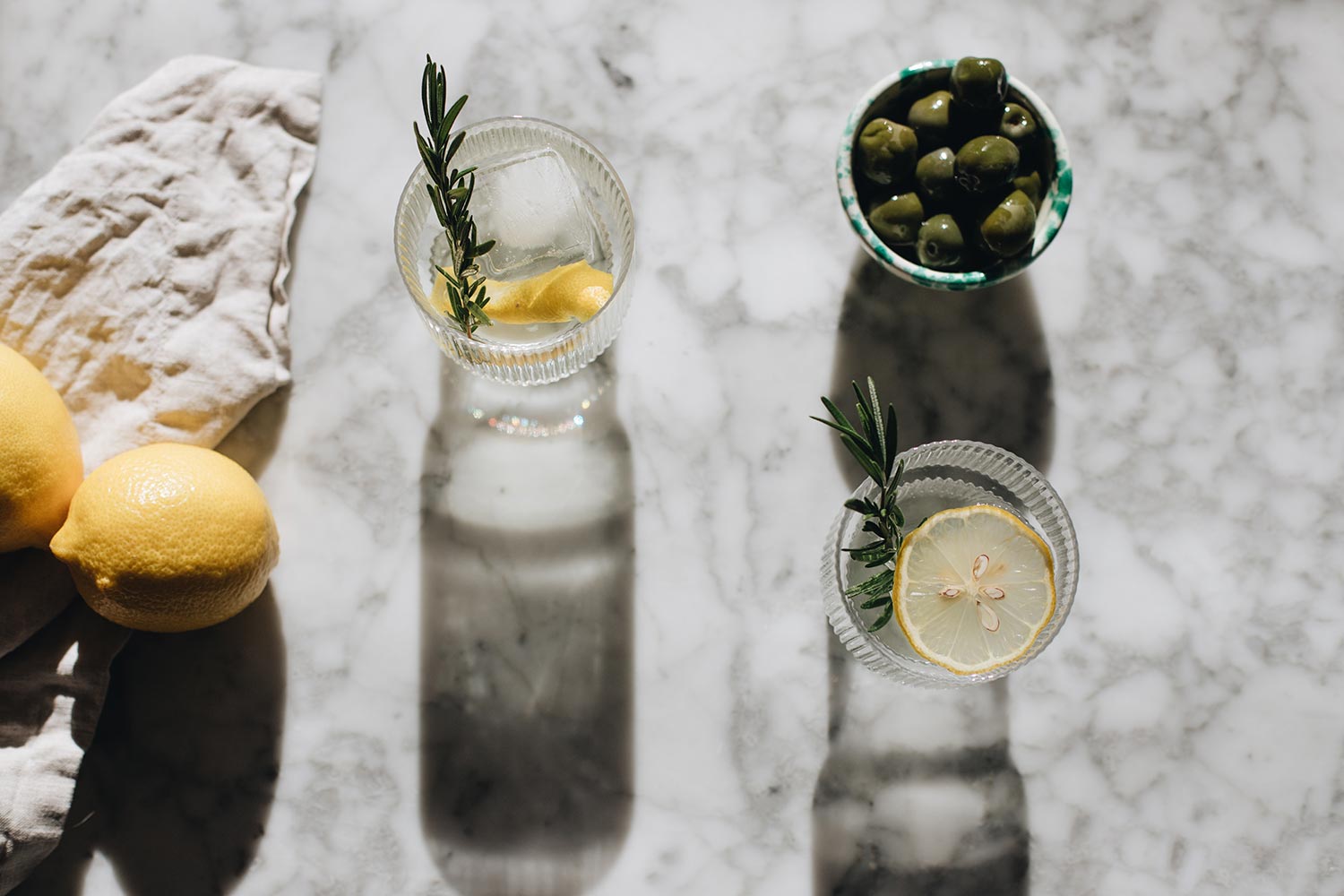
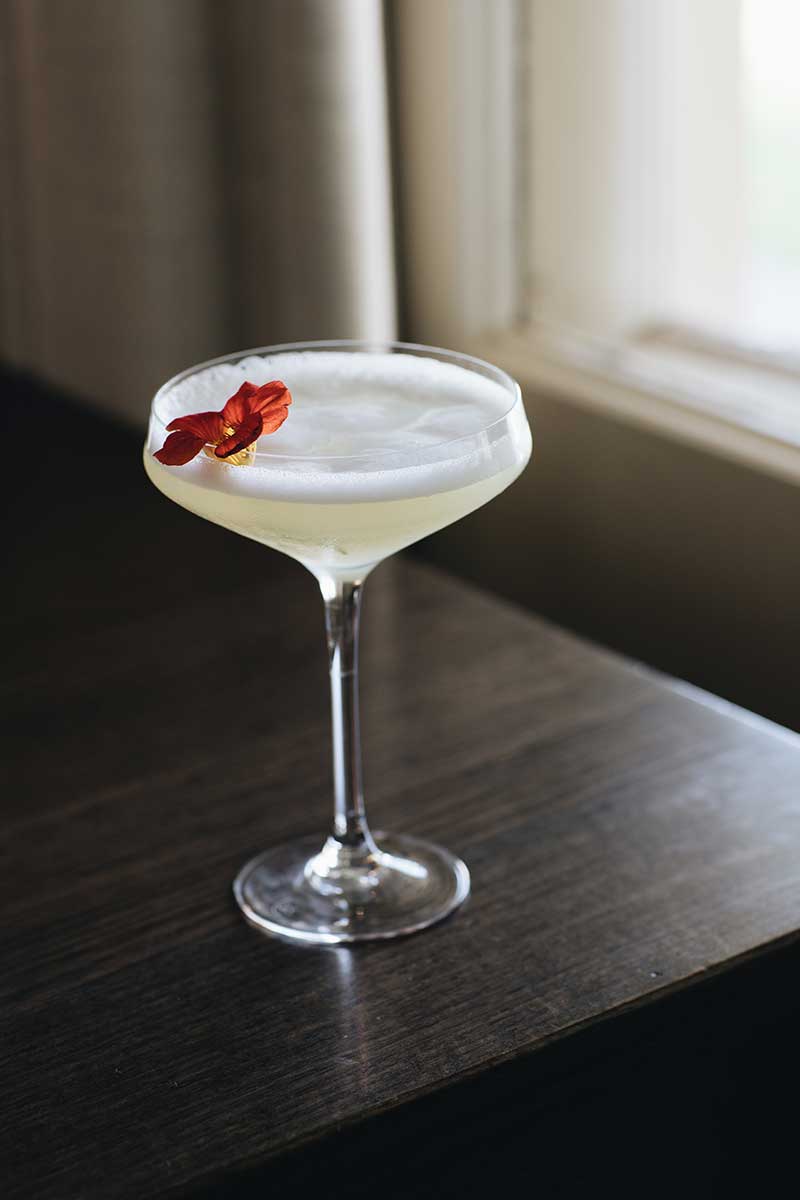
The Murrurundi Dry Gin has clean juniper flavours with hints of fennel and peppercorn notes to finish.

The Cottage, Scone

Posted by

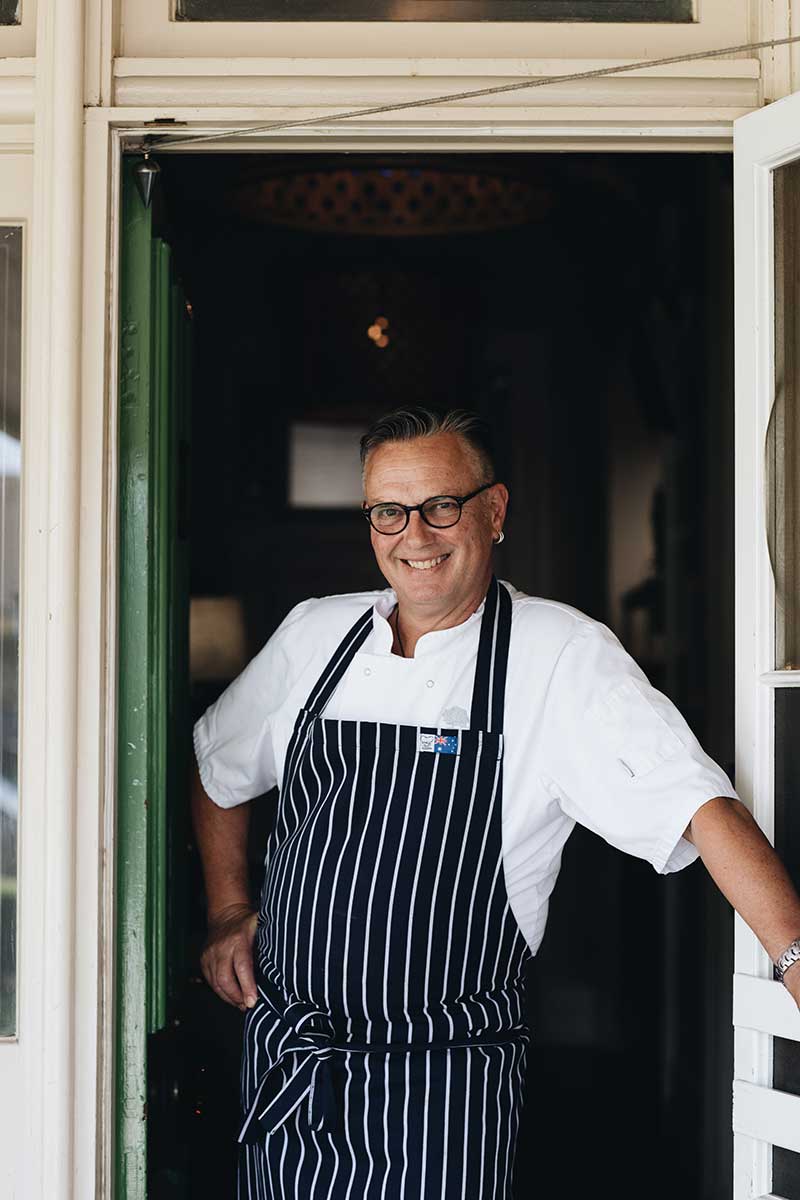
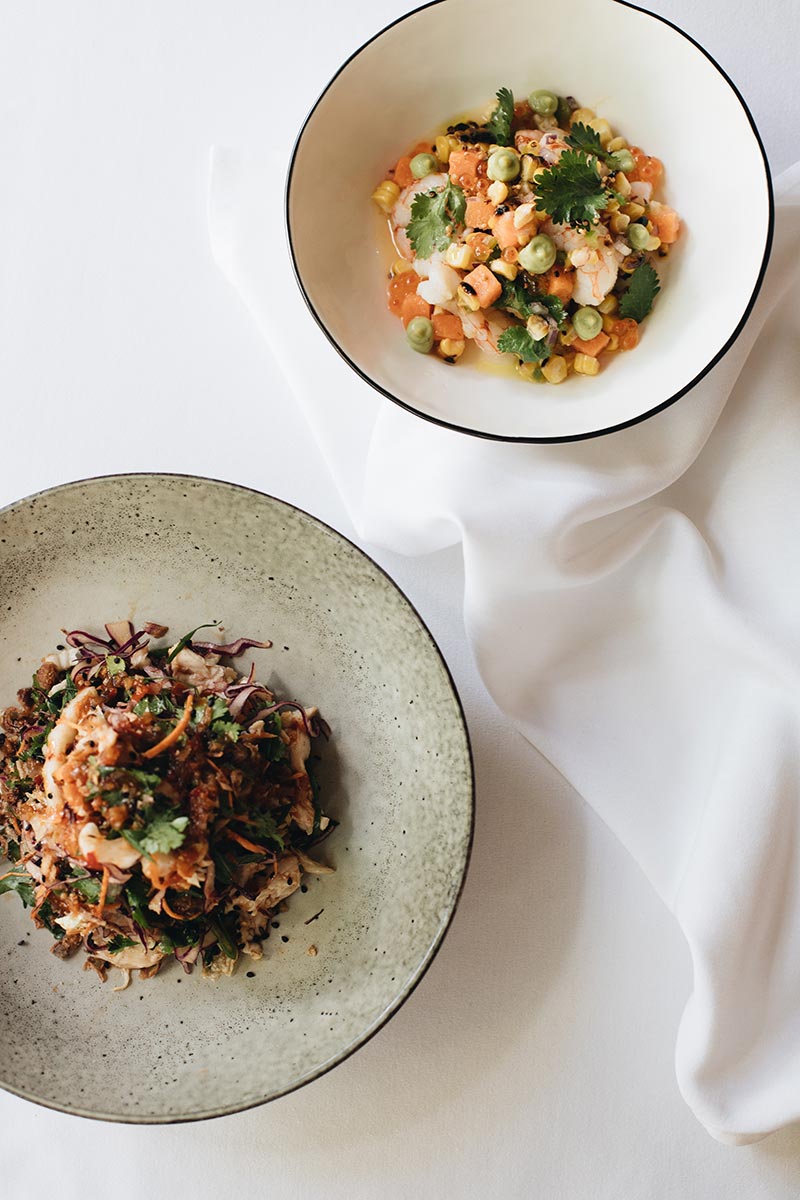
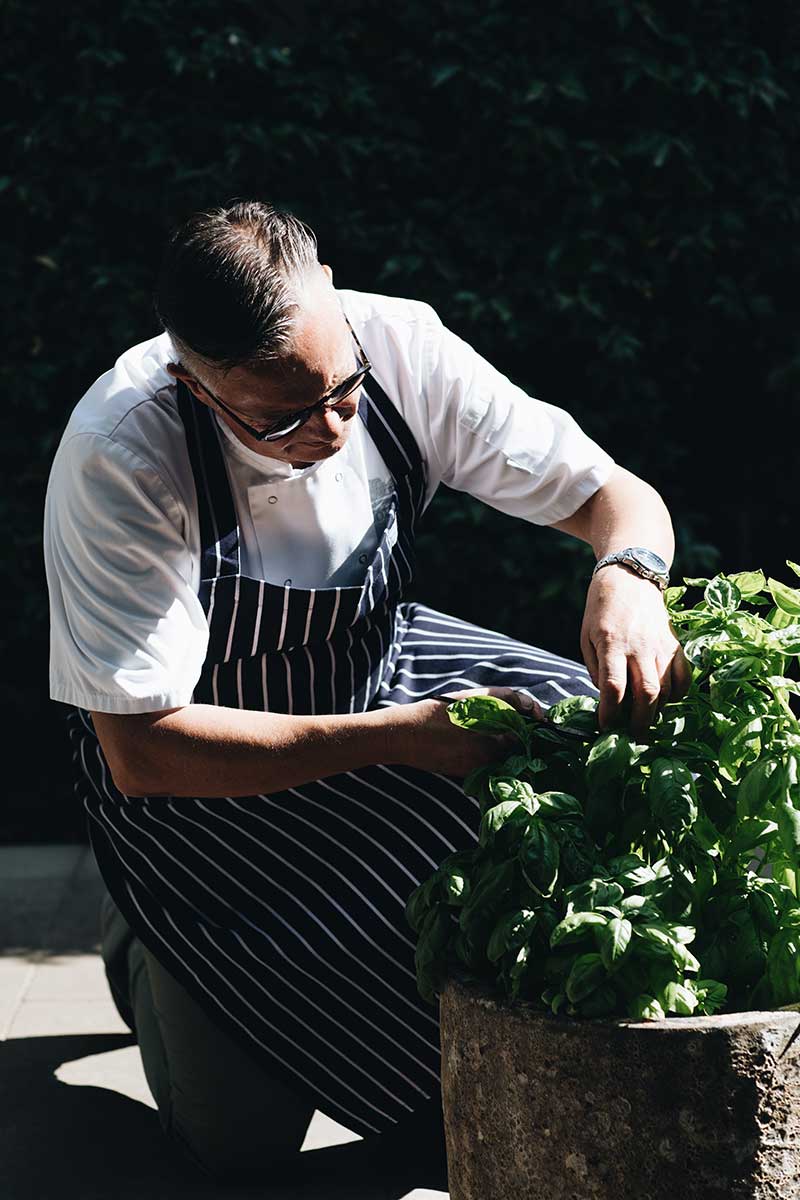
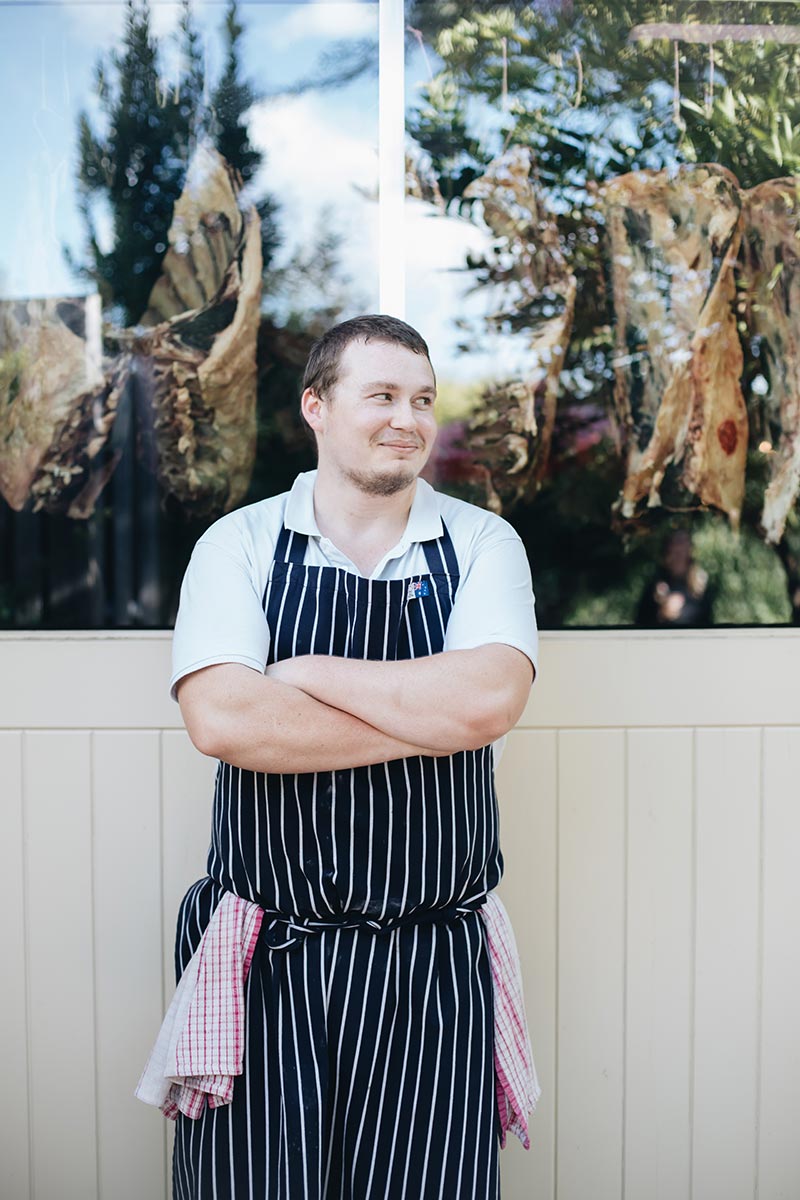
Name a famous Sydney restaurant and chances are Colin Selwood has worked there but today this talented chef is more than happy to call Scone home.

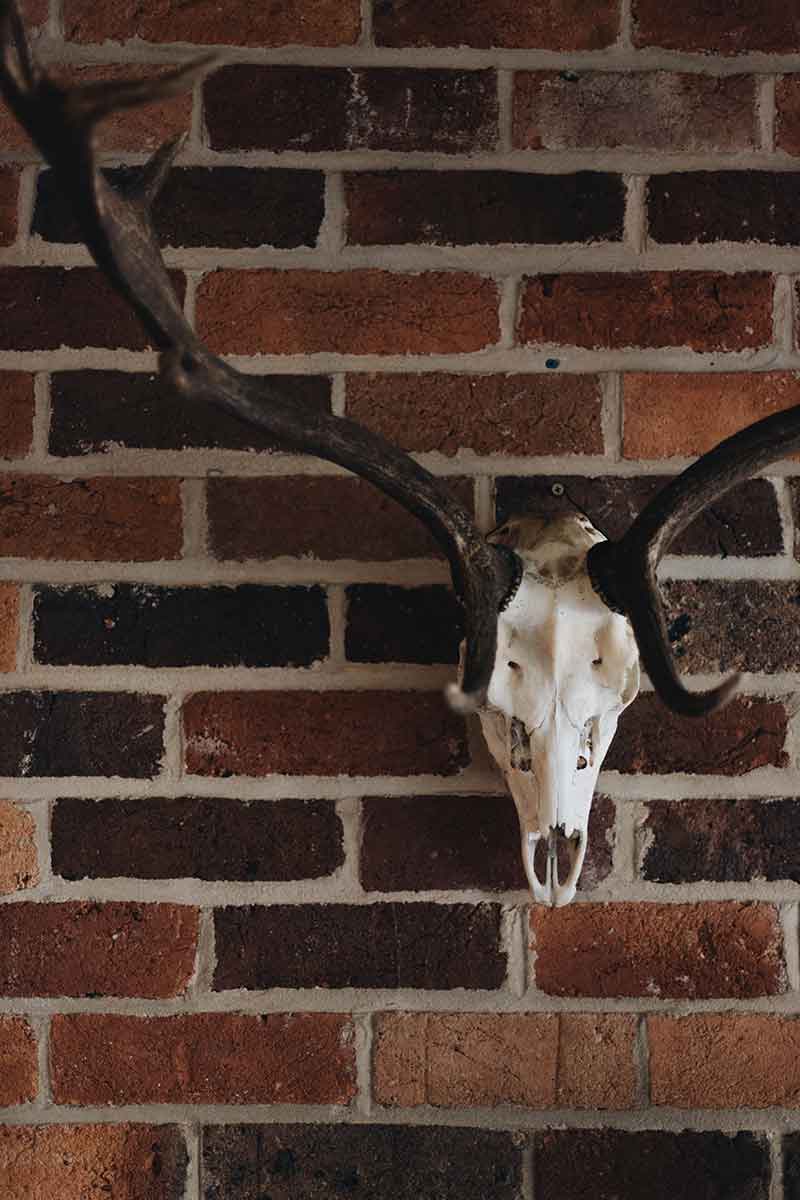
We talk about a time for an interview early in the week. “Try me but I could be out of range,” emails Colin Selwood. For this chef certainly won’t be on the pans in the kitchen at his Scone restaurant The Cottage on his days off. The 57-year-old loves nothing better than to get up at 4am to make a quick cup of tea before heading out into the high country surrounding this picturesque Upper Hunter Valley town. “I walk the hills a lot because I’m a deer hunter. Most Mondays I can walk up to 12 kilometres,” he explains.

A childhood spent around the lush farming land near Rangiora in New Zealand’s South Island left Colin with a deep love of the land. “My mum had grown up on a farm and I spent as much time as I could at a friend’s property. I just loved it.”

Ask him today what he likes about living in the country and the answer is simple. “Being able to park right outside the shop I want to go to, never hearing a car horn toot in frustration and seeing the stars at night,” he says. “I like just simply having paddocks all around us.”

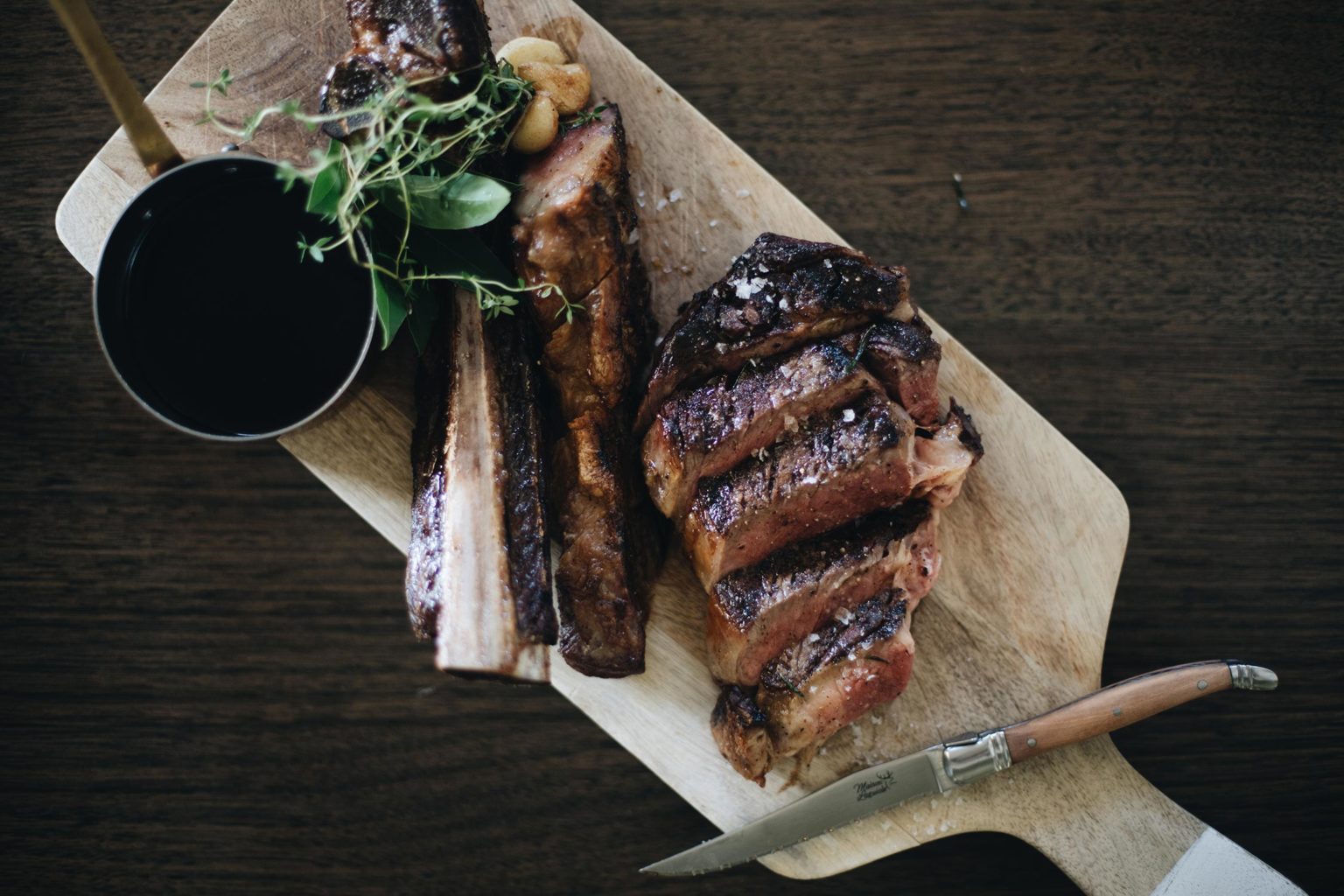
When Colin arrived in Sydney in 1986 and landed a job at the Bayswater Brasserie, he had no intentions of staying permanently — or even the remotest idea that one day he would end up in the Australian bush. His first lengthy stint was in 2010 when he moved from Sydney to Willowtree, a small town on the Liverpool Plains, where he set up a restaurant called Graze specialising in dry-aged beef. A move back to the city, this time Melbourne, followed in 2013 but he and his wife Tammy were keen to return so jumped at the chance to launch another restaurant: this time The Cottage in Scone.

“I wanted my son to grow up in the country, doing the things I did, riding motor bikes, swimming in rivers, shooting rabbits, camping out and sailing on fresh water,” he says of his now 11-year-old son Jackson.

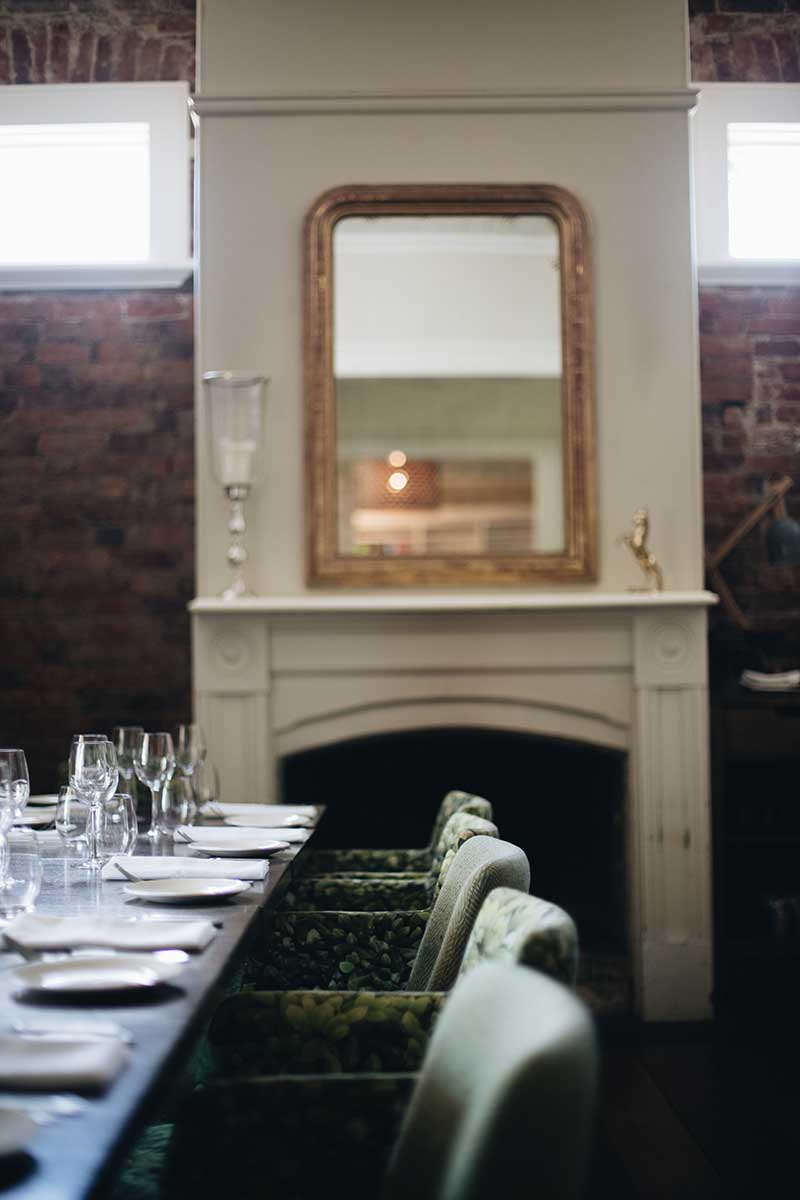
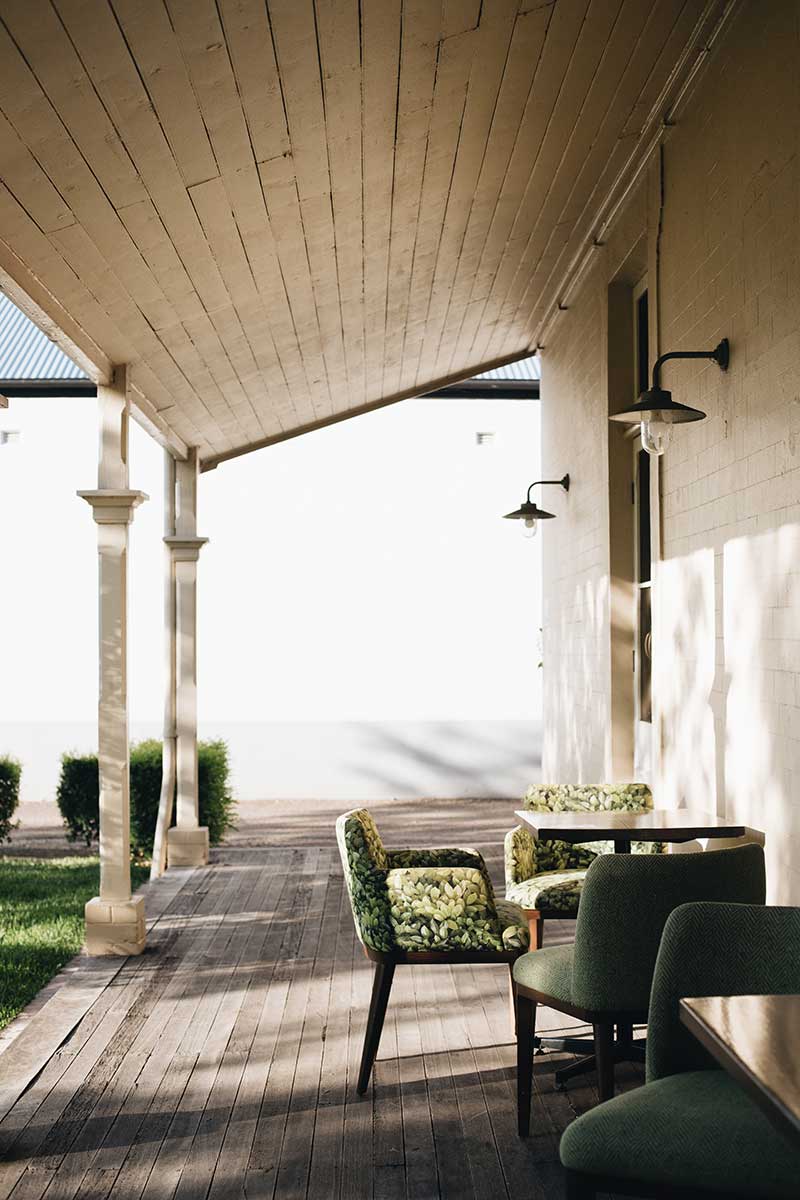
Skirted by wide verandahs and set back from the street, the restaurant is housed in an 1860s building that has had several reinventions over the years. Private hospital, guest house and finally the office for the Pastoral Lands Board before it was finally bought by Michael and Shanny Crouch of Waverley Station in 2012.

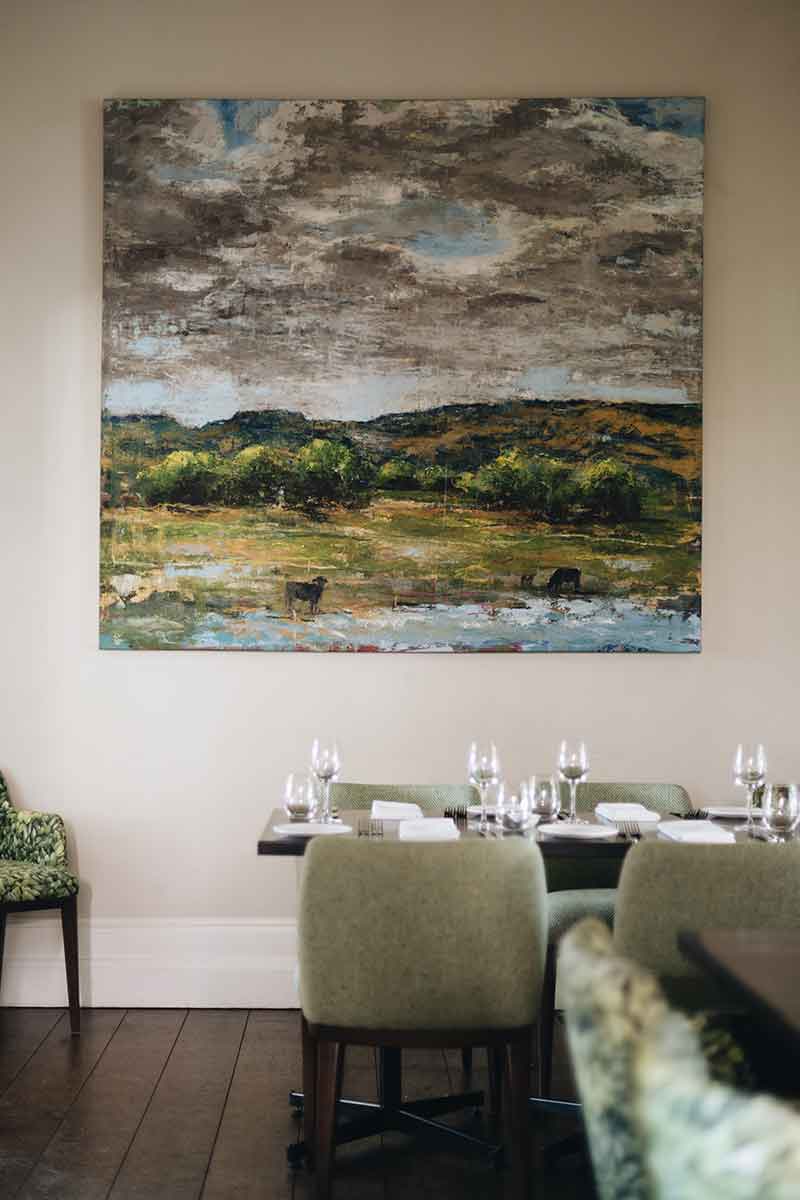
Today, the building has been restored with interiors by well-known Melbourne-based interior designer Adelaide Bragg who grew up in the area. The result is an elegant space hung with a large landscape by painter Lucy Vader, who often works from her studio on the Liverpool Plains, and still-life works by Catherine Hickson.

Running a restaurant in a regional town is not without its challenges. “We had two great years and then it stopped raining. When disposable income and edible grass dries up, a business like ours slows right down. People either stop going out or taking cheaper options, especially if they are buying feed for their stock,” he explains.

But Colin’s love for the community inspired him even during those tough times. Just take one of his favourite customers, the late Betty Shepherd. The octogenarian, who was Australia’s first registered female horse trainer and also the first woman to have a runner in both the Caulfield and Melbourne cups, was a regular at The Cottage and never strayed too far from her first loves: oysters, fillet steak, French Champagne and chocolate.

And it’s locals like Betty that have made all the difference. “As chefs we are highly criticised — everyone thinks that they are a food critic. One of the things here that is wonderful for me after 30 years of cooking, is that I have moved to an area in the country that really had a bit of a void for a nice restaurant, so a lot of our customers really have been far more grateful than a wannabe food critic. Which is so good for my headspace and mental health.”

The Cottage, 196 Kelly Street, Scone NSW. Telephone (02) 6545 1215.

For more information, head to thecottagescone.com or @thecottagescone

Colin’s Address Book

Great local producers plus things to do in the region.

Arc-en-Ciel Trout Farm. Visit and buy an array of smoked goods, but this Nundle trout farm is also home to The Drunken Trout Cafè©. Open for lunch on Sundays and bookings are essential. Telephone (02) 6769 3665. Malonga, 52 Shearers Road, Hanging Rock NSW.  rainbowtrout.com.au

Manning Valley Naturally Beef. Colin uses this award-winning grass-fed beef. “Our beef comes from Wingham which is relatively local and we have a few local farmers that send cattle that way and they do end up with their product in our dry-aging room, so that’s a big bonus for us.” Telephone (02) 8918 0000.

Reedy Creek Crays. Colin sources premium size table yabbies from this farm. reedycreekcrays.com.au

Camping. “We have one of the most amazing places to visit in the Barrington Tops, we often go up there, light a fire and cook a picnic lunch, the walks up there are amazing.”

Sailing on Lake Glenbawn. Fourteen kilometres east of Scone, this large lake is a popular place for water skiing, sailing and canoeing. You can also fish for Australian bass, perch and Murray cod. Entry to the dam can be purchased through Lake Glenbawn State Park. The office is open 9am to 5pm daily. Telephone (02) 6543 7193. waternsw.com.au/supply/visit/glenbawn-dam

At home with Jason Mowen

Posted by

After years spent living in cities, designer and writer Jason Mowen is now planning to divide his time between a weatherboard cottage in Murrurundi and a palazzo in Italy’s Puglia.

Jason Mowen waited until he was 45 to buy his first house. But this interior designer’s choice of a weatherboard cottage in the country four-and-half-hours north of Sydney was a surprise to many. “My friends thought I was crazy, but the more people told me not to do it, the more determined I became,” Jason says today, sitting in his elegant book-lined living room in Murrurundi, a NSW town famous for the thoroughbred studs dotted throughout the area.

The horse connection is an important one in this story. Based in Sydney’s inner-city Darlinghurst for a decade, Jason is the first to admit that on the surface his decision to opt for rural life was a surprising one, until you learn he grew up on a property in the rolling green hills around Maleny in Queensland.

“My mother and grandfather used to breed racehorses and I remember her speaking of Murrurundi when I was a kid. Then I went to university in Armidale in the early 90s and I always remembered this quaint little town with the long name that I used to drive through on my way to Sydney,” he explains.

“I drove through again in late 2015 and just fell in love with the place. It felt unspoiled: it wasn’t gentrified nor ruined with bad development. It was also really affordable and I loved that no-one back in Sydney had heard of it.”

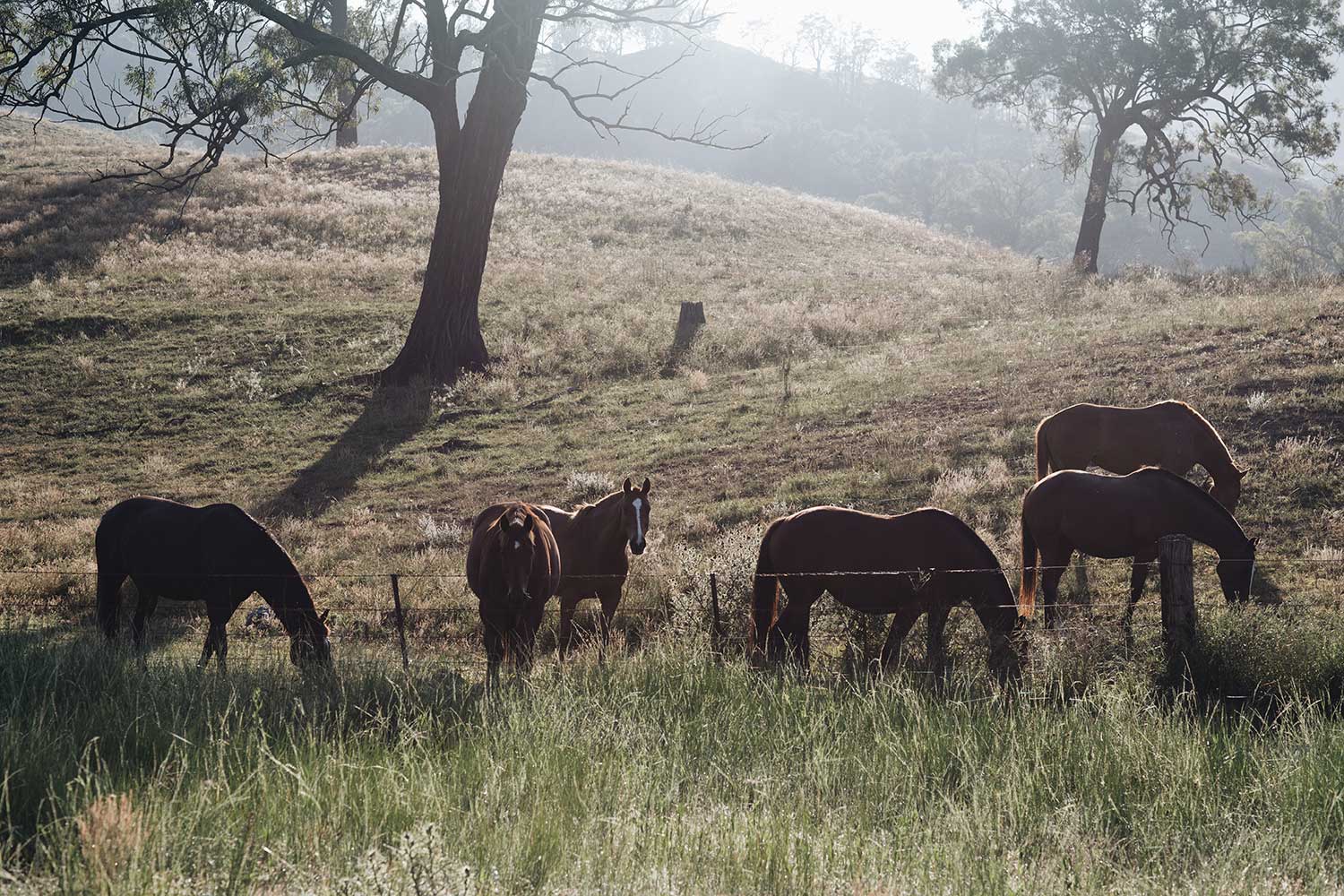
On top of Jason’s lists of requirements was a place where his mother Jicky would also be happy to spend time. This meant any prospective new home needed to be in an area where this accomplished horsewoman’s beloved horses could be nearby — four of them are now on agistment in a nearby paddock — and so the search for a house began. Luckily, Jason was prepared to be patient because it was nearly a year before the right one came along.

“I was looking at both homes and land and after enquiring about another house, the local agent, Dave Bettington, told me: ‘Forget that one — have I got the house for you. Not on the market yet, but it’s perfect.” It took a while but 10 months later I was the proud owner of a largish cottage on an acre-and-a-half at the northern edge of town.”

Walking around the garden on a late afternoon, it’s easy to understand why, even though he had not originally planned to live in the property full time, Jason soon began to find it harder and harder to leave this quiet sanctuary with its abandoned tennis court and majestic pine trees soaring into the sky.

“In late 2019, I decided to give up the apartment I”d been renting for 10 years in Darlinghurst and move to the home I loved, and owned, in Murrurundi, as I felt I could do much of my work remotely,” he explains.

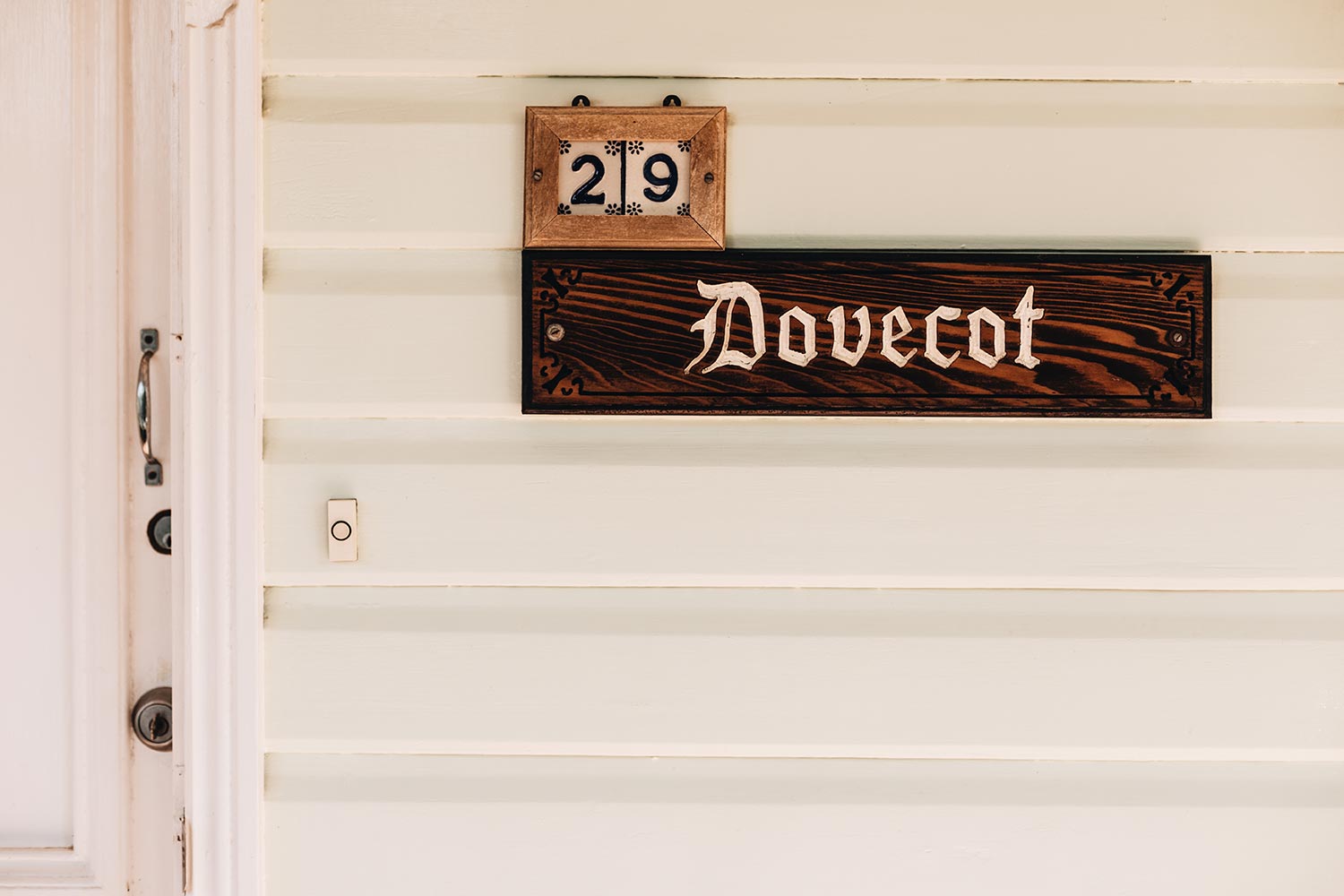
Built in 1905, the house is called Dovecot — a name Jason was originally puzzled by until he learnt more about its past. “There is no actual dovecot [a structure for housing doves or pigeons] so I couldn’t understand why it had been named that until I discovered it was built by a man named George Dove — so, house of the Dove — which I absolutely love. I bought the house from his granddaughter, Judy, who was born and lived all her life here. It has a really good energy. Judy was a lovely person, greatly esteemed in Murrurundi, and there was obviously a lot of love in this house over the years.”

Jason is gradually learning more and more about the history of Dovecot — just as he is with his holiday home in Italy. “Dovecot was my first house and then, just a few years later, I decided to buy a holiday place in Europe,” says Jason. After discovering how successfully he can work remotely from Murrurundi, he is hoping to spend three months a year at his second le casa — one half of a rustic palazzo dating back to 1580 — in Matino in Puglia.

“I see my life in the future, once things get back to normal, as living between Matino and Murrurundi. I”ve always been a bit of a gypsy and usually spend five to seven years in a place before moving on but I do love Murrurundi. It allows you to be quieter, which is great for inspiring both creativity and contentment. And being surrounded by such great beauty — the beauty of this wonderful old home and garden and the surrounding natural beauty of the mountains and landscape — I”ve lived all over the world and it just doesn’t get better than that.”

Jason’s Address Book

Five things I love to do in Murrurundi – and not in any particular order – are:

1. Lunch in the garden at Michael Reid’s gallery. “I love taking people there for lunch. The buildings, the ambience and the people – I love being there. Favourite thing on the menu? The pies are great.” Corner Boyd and Mayne streets, Murrurundi NSW. Telephone: (02) 6546 6767

2. A walk to Paradise Park. “If you walk up the hill and through these massive granite boulders and a crack in the cliff you will get a wonderful view of the town. It’s called the Eye of the Needle.”

3. Wander the town and admire the old colonial cottages and buildings dotted along the streets. “I’m always imagining what I”d do to them if they were mine!”

4. The suspension pedestrian bridge on Murulla Street, just before the intersection with Mayne Street. “When the river is running high, I love to cross this old bridge.”

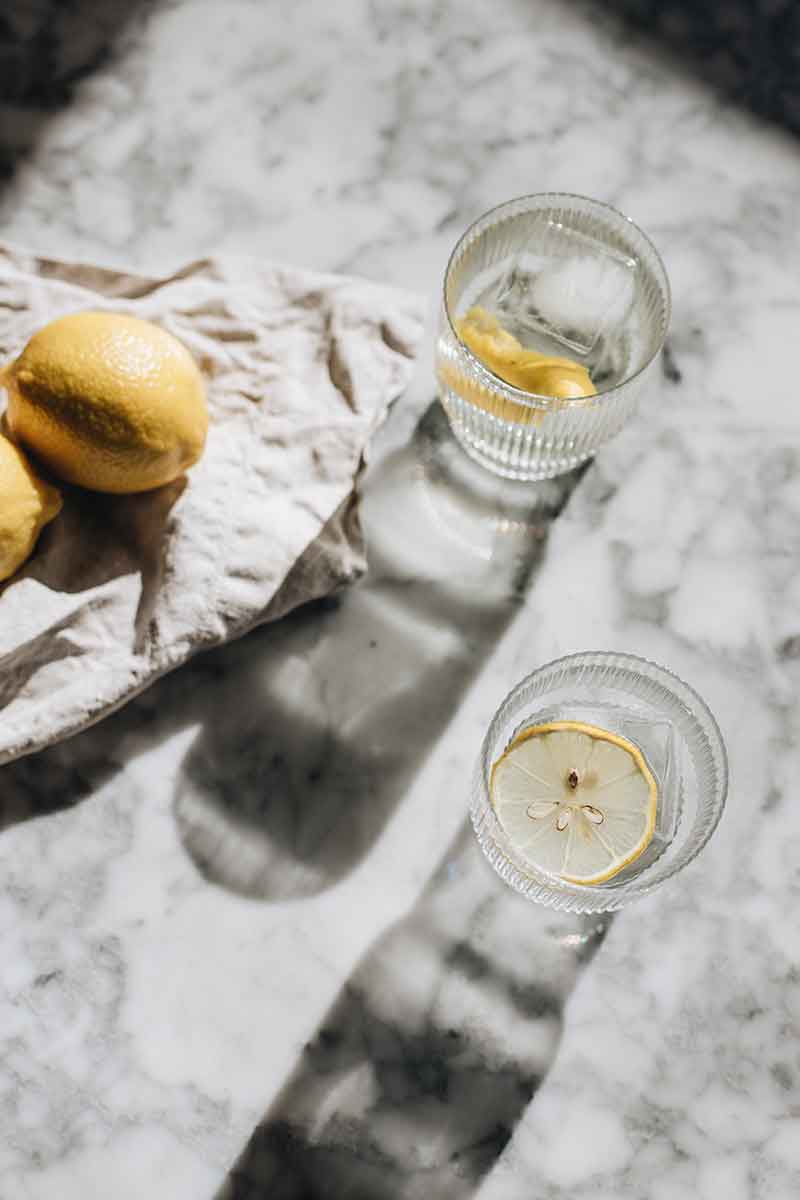
5. “Sitting down on my verandah at the end of the day with a Magpie gin and tonic, listening to the cacophony of birds living in my garden and just losing myself in the view of the mountains beyond.

To see more of Jason Mowen’s work, go to jasonmowen.com and @jasonmowen on Instagram.

For information about La Dimora di Jason, see ladimoradijason.com and @ladimoradijason


A town that performs

Posted by

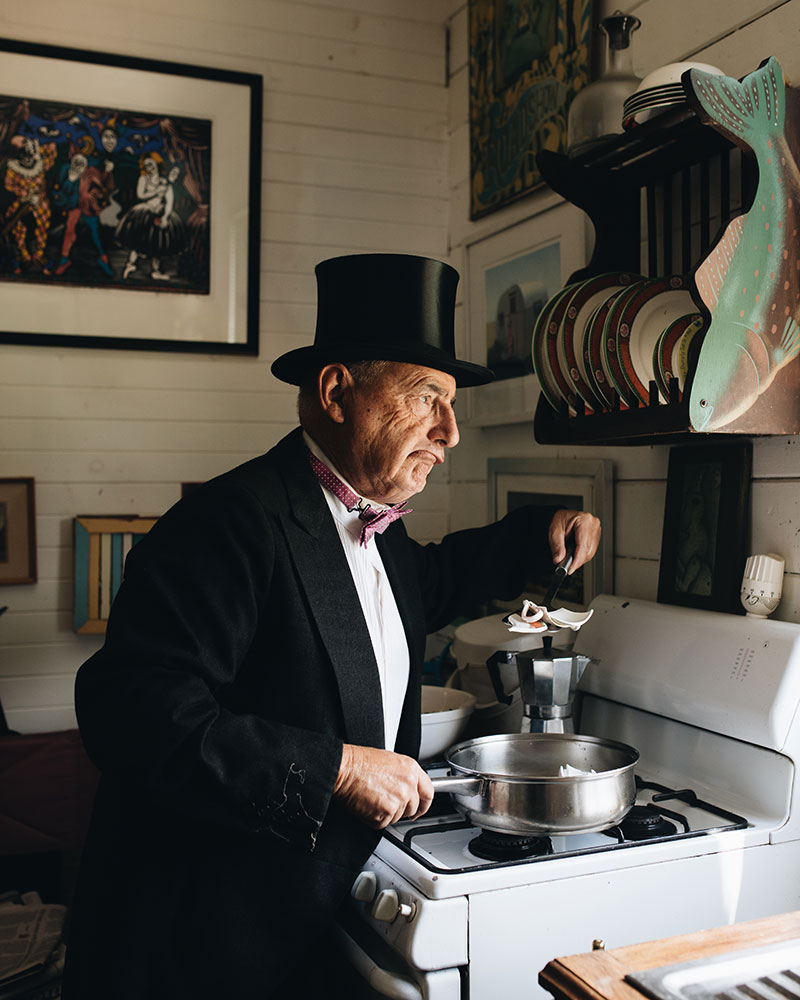
A love story spanning four decades between Jean-Paul Bell, Australia’s best known mime artist and the town of Murrurundi.

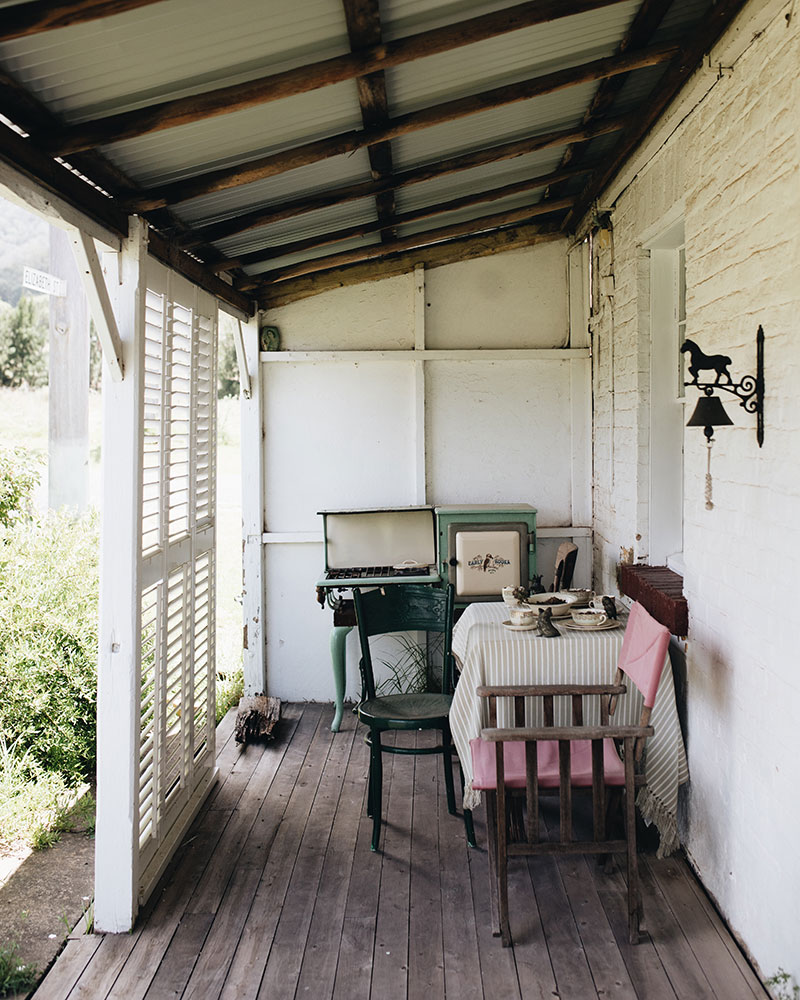
There’s a sign leaning against a weathered white wall on the deck of a small workers” cottage in the town of Murrurundi in NSW’s Upper Hunter. It’s a little faded after a few years in the sun and some of the words have almost disappeared but as I lean in a little closer, I can just make them out. ‘Life is too short to be serious all the time”.

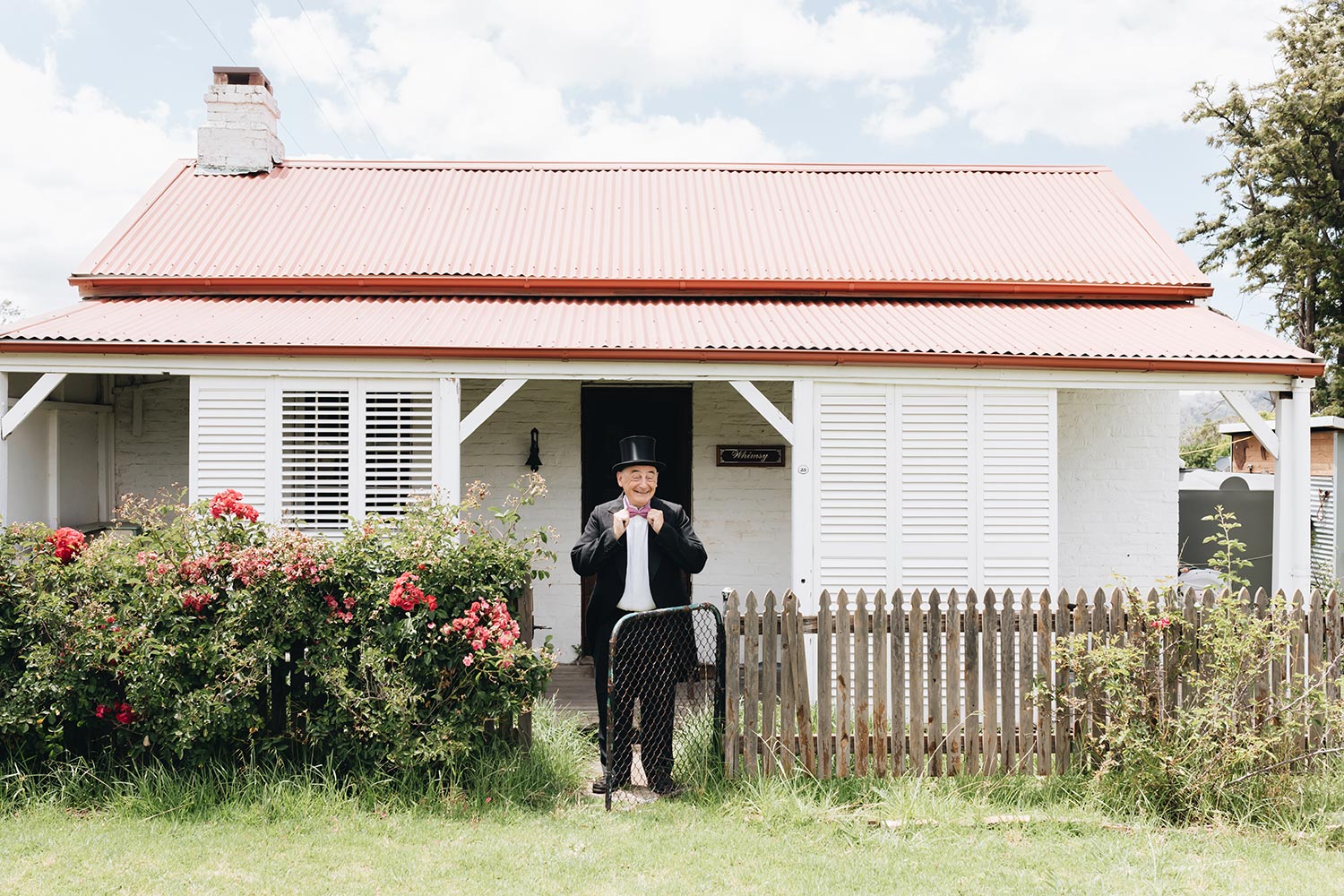
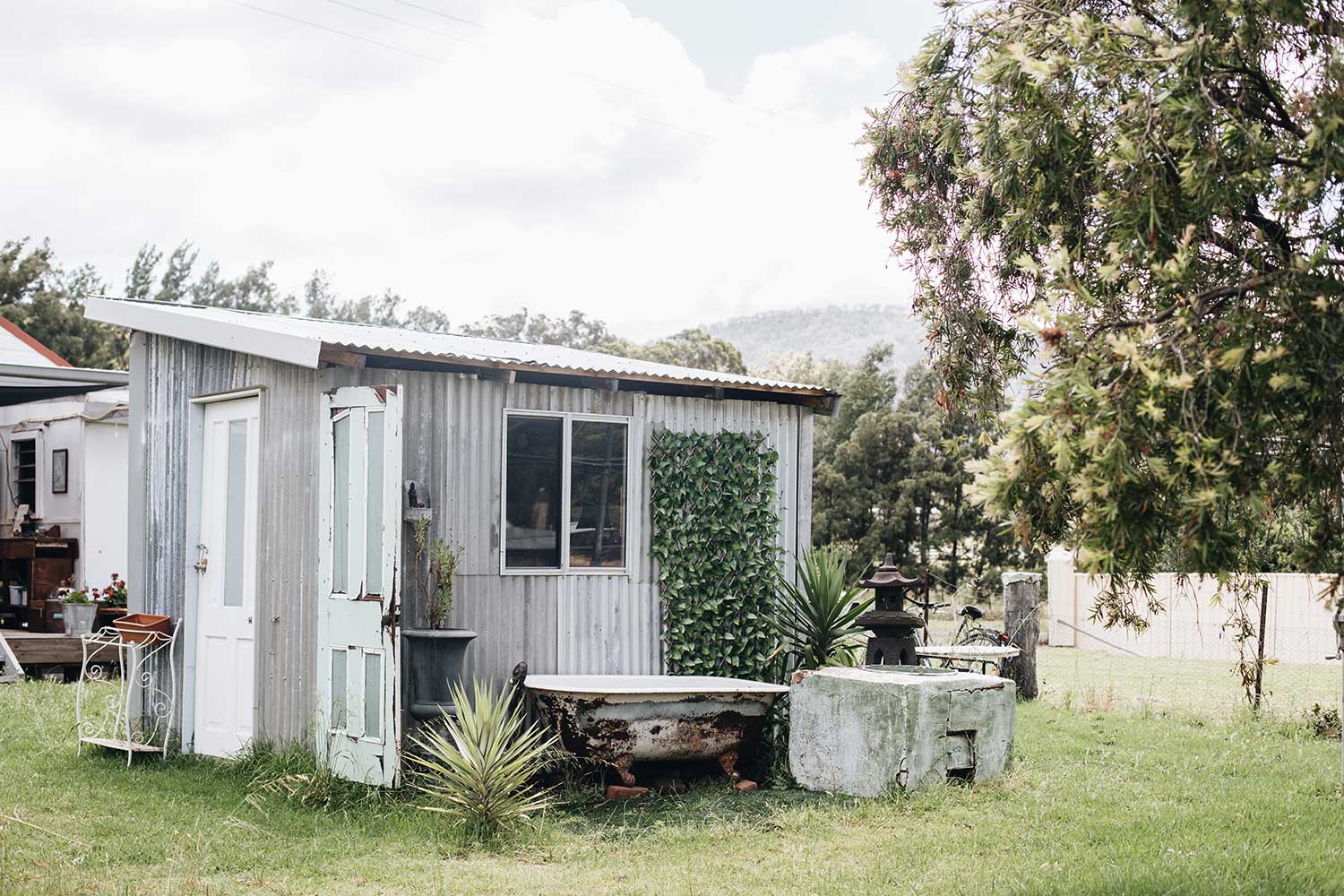
Jean-Paul Bell, one of Australia’s best known mime artists, has shaped his life around this sentiment so it’s no surprise to discover the other quirky installations dotted around this block on one of Murrurundi’s side streets. The first, a nameplate ‘Whimsy” greets you at the front door. “I called it that because to me it is such a storybook cottage. Perhaps it’s because of my mother’s English background, but I”ve always had a bit of a panache for little cottages with white picket fences,” he explains with a wry smile. “I think moving around a lot as a kid, and we lived in a lot of different houses, gave me a great love of architecture and this is a classic workers” cottage.”

The 69-year-old first came to Murrurundi in the early 1980s. “I was on my way to Tamworth to do some shows and thought I would stay within striking distance,” explains the man who helped establish Clown Doctors, a group of performers dedicated to visiting hospitals, in 1997. “So I trundled into Murrurundi and stayed at the White Hart Hotel. It was very cheap, something like $14 a night. I checked in and then I wandered around town. I thought, I like this place.”

In fact, this grandfather of five – “they range in age from three to 22, it’s wonderful” – liked it so much that Murrurundi quickly became a regular stop on his trips up and down the New England Highway. But it was to take nearly four decades before Jean-Paul finally became a local when he bought the house in April 2014. “I was just in love with it. It took me six months to lift my head to look at the ranges outside the back door and then I thought, god if you were a painter, you would love to live in this town.”

After living in Sydney’s Northern Beaches and Newcastle for many years, Jean-Paul’s decision to move to the country perplexed some but he was no stranger to rural life. As a 14-year-old living in another little country town, St Andrews in Victoria, he had decided to become a performer.

“We had the most peripatetic existence when I was growing up. My father was mainly a travelling salesman and we moved 117 times – my siblings and I counted them up one night as most of us couldn’t remember them all. I went to 20 different primary schools and seven high schools. But I loved St Andrews, it was a fantastic little town, and I joined the local arts association there which eventually led me into theatre.”

Jean-Paul’s work has taken him around the world to some unusual places — two trips were even the subject of documentaries Honeymoon to Kabul in 2009 and Stumbling in Hillary’s Footsteps in 2013 — but the community spirit of this little town has captured his heart.

“I’m the most gypsy like person and I love to go travelling in my little van. I’m lucky to have the most wonderful – and zealous – neighbour, Neil. Anyone comes near the house, I get a report. He’s a former bus driver who doesn’t want to go anywhere, anymore. It’s a great community here which is nice, you just wouldn’t get this in the city.”

Jean-Paul’s Address Book

1. White Hart Hotel. The place Jean-Paul stayed on his first visit to Murrurundi. 46 Mayne Street, Murrurundi NSW. Telephone: (02) 6546 6242. whiteharthotel.com.au

2. Paradise Park. “The walk I love to do, and it takes about two hours, is to Paradise Park. A walk through The Eye Of The Needle also gives you a great view over town.”

3. Passed On. A second-hand shop run by Jean-Paul and friend Dorothy Cleary. “I wanted to call it Dead People’s Stuff after a shop I”d seen in Canada but she thought it was a bit too much.” 52 Mayne Street, Murrurundi NSW.

4. Fox’s Store. Housed in the old Haydonton General Store, this is the place to stop for a milkshake and a browse through a fascinating collection of antiques. 45 Haydon Street, Murrurundi NSW.

5. Darcy and the Fox. Archibald Prize finalist and People’s Choice winner David Darchy moved to Murrurundi several years ago. His gallery shop “is full of interesting things. Great flowers and bush memorabilia,” says Jean-Paul. “David’s studio is right next door and you can often see him working on his latest painting.” 37 Mayne Street, Murrurundi NSW. 0405 817 174. darcyandthefox@gmail.com

Join our mailing list
Interests(Required)
This site is protected by reCAPTCHA and the Google Privacy Policy and Terms of Service apply.
REGISTER YOUR INTEREST: