Detroit to Murrurundi
Having established an art gallery in Berlin nearly fifteen years ago, I came to love the city for what it then was: dishevelled to the point of unkempt, a feral, unrestrained, a saucy minx of an urban life. Through that lens, it was only natural that I was, in my imagination, drawn to Detroit, another seemingly husk of a city, singed and fractured, waiting for its next inhabitant to scuttle in and make it home.
For years I toyed with the idea of opening Michael Reid Detroit. I have always had a weakness for cities in the act of a new becoming- phoenixes rising out of catastrophe, so to speak.
The idea ended abruptly, however, when Barry Keldoulis — former Director of the art fair Sydney Contemporary — explained just how very cold Detroit can be in winter. So cold, in fact, that a flat-share acquaintance once popped out late at night, inappropriately dressed in pyjamas, to buy cigarettes from the local bodega. Cutting across the park, they tried to jump an iron fence. Their hands froze to the metal. They were found the next morning, quite literally snap-frozen.
So perhaps I would not, after all, be opening an art gallery in Detroit.
That said, Detroit was always on my mind.
Detroit was once well and truly written off — hollowed out by the collapse of automobile manufacturing in the late 20th century — its streets became shorthand for industrial ruin and vampire movies. Yet what has emerged over the past decade is not a simple comeback, but something far more compelling: a city that rebuilt itself by restoring dignity to the making of beautiful, useful things. Labour became culture again. Craft became the necessary, mother of reinvention. Civic pride returned through making things properly, with machines and by hand.
Shinola was born of that conviction.
When the company began producing watches in Detroit in 2011, it was not merely entering the luxury market; it was entering a moral argument — that American manufacturing mattered, that hands-on work could be aspirational, that the objects we carry should hold stories of place, effort, continuity and dignity.
Having been an enthusiastic client of their watches and leather goods for years, and after many long conversations with the good people at Shinola, it feels entirely natural that in early 2026 the Michael Reid Murrurundi Concept Store will become Australia’s only stockist of Shinola.
Motor City to Murrurundi. Geographically, they are poles apart. Philosophically, they are kin.
Seemingly, the two places could hardly be further apart geographically. Yet Murrurundi does not trade in trends. It moves to the rhythm of practical tenacity: seasons and farming cycles, drought and cold, horses, cattle, working dogs at your feet, and coffee made properly because it matters. Here, work is not a rural plaything for urban aesthetics; it is the condition of living.
Michael Reid Murrurundi, our evolving art, food and wine campus in the Upper Hunter Valley of New South Wales, was never intended to be simply an art gallery with a shop attached. It is where I live. It is my living system: an art gallery, Concept Store, kiosk, and now an in-the-garden kitchen I call the Pizza Shed. The garden is my slightly-got-away-from-me passion. Art, objects, food, trees, plants and conversation circulate around a shared place.
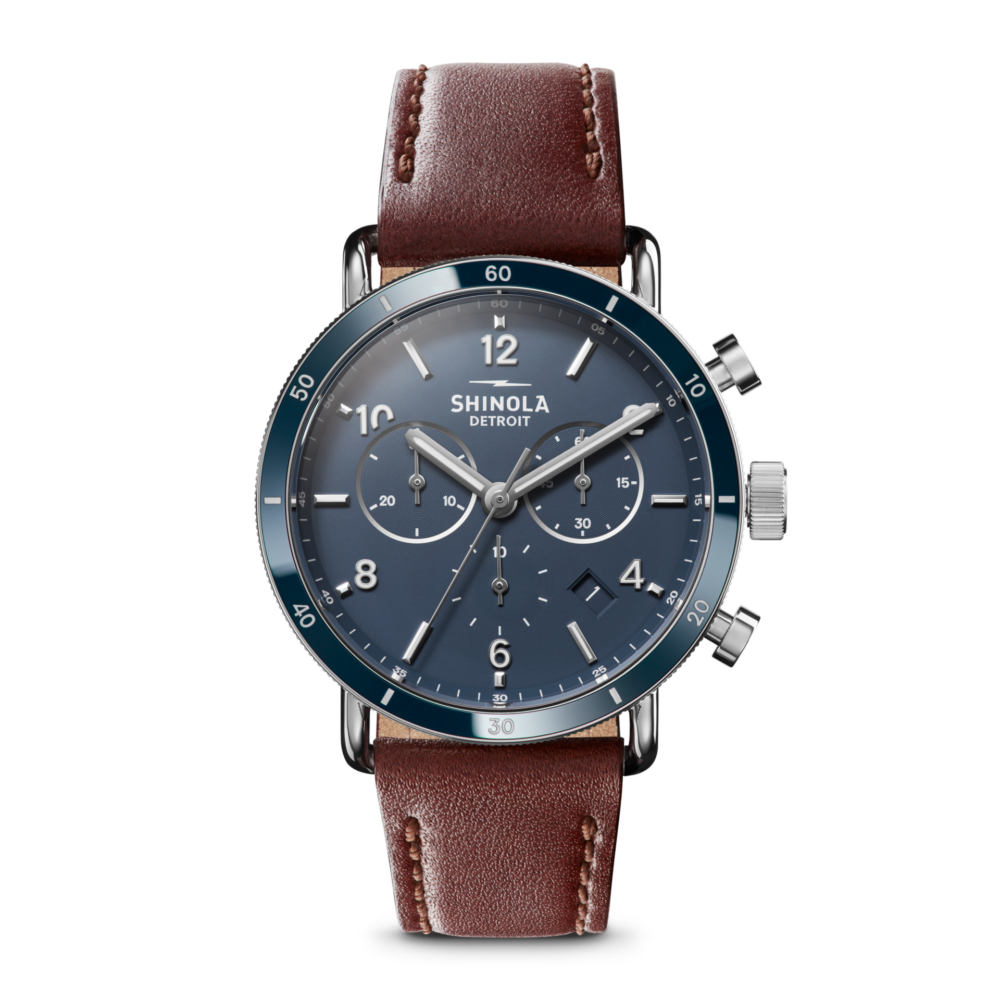
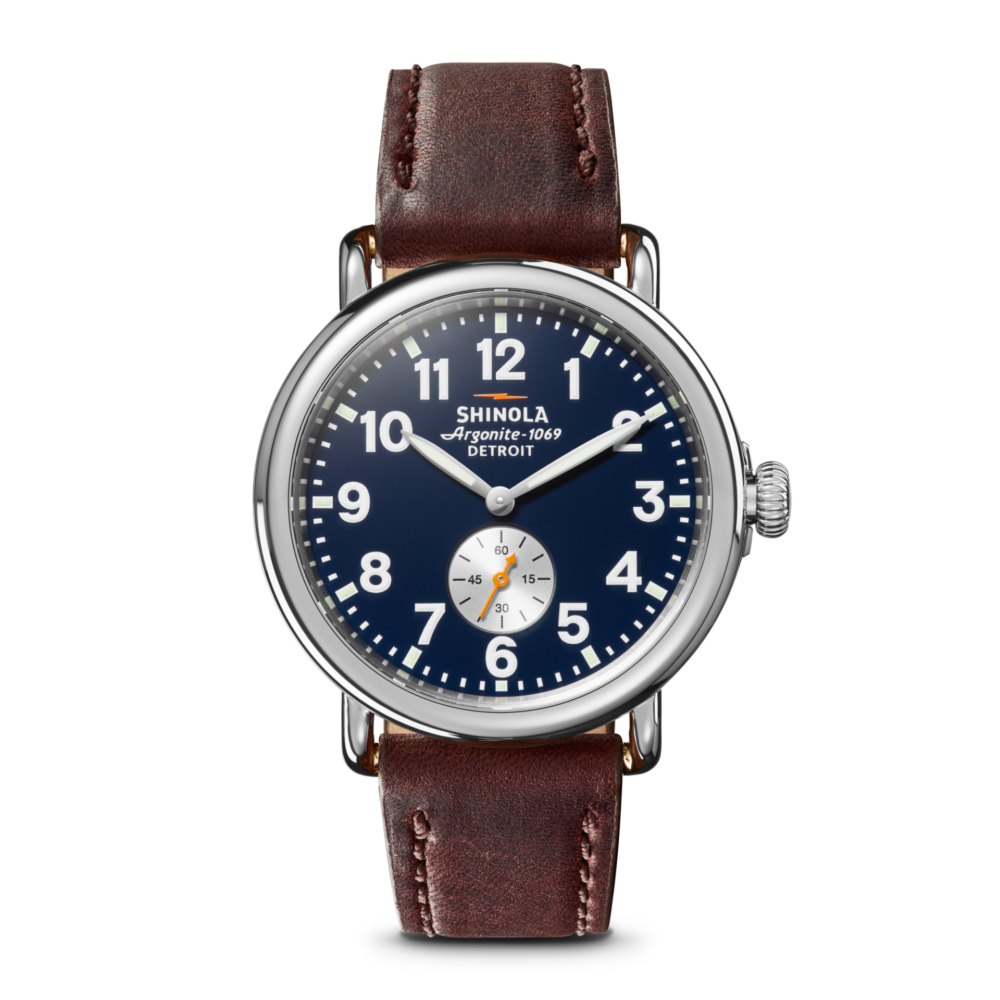
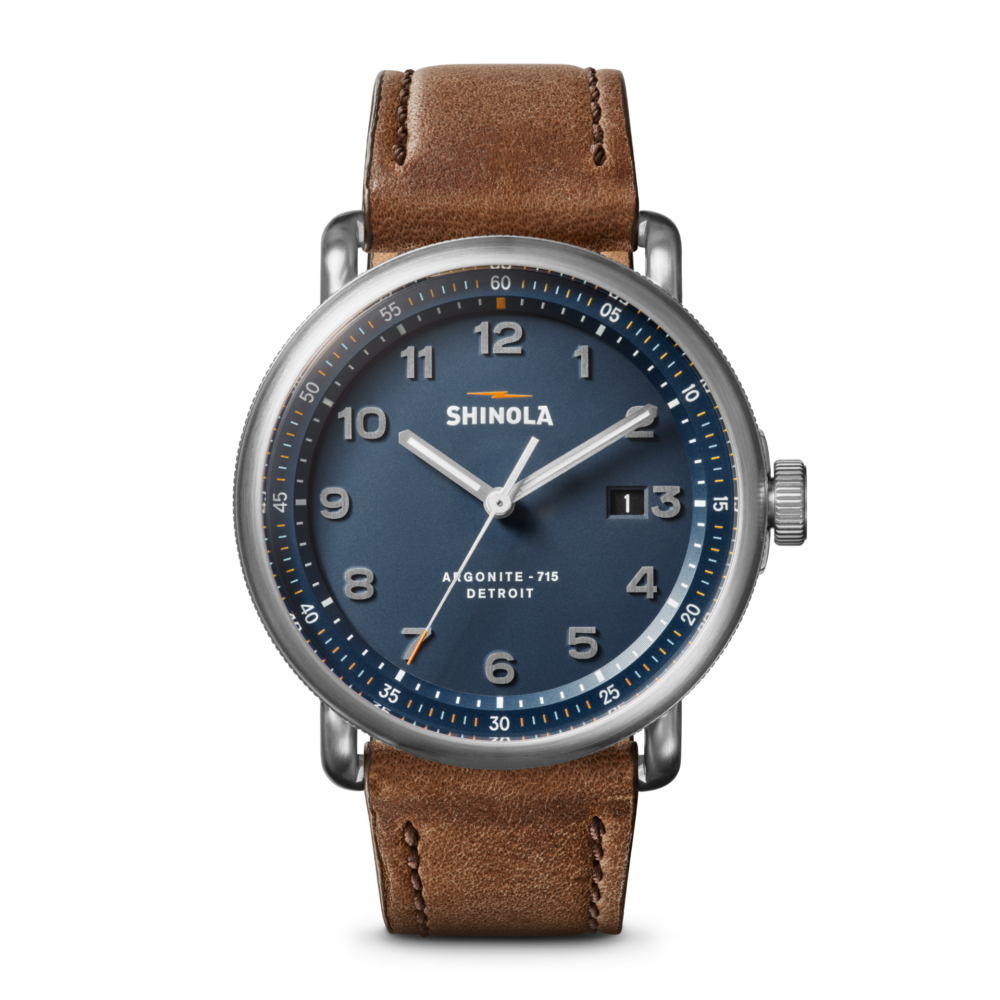
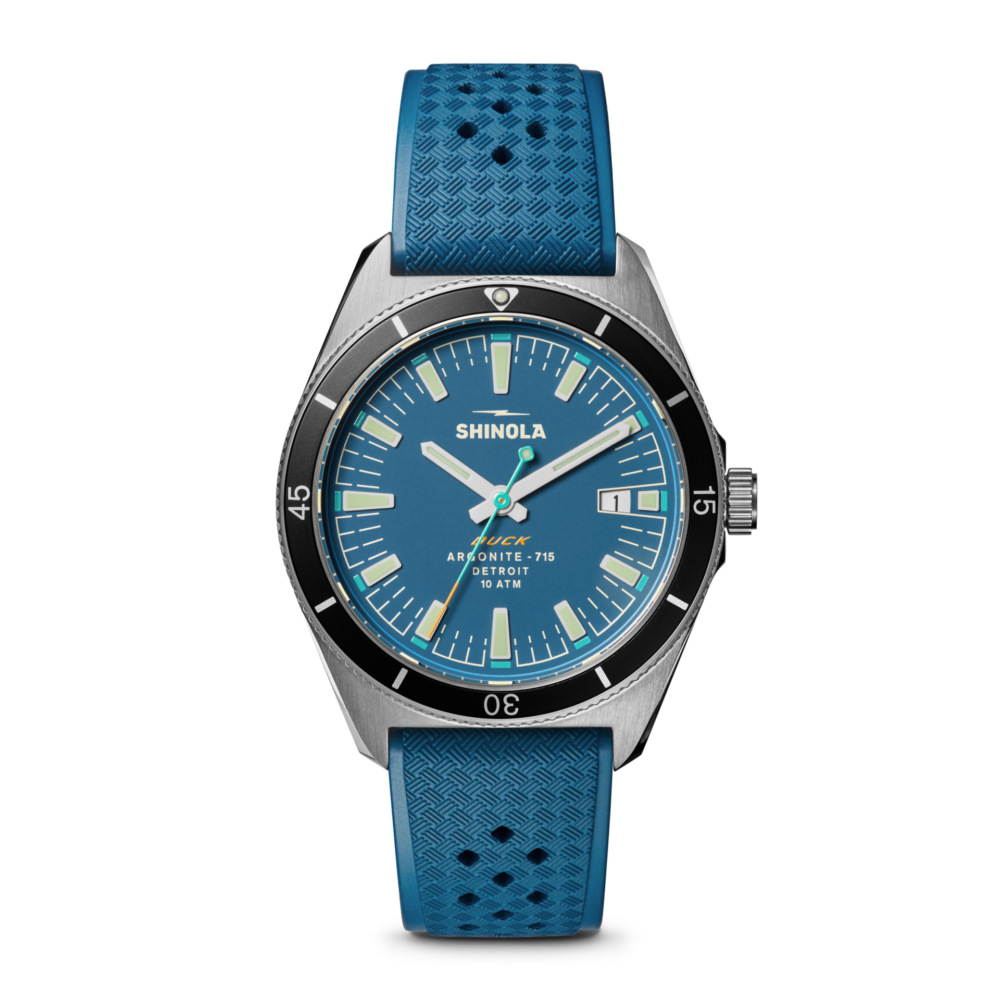
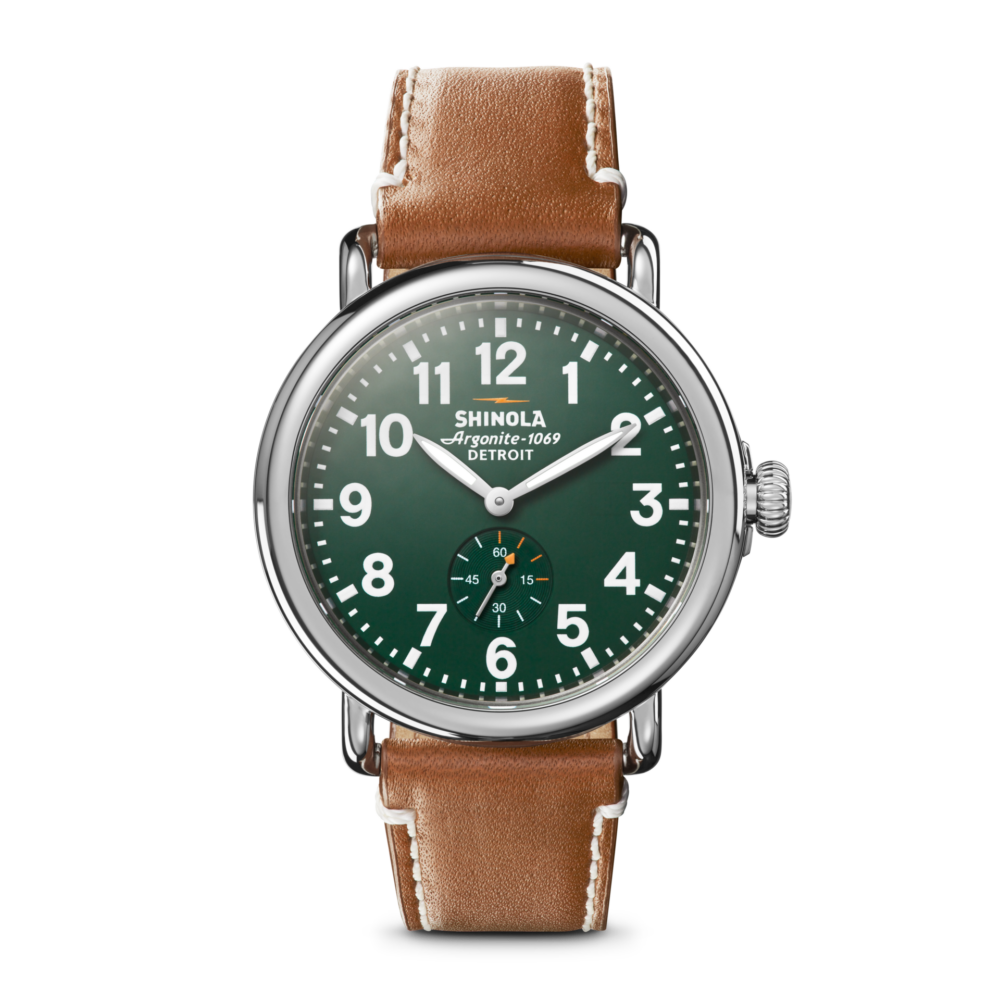
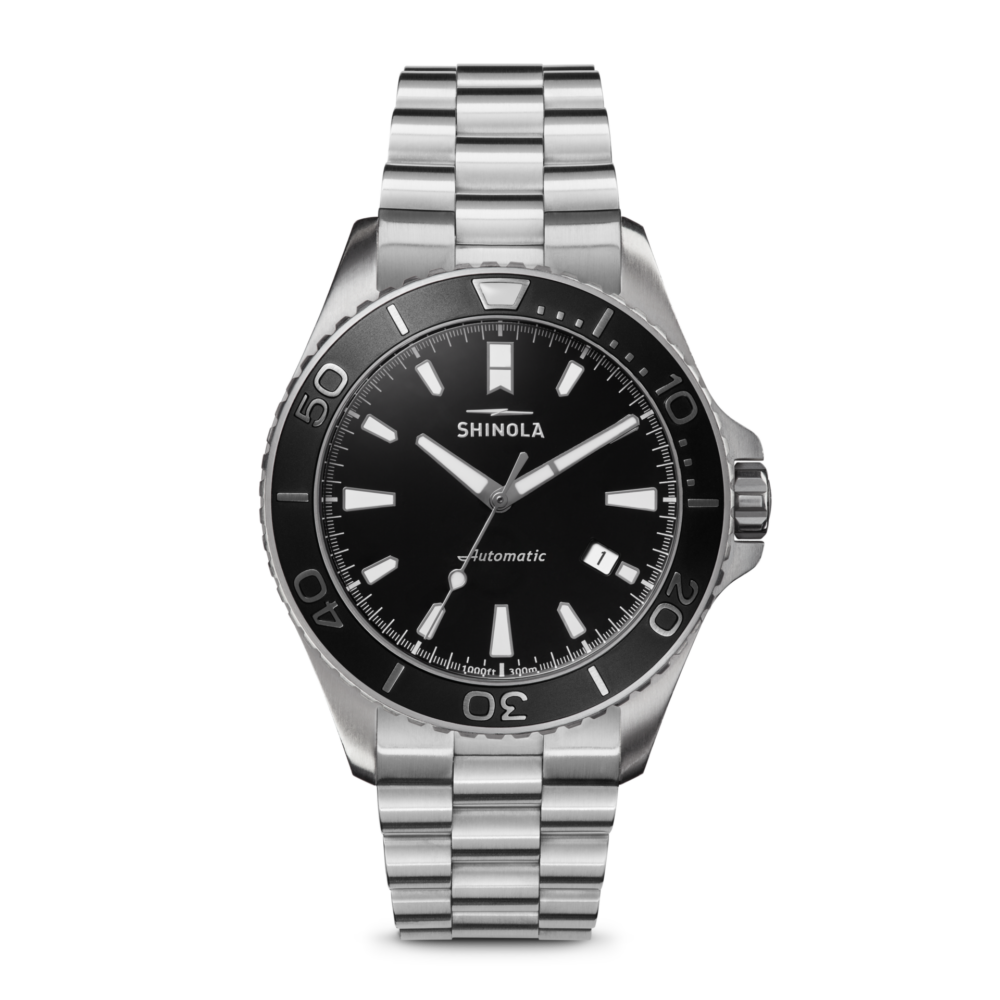
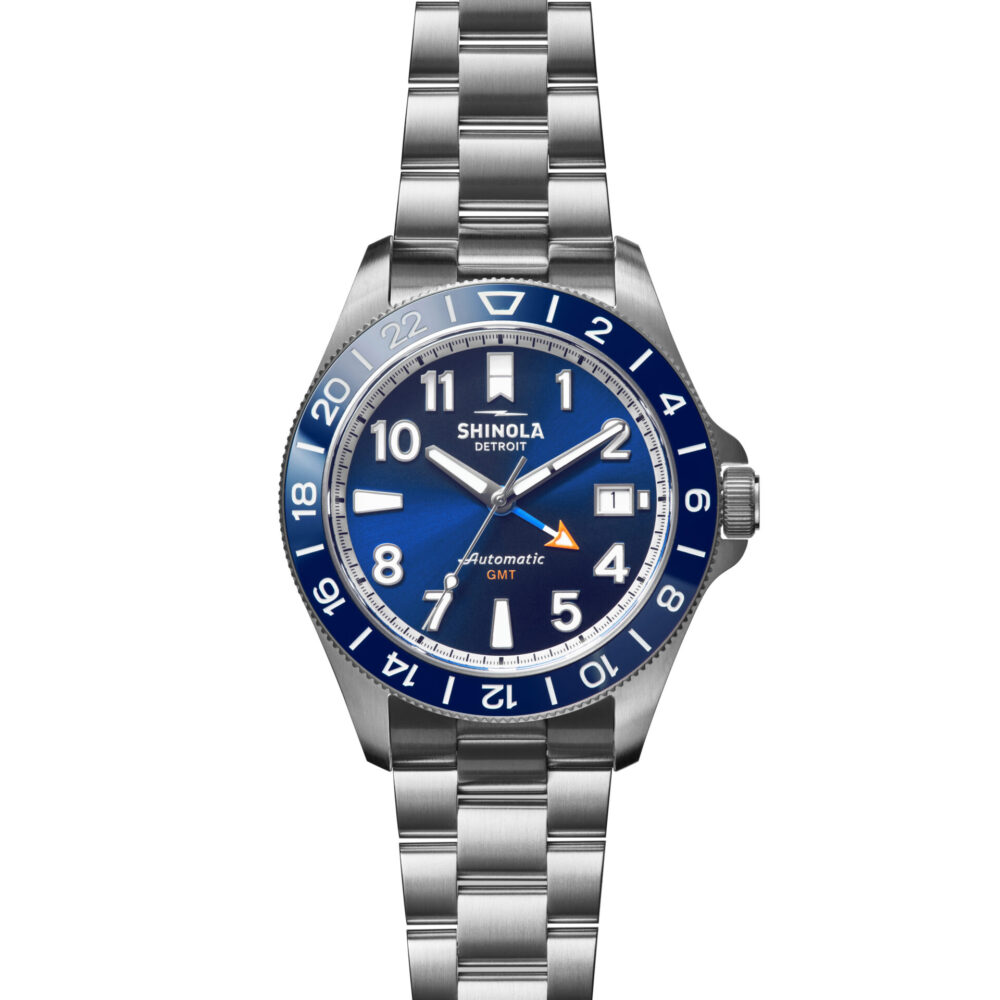
My opening selection of Shinola watches has been chosen with the same restraint I would apply to curating an art exhibition. The Runwell 41mm in tan leather, with its clear dial and hand-assembled movement, and its Sub Second sibling, are quiet, durable and legible — watches designed to be worn every day. The Canfield C56 and Canfield Sport introduce a more architectural confidence to the mix: stronger cases, sportier profiles, objects that carry the language of engineering as much as style. The Monster GMT, offered in both 40mm and 43mm gift sets, is built for long uncharted roads and longer days — a watch for those who cross time zones, literally or metaphorically. For something lighter, the Duck 3HD delivers modern, hard-wearing utility with the ease of a tool made to be used.
These watches are not fashion accessories. They are working objects. I wear my watch even though I am rarely separated from my iPhone. I can check the time with far greater discretion — and courtesy — than pulling a phone from my pocket mid-conversation. A watch does not throw blue light back at me at night. It tolerates rain, dust, soil and flour without complaint. I garden with my watch; my iPhone is perpetually in the way.
Shinola watches are assembled by people who once built cars. At Michael Reid Murrurundi, we curate exhibitions, make good food, sell proven, well-made products in the Concept Store and pour good coffee. In addition, we now place Shinola watches into the hands of people who understand what it means to carry a well-made and ever-useful object every day.
Shinola watches are not a luxury drifting into the bush. Our choice to offer Shinola is one working town recognising another working city, across hemispheres. Detroit rebuilt its soul by putting work back at the centre of culture. In Murrurundi, we have always done the same.
Michael Reid OAM